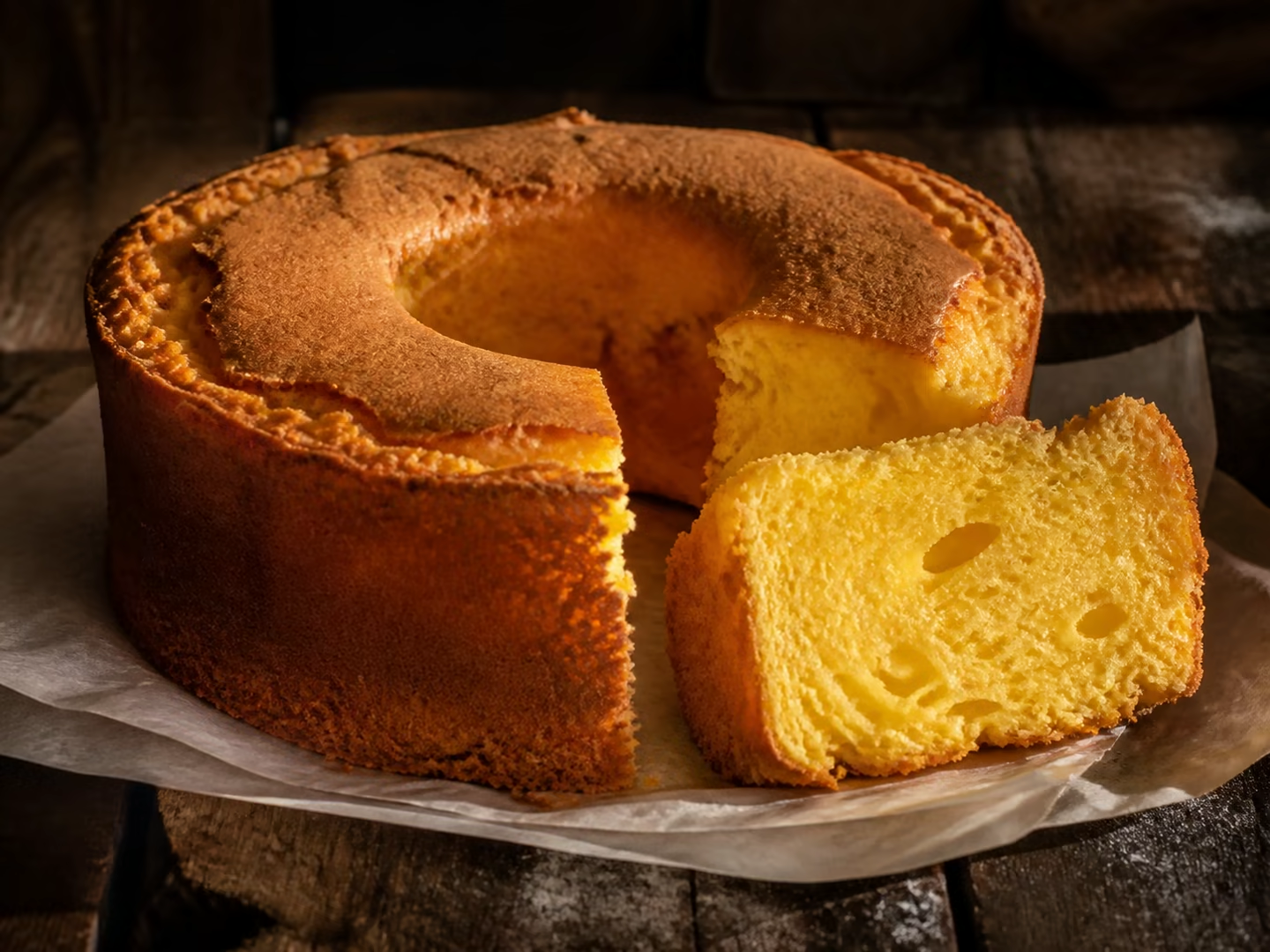
233 Portuguese cakes and sweet breads
The catalogue’s largest family: pão-de-ló, broas, celebration cakes, yeast doughs, biscuits and baked regional specialities.
“Bolo” is an extraordinarily broad category in Portugal. It includes runny-centred or dry pão-de-ló, dense honey-and-nut cakes, festive yeast doughs, broas, biscuits and small cakes associated with particular towns, saints or trades.
Diversity comes from ingredients and oven technique alike: whipped eggs lift pão-de-ló; fermentation creates sweet breads; honey, olive oil, pumpkin, chestnut, almond and spice mark regions and seasons. No family better shows the scale of Portugal’s sweet archive.
233 Portuguese cakes and sweet breads
Open each record for origin, ingredients, flavour, history, variations, season, where to try it and sources.
 Catalogue image
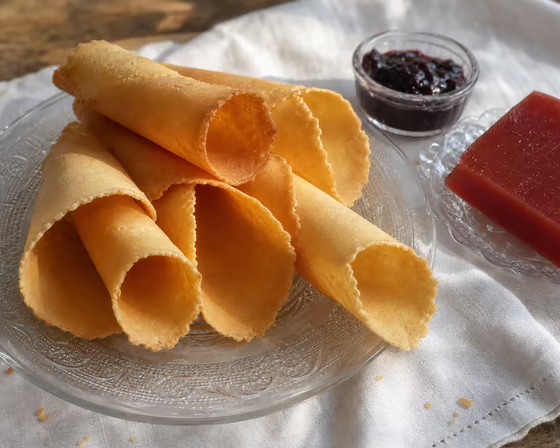
 Vieira do Minho Cone Wafers
Paper-thin crisp wafers, iron-baked and rolled by hand while still hot.
The North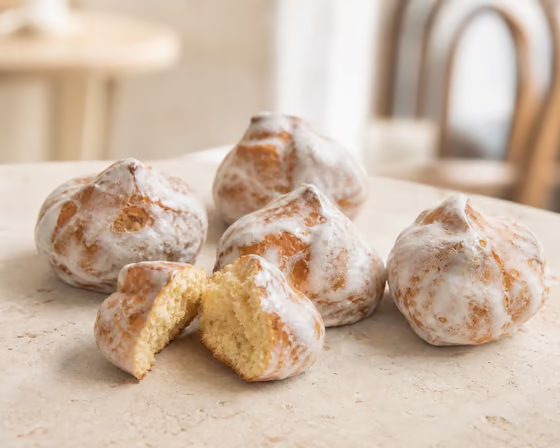 Catalogue image
 Oliveira de Azeméis Beijinhos
Small, irregular regional cakes, golden beneath a thin white coating.
The North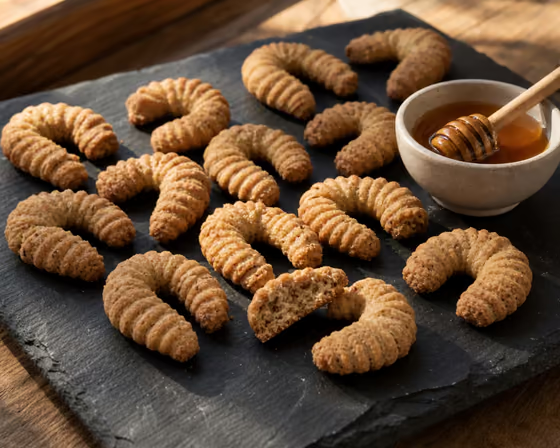 Catalogue image
 Saint Benedict Chestnut Biscuits
Ridged chestnut-and-honey biscuits inspired by the sanctuary of São Bento da Porta Aberta.
The North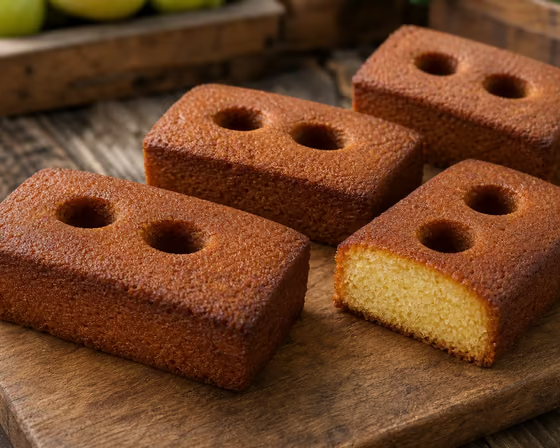 Catalogue image
 Teixeira Biscuit
The faithful companion of every Douro fair and pilgrimage.
The North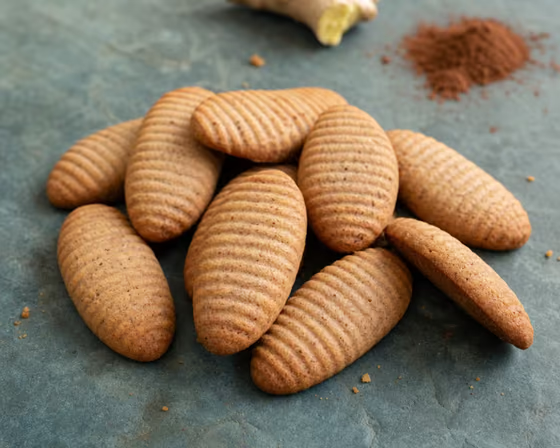 Catalogue image
 Valongo Trilobite Biscuit
Cocoa, ginger and Valongo's biscuit craft moulded into a Palaeozoic fossil.
The North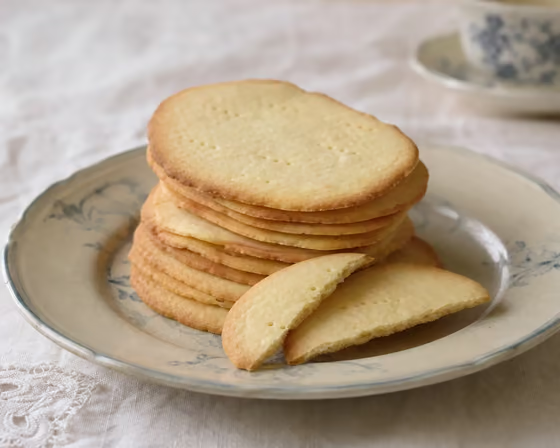 Catalogue image
 Viana Biscuits
Thin milk-and-butter biscuits, dry and crisp, documented for more than a century.
The North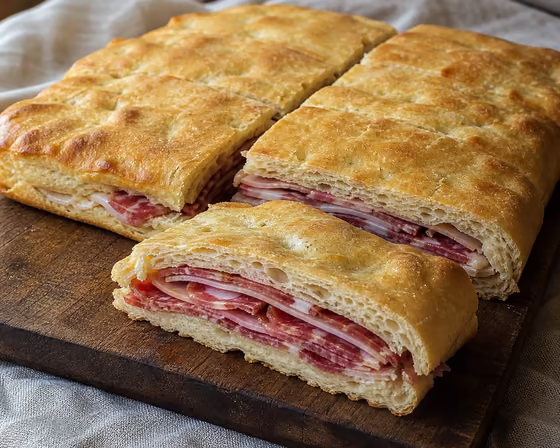 Catalogue image
 Lamego Filled Bread
Lamego's low rectangular enriched bread, filled with cured meats or fish.
The North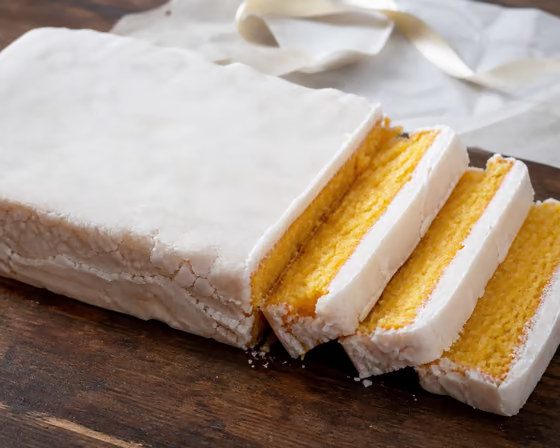 Catalogue image
 Vizela Bolinhol
The rectangular sponge cake dressed in sugar.
The North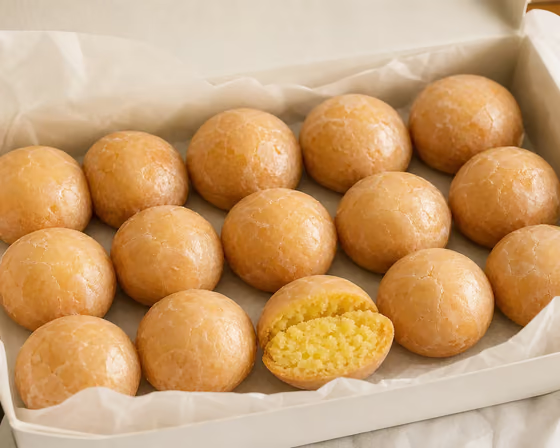 Catalogue image
 Love Cakes
Soft little balls of egg and sugar, scented with lemon — the sweet of Penafiel's São Martinho fair.
The North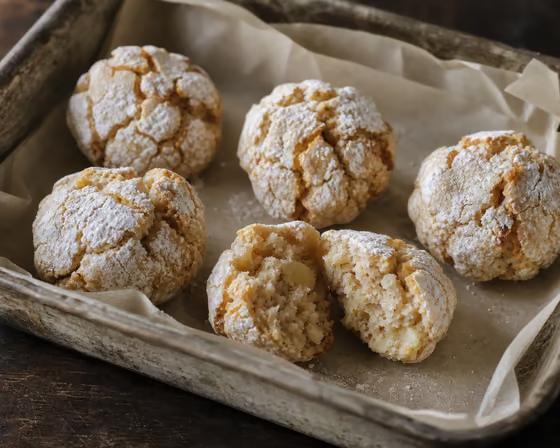 Catalogue image
 Armamar Apple Cakes
Small round mountain-apple, walnut and coconut cakes, flour-dusted, fissured and oven-baked.
The North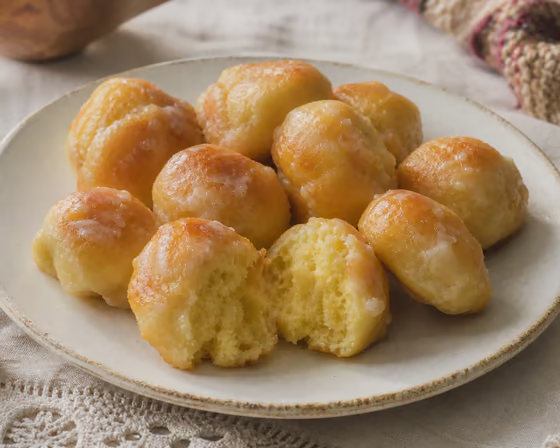 Catalogue image
 Cinfães Butter Cakes (Matulos)
Yeasted butter cakes, baked golden and coated in a pale sugar glaze.
The North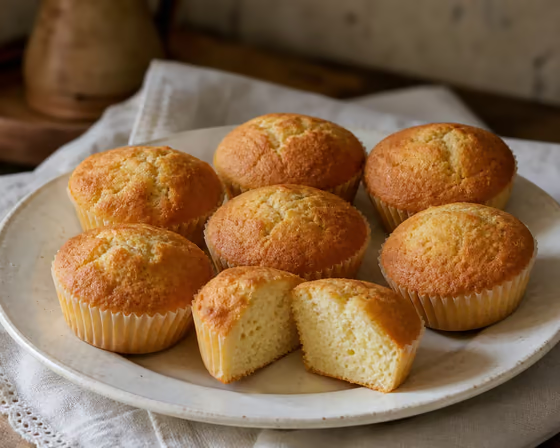 Catalogue image
 Trás-da-Matriz Cakes
Small olive-oil and orange cakes documented in Ponte de Lima's pastry tradition.
The North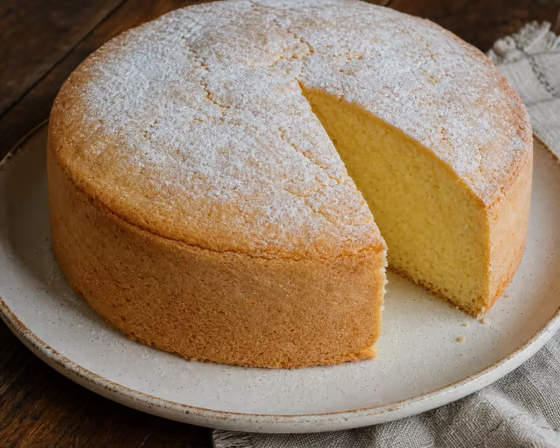 Catalogue image
 Ponte da Barca White Cake
A pale sponge-and-egg cake tied to Ponte da Barca’s older sweet tradition.
The North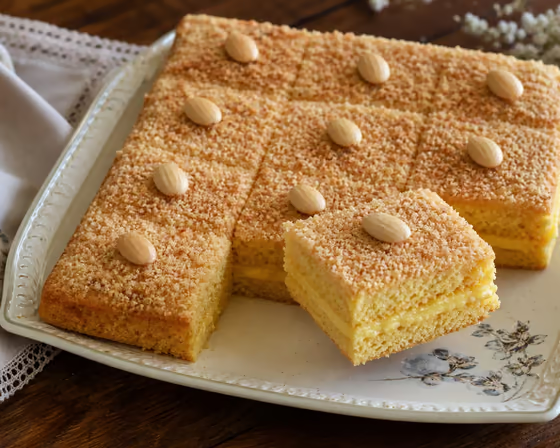 Catalogue image
 Santa Maria da Feira Almond Cake
Two moist almond layers joined with egg-and-butter cream.
The North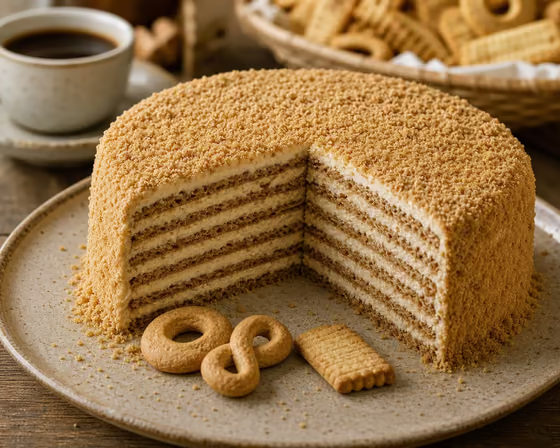 Catalogue image
 Valongo Biscuit Cake
Chilled layers of traditional Valongo biscuits, coffee and yolk-enriched buttercream.
The North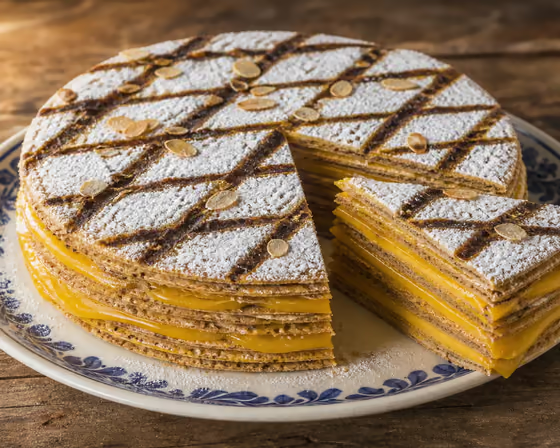 Catalogue image
 Arcos de Valdevez Almond Disc Cake
Thin almond-meringue discs stacked with generous layers of ovos moles.
The North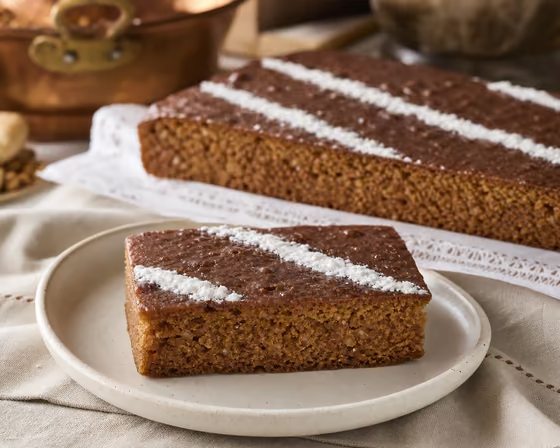 Catalogue image
 Terras da Nóbrega Honey Cake
A rectangular honey-and-walnut cake created in Ponte da Barca to celebrate the area's produce.
The North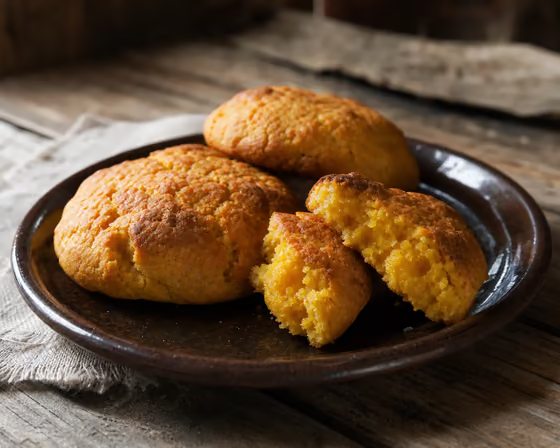 Catalogue image
 Arouca Pumpkin Broa
A rustic yellow-golden sweet broa made with pumpkin from the Freita Mountains.
The North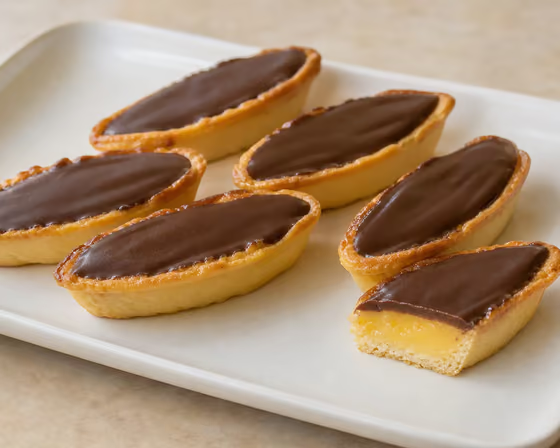 Catalogue image
 Cávado Breeze Pastries
Vanilla boats with egg custard and a chocolate cap.
The North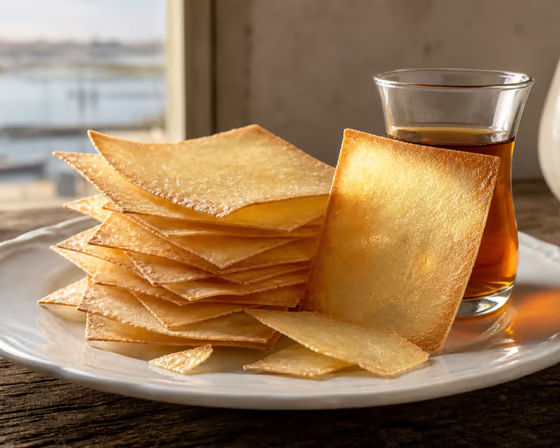 Catalogue image
 Cacos (French Biscuits)
Valongo's French biscuit: exceptionally thin, square and crisp.
The North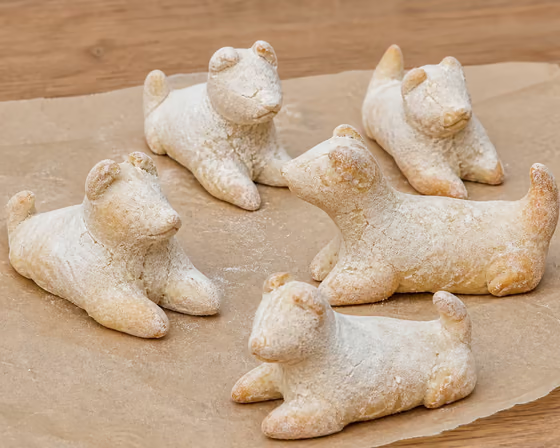 Catalogue image
 Cães do Marco Sweet-Dough Dogs
Little white dough dogs, keepsakes from the old fairs of Marco.
The North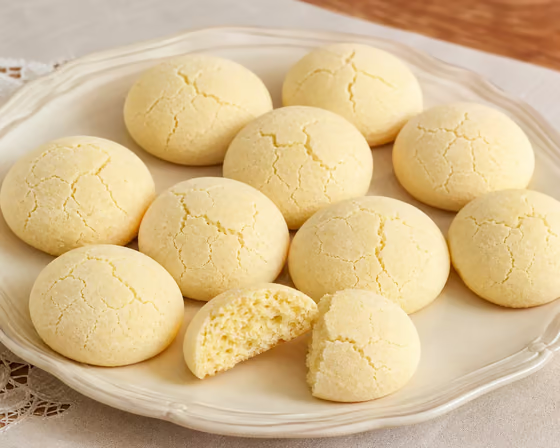 Catalogue image
 Caladinhos
Light egg, sugar and flour cakes—round, pale and delicately crisp.
The North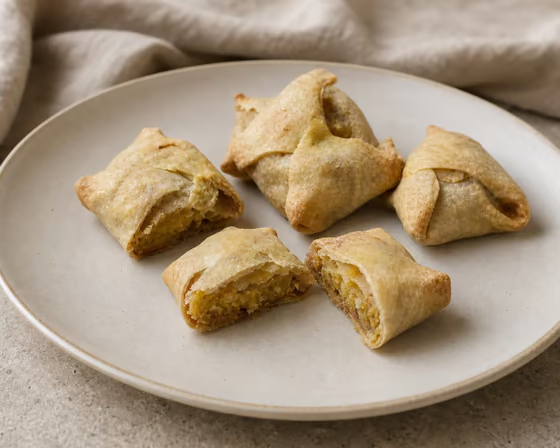 Catalogue image
 Ponte da Barca Capuchinhos
A hand-folded square puff-pastry parcel filled with egg, honey and chestnut.
The North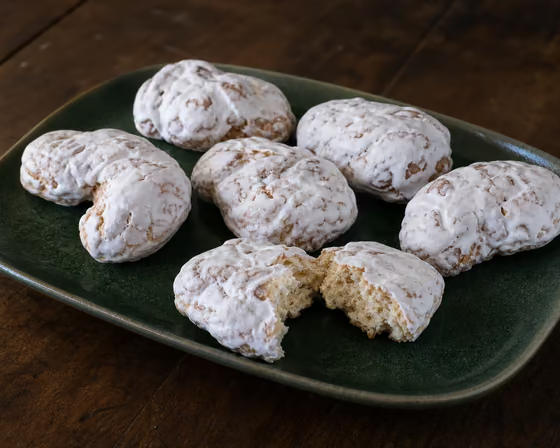 Catalogue image
 Arouca Cavacas
Oval regional cakes, wrinkled by a wood-fired oven and covered with a white sugar shell.
The North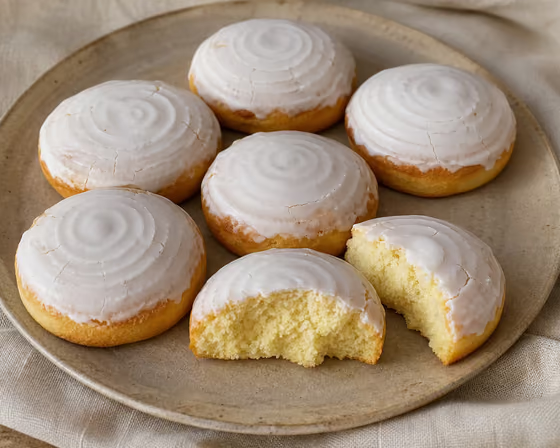 Catalogue image
 Margaride Cavacas
Small round yolk cakes, light as sponge and hand-swirled with white icing.
The North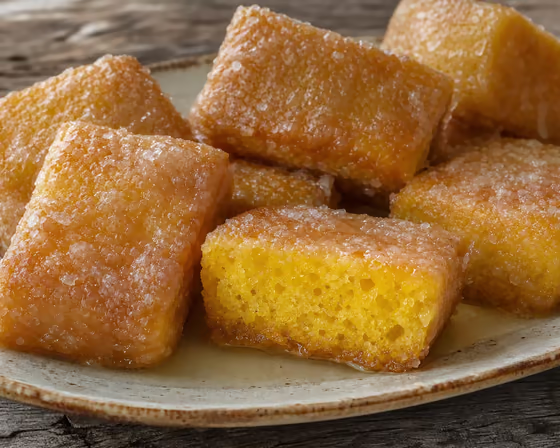 Catalogue image
 Resende Cavacas
Sponge cake drenched in syrup, dressed in white sugar.
The North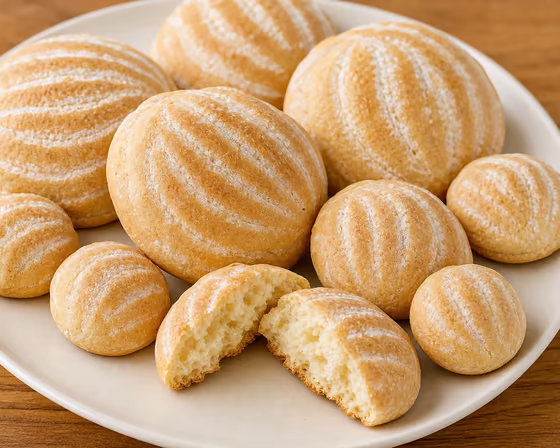 Catalogue image
 Marco Cavacas
Pale ridged cavacas sold in large and small sizes around Marco.
The North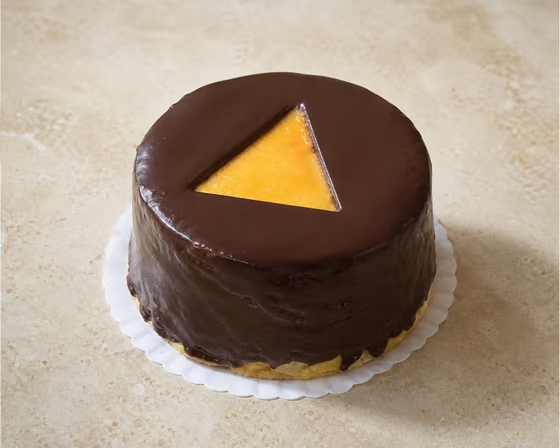 Catalogue image
 Portuguese Cepo Chocolate Cake
A roulade slice with sweet egg cream, chocolate and a geometric golden window.
The North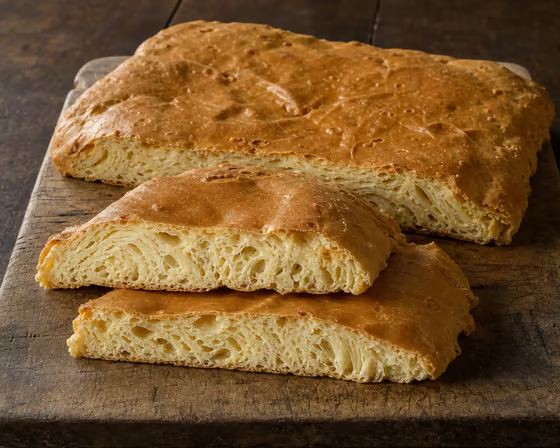 Catalogue image
 Tabosa do Carregal Fálgaros
A large unsweetened festive bake of flour, eggs and fresh cheese, made in the village's communal oven.
The North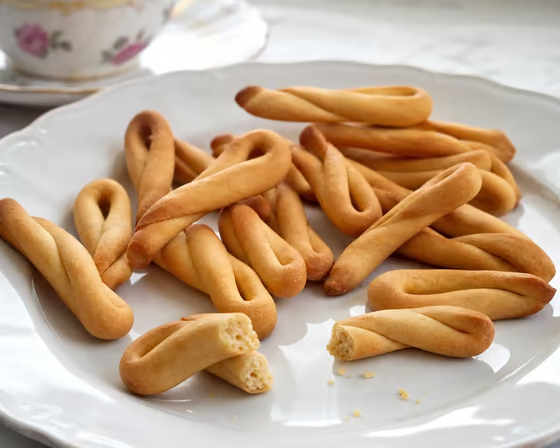 Catalogue image
 Braga Fidalguinhos
The interlaced biscuit that mocks the dangling legs of the nobility.
The North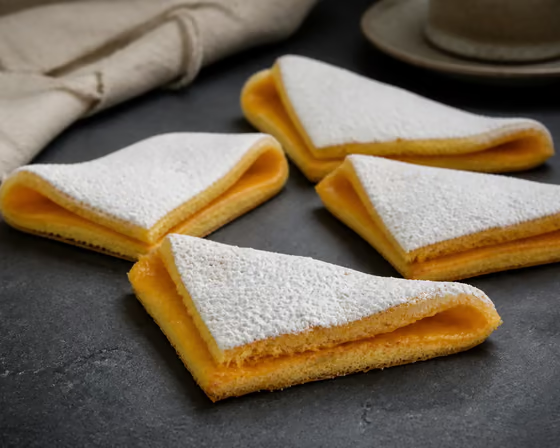 Catalogue image
 Viana Handkerchief Pastry
A sweet folded like a handkerchief, documented at pastry shops in the Viana do Castelo municipality.
The North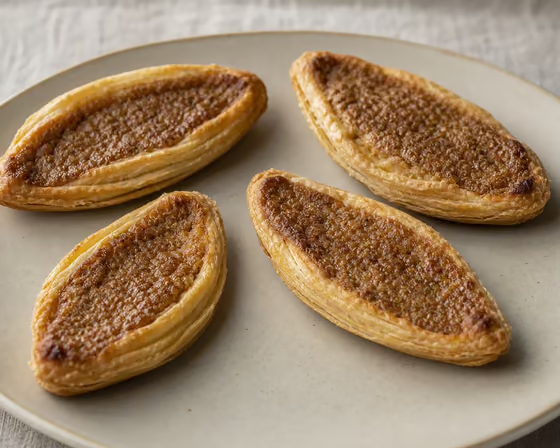 Catalogue image
 Ponte da Barca Magalhães
A pointed open puff-pastry boat with a dense walnut-and-honey filling.
The North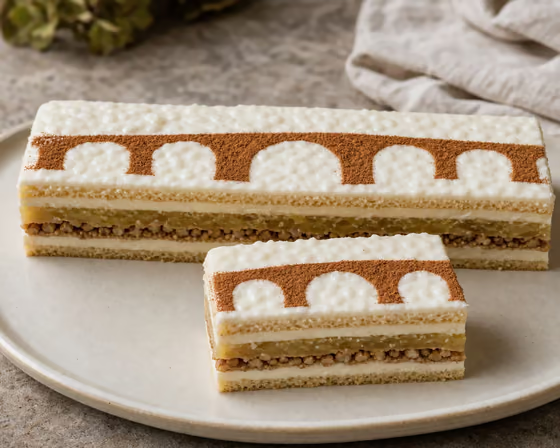 Catalogue image
 Ponte de Lima Maravilha Cake
Layers of sponge, apple, honey, cider and walnut beneath rice pudding marked with a cinnamon bridge.
The North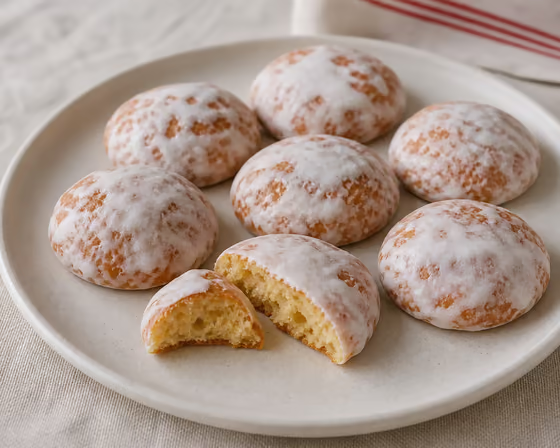 Catalogue image
 Arouca Melindres
Small fluffy egg cakes covered all over with white sugar glaze.
The North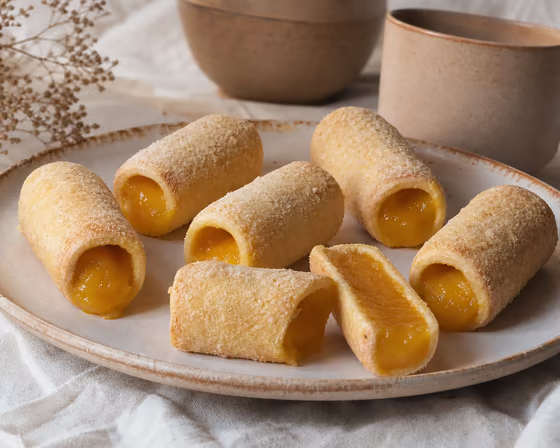 Catalogue image
 Cabeceiras de Basto Miguelitos
Crisp yellow-bean and Vinho Verde rolls filled with egg and honey.
The North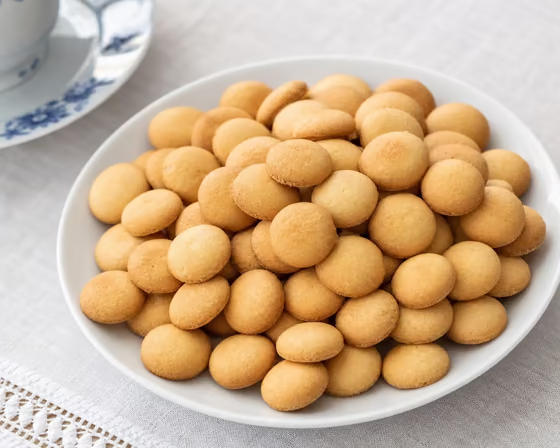 Catalogue image
 Braga Patience Biscuits
Tiny round, dry and crisp sugar-and-egg biscuits.
The North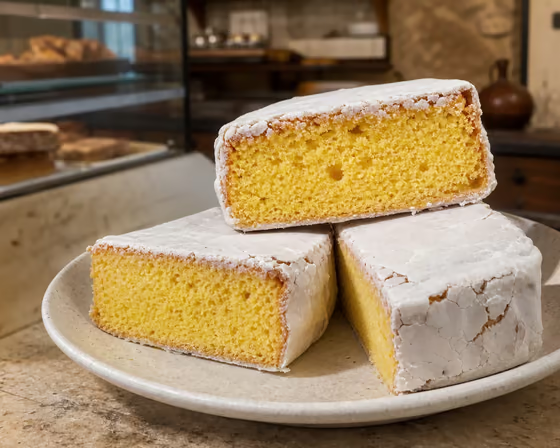 Catalogue image
 Arouca Glazed Sponge Cake
Light sponge cake sold in slices under a white sugar glaze.
The North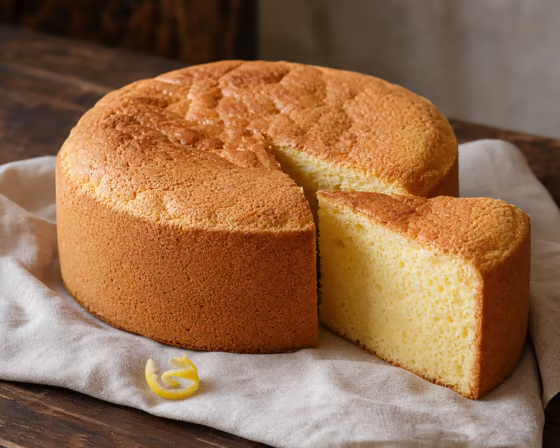 Catalogue image
 Guimarães Lemon Sponge Cake
A light golden Guimarães sponge fragrant with lemon zest.
The North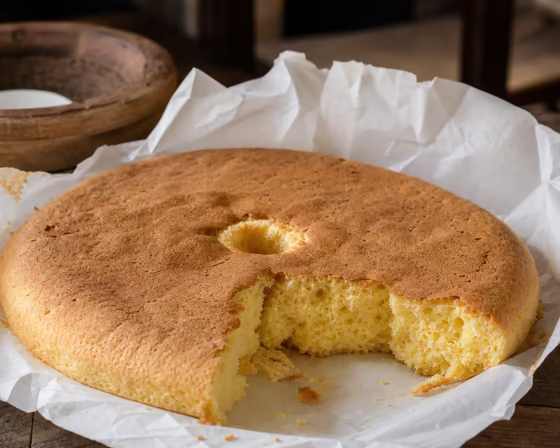 Catalogue image
 Margaride Sponge Cake
An exceptionally light, dry ring sponge, clay-baked and traditionally torn by hand.
The North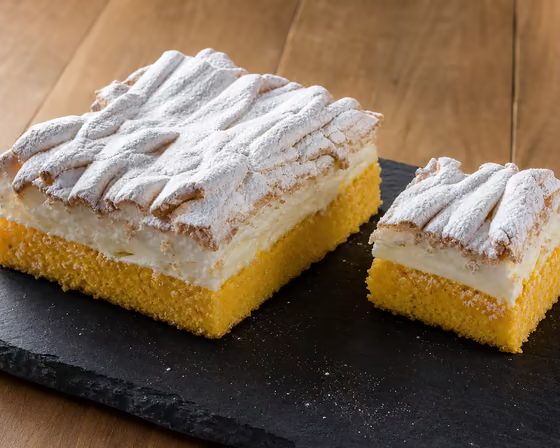 Catalogue image
 Burguês Meringue Pão-de-ló
A square sponge cake with a creamy middle and a tall crown of crystallised meringue.
The North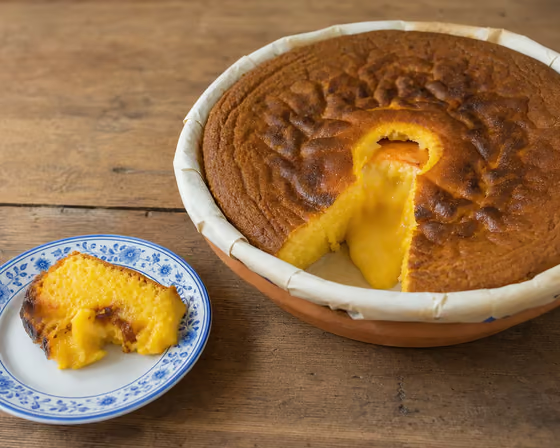 Catalogue image
 Celorico de Basto Pão-de-ló
A large ring-shaped sponge with a dark crust and a very moist golden centre.
The North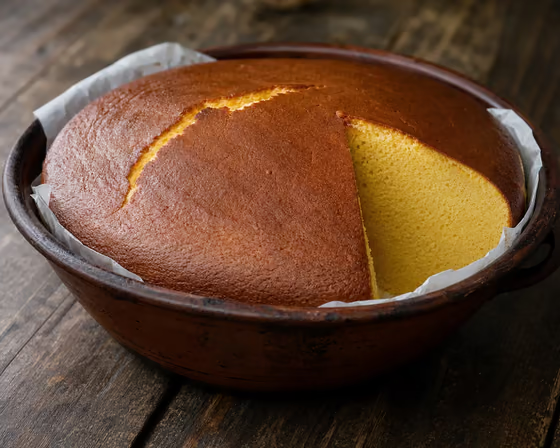 Catalogue image
 Fafe Sponge Cake
A tall, dry and very fluffy yolk-rich sponge baked in paper inside earthenware forms.
The North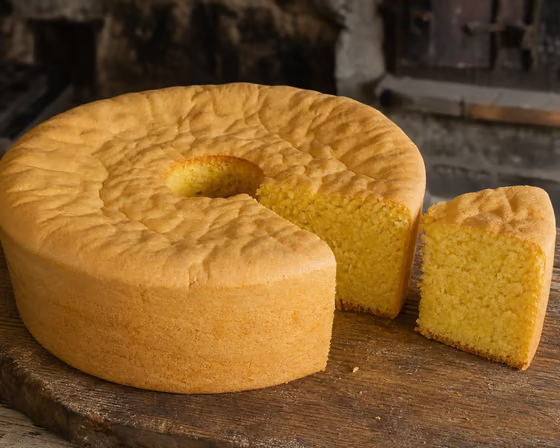 Catalogue image
 Soajo Pão-de-ló
A tall ring sponge with a pale crust and a yellow crumb moister than the standard style.
The North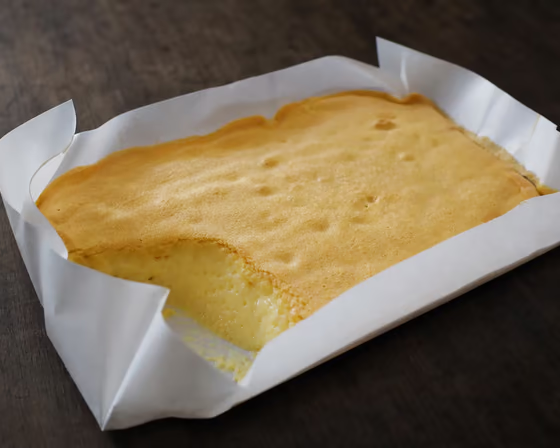 Catalogue image
 Vale de São Domingos Sponge Cake
A rectangular, exceptionally soft and creamy sponge cake made individually with eggs, sugar and flour.
The North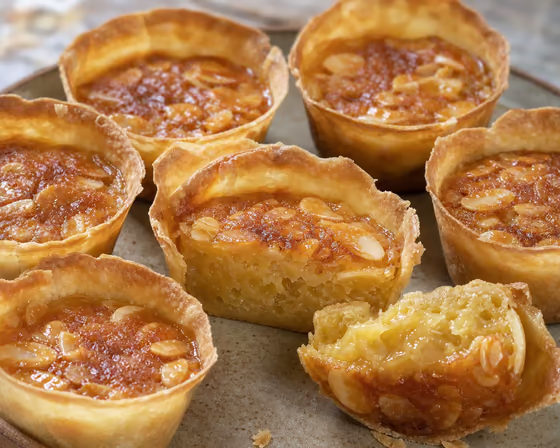 Catalogue image
 Vimioso Almond Tarts
A Trás-os-Montes tart with an almost transparent shell and moist egg-yolk-and-almond filling.
The North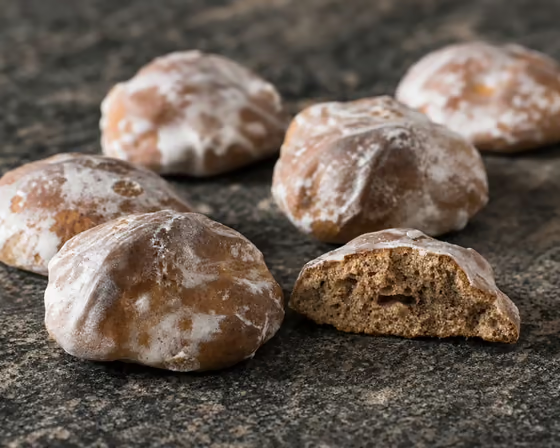 Catalogue image
 Arouca Pedras Parideiras Cakes
Small rye-and-walnut cakes with sugar glaze, inspired by one of Arouca's remarkable geosites.
The North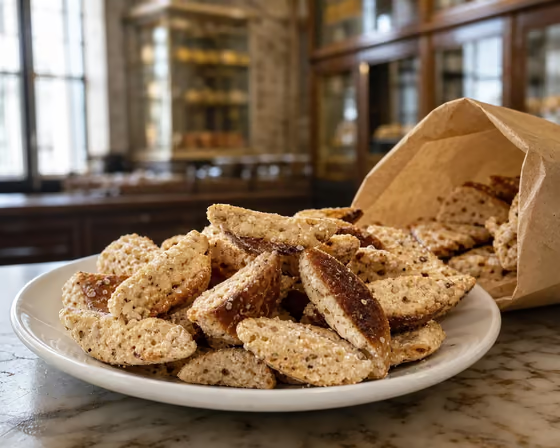 Catalogue image
 Santo Tirso Pivetes
The small rustic dry biscuits sold by the bag at Confeitaria Moura.
The North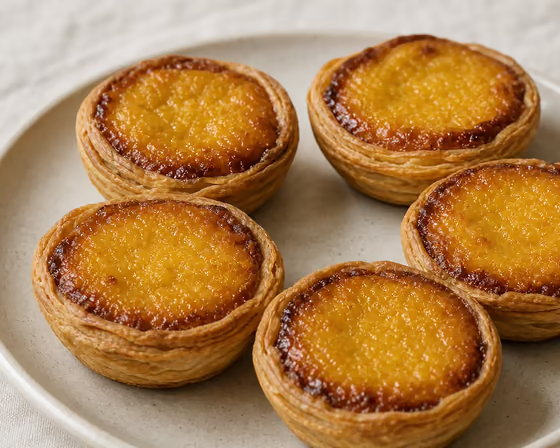 Catalogue image
 Ponte da Barca Orange Queijadas
A small tart with a layered rim and golden orange centre, preserved for generations by the Pimenta family.
The North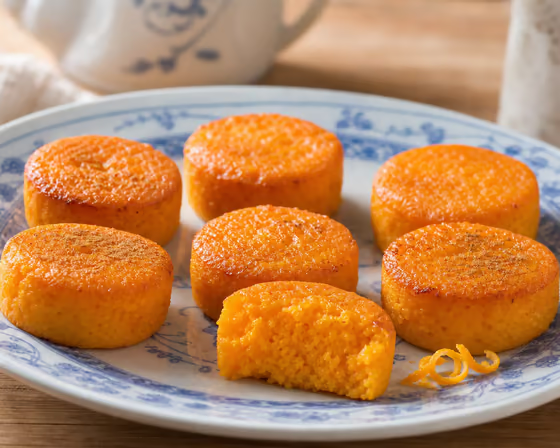 Catalogue image
 Oliveira de Azeméis Carrot Queijadinhas
Small shell-free queijadas with no cheese, moist with carrot and scented with orange and cinnamon.
The North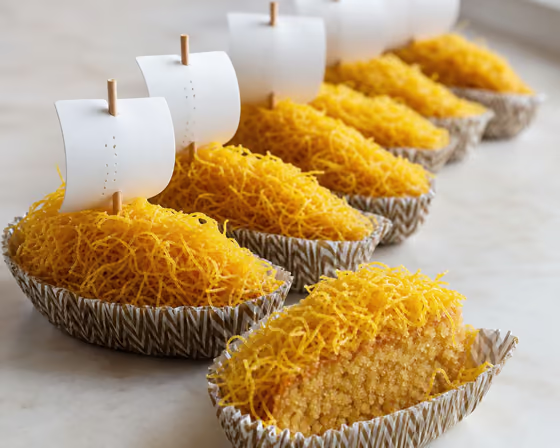 Catalogue image
 Régua Rabelo Boat Cakes
Little sweet boats of rice, maize and almond, with a mast and sail above golden strands.
The North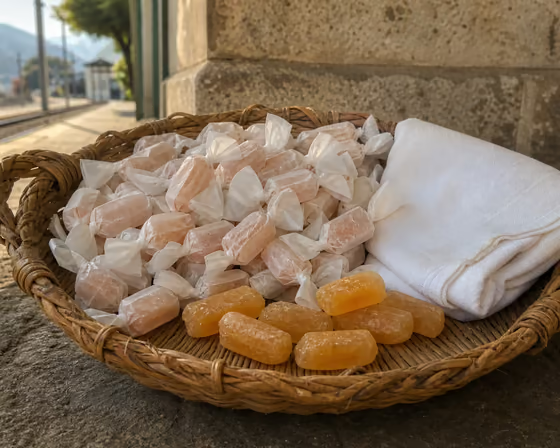 Catalogue image
 Régua Candies
Amber sugar-and-lemon candies, hand-cut and sold by the Rebuçadeiras.
The North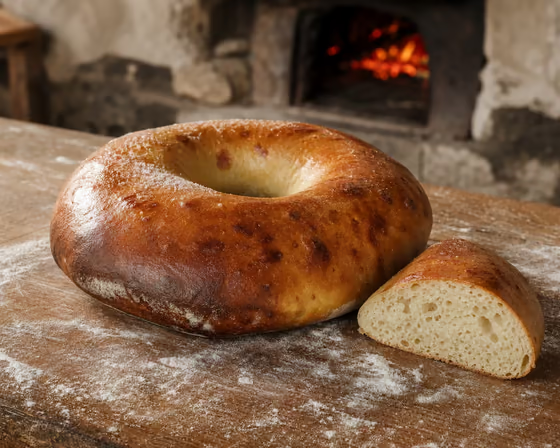 Catalogue image
 Ul Sweet Regueifa
A cinnamon sweet bread opened by hand into a ring and baked in a wood-fired oven.
The North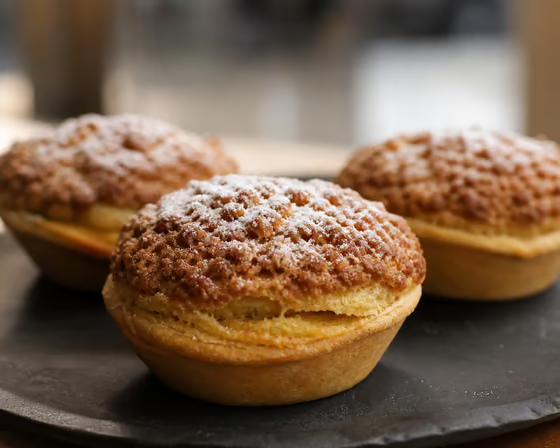 Catalogue image
 Citânia Rock Pastries
An almond-and-coconut pastry with a craggy crown recalling the stonework of ancient Citânia de Sanfins.
The North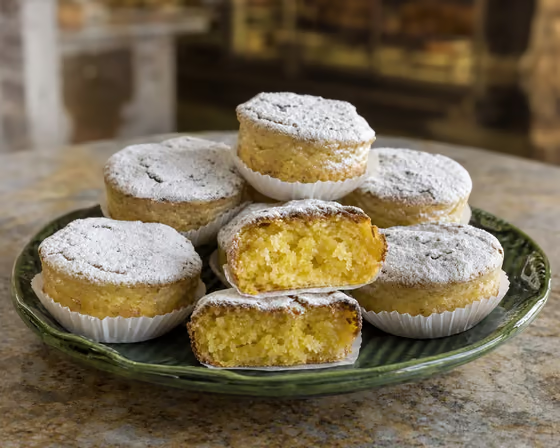 Catalogue image
 Pilar Rock Cakes
Small egg, coconut and almond cakes dusted white like pale rocks.
The North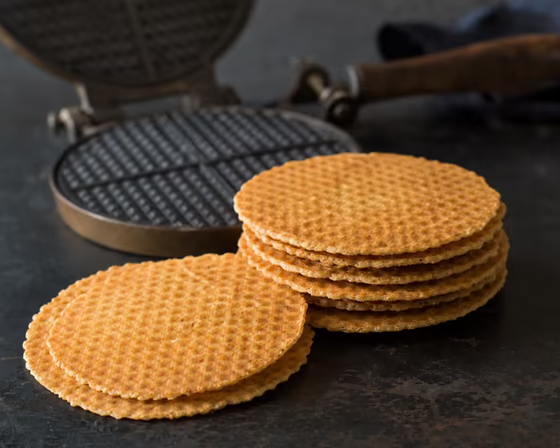 Catalogue image
 Braga Iron Biscuits
Thin gridded biscuits pressed in a hinged iron.
The North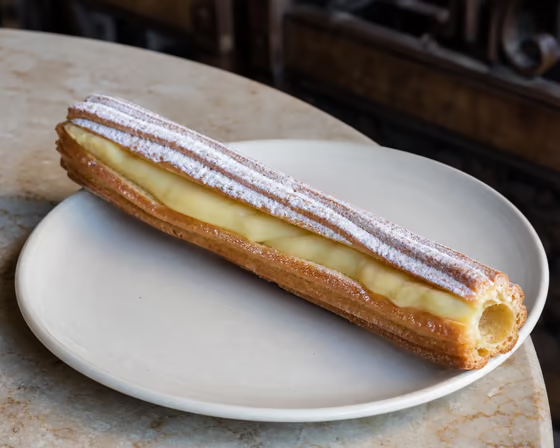 Catalogue image
 Braga Cream Tíbias
An elongated ridged pastry shell split and filled with cream.
The North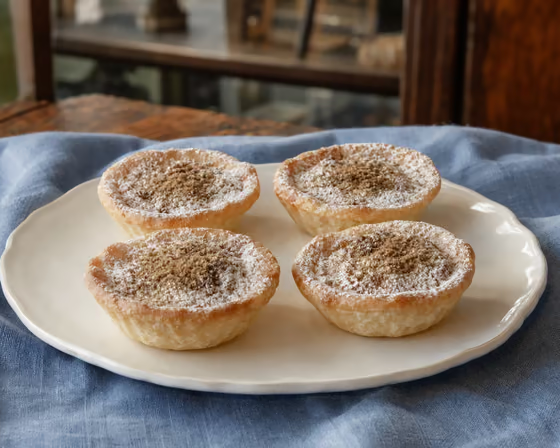 Catalogue image
 Santo Tirso Tirsense
A proprietary speciality from the historic Confeitaria Moura.
The North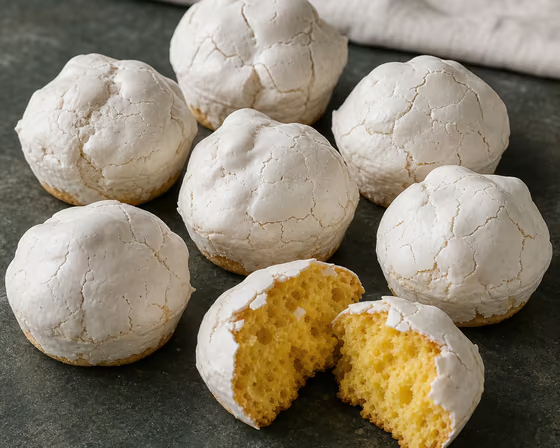 Catalogue image
 Oliveira de Azeméis Zamacóis
A highly puffed, yolk-rich little cake enclosed in a crisp white shell.
The North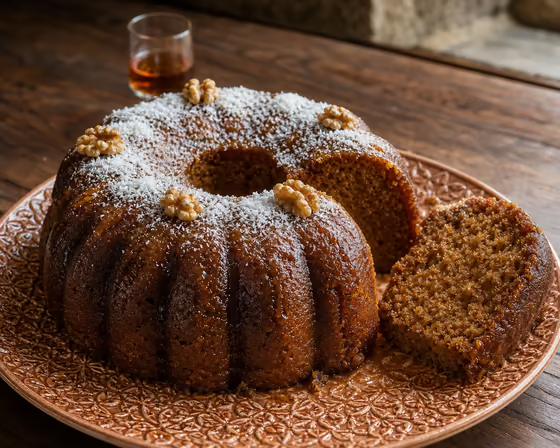 Catalogue image
 Douro Port-Soaked Cake
A rich egg-and-butter cake soaked while hot in a generous Port-wine syrup.
Trás-os-Montes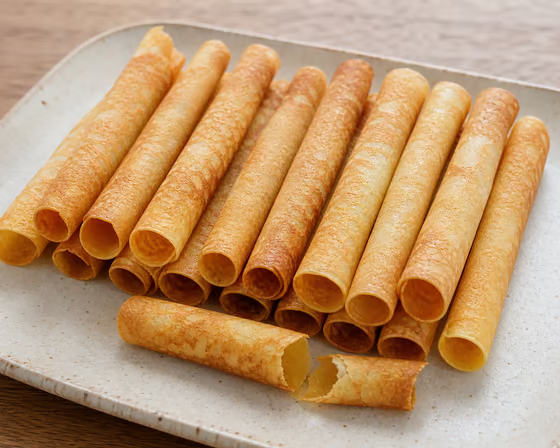 Catalogue image
 Peredo dos Castelhanos Canelões
Thin cinnamon wafers, iron-pressed and rolled while still warm.
Trás-os-Montes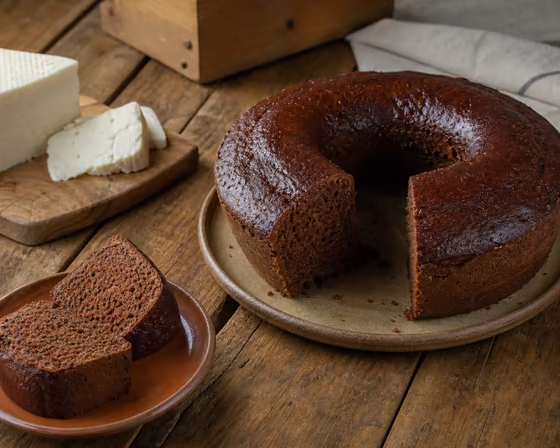 Catalogue image
 Moncorvo Dark Cinnamon Cake
A dark home-baked cinnamon and aguardente cake for weddings and christenings.
Trás-os-Montes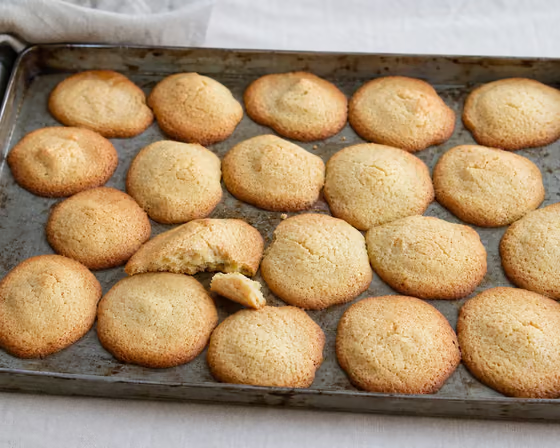 Catalogue image
 Bragança Súplicas
Egg, sugar and flour biscuits documented in Bragança tradition and studied by the local Polytechnic Institute.
Trás-os-Montes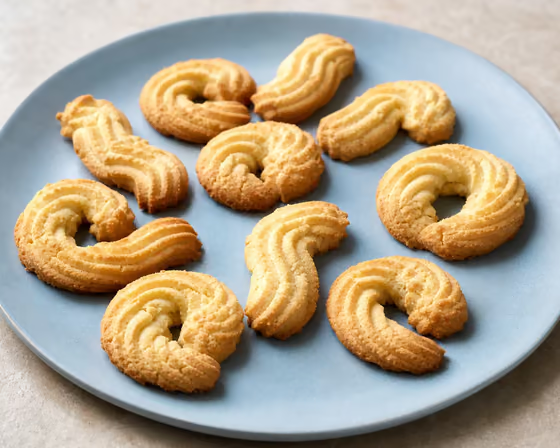 Catalogue image
 Ílhavo Piped Butter Biscuits
Regional buttery biscuits piped into deeply ridged rings and curves.
The Centre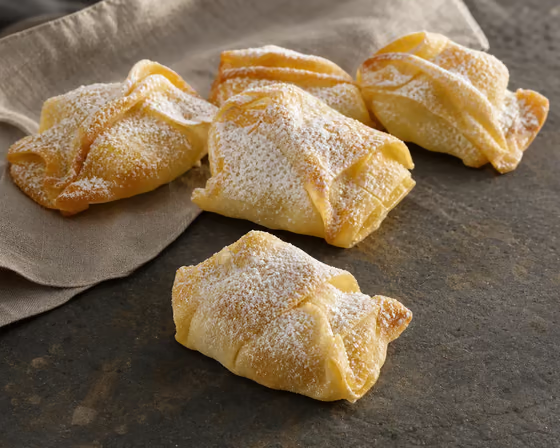 Catalogue image
 Saint Friar Gil’s Saddlebags
The small saddlebag-shaped pastry created at Vouzela’s vocational school and recognised as an innovative sweet.
The Centre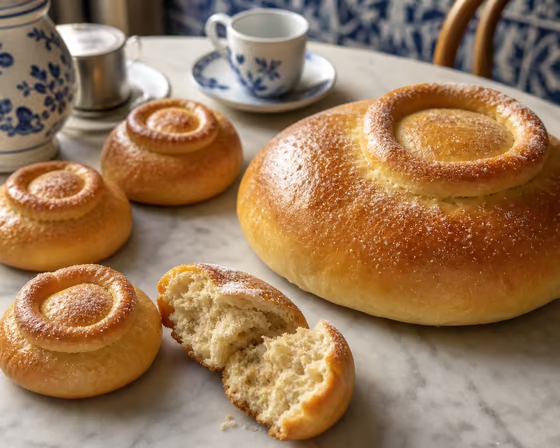 Catalogue image
 Arrufada de Coimbra
Coimbra's light, fragrant sweet bread, given by godparents at Easter.
The Centre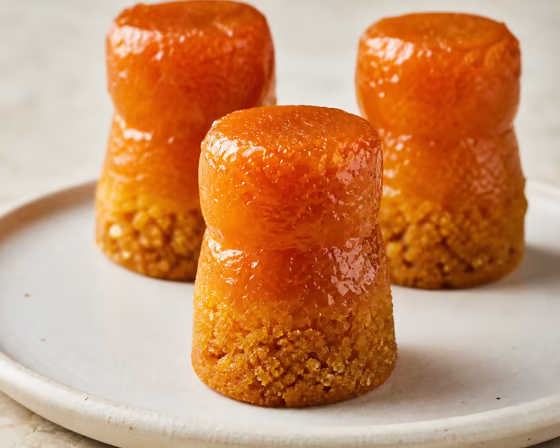 Catalogue image
 Anadia Bairradinos
A Bairrada sparkling-wine, almond and egg sweet shaped like a cork.
The Centre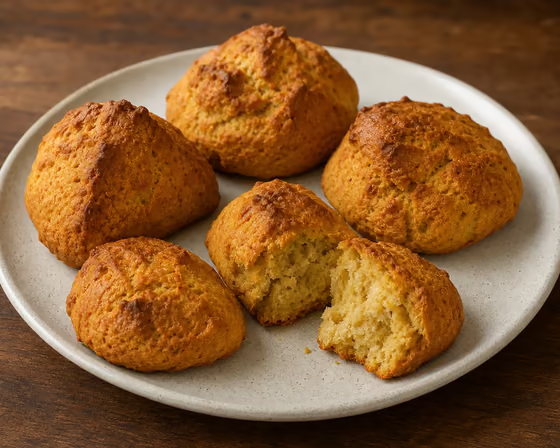 Catalogue image
 Mondegão Olive-Oil Biscuit
A tall rustic biscuit scented with lemon and Mondegão olive oil.
The Centre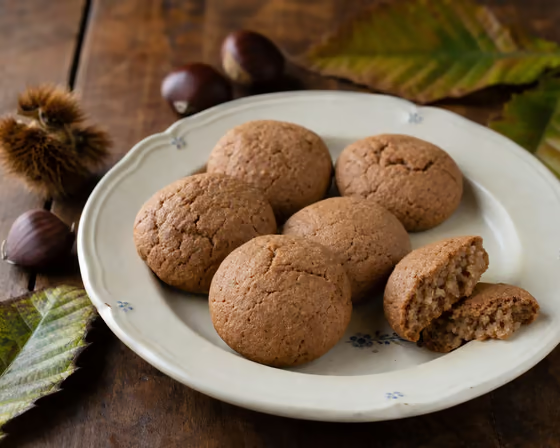 Catalogue image
 Chestnut Biscuit
A brown biscuit that brings Penedono chestnuts into the pastry case.
The Centre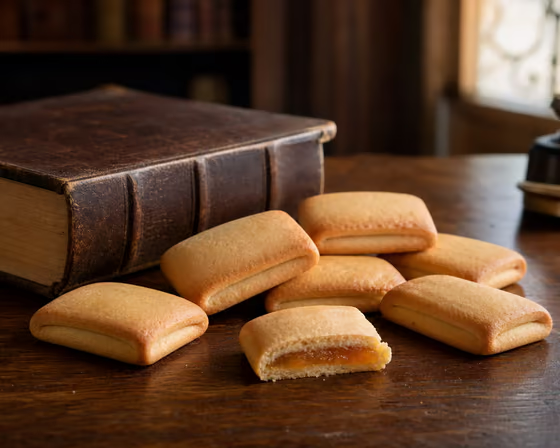 Catalogue image
 Coimbra Academic Biscuits
Tiny butter-biscuit books filled with Coimbra peach preserve.
The Centre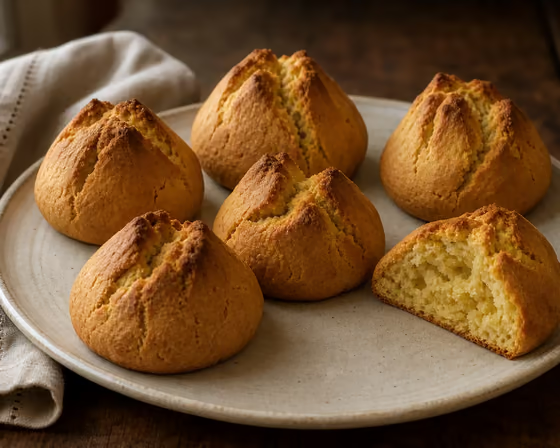 Catalogue image
 Guarda Biscuits
Rustic little volcano-shaped cakes baked in the bread oven's heat.
The Centre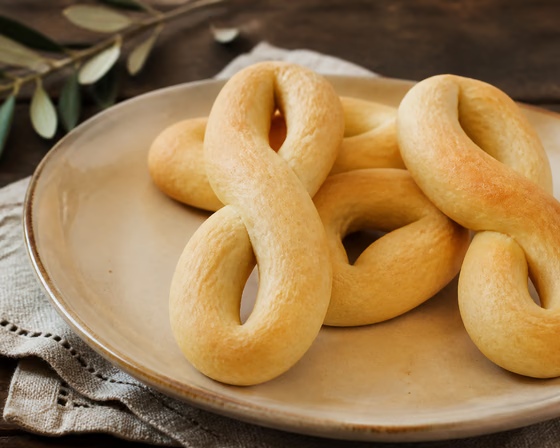 Catalogue image
 Soure Olive-Oil Biscuits
Soure's yeast-raised olive-oil biscuit, shaped by hand into a figure eight.
The Centre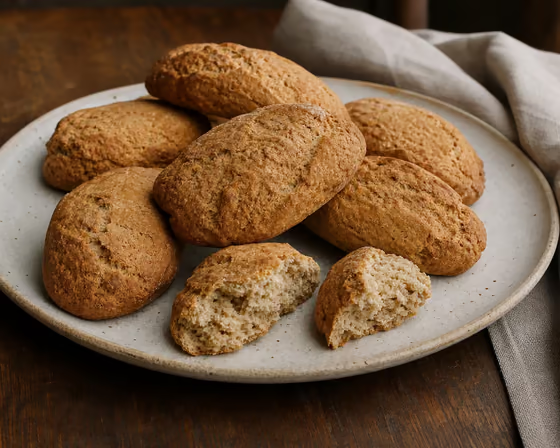 Catalogue image
 Escalhão Biscuits
Oval bran-flecked cakes with hot olive oil and brandy, baked in a wood-fired oven.
The Centre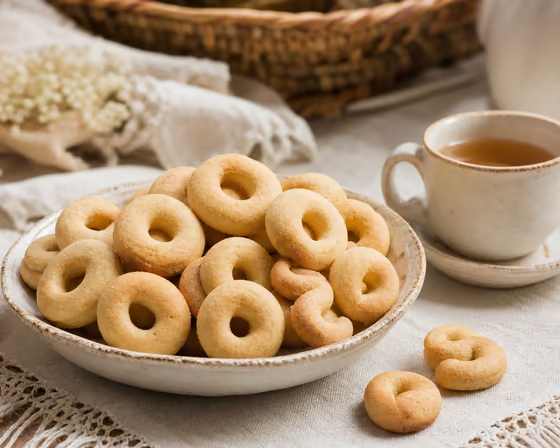 Catalogue image
 Juncal Biscuits
Rings and S-shapes of flour, eggs, sugar and lemon, without additives.
The Centre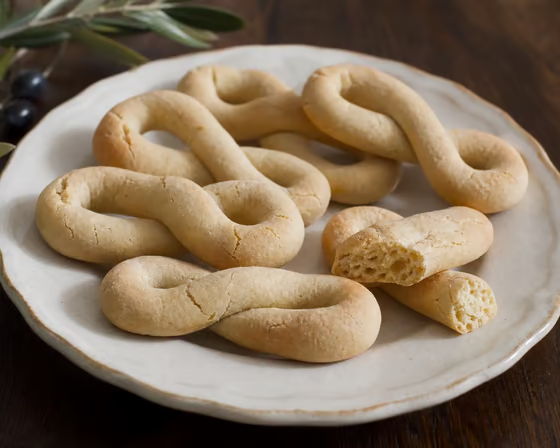 Catalogue image
 Louriçal Olive-Oil Biscuits
Pale figure-eight rusks made from bread dough and mild olive oil.
The Centre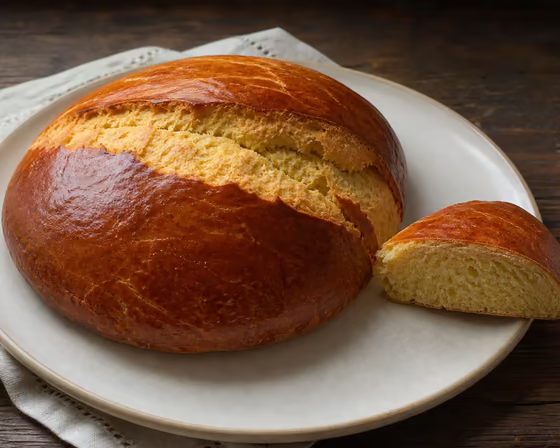 Catalogue image
 Alhadas Sweet Bread
An artisanal lemon-and-cinnamon sweet bread guarded by a secret family recipe.
The Centre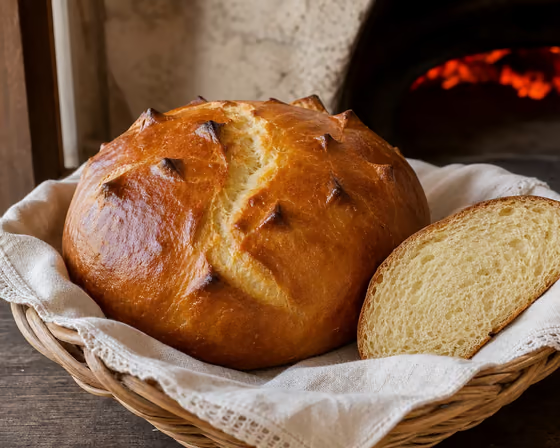 Catalogue image
 Ançã Sweet Bread
A lightly sweet, soft golden Easter bread marked by little crests.
The Centre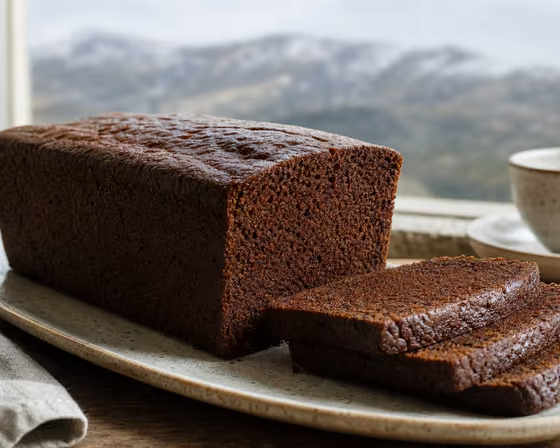 Catalogue image
 Loriga Black Cake
Portuguese with a faint English accent, stained with cinnamon.
The Centre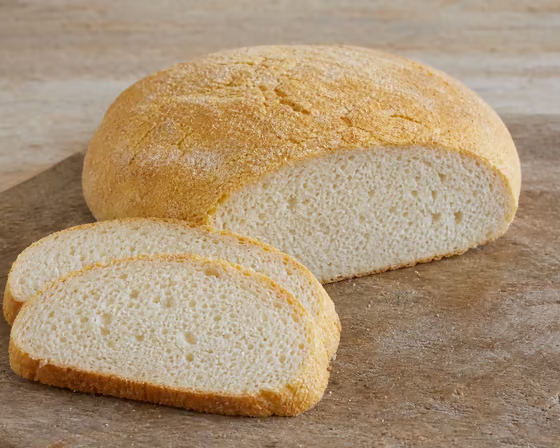 Catalogue image
 Loriga White-Maize Broa
A white-maize broa born in Loriga's communal ovens.
The Centre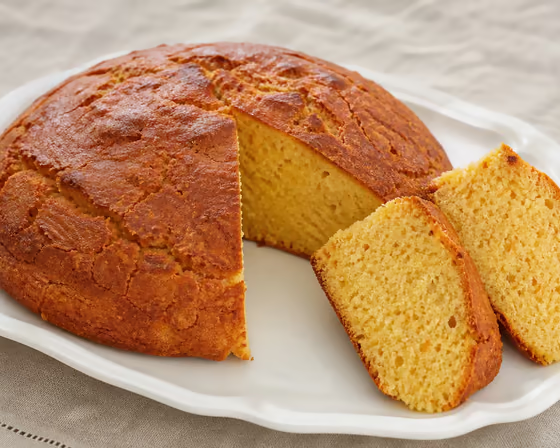 Catalogue image
 Arganil Sweet-Potato Broa
A tall sweet-potato and white-maize broa born in Côja's old communal ovens.
The Centre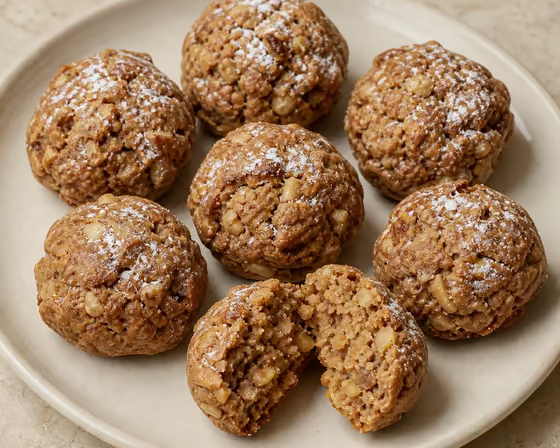 Catalogue image
 Calafates Walnut Cakes
The rustic walnut cake honouring the craftsmen who maintained the Tagus boats.
The Centre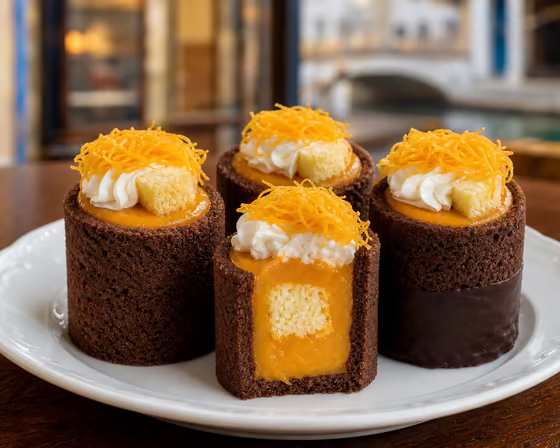 Catalogue image
 Aveiro Chocolate Sponge Cartridges
A chocolate-sponge cylinder filled with ovos-moles and crowned with egg threads.
The Centre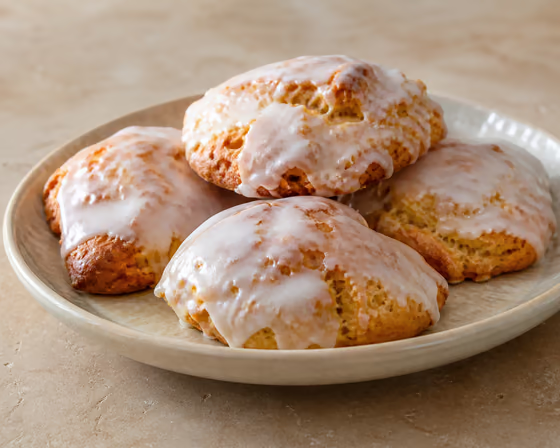 Catalogue image
 Covilhã Cavacas
A Covilhã signature sweet and 2019 district finalist whose local formula remains unpublished.
The Centre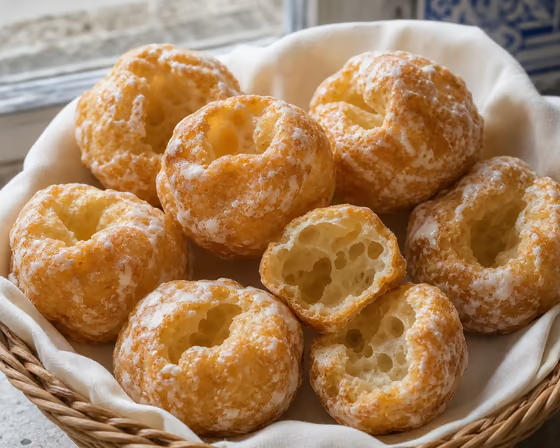 Catalogue image
 Luso Sugar-Glazed Cavacas
Airy egg-white and olive-oil cavacas baked in shallow moulds and dipped in sugar syrup.
The Centre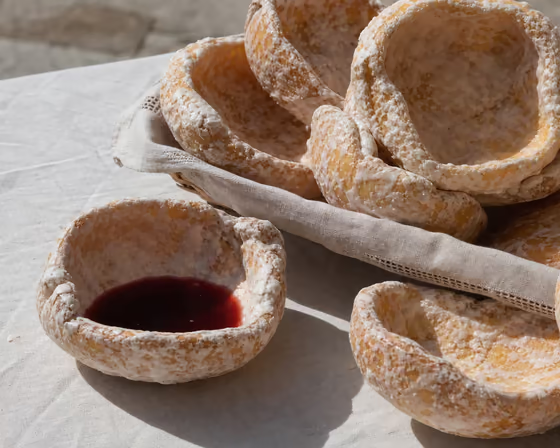 Catalogue image
 Viseu Wine-Bowl Cavacas
Large hollow sugar-glazed cavacas once used for drinking wine at pilgrim fairs.
The Centre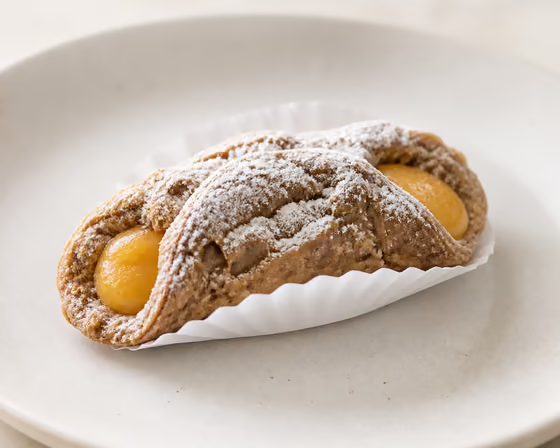 Catalogue image
 Guarda D. Sancho
A rye-pastry crescent filled with egg cream and a hint of Serra da Estrela cheese.
The Centre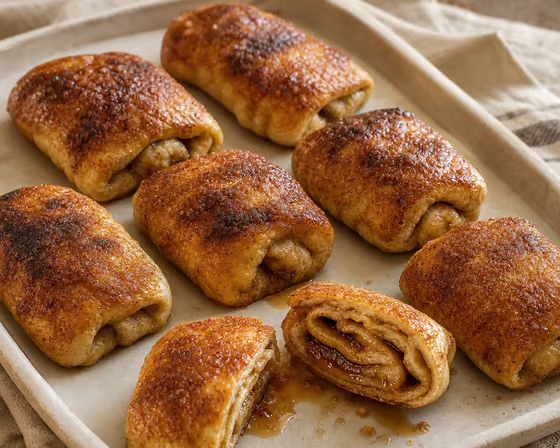 Catalogue image
 Condeixa-a-Nova Escarpiada
Folded bread dough with olive oil, brown sugar and cinnamon, enclosing its own sweet syrup.
The Centre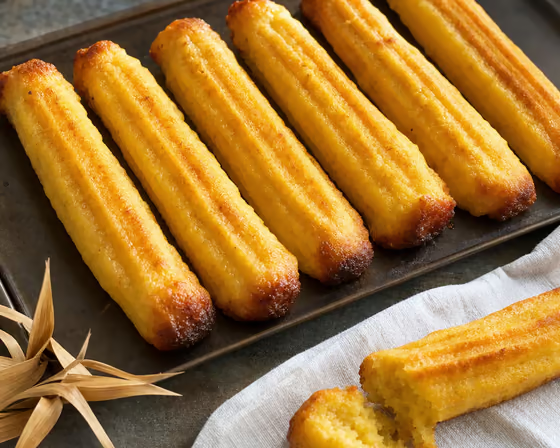 Catalogue image
 Montemor-o-Velho Sweet Corn Ears
Long ridged maize-and-wheat cakes shaped like golden ears of corn.
The Centre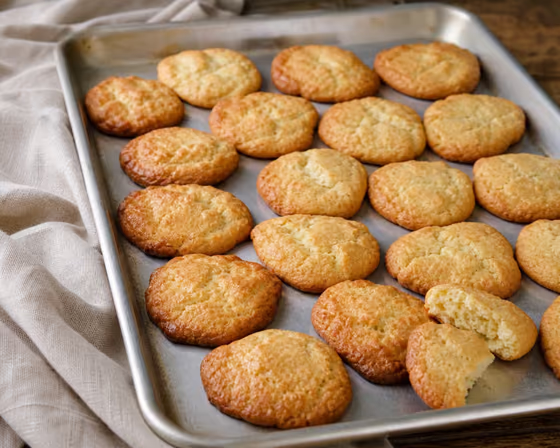 Catalogue image
 Guarda Esquecidos
Guarda's small yeast-raised cake, with a friable crust and porous crumb.
The Centre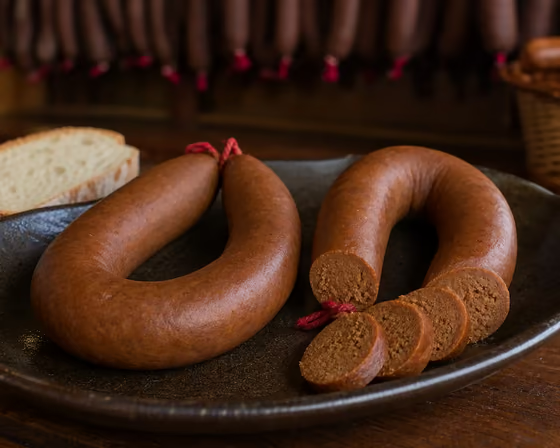 Catalogue image
 Tábua Sweet Farinheira
A sweet flour, sugar and cinnamon sausage, smoked for three days and marked with red cord.
The Centre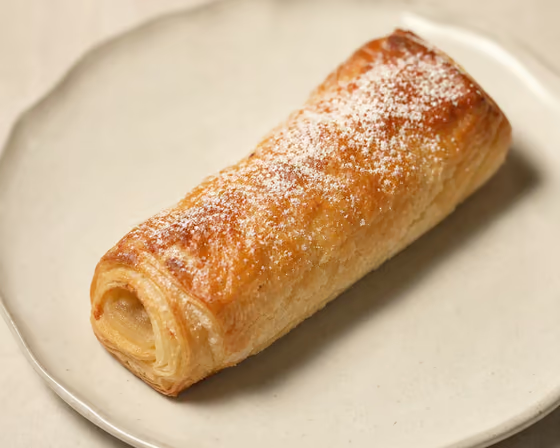 Catalogue image
 Covilhã Parsnip Fidalgo
A long, crisp puff pastry filled with sweet parsnip and dusted with sugar.
The Centre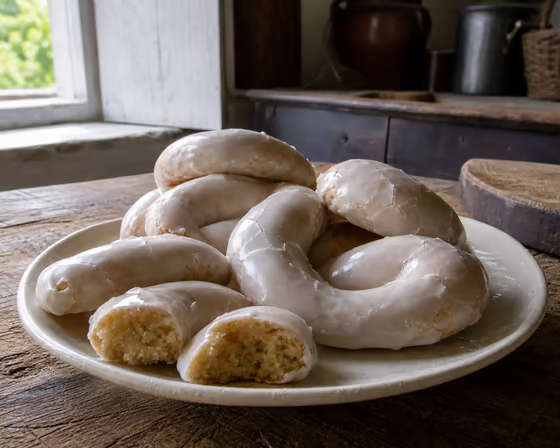 Catalogue image
 Águeda Fuzis
Águeda almond rings finished in a white sugar glaze.
The Centre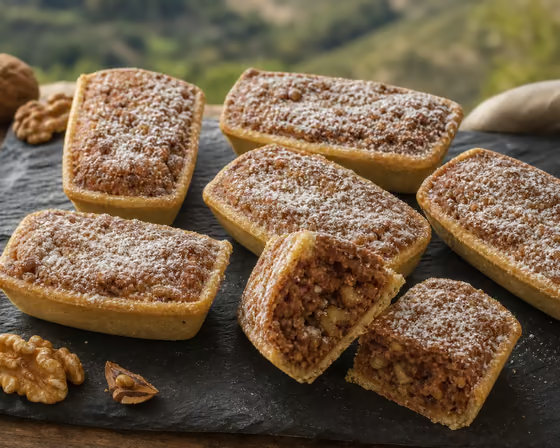 Catalogue image
 Góis Chestnut Gamelinhas
Small trough-shaped pastries filled with chestnut, walnut, honey, eggs and cinnamon.
The Centre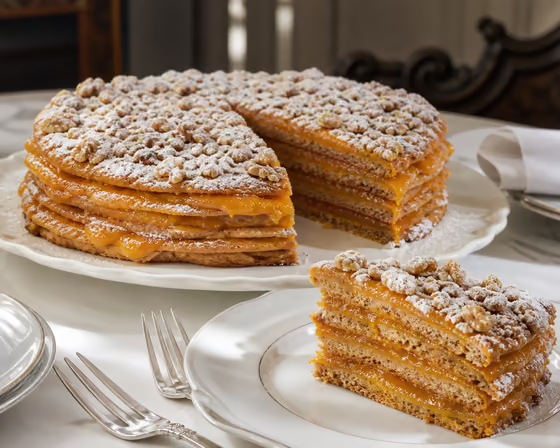 Catalogue image
 Bussaco Walnut Morgado
Walnut, egg-white and heather-honey discs layered with yolk sweet, born in the Bussaco Palace pastry kitchen.
The Centre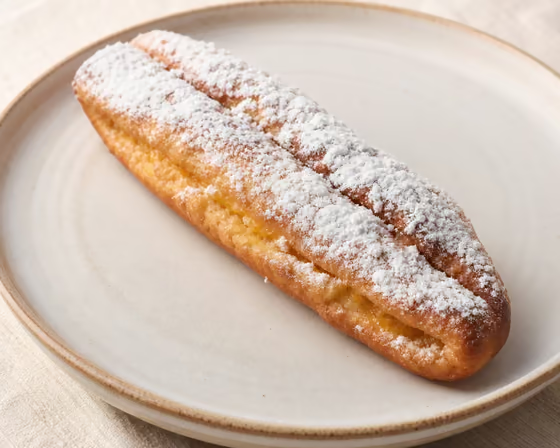 Catalogue image
 Covilhã Snow Cake
A long coconut pastry filled with egg cream beneath a snowfall of powdered sugar.
The Centre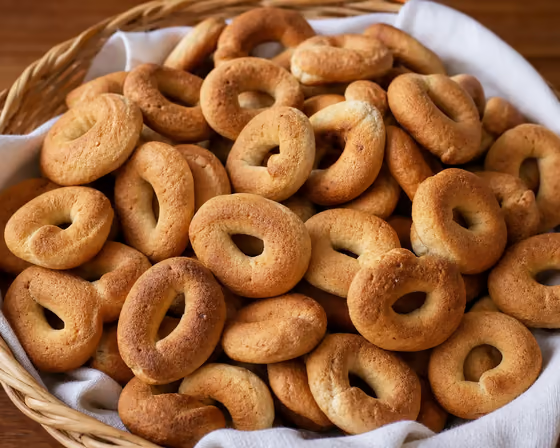 Catalogue image
 Albergaria Turcos Biscuits
The family of biscuits that became Albergaria-a-Velha’s best-known sweet.
The Centre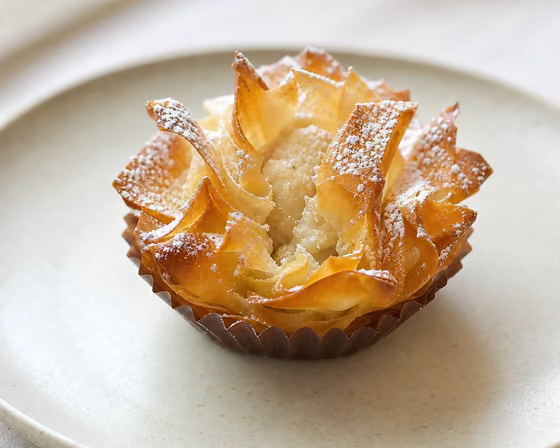 Catalogue image
 Seia Chestnut Burr
A crisp handmade filo flower with an intense chestnut-paste heart.
The Centre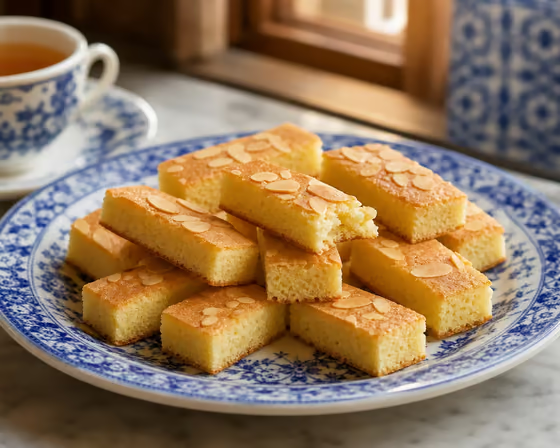 Catalogue image
 Aveiro Savoy Fingers
Dry strips of almond-topped sponge cake associated with Aveiro's sweet table.
The Centre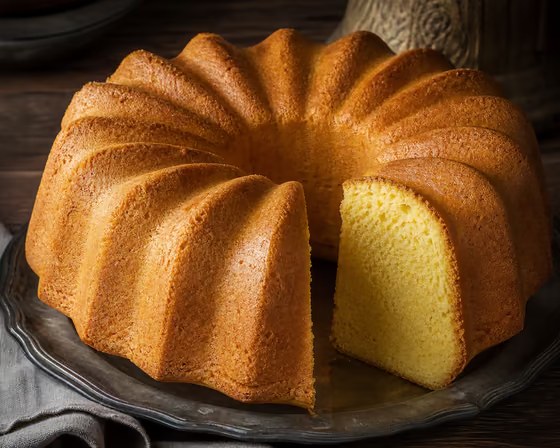 Catalogue image
 Figueiró dos Vinhos Sponge Cake
A tall golden convent sponge baked in a fluted ring mould.
The Centre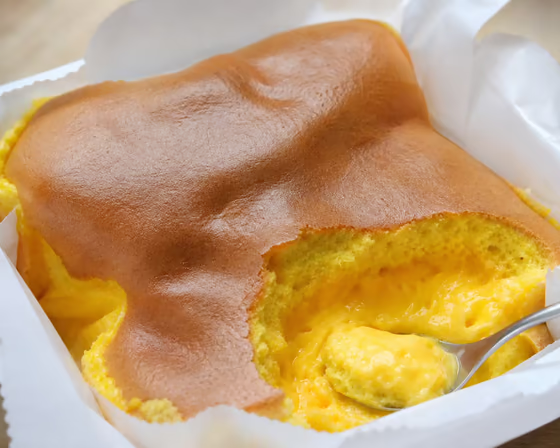 Catalogue image
 Ovar Sponge Cake PGI
A PGI-protected broa-shaped sponge with a creamy centre called pito.
The Centre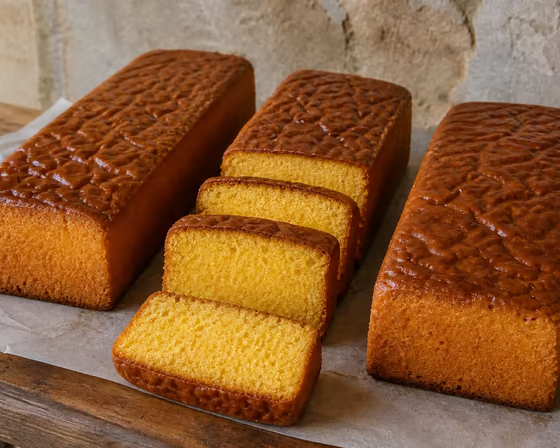 Catalogue image
 São Pedro do Sul Sponge Cake
A rectangular, yellow-crumbed sponge cake made slowly according to the traditions of the village of Sul.
The Centre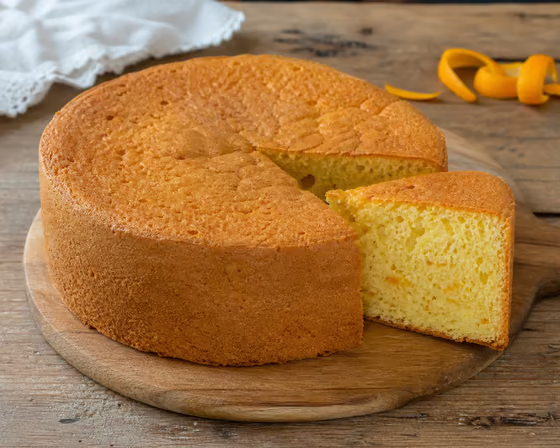 Catalogue image
 Vagos Orange Sponge Cake
A Vagos pão-de-ló distinguished by citrus and a lightly savoury edge.
The Centre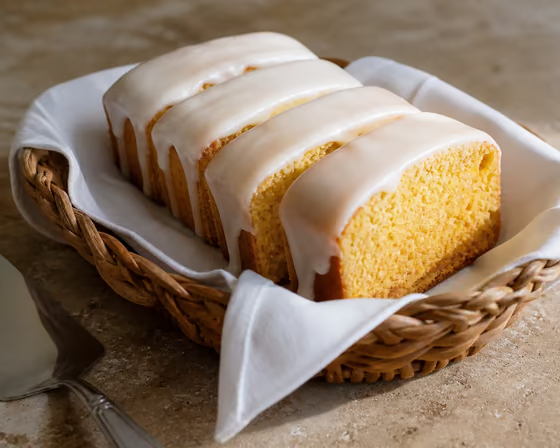 Catalogue image
 Corn Sponge with Lemon Sauce
Moist corn sponge served in slices beneath a white lemon sauce.
The Centre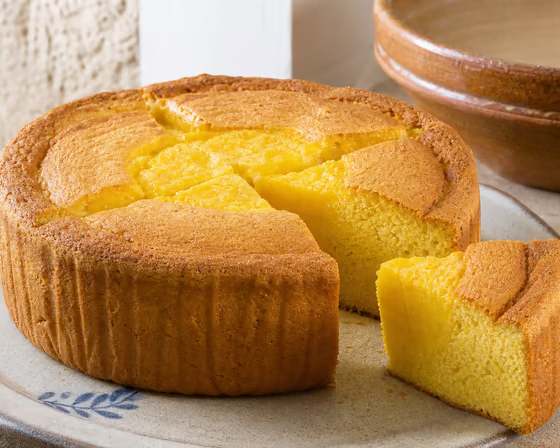 Catalogue image
 Soure Cross-Cut Sponge Cake
A tall 24-egg sponge cut into a cross during baking to create a moister yellow centre.
The Centre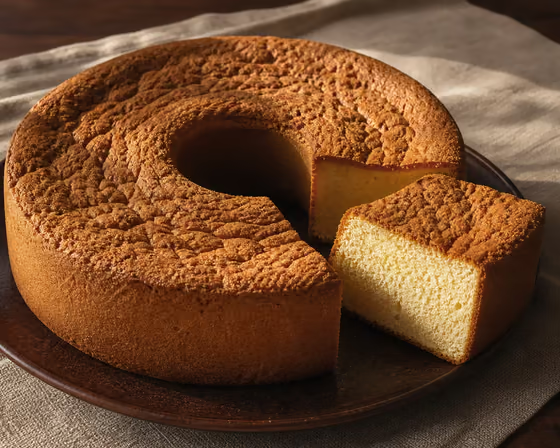 Catalogue image
 Tábua Ring Sponge Cake
A yellow, airy ring sponge traditionally baked after the village broa.
The Centre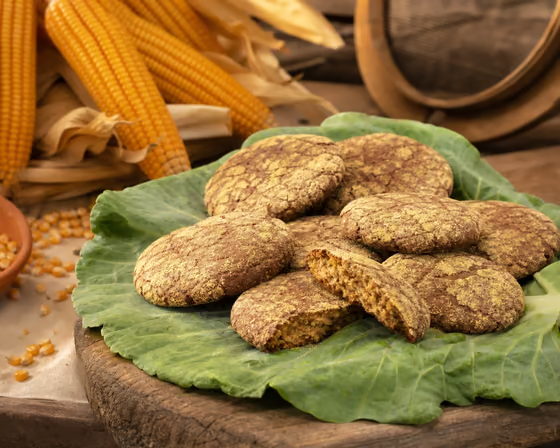 Catalogue image
 Porto de Mós Corn Broas
Low corn broas with honey, anise and olive oil, baked on cabbage leaves.
The Centre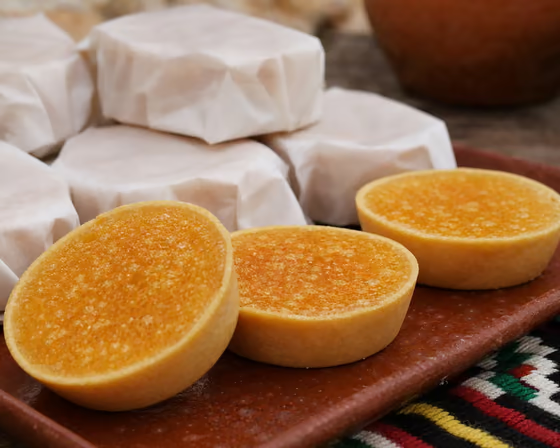 Catalogue image
 Porto de Mós Tarts
A round almond-and-egg tart shaped after the millstones that give the town its name.
The Centre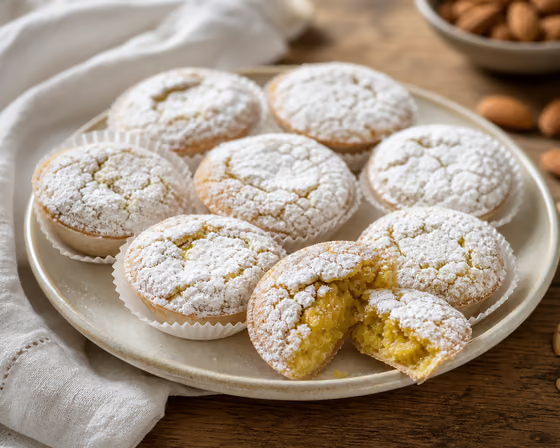 Catalogue image
 Traditional Mira de Aire Pastries
Thin pastry, almond and abundant yolks beneath icing sugar.
The Centre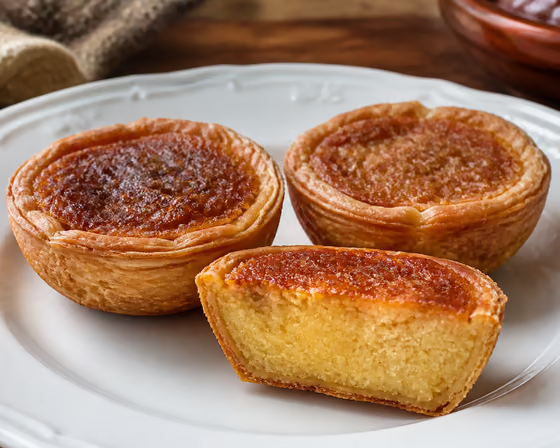 Catalogue image
 Torres Novas Bean Tart
A Torres Novas tart of white beans, yolk and almond, selected as a district finalist in 2019.
The Centre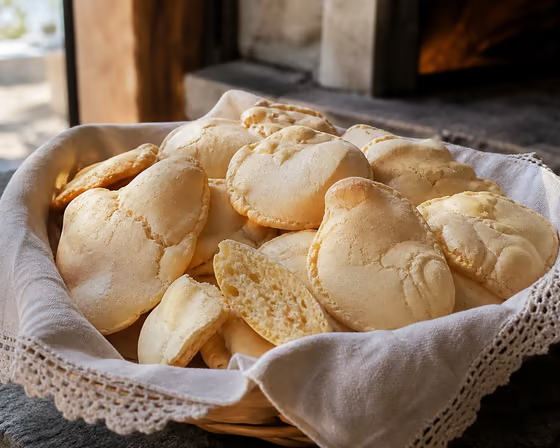 Catalogue image
 Loriga Crackling Biscuits
Pale crisp wheat biscuits blistered and folded by the wood-fired oven.
The Centre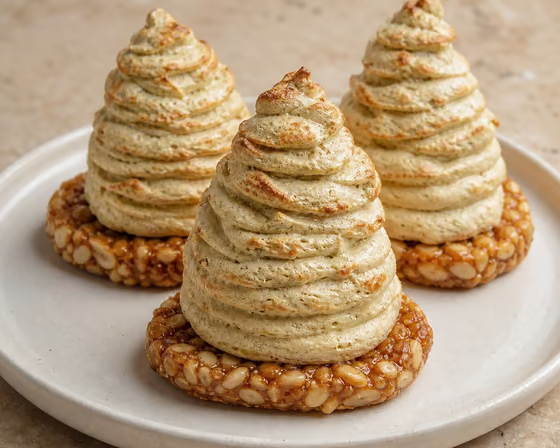 Catalogue image
 Carregal do Sal Golden Pine Cone
A rosemary-meringue pine cone on Carregal do Sal pine-nut nougat.
The Centre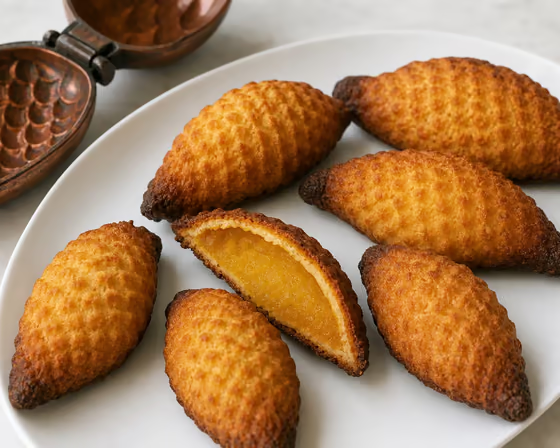 Catalogue image
 Montemor Pine-Cone Cakes
A pine-cone relief biscuit baked in iron moulds and filled with lemon-scented egg sweet.
The Centre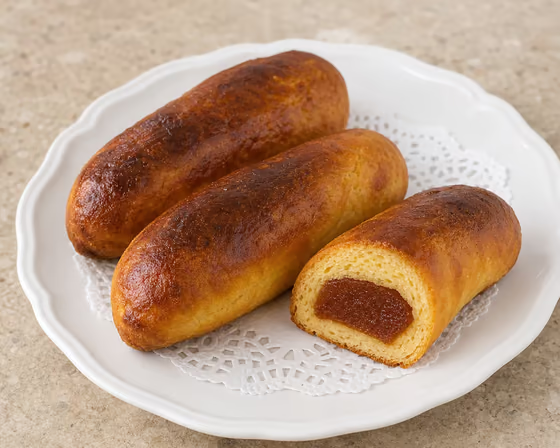 Catalogue image
 Friar Ambrósio’s Pirilau
The cylindrical rolled-dough cake with quince paste that revived an irreverent Barquinha legend.
The Centre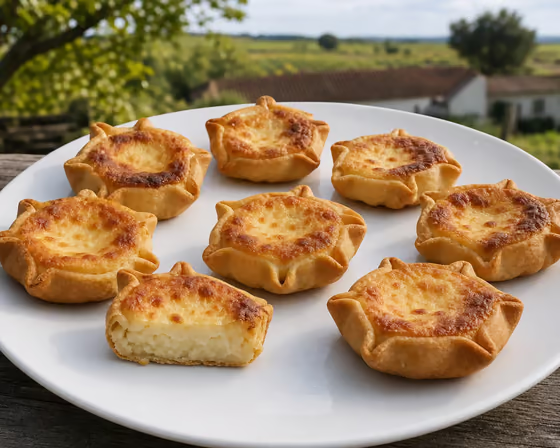 Catalogue image
 Pereira Queijada
The little fresh-cheese queijada with seven creases, sealed by hand one by one.
The Centre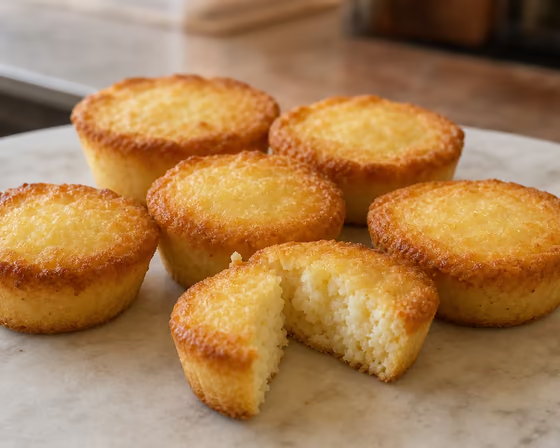 Catalogue image
 Highland Curd Tartlets
The small requeijão tart created in Covilhã and adopted into Serra da Estrela gastronomy.
The Centre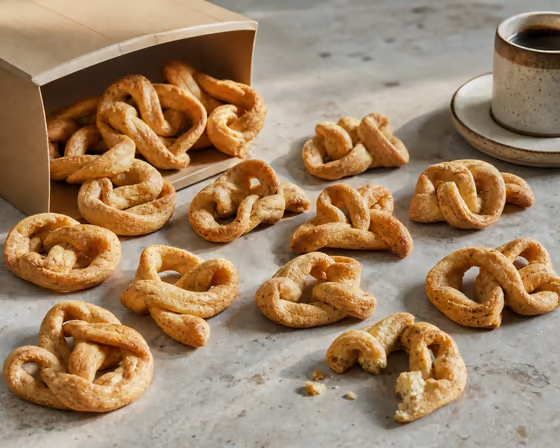 Catalogue image
 Raivas
Butter biscuits shaped into irregular ropes and loops, documented as part of Aveiro's sweet identity.
The Centre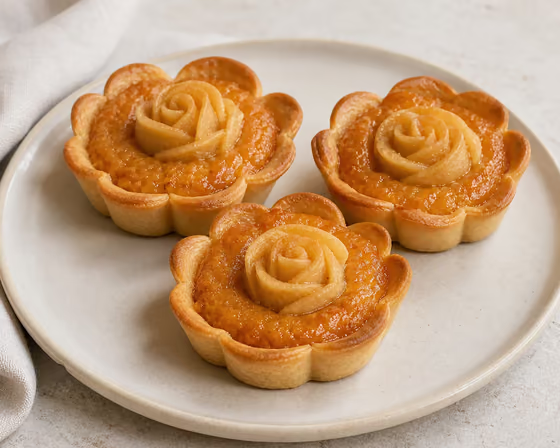 Catalogue image
 Queen Saint Isabel Rose
A shortcrust-and-almond rose created in Coimbra to honour Queen Saint Isabel.
The Centre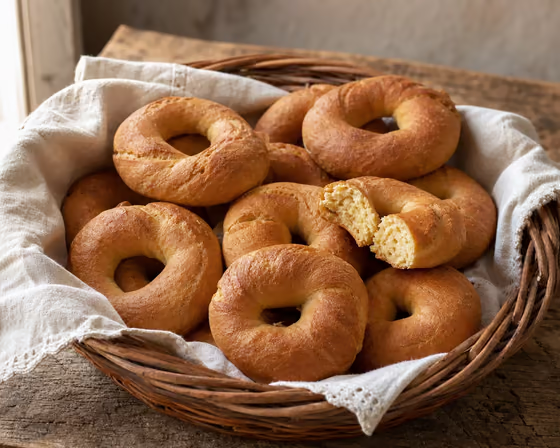 Catalogue image
 Alhadas Olive-Oil Rings
Handmade olive-oil rings with eggs, lemon and cinnamon, baked until golden.
The Centre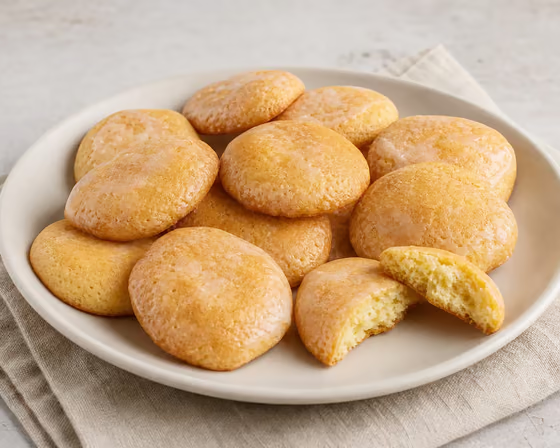 Catalogue image
 Águeda Glazed Egg Cakes
Light yolk cakes, spoon-shaped and finished with a thin sugar glaze.
The Centre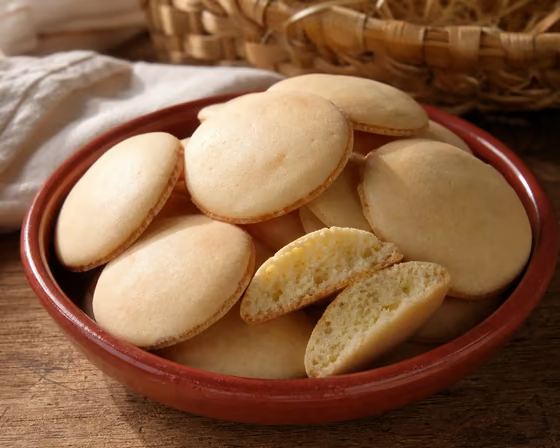 Catalogue image
 Arganil Sequilhos
Light discs of egg, sugar and flour once served at catechism, weddings and pilgrimages.
The Centre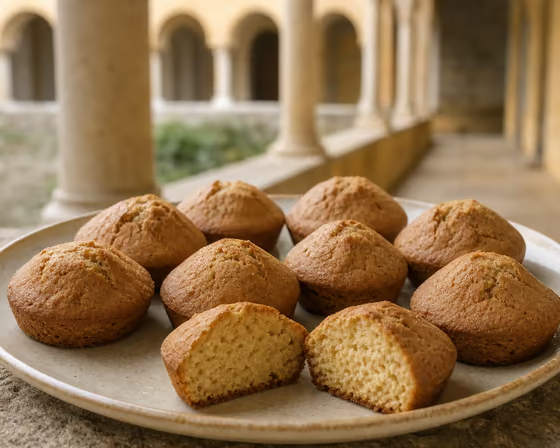 Catalogue image
 Miranda do Corvo Súplicas
Small convent cakes of eggs and yolks, light as sponge and scented with cinnamon and lemon.
The Centre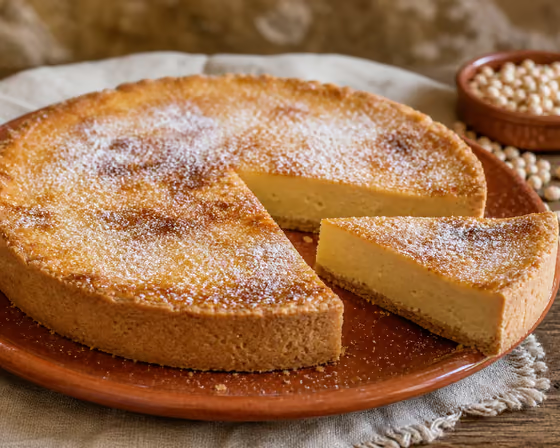 Catalogue image
 Alvaiázere Grass-Pea Tart
A creamy grass-pea tart on a crisp biscuit base.
The Centre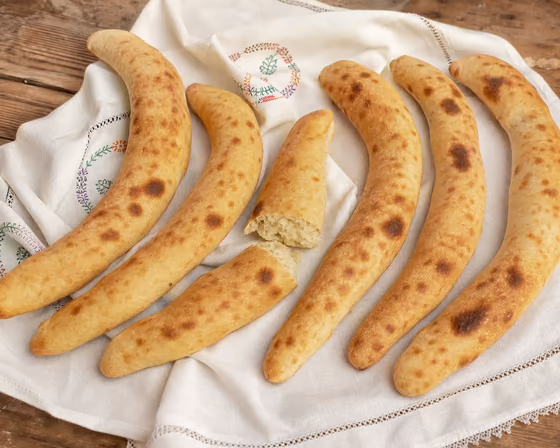 Catalogue image
 Nandufe Tortas
Nandufe's long curved bread-cake, soft and mottled by a wood-fired oven.
The Centre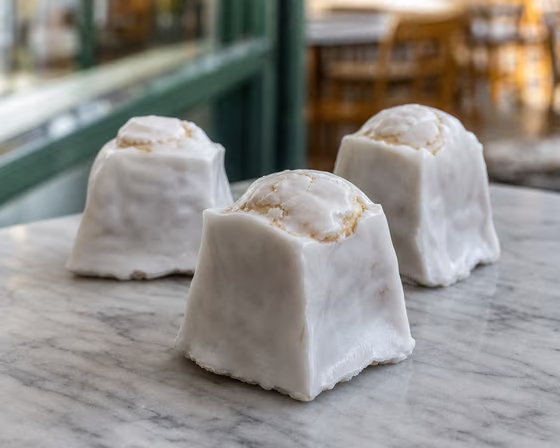 Catalogue image
 Aveiro Veneza Cakes
The small Aveiro cake created by Pastelaria Veneza around 2002, recognisable by its white coating and tall form.
The Centre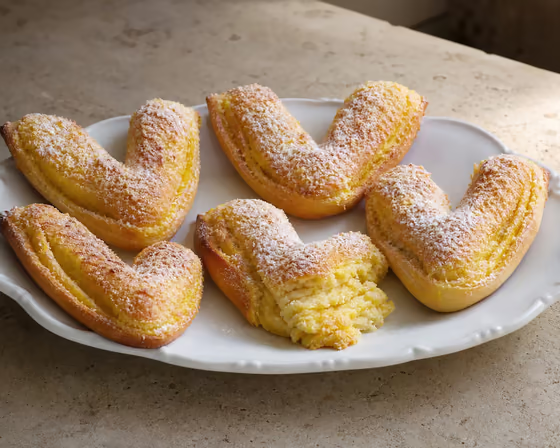 Catalogue image
 Viseu Viriato
Viseu's V-shaped sweet bread folded with an egg-and-coconut filling.
The Centre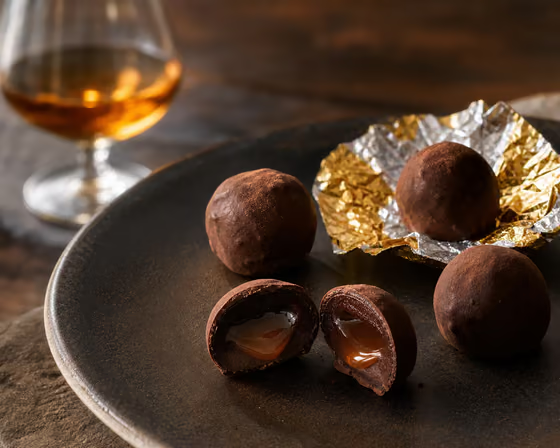 Catalogue image
 Lourinhã DOC Brandy Bonbon
A dark-chocolate bonbon with a Lourinhã DOC brandy heart.
The West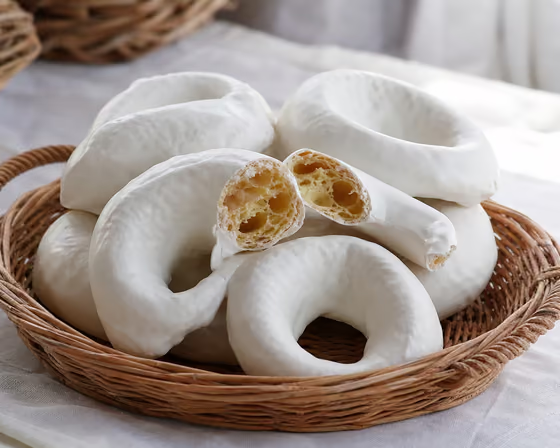 Catalogue image
 Cavacas das Caldas
Hollow, crackly shells dressed in glossy white sugar.
The West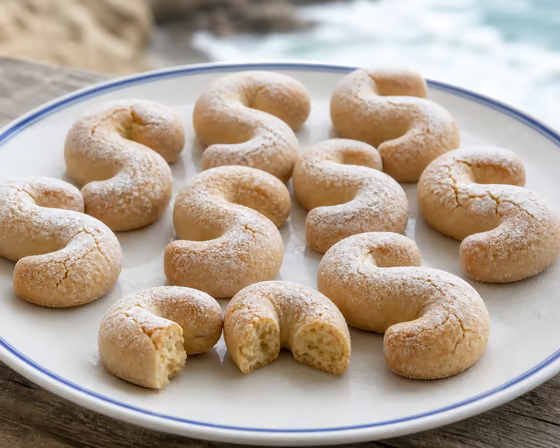 Catalogue image
 Peniche Esses
An almond S that melts slowly, crisp-shelled with a tender heart.
The West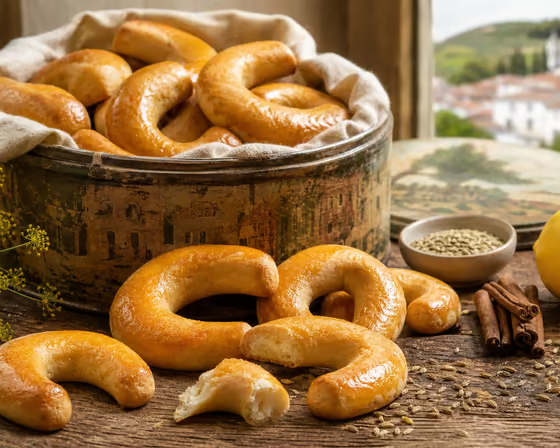 Catalogue image
 Póvoa Horseshoes
A traditional Póvoa speciality documented with flour, lemon, aniseed and cinnamon.
The West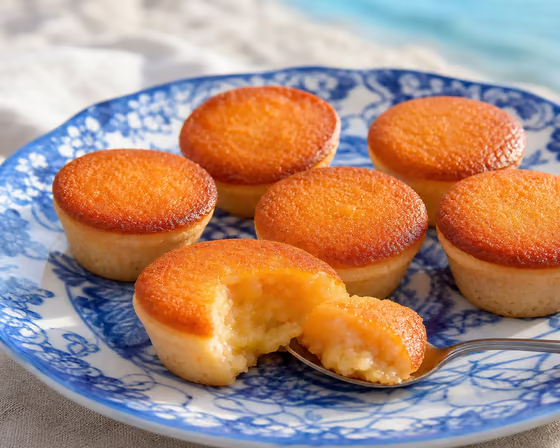 Catalogue image
 Lourinhã Paimogo Cake
A small creamy yolk, almond and vanilla cake inspired by Paimogo beach.
The West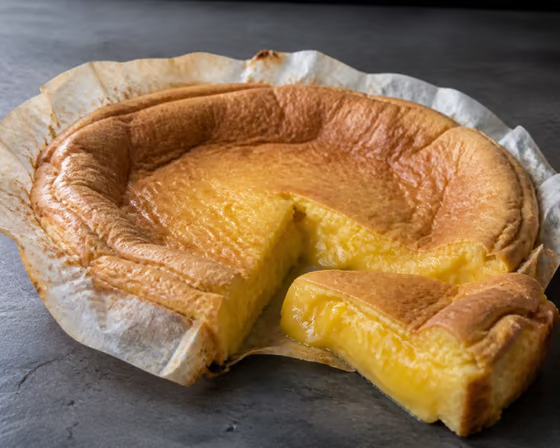 Catalogue image
 Alfeizerão Sponge Cake
A low, concave sponge with a crisp exterior and creamy heart.
The West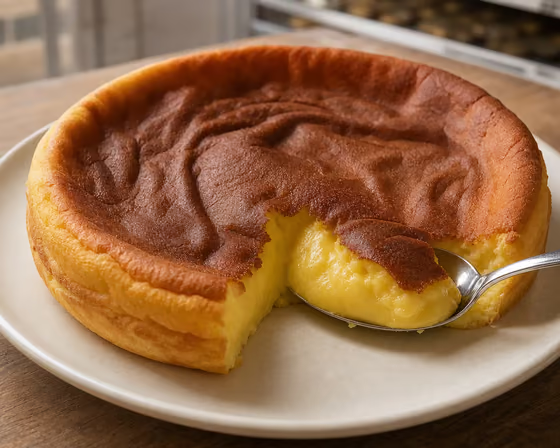 Catalogue image
 Rio Maior Sponge Cake
A toasted round sponge with a creamy centre locally called ló.
The West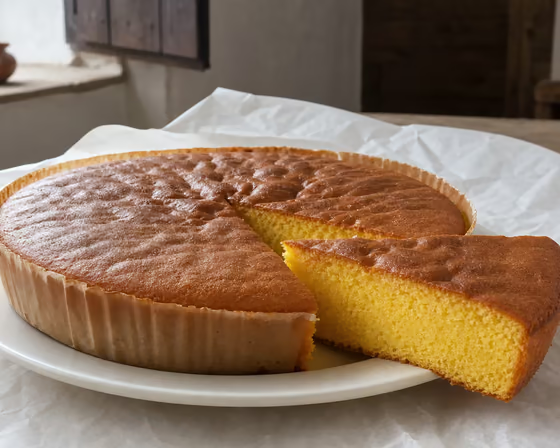 Catalogue image
 Painho Sponge Cake
A moist, tender, yolk-rich sponge from the foot of Montejunto.
The West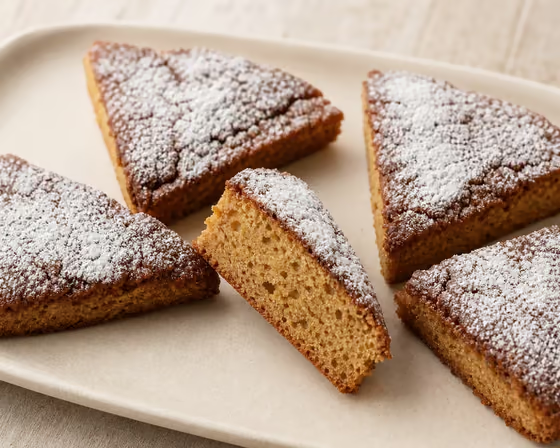 Catalogue image
 Agualva Cinnamon Triangles
Dark cinnamon triangles with lemon, airy crumb and a coat of sugar.
Sintra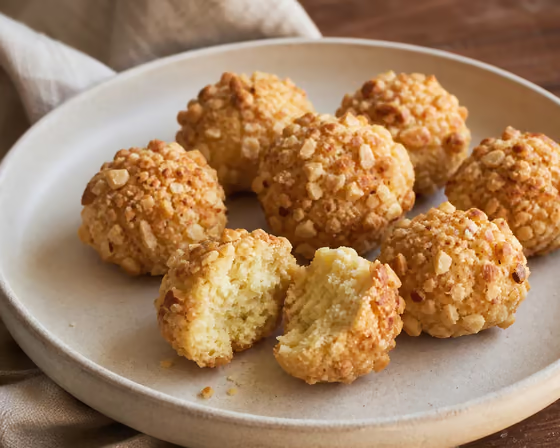 Catalogue image
 Amendoados
Small dry, crumbly cakes, shaped by hand and crowned with coarsely chopped almonds.
Lisbon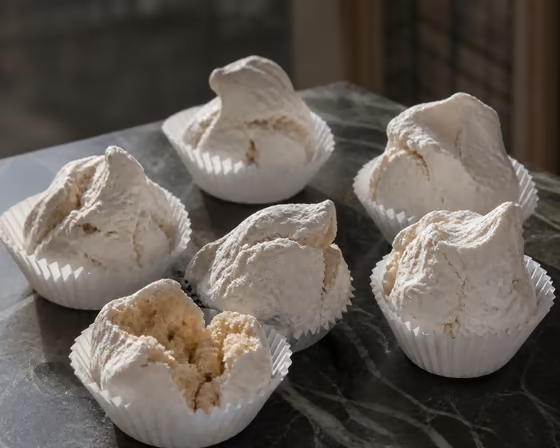 Catalogue image
 Azeitão Almond Meringues
Rustic hand-shaped almond meringues with a white, delicately cracked shell.
Lisbon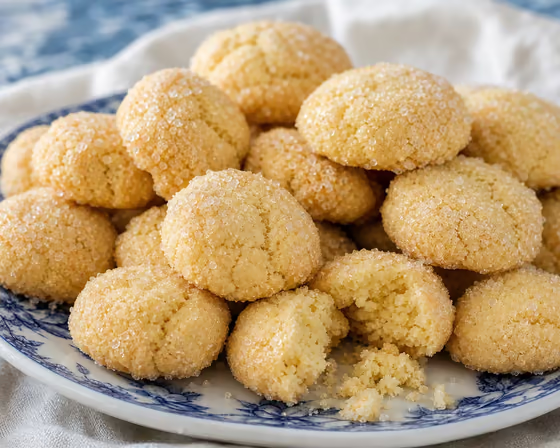 Catalogue image
 Cascais Sands
Beach sand that melts on the tongue.
Lisbon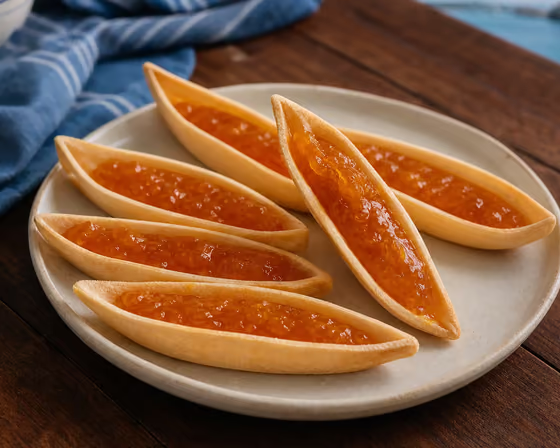 Catalogue image
 Setúbal Wafer Boats
Vanilla-wafer boats filled with bitter-orange preserve.
Lisbon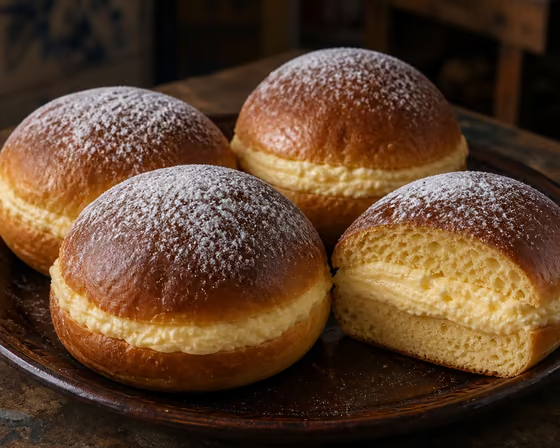 Catalogue image
 Barreiro Butter Bun
Barreiro's giant sweet bun, soft and split by a band of buttercream.
Lisbon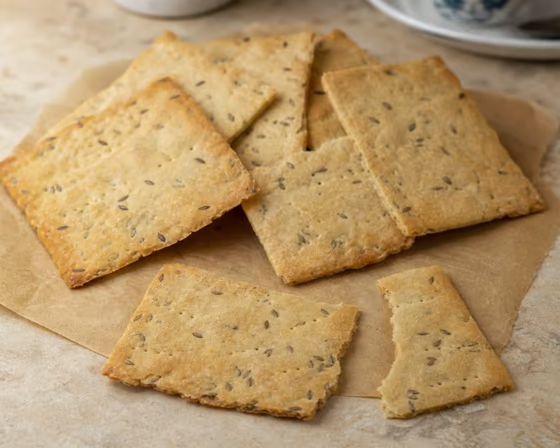 Catalogue image
 Setúbal Piedade Biscuit
The thin, hard, aromatic biscuit associated with Setúbal’s Sant’Iago Fair since the nineteenth century.
Lisbon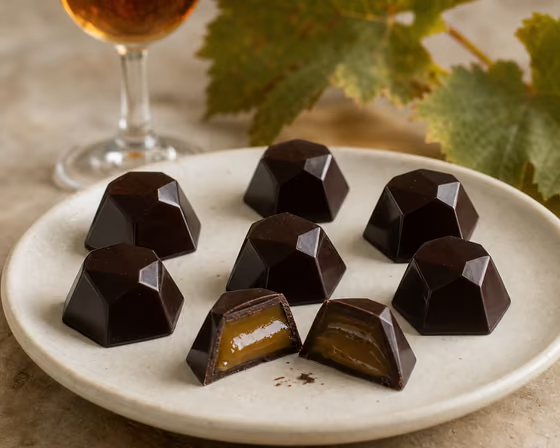 Catalogue image
 Setúbal Moscatel Chocolate
A dark-chocolate gem with a Moscatel de Setúbal heart.
Lisbon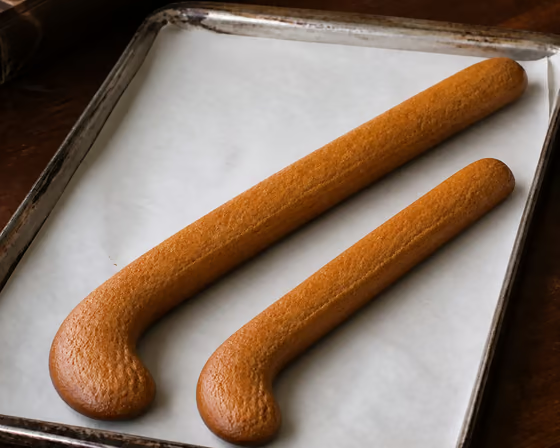 Catalogue image
 Paço de Arcos Cacetes
A vanished Paço de Arcos speciality remembered as a long cake shaped like a field-hockey stick.
Lisbon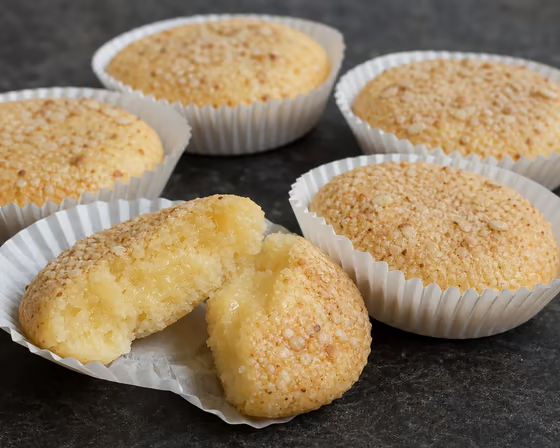 Catalogue image
 Santa Coina Requeijão Cakes
A moist little cake of Azeitão sheep's-milk requeijão, almonds and egg yolks.
Lisbon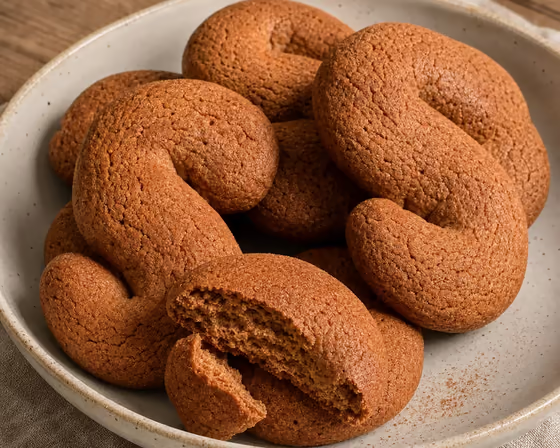 Catalogue image
 Azeitão S Biscuits
Thick S-shaped biscuits, crisp and deeply scented with cinnamon.
Lisbon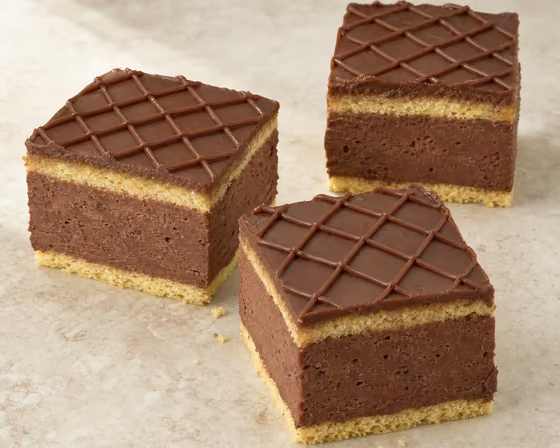 Catalogue image
 Portuguese Garibaldi Chocolate Cake
Two thin sponge sheets enclosing a wall of chocolate beneath a crosshatched fondant cap.
Lisbon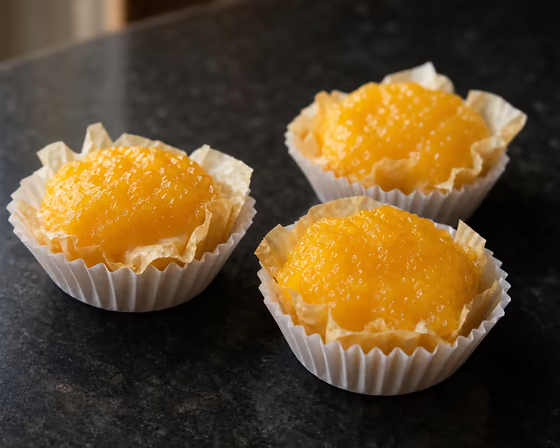 Catalogue image
 Cego's Mémé
A crisp filo nest filled with sheep's-milk requeijão and egg-yolk cream.
Lisbon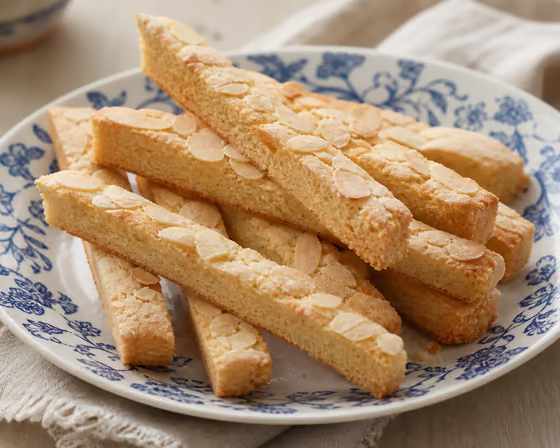 Catalogue image
 Cascais Almond Fingers
Almond-cake fingers cut and returned to the oven.
Lisbon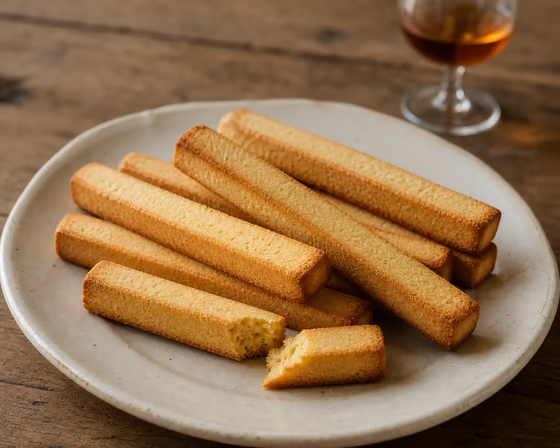 Catalogue image
 Oeiras Biscuit Fingers
Lemon-and-cinnamon sponge strips baked a second time until hard and crisp.
Lisbon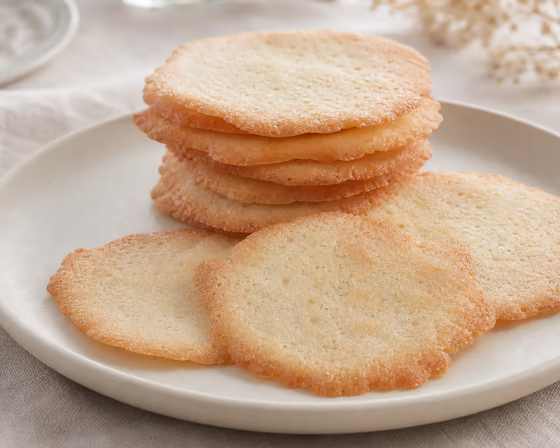 Catalogue image
 Cascais Pratas
An almost translucent biscuit, lacy and crisp.
Lisbon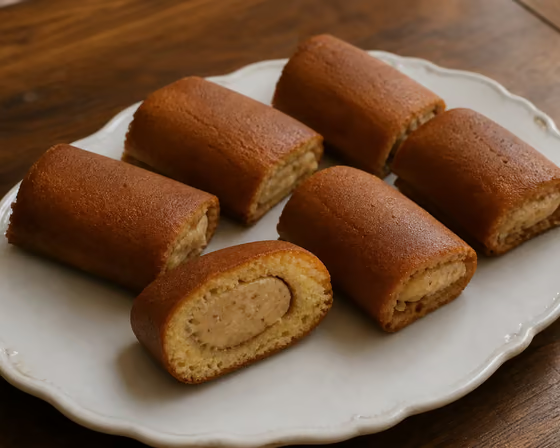 Catalogue image
 Malveira Trouxas
Small sponge-cake pillows rolled around vanilla and almond cream.
Lisbon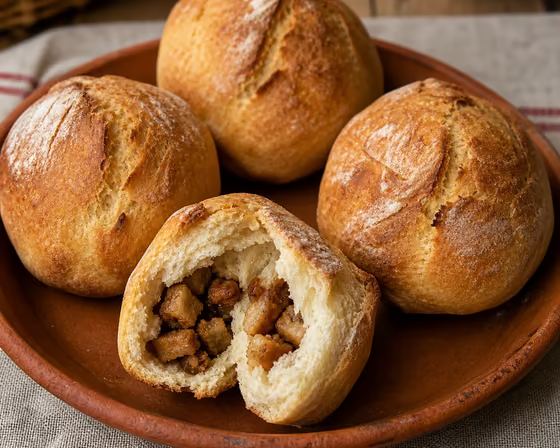 Catalogue image
 Alentejo Crackling Bread
A small Alentejo bread roll filled with cracklings and baked alongside the household loaf.
The Alentejo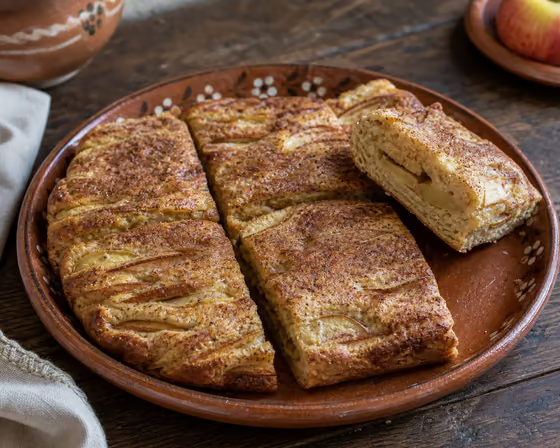 Catalogue image
 Boleima
A popular Alentejo cake in which bread, olive oil, sugar, cinnamon and apple change in proportion — and even presence — from town to town.
The Alentejo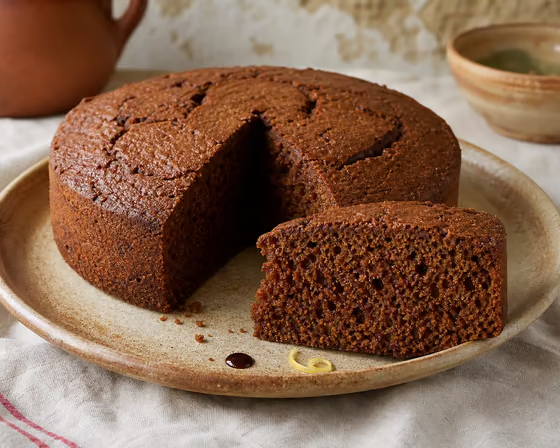 Catalogue image
 Alentejo Água-mel Cake
A dark, moist rural cake lifted with whipped egg whites and scented with água-mel, olive oil, lemon and cinnamon.
The Alentejo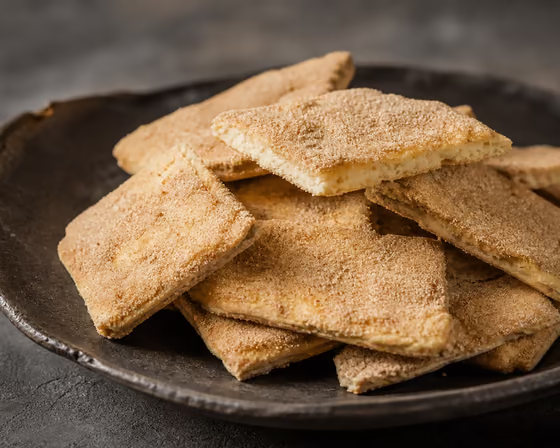 Catalogue image
 Arronches Olive-Oil Cake
Thin slabs of dry cake documented in Arronches's 2019 sweets candidature.
The Alentejo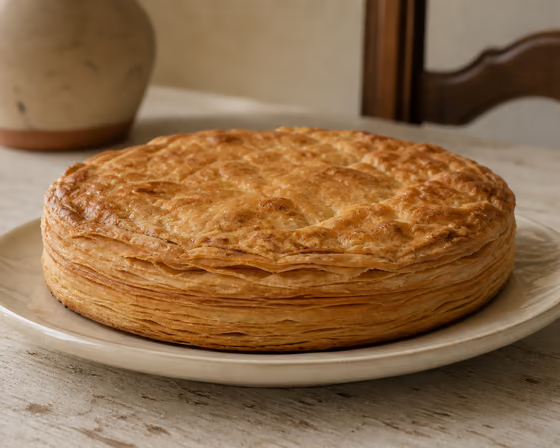 Catalogue image
 Alvito Layered Cake
An Alvito cake documented among the 140 national finalists of 2019, with its recipe still unpublished.
The Alentejo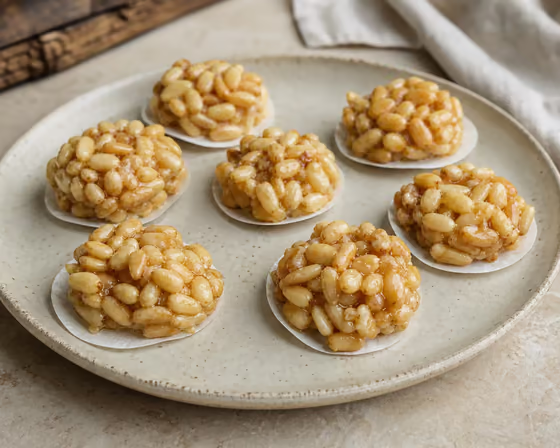 Catalogue image
 Alcácer do Sal Pine-Nut Cakes
Whole pine nuts held in golden sugar and shaped into thin discs.
The Alentejo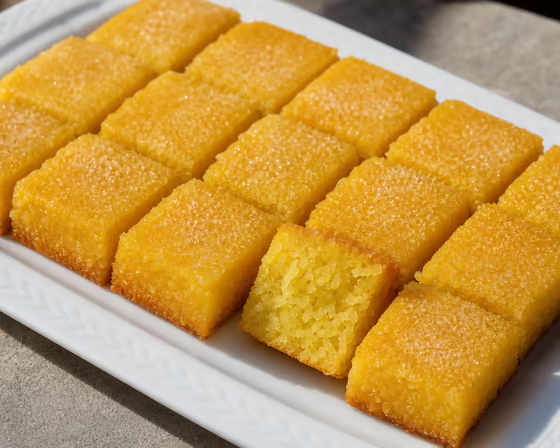 Catalogue image
 Cortadinhos of Alpiarça
A light egg-and-lemon cake cut into squares and finished with sugar and cinnamon.
The Alentejo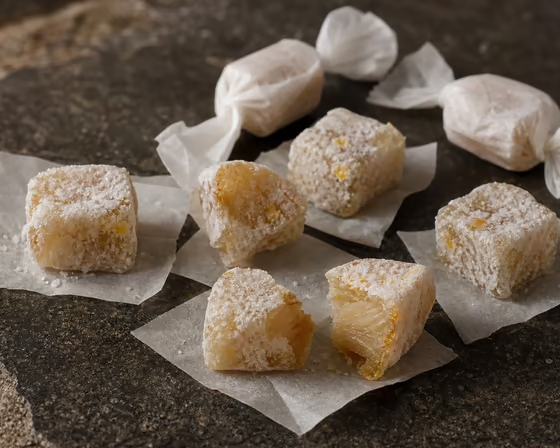 Catalogue image
 Évora Crystallised Scorzonera Sweet
Évora's nearly lost root, crystallised with sugar and citrus peel.
The Alentejo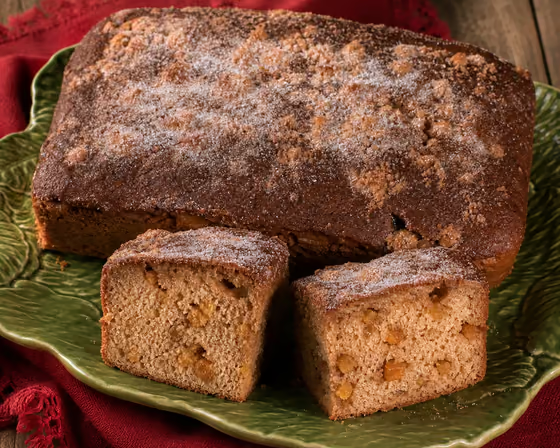 Catalogue image
 Alentejo Pork-Crackling Sweet Bread
A large dark sweet bread of brown sugar, cinnamon and pork cracklings.
The Alentejo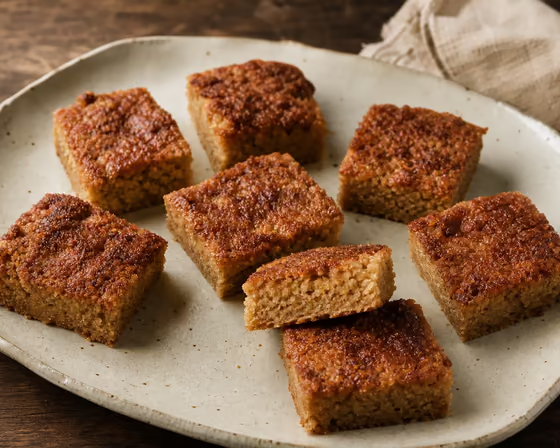 Catalogue image
 Redondo Escarapiada
The rustic cake that sweetens bread dough with lard, eggs, cinnamon and lemon.
The Alentejo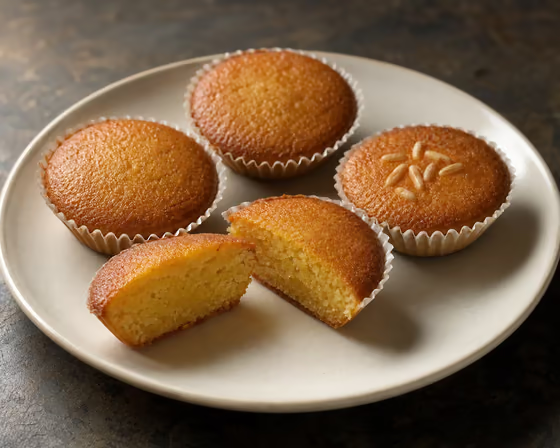 Catalogue image
 Estremoz Gadanha Cakes
A small Estremoz egg-and-almond cake baked in an individual mould.
The Alentejo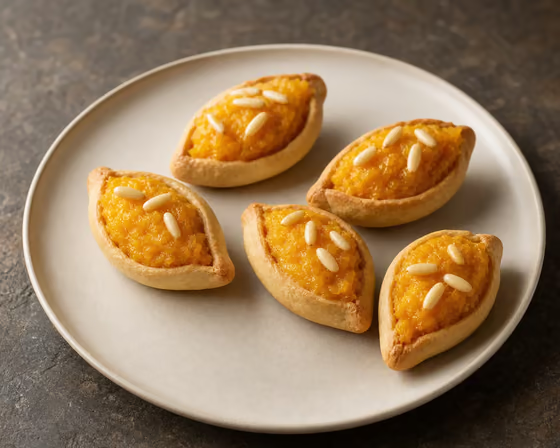 Catalogue image
 Vendas Novas Granadas
The egg-yolk, coconut and pine-nut sweet shaped by Vendas Novas' artillery tradition.
The Alentejo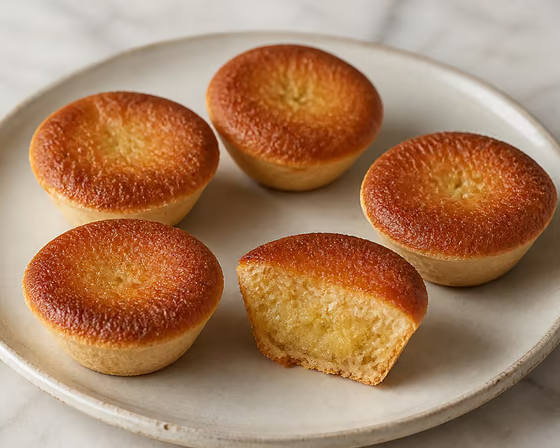 Catalogue image
 Estremoz Guizo
The little egg, almond and gila cake with a deeply toasted top.
The Alentejo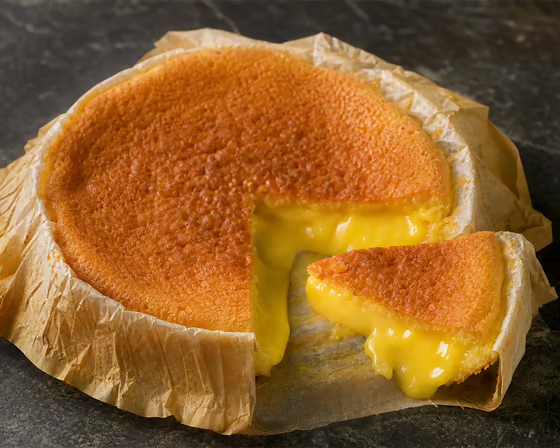 Catalogue image
 Alpiarça Sponge Cake
The Portuguese route's creamiest sponge, with a flowing egg-rich centre.
The Alentejo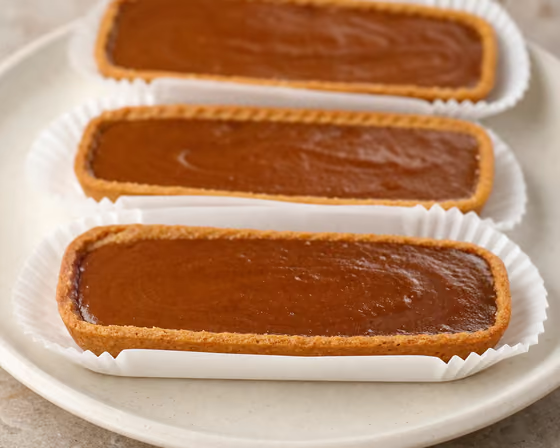 Catalogue image
 Marvão Chestnut Tart
A thin rectangular tart with glossy Marvão-Portalegre PDO chestnut cream.
The Alentejo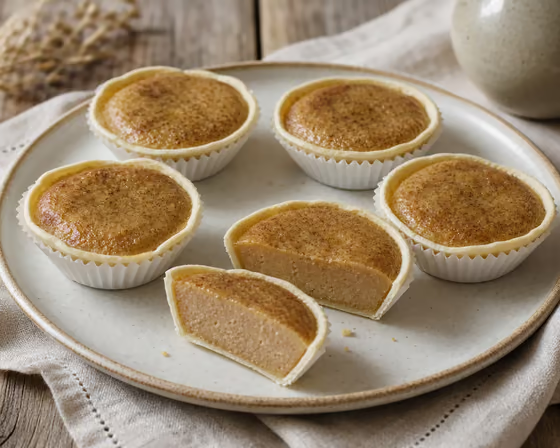 Catalogue image
 Almeirim Friar Tart
The black-eyed-pea tart linking Almeirim's sweets to the Stone Soup legend.
The Alentejo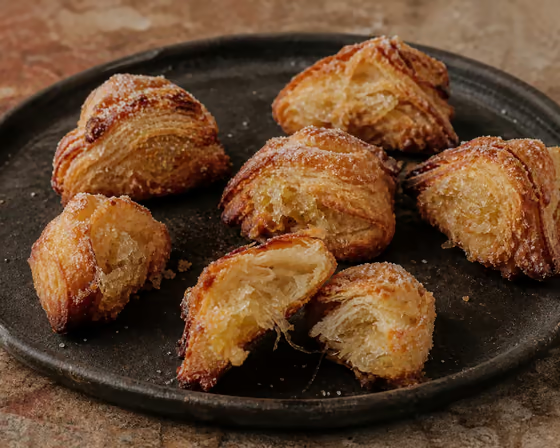 Catalogue image
 Safara Gila Pastries
Crisp olive-oil pastry layers hold translucent threads of gila squash.
The Alentejo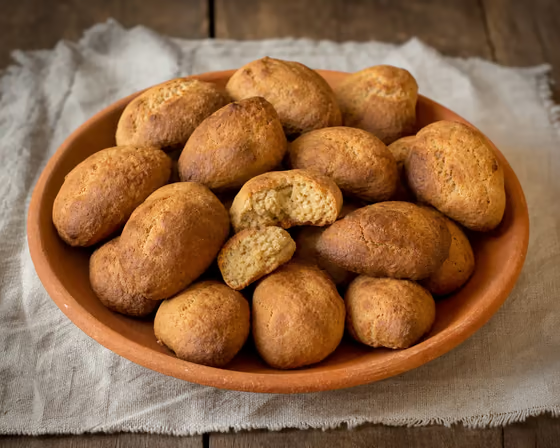 Catalogue image
 Beja Flint Biscuits
Small flint-hard popular biscuits made from bread dough, lard and egg.
The Alentejo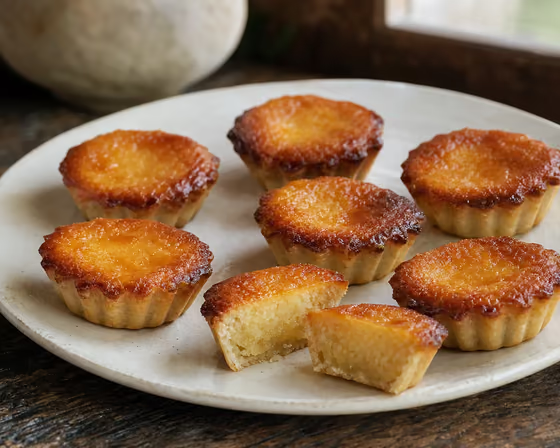 Catalogue image
 Portalegre Queijadas
Upper Alentejo's little tart with a paper-thin shell and a requeijão heart.
The Alentejo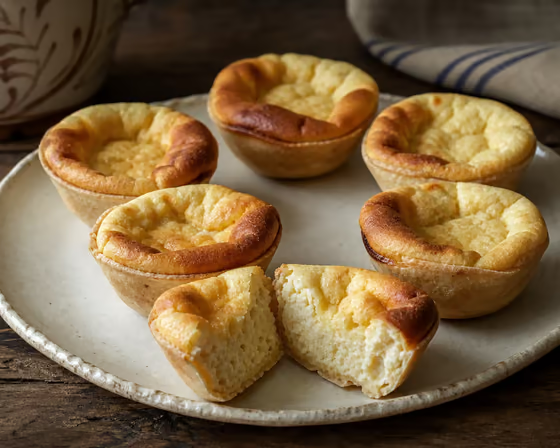 Catalogue image
 Beja Requeijão Tarts
Beja's sheep-curd queijada with cinnamon and a paper-thin, lightly salted shell.
The Alentejo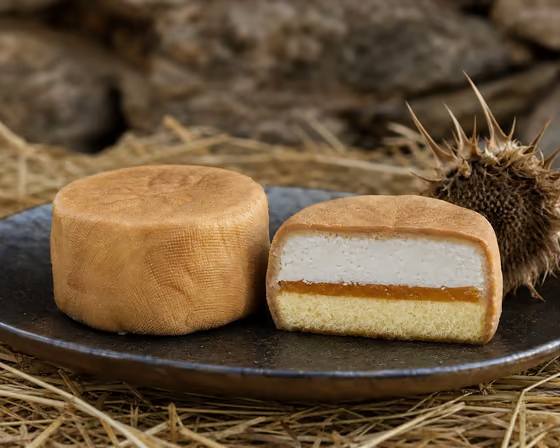 Catalogue image
 Arronches Little Cheese Dessert
The contemporary dessert that turns cheese, bread and jam into a little sweet cheese.
The Alentejo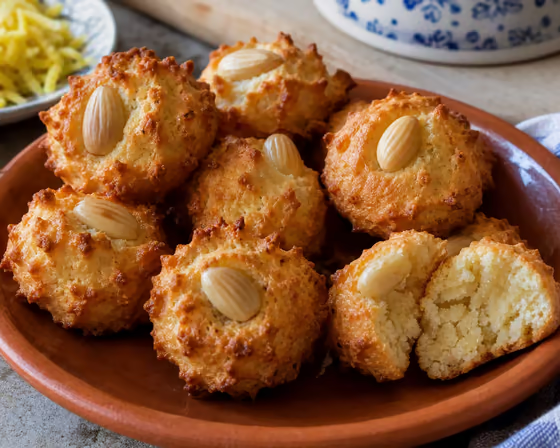 Catalogue image
 Almond Spiky Biscuits
Bristling peaks of almond, lemon and egg white, crisp outside and soft at the centre.
The Algarve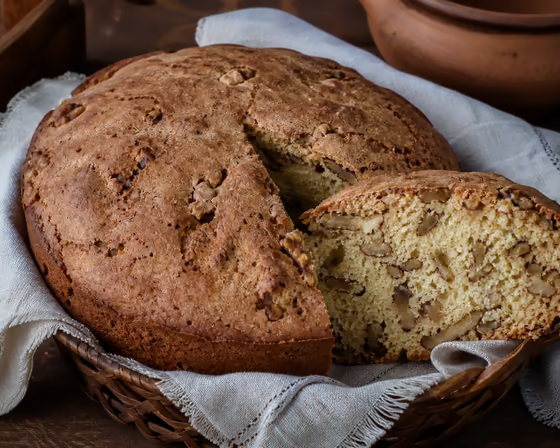 Catalogue image
 Algarve Nut Sweet Bread
An upland sweet bread enriched with olive oil, spices and walnuts or almonds.
The Algarve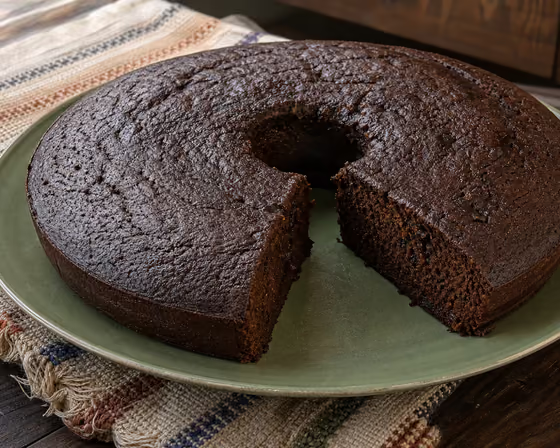 Catalogue image
 Algarve Bread-Dough Cake
A large dark moist bread-dough cake with honey, coffee, port and spices.
The Algarve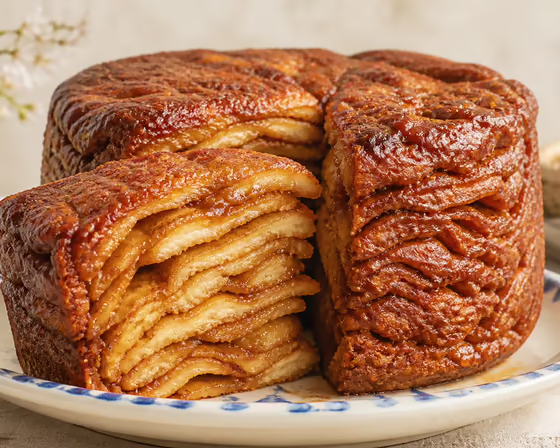 Catalogue image
 Olhão Folar
Leaf upon leaf, sweetness upon sweetness — Olhão's Easter in caramelised layers.
The Algarve Catalogue image
 Almond Morgado
An almond-paste shell filled with gila preserve, egg threads and soft egg sweet.
The Algarve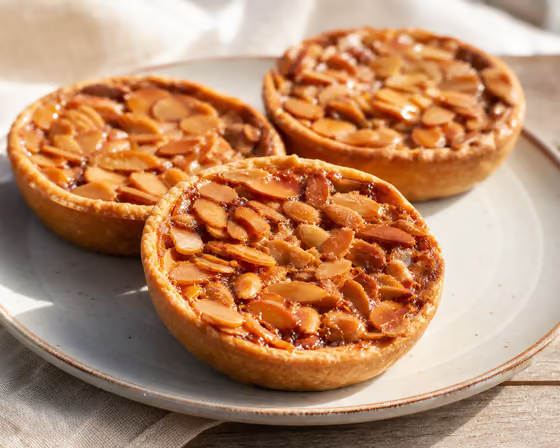 Catalogue image
 Portimão Almond Tartlet
An Algarve tartlet recovered from Portimão's sweet memory.
The Algarve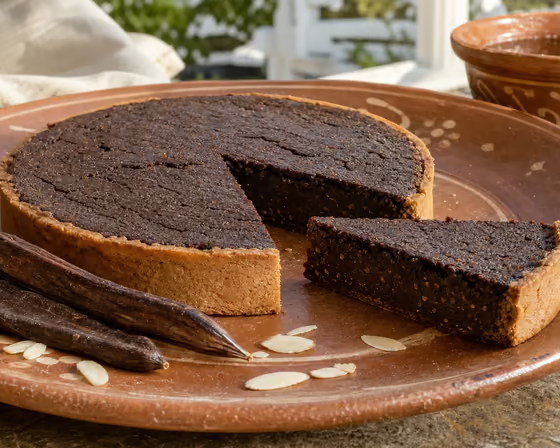 Catalogue image
 Carob Tart
Carob and almond in an Algarve tart with several documented formulas.
The Algarve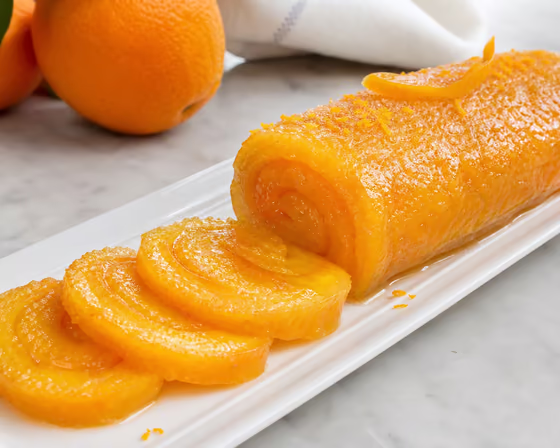 Catalogue image
 Orange Roll
A sheet of cake, almost all egg and orange juice, rolled into a tight spiral.
The Algarve Catalogue image
 Porto Santo Toasted Biscuits
Porto Santo's savoury biscuit, baked and then slowly toasted for hours.
Madeira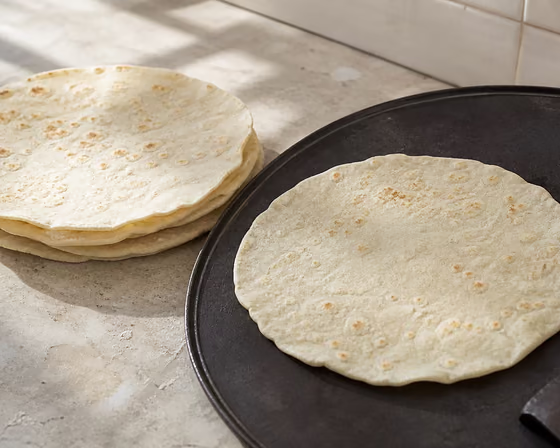 Catalogue image
 Porto Santo Jewish Unleavened Bread
A Porto Santo unleavened bread that one local source describes as barley, water and salt cooked on a griddle.
Madeira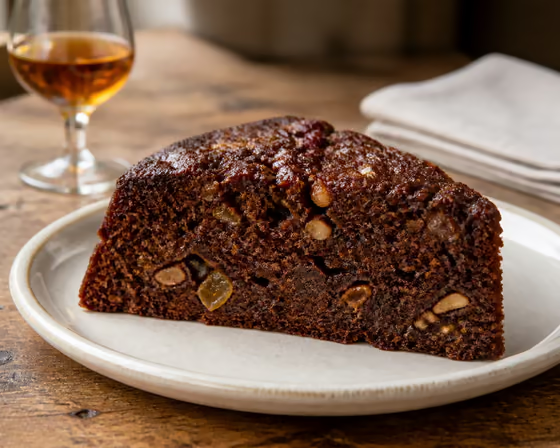 Catalogue image
 Madeira Black Cake
Cane honey, Madeira wine and beer in a dark, moist festive cake.
Madeira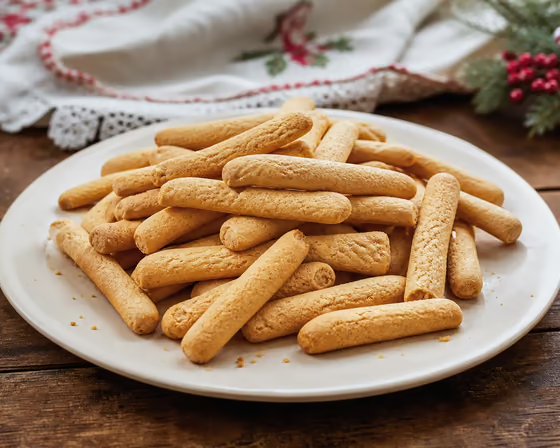 Catalogue image
 Madeira Beer Sticks
Madeira's Christmas broa shaped into a crisp, gently sweet stick.
Madeira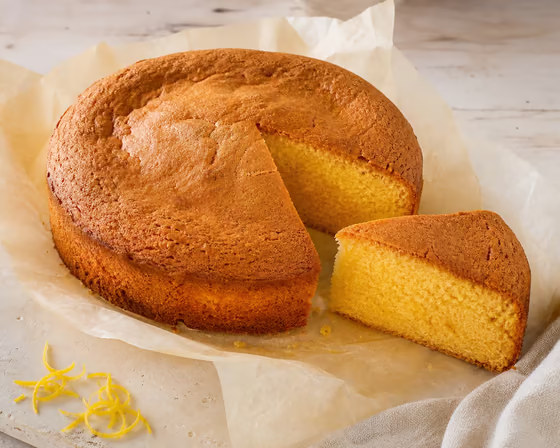 Catalogue image
 Porto Santo Sponge Cake
An island pão-de-ló scented with lemon and sugar-cane spirit.
Madeira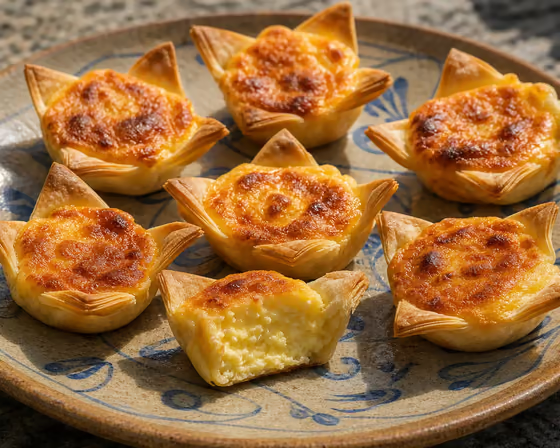 Catalogue image
 Madeira Queijada
Curd cheese, eggs and wafer-thin pastry in a historic Funchal queijada.
Madeira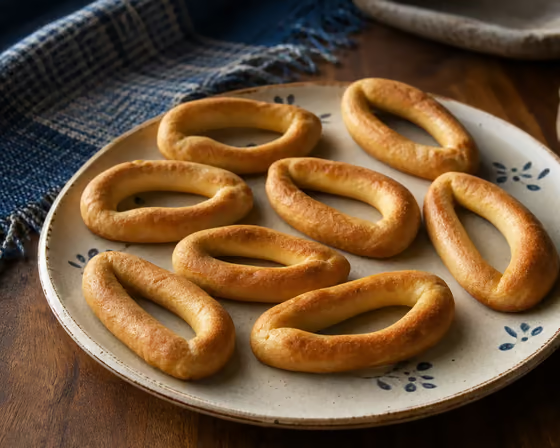 Catalogue image
 Brandy Biscuits
Crisp Santa Maria rings kneaded with eggs, rich fats and a glass of brandy.
The Azores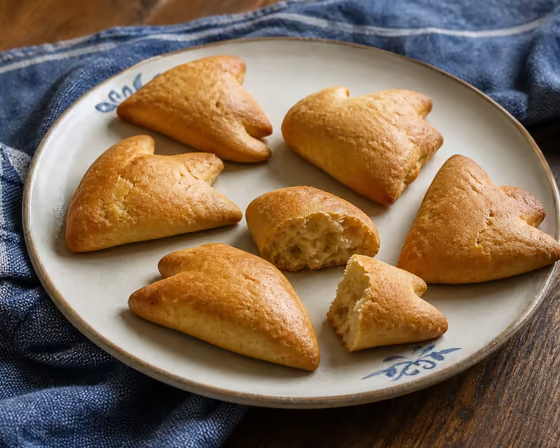 Catalogue image
 Ear-Shaped Biscuits
Santa Maria's triangular enriched biscuits, clipped at the tips like little ears.
The Azores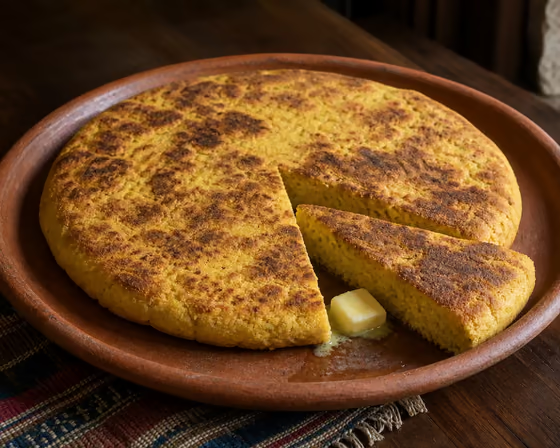 Catalogue image
 Azorean Griddle Bread
An Azorean maize round of flour, water and salt, cooked on earthenware and eaten hot.
The Azores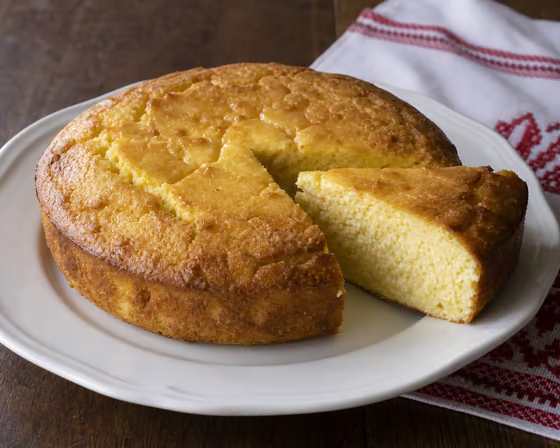 Catalogue image
 Azorean Curd Cake
A nearly forgotten curd cake with maize, anise, lemon and brandy.
The Azores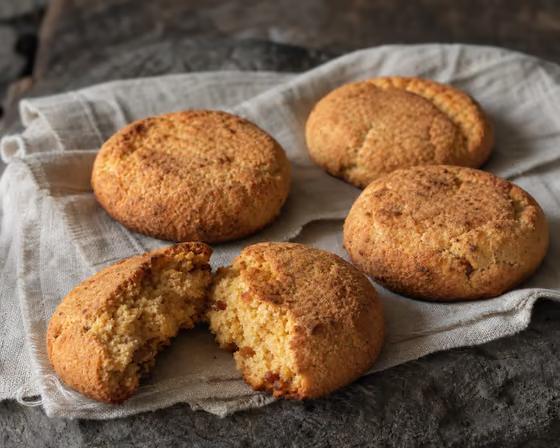 Catalogue image
 Azorean Crackling-Foot Cake
An old Azorean corn cake enriched with sugar and crackling sediment, dry and lightly toasted.
The Azores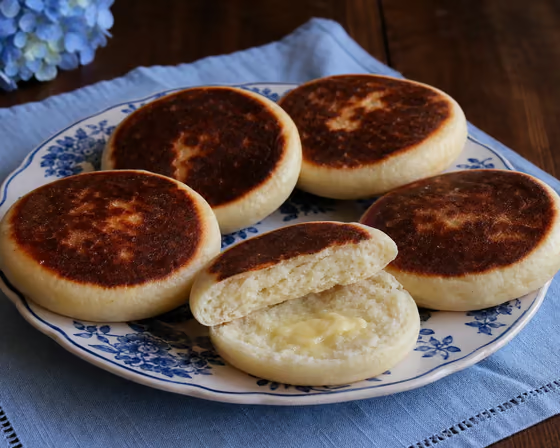 Catalogue image
 Azorean Sweet Muffins
Raised sweet-bread discs slowly cooked on both sides on a griddle.
The Azores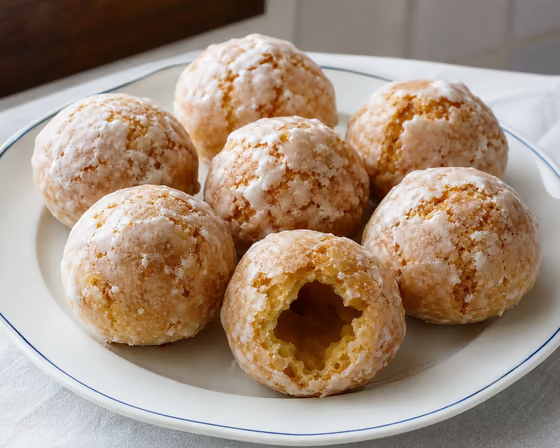 Catalogue image
 Santa Maria Cavacas
Light, hollow and crisp round cakes coated in white sugar syrup.
The Azores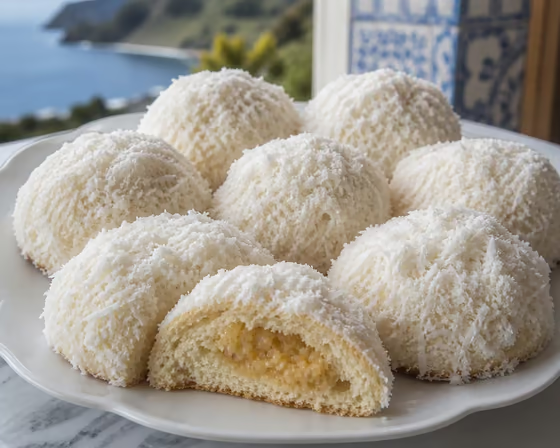 Catalogue image
 Azorean Picos (Nevões)
Leavened dough, coconut filling and a white shredded-coconut coating.
The Azores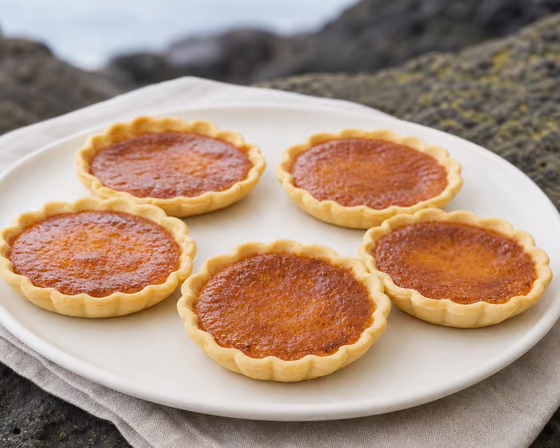 Catalogue image
 Ponta Delgada Queijada
A sweet hydrangea of cheese, pineapple, orange, cinnamon and egg custard.
The Azores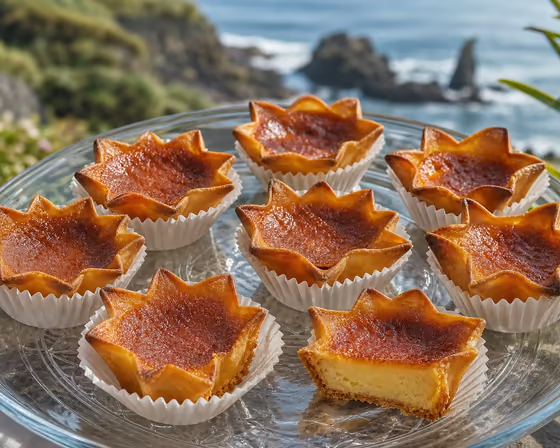 Catalogue image
 Graciosa Queijadas
The cheeseless Azorean queijada: milk cooked for hours until it turns amber.
The Azores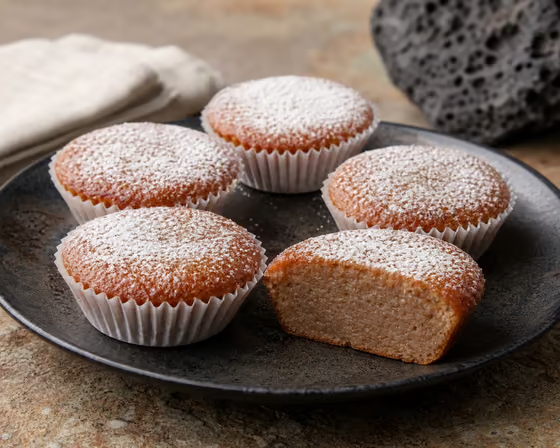 Catalogue image
 Furnas Taro Queijadas
A soft little tart made with taro from Furnas's volcanic wetlands.
The Azores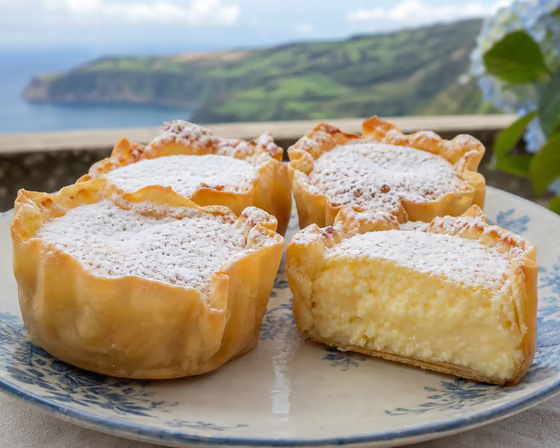 Catalogue image
 Vila Franca do Campo Queijadas
Vila Franca's fluted queijada, made with curdled milk, eggs and very thin pastry.
The Azores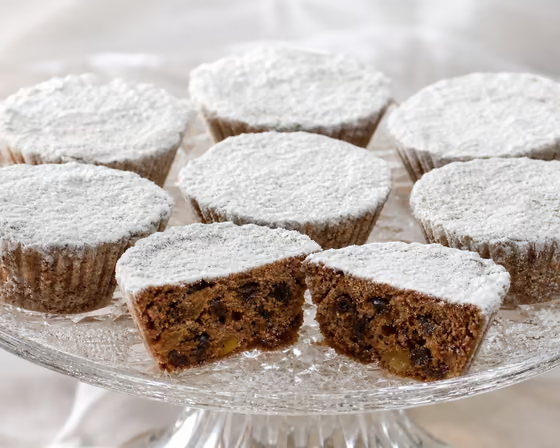 Catalogue image
 Dona Amélia Queijadas
The dark, spiced sweet the ladies of Angra offered to a queen.
The Azores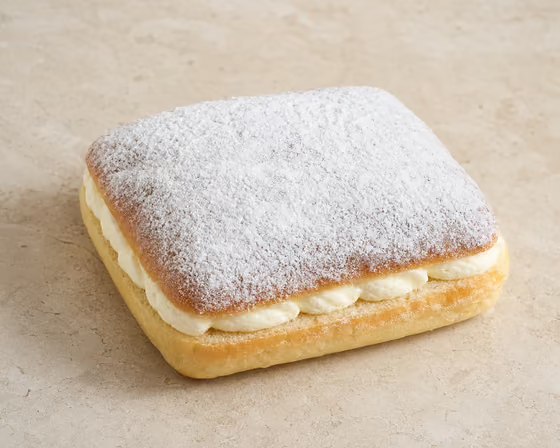 Catalogue image
 Portuguese Brioche Almofada
Light brioche dough, fresh buttercream and icing sugar.
Nationwide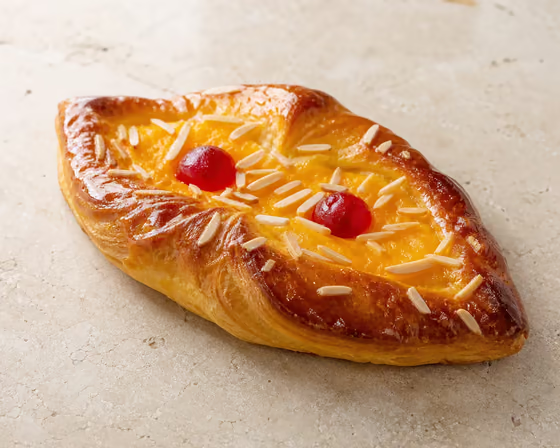 Catalogue image
 Portuguese Argentino Egg-Cream Brioche
Brioche with egg cream, cherry and an egg-white finish.
Nationwide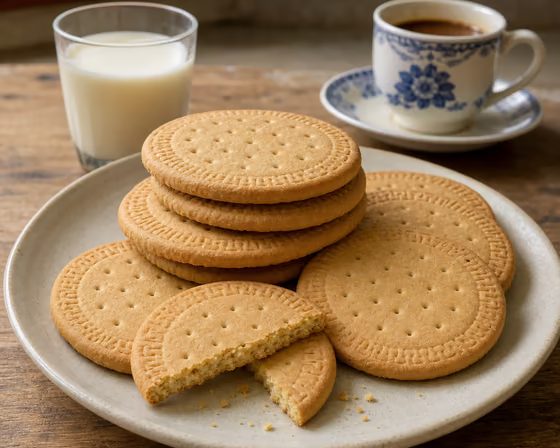 Catalogue image
 Maria Biscuit in Portugal
The thin, mildly sweet round biscuit that spans Portuguese generations and underpins dozens of desserts.
Nationwide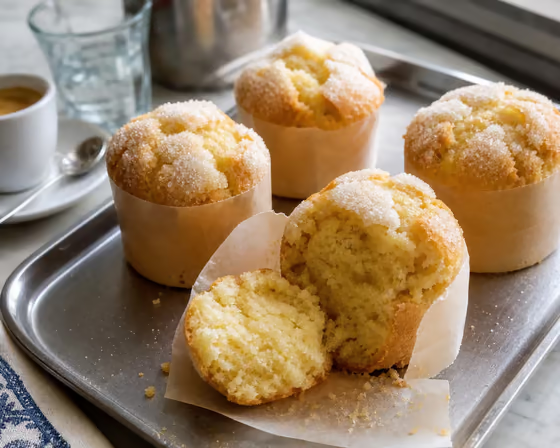 Catalogue image
 Rice Muffin
The individual rice-flour cake baked in its characteristic paper collar.
Nationwide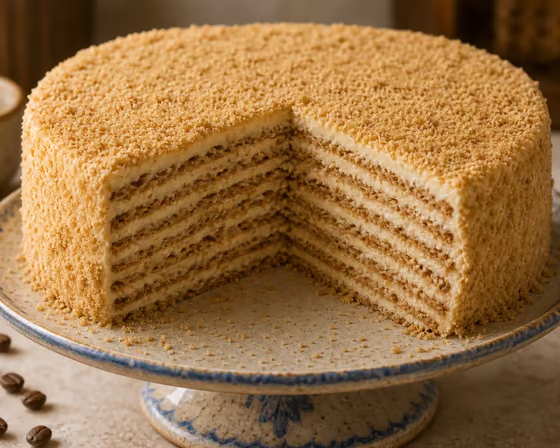 Catalogue image
 Biscuit Cake
Layers of coffee-soaked biscuits and buttercream, served chilled.
Nationwide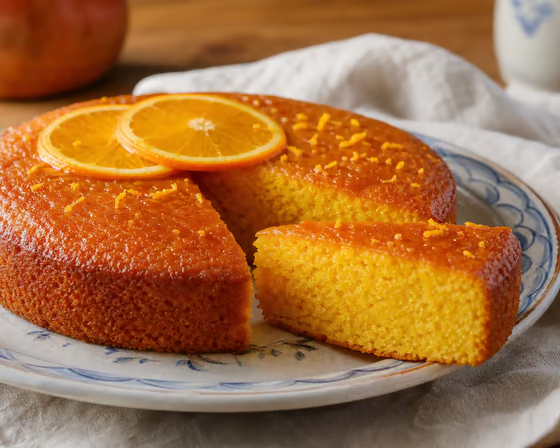 Catalogue image
 Orange Cake
A nationally made home cake in juice, zest and whole-orange versions.
Nationwide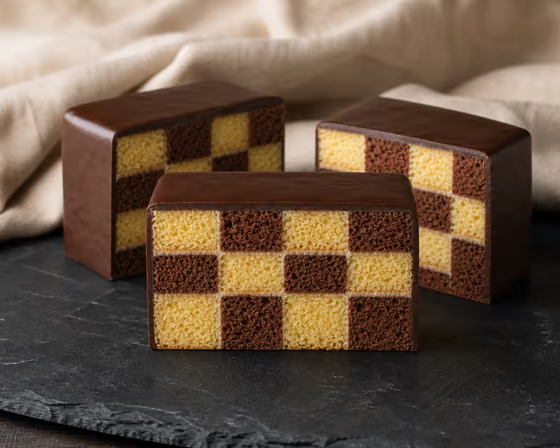 Catalogue image
 Portuguese Checkerboard Cake
Twelve vanilla-and-chocolate sponge blocks assembled as a checkerboard and coated in chocolate.
Nationwide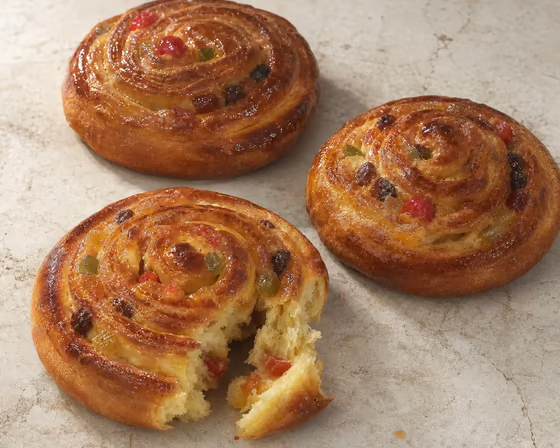 Catalogue image
 Portuguese Candied-Fruit Caracol
The brioche, cream and candied-fruit spiral that colours Portuguese pastry counters.
Nationwide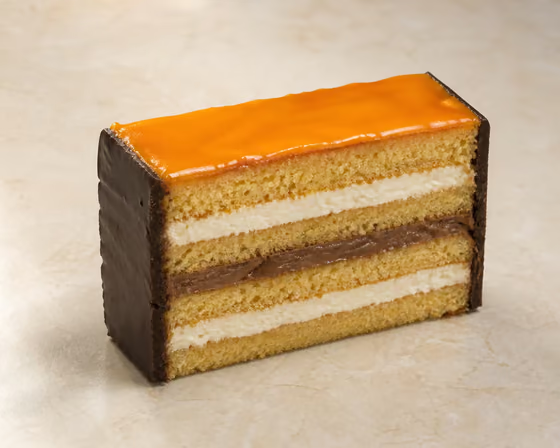 Catalogue image
 Portuguese Contraplacado Layer Cake
Roulade-and-guardanapo sponge, egg sweet and chocolate in a visibly layered slice.
Nationwide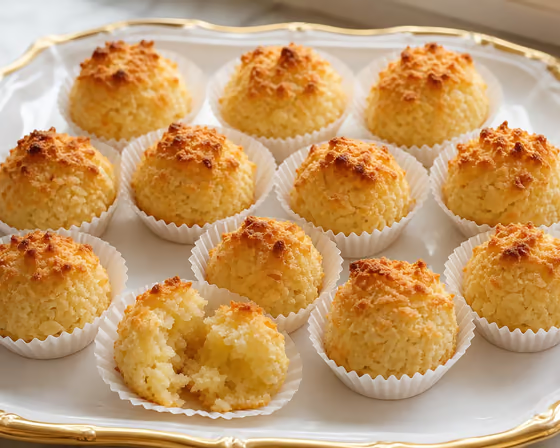 Catalogue image
 Portuguese Coconut Bakes
Coconut, sugar and eggs shaped into small, oven-gilded sweets.
Nationwide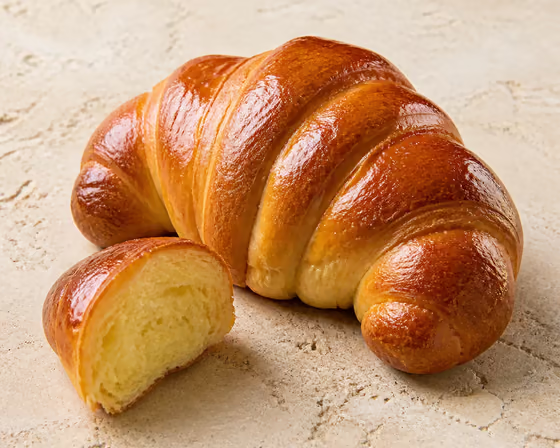 Catalogue image
 Portuguese Croissant
In Portugal, a crescent of soft brioche or French-style laminated dough—plain, sweet or savoury.
Nationwide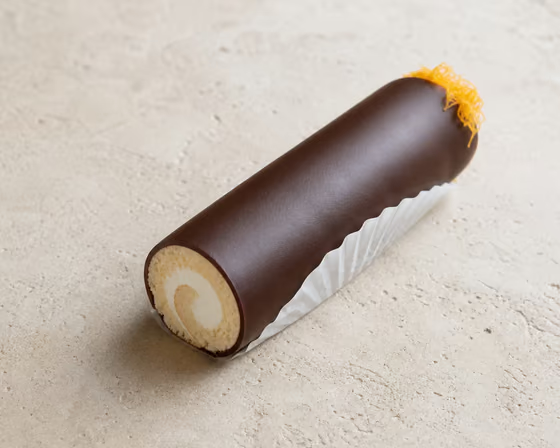 Catalogue image
 Portuguese Esquimó Chocolate Cake
Chilled sponge, buttercream, a thin chocolate shell and fios de ovos.
Nationwide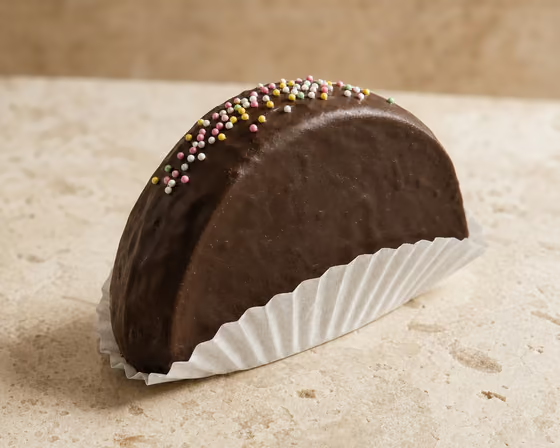 Catalogue image
 Portuguese Chocolate Slice
A dense half-moon of pastry trimmings completely coated in chocolate.
Nationwide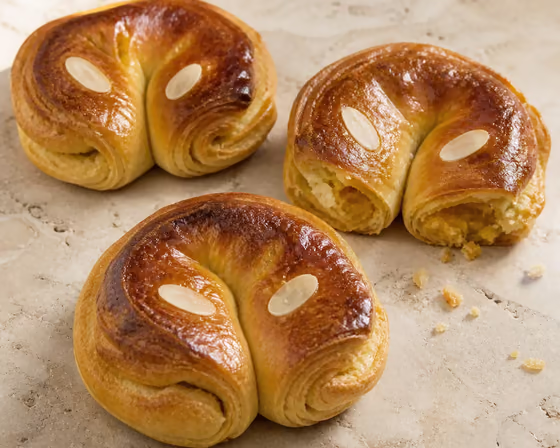 Catalogue image
 Portuguese Ferradura Horseshoe Brioche
Horseshoe-shaped brioche filled with egg-and-almond cream and marked by two pale almonds.
Nationwide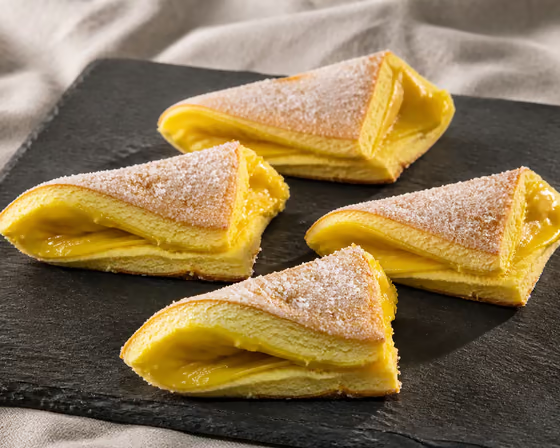 Catalogue image
 Portuguese Napkin Cake
A thin sponge sheet folded into a triangle, filled with cream and coated with sugar.
Nationwide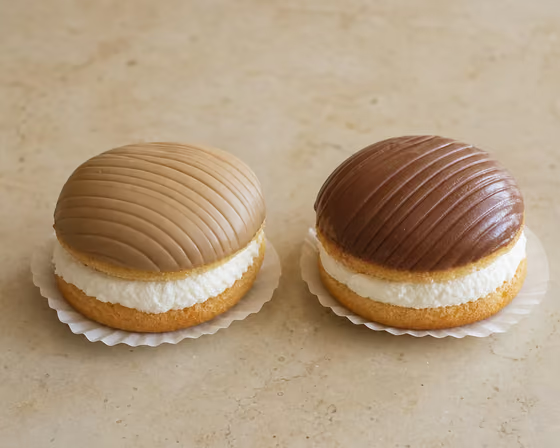 Catalogue image
 Portuguese Indiano Buttercream Cake
Two sponge halves, buttercream and coffee or chocolate fondant.
Nationwide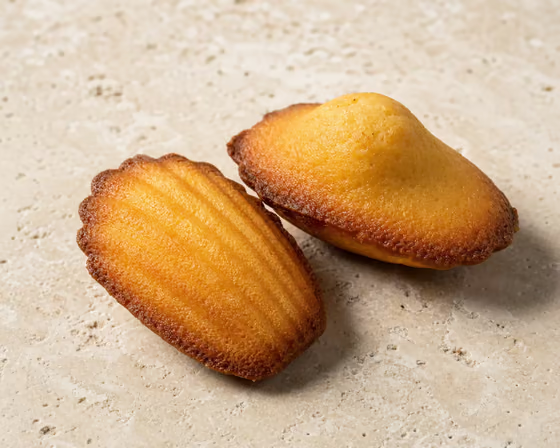 Catalogue image
 Portuguese Madeleine
A small buttery shell cake scented with citrus.
Nationwide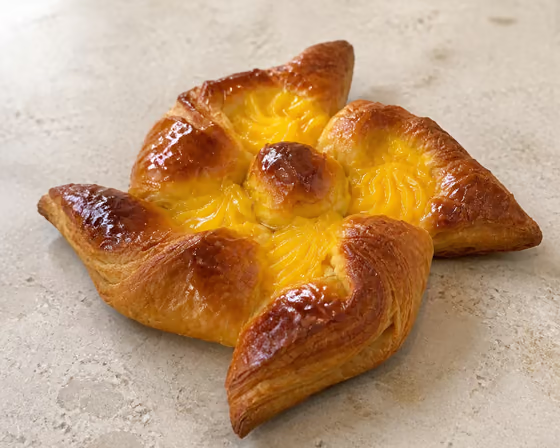 Catalogue image
 Portuguese Moinho Windmill Pastry
Four laminated-brioche blades turn around pools of egg-yolk cream.
Nationwide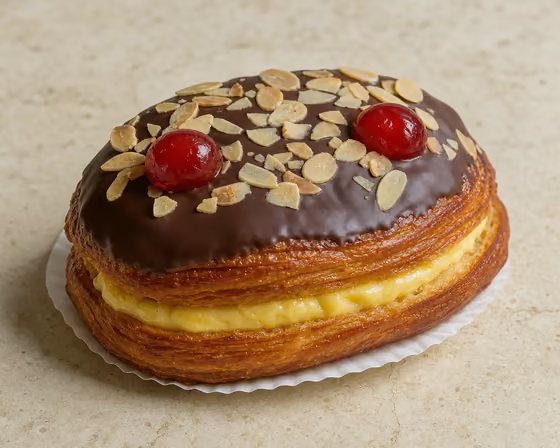 Catalogue image
 Portuguese Orelha Brioche
Egg-cream-filled brioche decorated with almond and two cherry halves.
Nationwide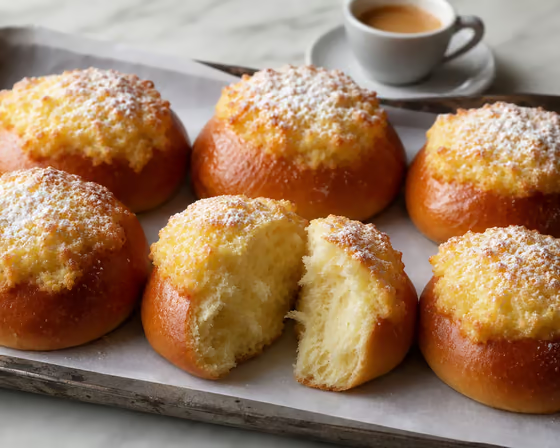 Catalogue image
 Pão de Deus
Brioche topped with coconut paste and powdered sugar.
Nationwide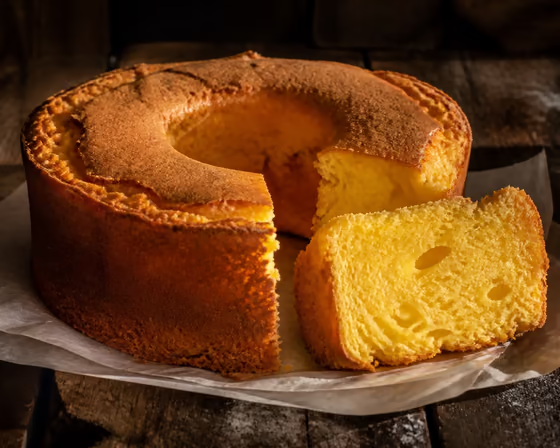 Catalogue image
 Pão de Ló
Egg yolk, sugar, flour — and three towns that argue over how done it should be.
Nationwide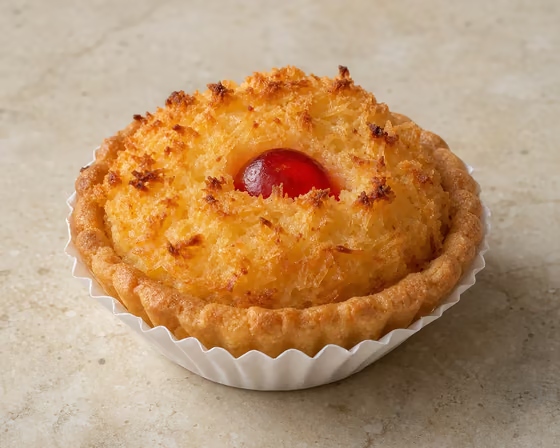 Catalogue image
 Portuguese Coconut Tart
A sweet-pastry shell, moist coconut paste and half a cherry on top.
Nationwide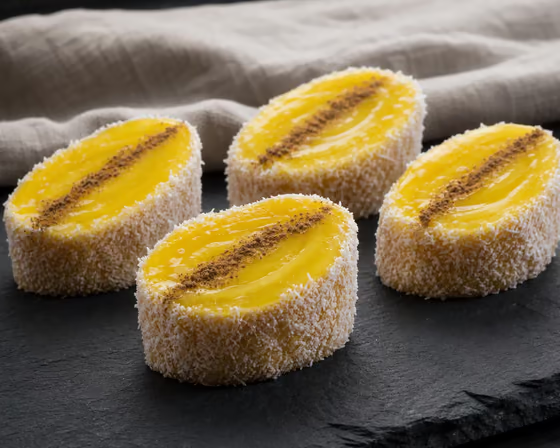 Catalogue image
 Portuguese Deer Hoof Cake
An angled slice of filled sponge roll, stood upright on coconut and marked with cinnamon.
Nationwide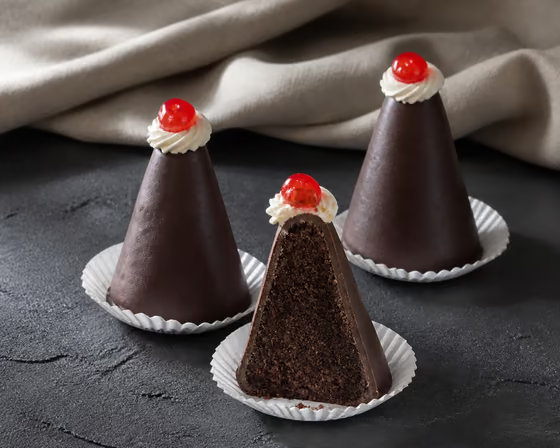 Catalogue image
 Portuguese Chocolate Pyramid Cake
A cone of cake crumbs bound with syrup, coated in chocolate and crowned with cream and cherry.
Nationwide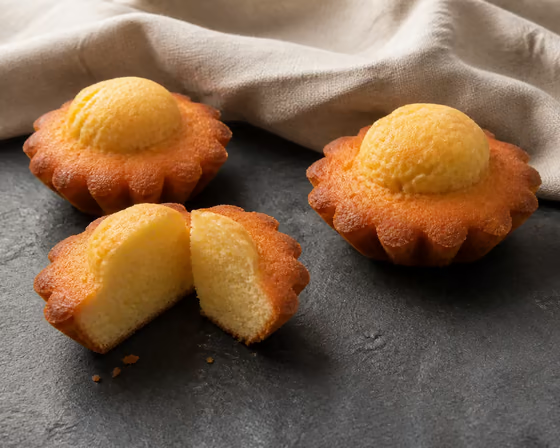 Catalogue image
 Portuguese Queque Cake
A small butter cake whose fluted form opens into a golden crown.
Nationwide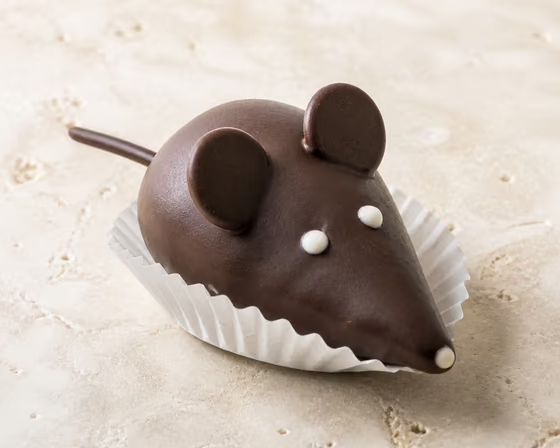 Catalogue image
 Portuguese Chocolate Mouse Cake
Pastry-trimmings cake shaped like a mouse, chocolate-coated and marked with icing.
Nationwide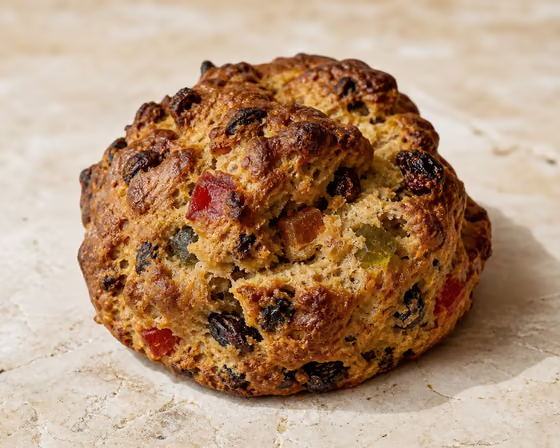 Catalogue image
 Portuguese Rocha Fruit Cake
A small dense irregular cake packed with candied fruit and raisins.
Nationwide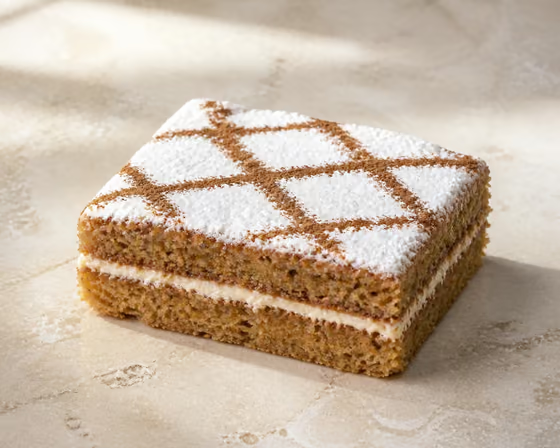 Catalogue image
 Portuguese Almond Russo Cake
Two moist almond-cake slabs, fresh cream and diamonds drawn across a field of icing sugar.
Nationwide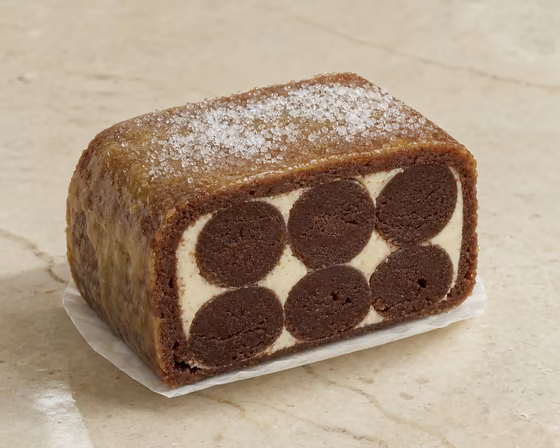 Catalogue image
 Portuguese Sabóia Mosaic Cake
Cake-trimming-paste rolls and casing, buttercream, egg sweet and white sugar.
Nationwide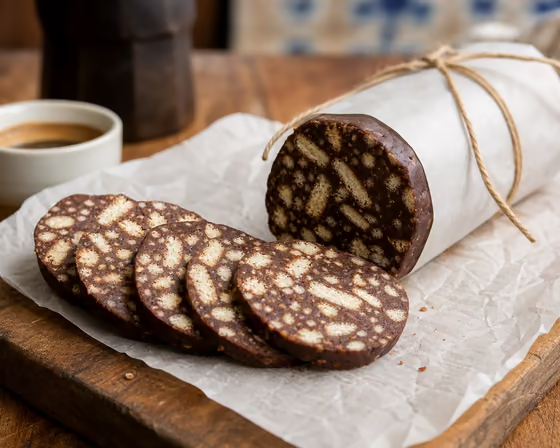 Catalogue image
 Chocolate Salami
A "sausage" you slice into rounds that tastes of chocolate and childhood.
Nationwide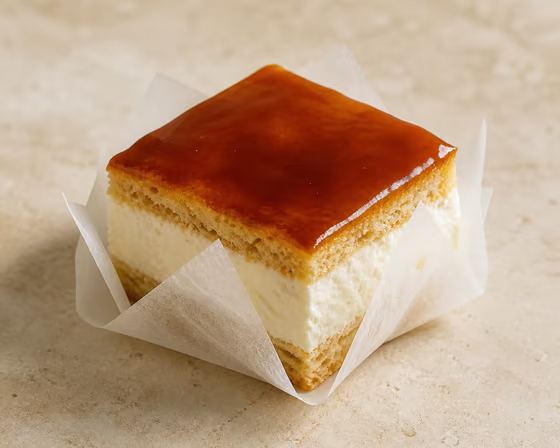 Catalogue image
 Portuguese São Marcos Cake
A chilled square of sponge and chantilly beneath a glassy layer of burnt egg-yolk cream.
Nationwide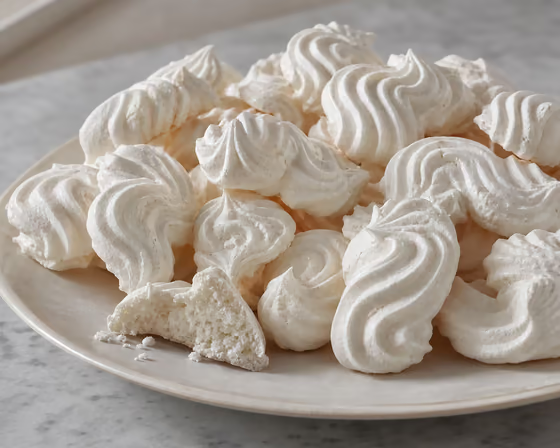 Catalogue image
 Meringues
Whipped egg whites and sugar, shaped and slowly dried in the oven.
Nationwide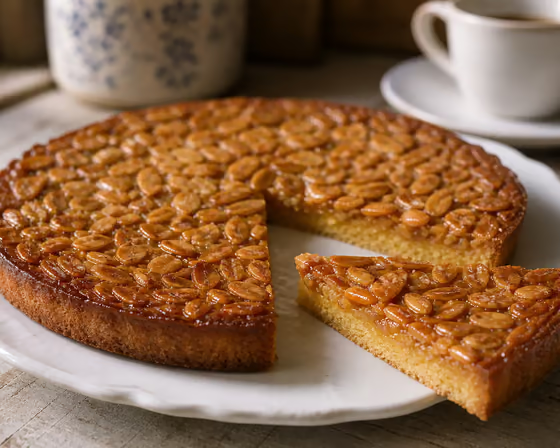 Catalogue image
 Almond Tart
A soft base and caramelised almond topping in a Portuguese tart with many versions.
Nationwide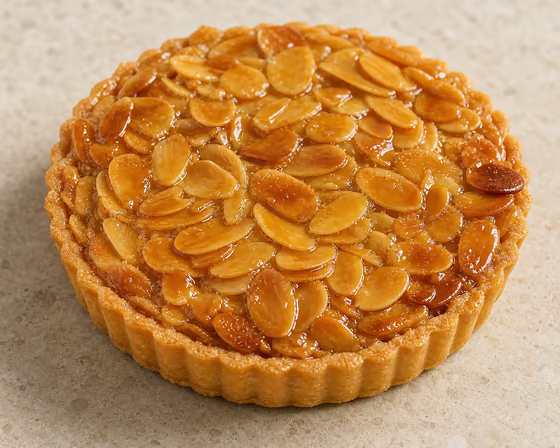 Catalogue image
 Portuguese Almond Tartlet
Sweet pastry covered with toasted sliced almond and a glossy jelly finish.
Nationwide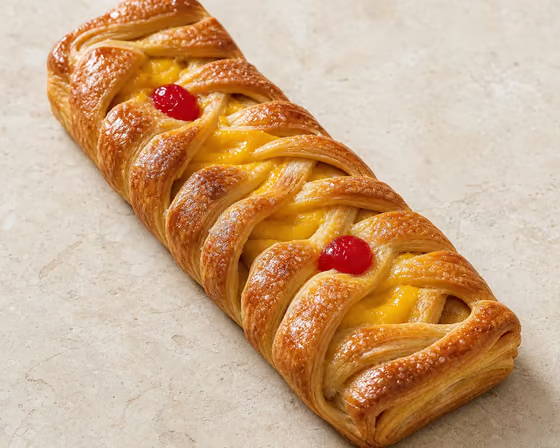 Catalogue image
 Portuguese Egg-Cream Brioche Braid
Braided brioche over egg cream, marked by two cherry halves.
Nationwide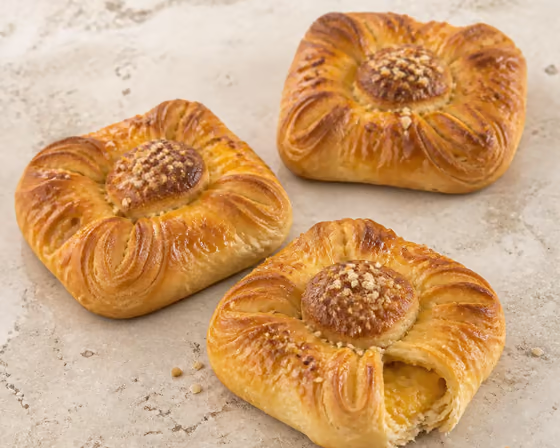 Catalogue image
 Portuguese Trinitá Egg-and-Almond Pastry
A brioche square whose four folded corners hold egg-and-almond cream beneath a round cap.
NationwideQuestions about this family
What are cakes & sweet breads?
The catalogue’s largest family: pão-de-ló, broas, celebration cakes, yeast doughs, biscuits and baked regional specialities.
How many sweets are in this category?
The catalogue contains 233 specialities in this family. Every record includes origin, ingredients, flavour, history, variations, season, where to try it and sources.
Where should I begin?
A useful first selection is Pão de Ló, Pão de Deus. The complete collection below also reveals lesser-known local specialities.