Condeixa-a-Nova Escarpiada
Also known as: Coimbra-region Escarpiadas · Condeixa Escarpiadas
Folded bread dough with olive oil, brown sugar and cinnamon, enclosing its own sweet syrup.
- Origin
- Condeixa-a-Nova · Central Portugal
- Place
- Condeixa-a-Nova
- Region
- The Centre
- Category
- Cakes & Sweet Breads
- Season
- Year-round; traditional at Easter, Christmas and local festivals
- Evidence
- Well documented
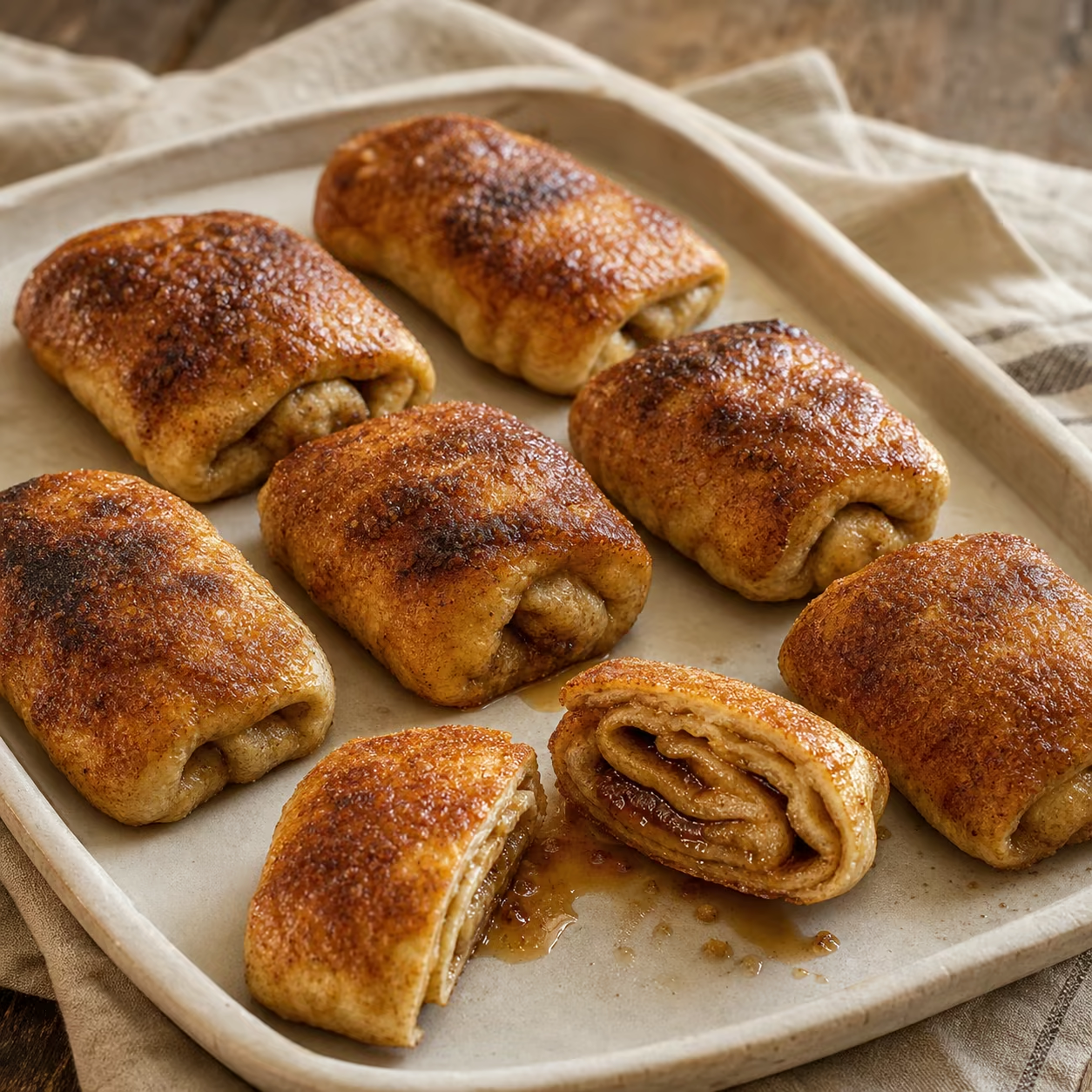
Escarpiada de Condeixa-a-Nova is a sweet cake of bread dough, brown sugar, olive oil and cinnamon, shaped like a small golden parcel. Its successive folds trap an aromatic syrup created by the sugar, cinnamon and olive oil as it bakes.
After proving, the dough is flattened, generously coated in olive oil and covered with sugar and cinnamon. Its edges are folded tightly inward, with another sweet layer added at each fold. A final drizzle of oil and cinnamon sugar prepares the surface for the oven.
- bread dough
- brown sugar
- olive oil
- cinnamon
- flour for rolling
Sweet and intensely cinnamon-spiced, with a toasted crust, tender crumb and moist pockets of syrup and olive oil.
It was once sold in large portions; individual sizes are now common. Fold count and syrup quantity vary by baker.
At bakeries and pastry shops in Condeixa-a-Nova, where it is available year-round.
Espresso, black tea or walnut liqueur.
Its exact origin is lost. DGADR records hypotheses connecting it both to Roman Condeixa and to medieval boleira cakes made from bread dough, sugar and cinnamon. The recipe passed orally between generations; in the first half of the 20th century one bakery took orders, and in the second half every baker in town was making Escarpiadas.
Well documented
Identity supported by institutional, specialist or corroborating sources.
- tradicional.dgadr.gov.pt/pt/cat/doces-e-produtos-de-pastelaria/1091-escarpiada-de-condeixa-a-nova (opens in a new tab)
- cm-condeixa.pt/turismo/gastronomia/ (opens in a new tab)
Pastries from here — The Centre
 Catalogue image
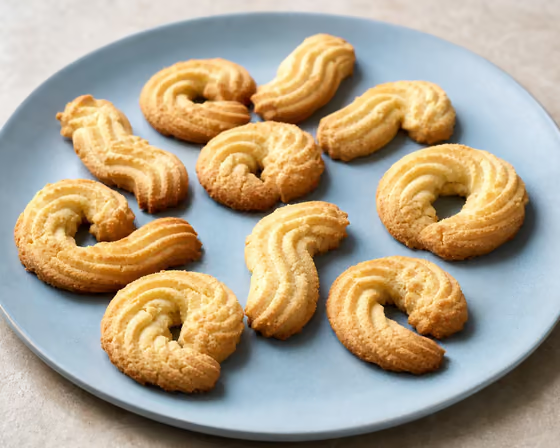
 Ílhavo Piped Butter Biscuits
Regional buttery biscuits piped into deeply ridged rings and curves.
The Centre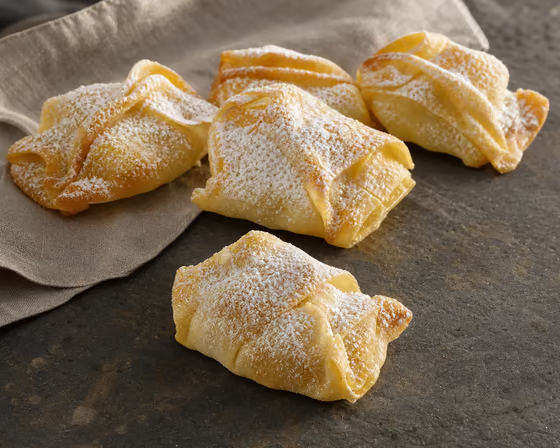 Catalogue image
 Saint Friar Gil’s Saddlebags
The small saddlebag-shaped pastry created at Vouzela’s vocational school and recognised as an innovative sweet.
The Centre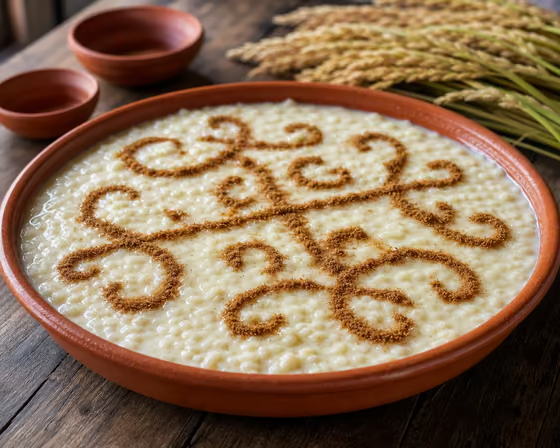 Catalogue image
 Baixo Mondego Rice Pudding
Mondego Carolino rice and Gândara milk, traced with cinnamon.
The Centre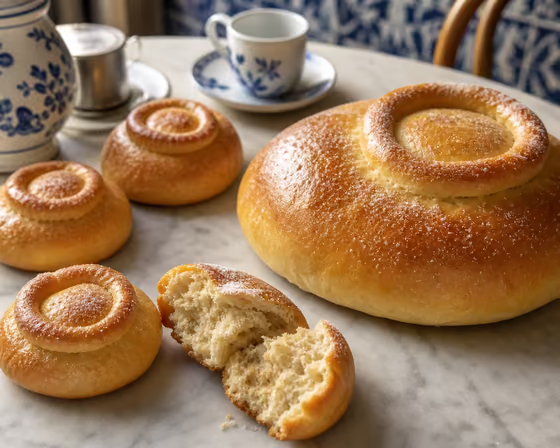 Catalogue image
 Arrufada de Coimbra
Coimbra's light, fragrant sweet bread, given by godparents at Easter.
The Centre