Viana Biscuits
Also known as: Viana Biscuits · Viana Milk-and-Butter Biscuits
Thin milk-and-butter biscuits, dry and crisp, documented for more than a century.
- Origin
- Viana do Castelo · Upper Minho
- Place
- Viana do Castelo
- Region
- The North
- Category
- Cakes & Sweet Breads
- Season
- Year-round
- Evidence
- Well documented
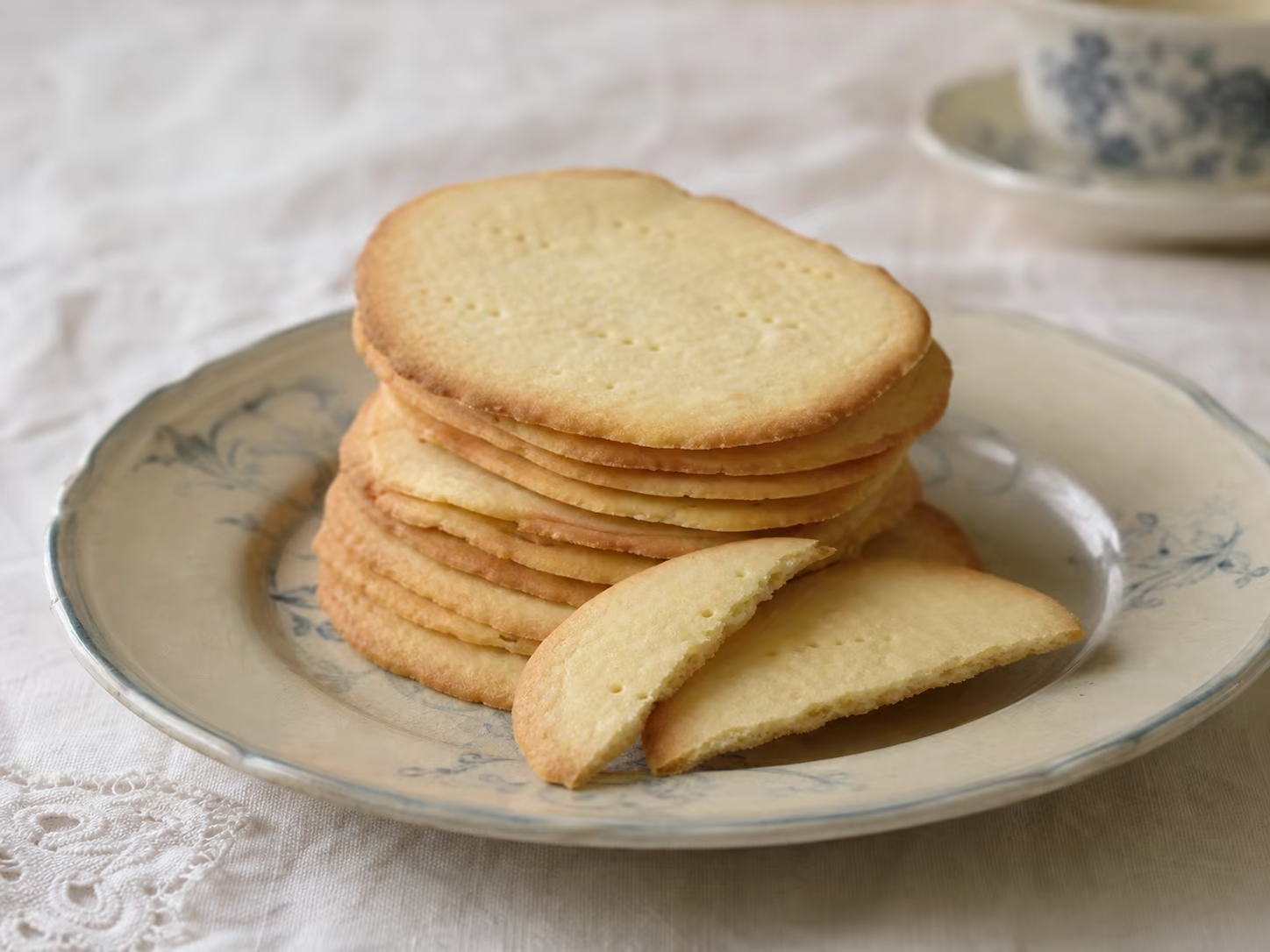
Biscoitos de Viana are small, very thin crisp biscuits made to accompany tea or Port. A recipe printed in 1921 under the title Bolachas de Viana pours freshly boiled milk over butter, adds flour and salt, rests the dough for eight hours and rolls it very thin before baking.
The result is a pale-to-golden, dry brittle biscuit with a simple milk-and-butter flavour. Thinness is essential: rather than a tall or soft cookie, it should be a delicate wafer-like biscuit that snaps when bitten.
- milk
- butter
- wheat flour
- salt
Buttery and milky, only lightly sweet in the historical formula, with a dry, thin and very crisp texture.
Confectioners keep their own formulas and may add sugar or flavourings; the historical reference preserves an austere milk, butter, flour and salt recipe.
At traditional confectioners in central Viana do Castelo, including Natário family shops, and regional sweet shops across the Upper Minho.
Tea, coffee or sweet Port.
The biscuits have belonged to Viana do Castelo's sweet repertoire for decades. The municipality, the Eixo Atlántico and historic city confectioners continue to present them as a Viana speciality.
A recipe published in the magazine Brotéria in May 1921 provides documentary evidence from before the Second World War. Modern stories attributing their arrival to Germans during the war should therefore be treated as oral tradition rather than proven chronology. Brazilian writer Jorge Amado became associated with the biscuits and Manuel Natário's confectionery, helping extend their literary fame.
Well documented
Identity supported by institutional, specialist or corroborating sources.
- cm-viana-castelo.pt/visite-viana/descobrir-viana/gastronomia-e-vinhos/curiosidades-gastronomicas (opens in a new tab)
- vive.eixoatlantico.com/pt-pt/comida-bebida/viana-do-castelo/docaria/ (opens in a new tab)
- web.bc.edu/jsdc/jsl/vulgari_19210501.pdf (opens in a new tab)
- pastelariaconfeitariamanuelnatario.pt (opens in a new tab)
Pastries from here — The North
 Catalogue image
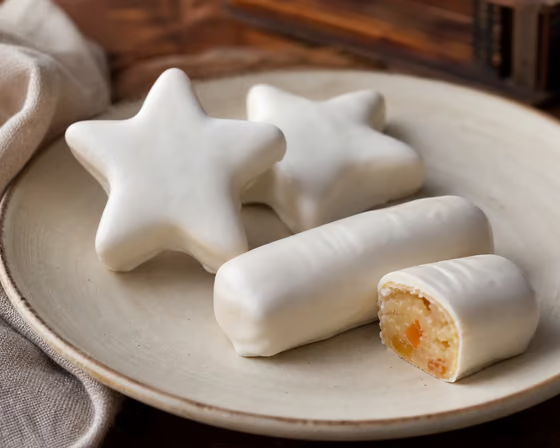
 A Bella Queijadinha de Barcelos
A white star of almond, preserved fruit and family memory.
The North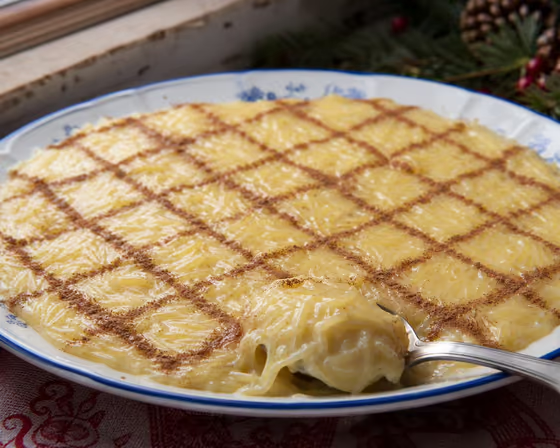 Catalogue image
 Sweet Vermicelli
Fine wheat threads simmered in milk and yolk, scored with cinnamon.
The North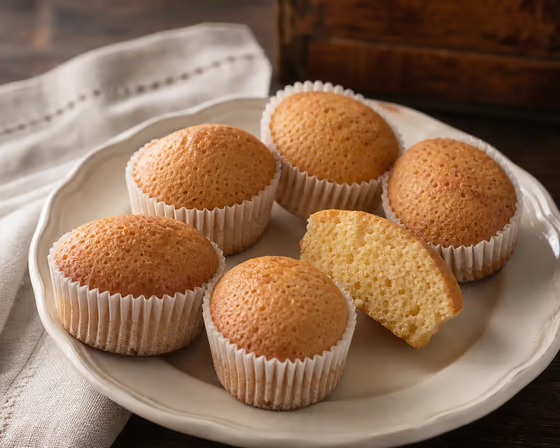 Catalogue image
 Amarantinos
Small egg, lemon and cinnamon cakes whose historical identity is not told consistently by the sources.
The North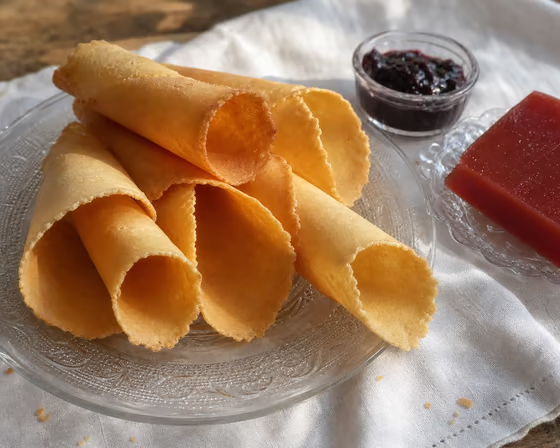 Catalogue image
 Vieira do Minho Cone Wafers
Paper-thin crisp wafers, iron-baked and rolled by hand while still hot.
The North