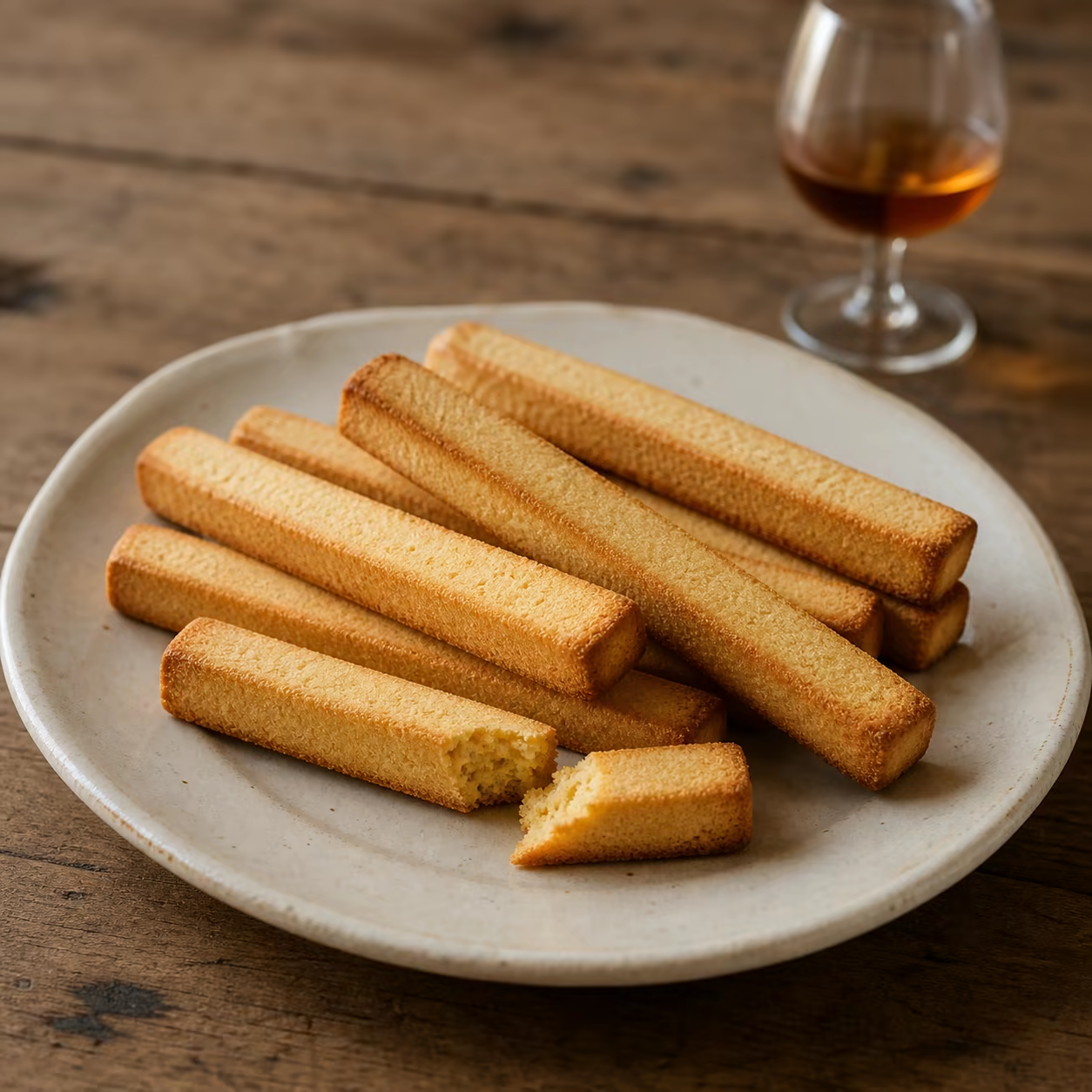
Oeiras Biscuit Fingers
Also known as: Oeiras Biscuit Fingers · Marquis’s Biscuit Fingers · Oeiras Biscuits
Lemon-and-cinnamon sponge strips baked a second time until hard and crisp.
- Origin
- Oeiras, Lisbon
- Place
- Oeiras
- Region
- Lisbon
- Category
- Cakes & Sweet Breads
- Season
- Year-round
- Evidence
- Well documented
Palitos de Oeiras are long biscuits made from an egg-and-sugar-rich batter scented with cinnamon and lemon zest. The batter is first baked in trays as a shallow sponge; once cold, it is cut into narrow strips that return to the oven to toast.
The second bake explains their dry, firm and very crisp texture. Traditionally stored in tins, they were dipped into Carcavelos fortified wine.
- Wheat flour
- Sugar
- Eggs
- Cinnamon
- Lemon zest
- Butter for the tray
Dry, firm and crisp, with sponge-cake sweetness and a restrained lemon-and-cinnamon aroma.
Some biscuit recipes from the same tradition add whole almonds; cutting thickness and degree of toasting change the final texture.
The tradition has been revived by local Oeiras businesses. Look in regional-product shops and pair them with Carcavelos wine.
Carcavelos wine, coffee or tea.
Portugal’s 1896 Ethnographic Exhibition already listed Oeiras fingers and biscuits among the characteristic sweets of Portuguese towns. Local historical research places the first Oeiras biscuit factories in either 1762 or 1772, although the precise date remains uncertain.
The name Palitos do Marquês popularly connects them with the Marquis of Pombal and his Oeiras estate, but the source itself treats that palace origin as unproven tradition. Bento da Maia published a recipe in his 1904 Tratado Completo de Cozinha e Copa.
Well documented
Identity supported by institutional, specialist or corroborating sources.
- historiasacucaradas.wordpress.com/2020/09/19/um-carcavelos-e-dois-palitos/ (opens in a new tab)
- upload.wikimedia.org/wikipedia/commons/e/e6/Exposi%C3%A7%C3%A3o_Ethnografica_Portugueza%2C_Portugal_e_Ilhas_Adjacentes_%281896%29.pdf (opens in a new tab)
- run.unl.pt/server/api/core/bitstreams/e4604abf-7307-4651-8f29-d6ab00144b55/content (opens in a new tab)
Pastries from here — Lisbon
 Catalogue image
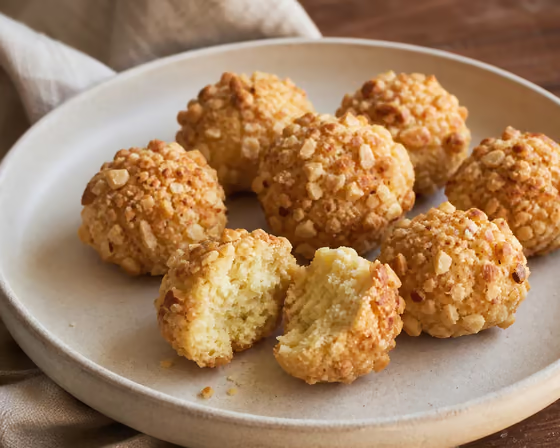
 Amendoados
Small dry, crumbly cakes, shaped by hand and crowned with coarsely chopped almonds.
Lisbon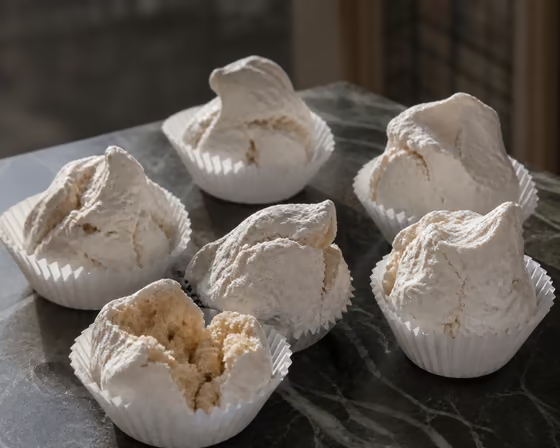 Catalogue image
 Azeitão Almond Meringues
Rustic hand-shaped almond meringues with a white, delicately cracked shell.
Lisbon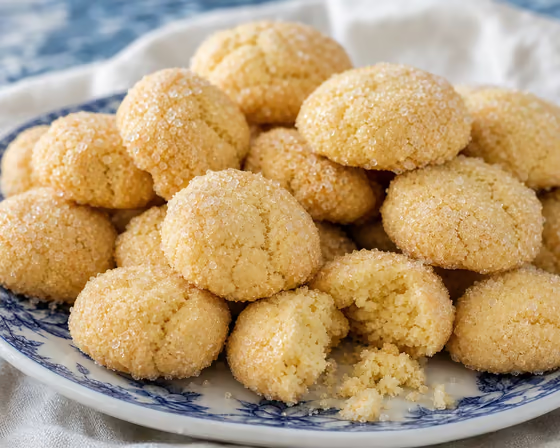 Catalogue image
 Cascais Sands
Beach sand that melts on the tongue.
Lisbon Catalogue image
 Arroubo Grape-Must Preserve
Must reduced slowly—alone as syrup or with fruit as uvada—in terminology that varies among sources and localities.
Lisbon