Calafates Walnut Cakes
Also known as: Calafate de Noz · Calafates Walnut Cakes
The rustic walnut cake honouring the craftsmen who maintained the Tagus boats.
- Origin
- Vila Nova da Barquinha · memory of the Tagus boat caulkers and All Saints’ Day cakes
- Place
- Vila Nova da Barquinha
- Region
- The Centre
- Category
- Cakes & Sweet Breads
- Season
- Documented association with All Saints’ Day; current availability should be confirmed with the producer
- Evidence
- Limited documentation
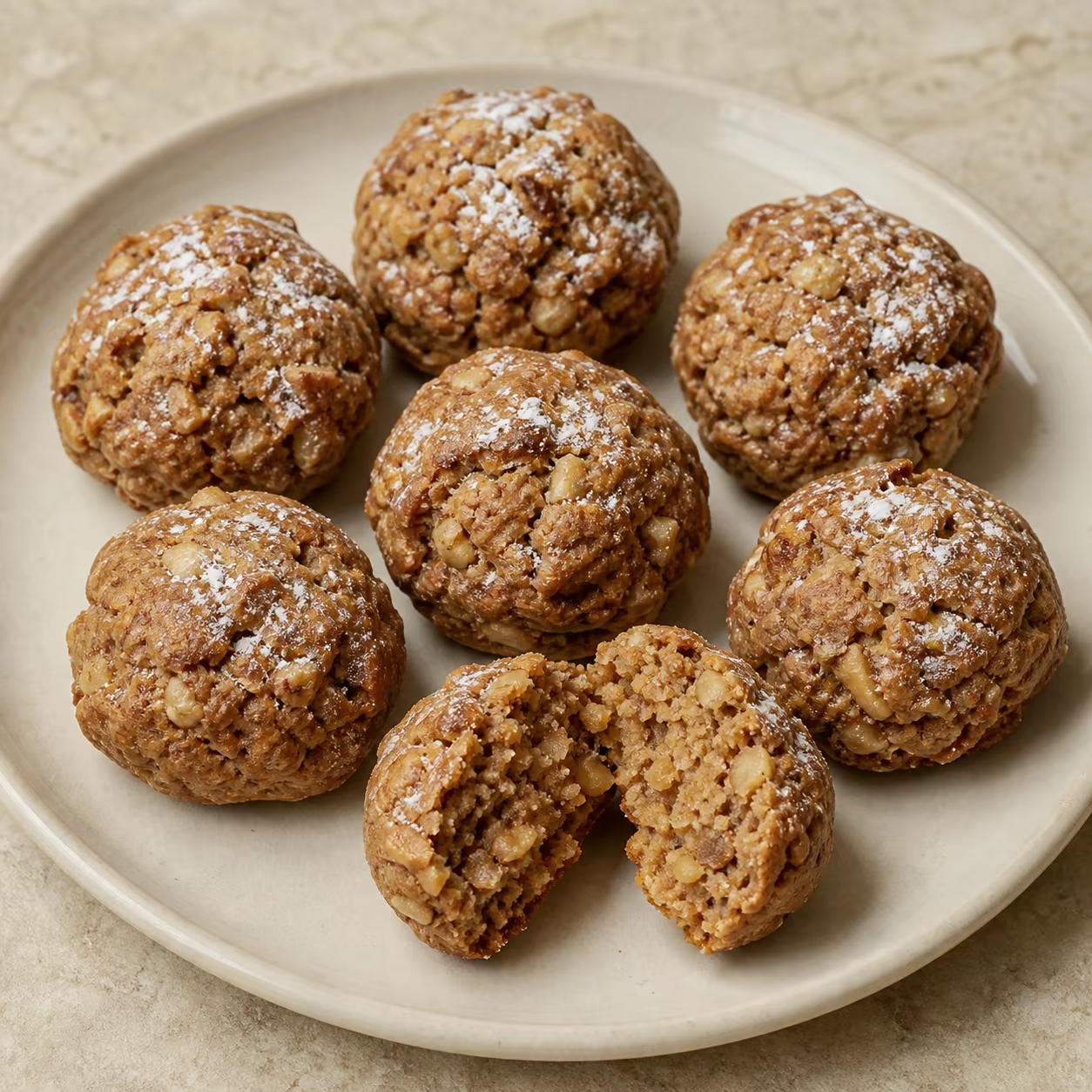
Calafates de Noz are small cakes from Vila Nova da Barquinha, presented as round, compact, rustic pieces with visible walnut. This page’s image is an editorial representation consistent with published product photographs, not a record of the recipe or a certified specimen.
Walnut is the publicly confirmed ingredient and gives the product its name. The complete formula has not been published in the sources consulted, so eggs, flour, honey, spices or other components should not be attributed to the sweet without direct information from the producer.
- Walnut; remaining ingredients undisclosed
A walnut-led profile with a visibly dense, coarse texture; the complete composition and additional flavour notes are unpublished.
No formally documented variants were found. The plural name “Calafates de Noz” identifies the product, while “Calafate de Noz” may refer to one individual cake.
The Templar Route’s food experience includes a Calafates de Noz tasting at Licoraria Tesouro D’Almourol in Vila Nova da Barquinha by appointment. The sweet also appears at regional fairs and municipal showcases; always confirm availability and opening times.
The Templar Route documents a tasting alongside Tesouro D’Almourol liqueurs; coffee or tea are editorial suggestions, not documented traditional pairings.
Teresa Nicolau of Licoraria Tesouro D’Almourol connects the sweet with the caulkers who settled along the Barquinha riverbanks in winter to maintain and caulk the boats. According to the local memory she collected, their children gathered walnuts from the many riverside trees, cracked them by hand and shaped small balls for the tradition of exchanging cakes on 1 November.
The producer revived and named the piece Calafate de Noz to honour that craft and keep the tradition from disappearing. This is an oral narrative documented today through the reviver herself, rather than an independently proven archival chain. In 2025, the sweet earned a bronze medal in the National Traditional Portuguese Popular Confectionery Competition at the National Agriculture Fair.
Limited documentation
The identity is documented, but its origin, composition or availability has limited sourcing.
- mediotejo.net/enologa-da-barquinha-resgata-doces-conventuais-e-licores-ancestrais-c-audio/ (opens in a new tab)
- templarportugal.com/pt/ficar/experiencias/gastronomia/tesouro-dalmourol/ (opens in a new tab)
- radiocondestavel.pt/noticias/figueiro-dos-vinhos-fim-de-semana-mais-doce-do-ano-ja-comecou/ (opens in a new tab)
- maisribatejo.pt/municipios-ribatejo-feira-nacional-agricultura/ (opens in a new tab)
Pastries from here — The Centre
 Catalogue image
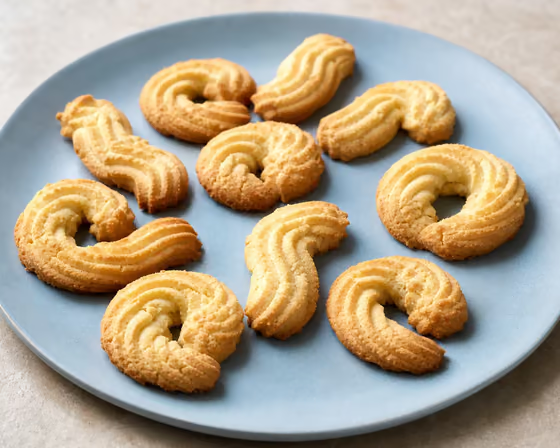
 Ílhavo Piped Butter Biscuits
Regional buttery biscuits piped into deeply ridged rings and curves.
The Centre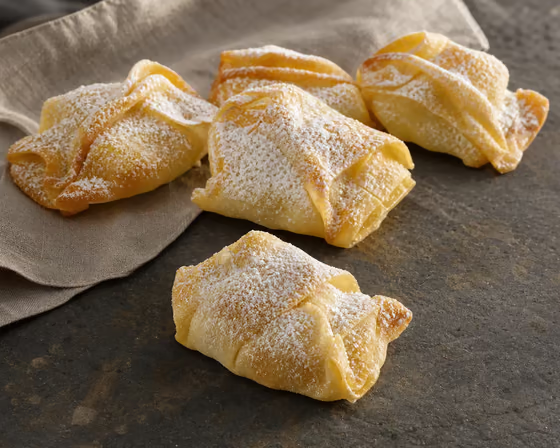 Catalogue image
 Saint Friar Gil’s Saddlebags
The small saddlebag-shaped pastry created at Vouzela’s vocational school and recognised as an innovative sweet.
The Centre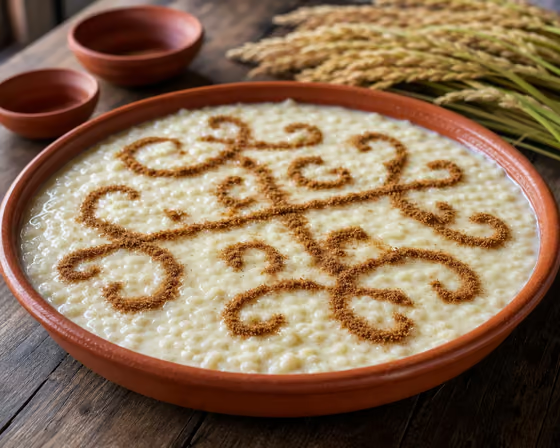 Catalogue image
 Baixo Mondego Rice Pudding
Mondego Carolino rice and Gândara milk, traced with cinnamon.
The Centre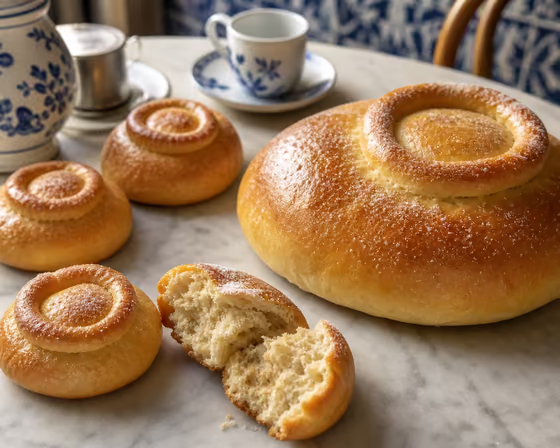 Catalogue image
 Arrufada de Coimbra
Coimbra's light, fragrant sweet bread, given by godparents at Easter.
The Centre