Traditional Mira de Aire Pastries
Also known as: Traditional Mira de Aire Pastries · Mira de Aire Almond Tarts
Thin pastry, almond and abundant yolks beneath icing sugar.
- Origin
- Mira de Aire · Porto de Mós · family recipe passed between generations
- Place
- Mira de Aire · Porto de Mós
- Region
- The Centre
- Category
- Cakes & Sweet Breads
- Season
- Year-round
- Evidence
- Well documented
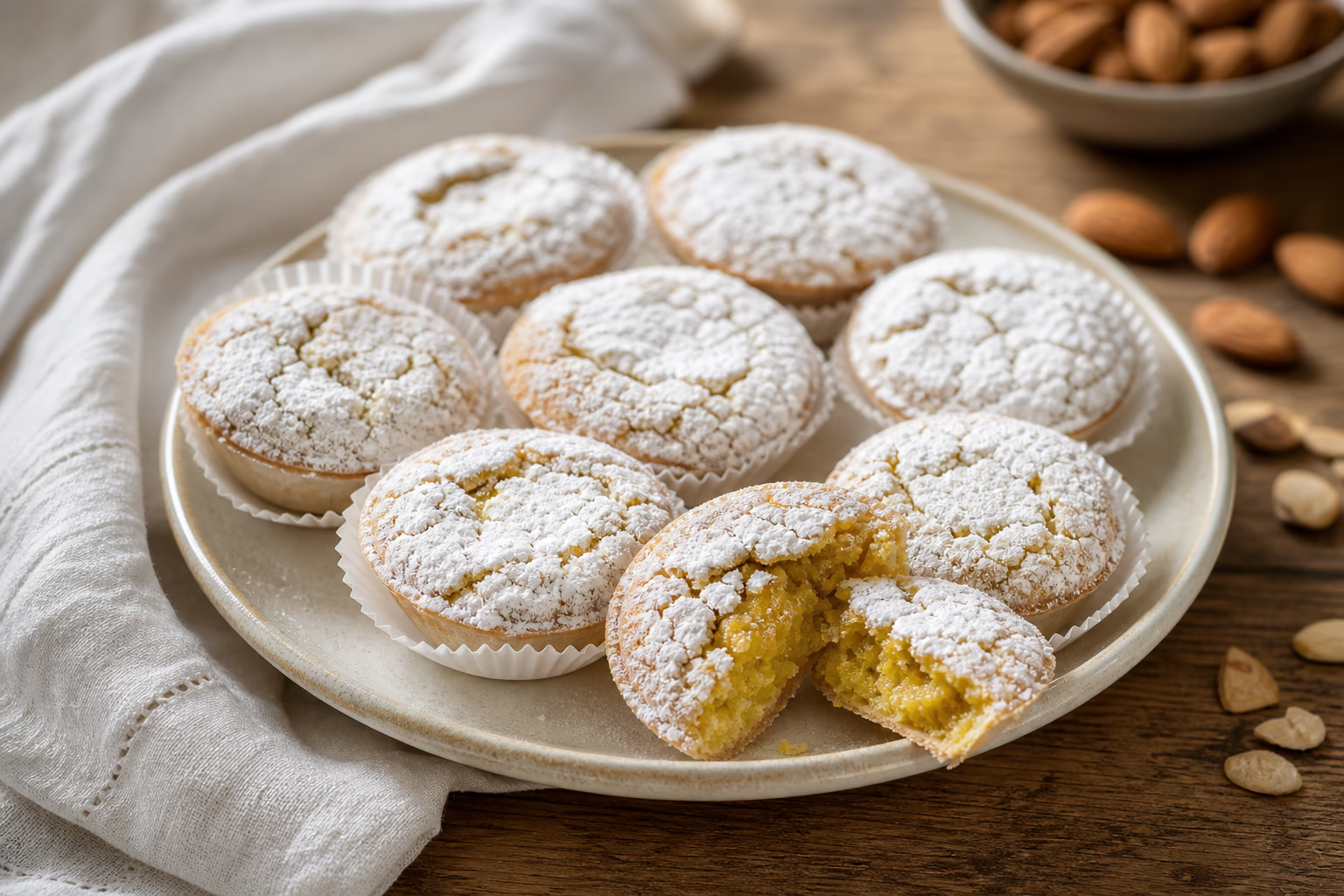
Pastéis Tradicionais de Mira de Aire are small, low round pastries with a fine crisp shell and a coating of icing sugar. Inside is a yellow filling of almonds, flour, water and a generous proportion of yolks.
The top tends to form small cracks as it bakes. The contrast between dry shell and rich centre places them within Portugal's broad family of regional almond-and-egg pastries, but their recipe and name belong to Mira de Aire.
- Flour
- Water
- Almonds
- Sugar
- Egg yolks
- Icing sugar
A fine dry shell, moist almond-and-yolk filling, pronounced sweetness and a lightly toasted finish.
The reference recipe is a family one; shell thickness, filling moisture and the amount of outer sugar can vary between batches.
Look for them in Mira de Aire at local shops and sweet producers, or at food events across the municipality of Porto de Mós.
Espresso or black tea; bitterness balances the sweet filling.
Porto de Mós Municipality presents them as a family recipe passed down through generations and as part of Mira de Aire's identity. That domestic continuity moved into local production, making the pastry a reference sweet of the parish.
In 2019, the name joined the municipality's entries for the Seven Wonders of Portuguese Sweets alongside other Porto de Mós specialties.
Well documented
Identity supported by institutional, specialist or corroborating sources.
- municipio-portodemos.pt/pages/1291 (opens in a new tab)
- visite.portodemos.pt/visitar/made-in-porto-de-mos/docaria (opens in a new tab)
Pastries from here — The Centre
 Catalogue image
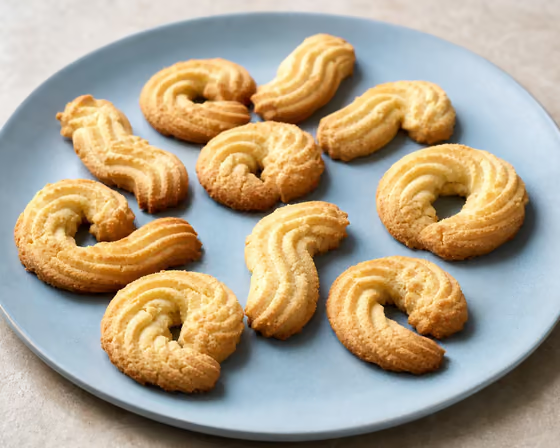
 Ílhavo Piped Butter Biscuits
Regional buttery biscuits piped into deeply ridged rings and curves.
The Centre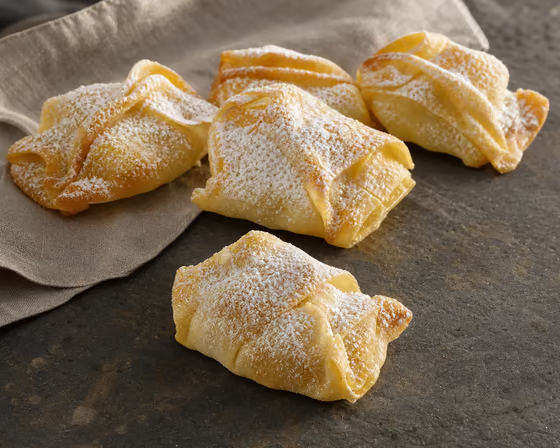 Catalogue image
 Saint Friar Gil’s Saddlebags
The small saddlebag-shaped pastry created at Vouzela’s vocational school and recognised as an innovative sweet.
The Centre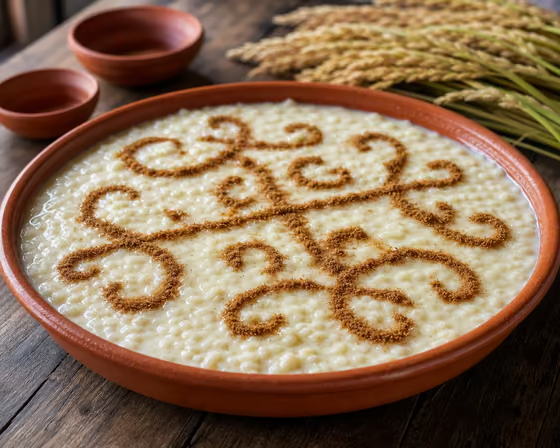 Catalogue image
 Baixo Mondego Rice Pudding
Mondego Carolino rice and Gândara milk, traced with cinnamon.
The Centre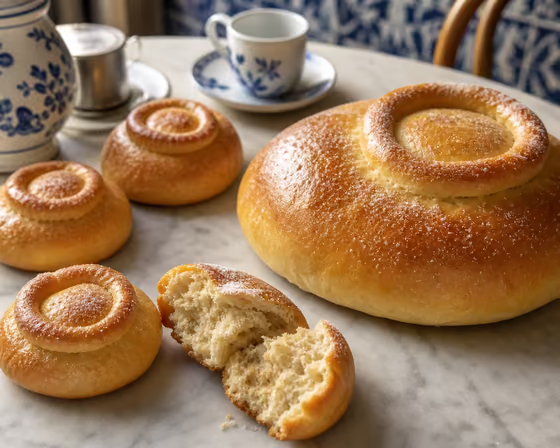 Catalogue image
 Arrufada de Coimbra
Coimbra's light, fragrant sweet bread, given by godparents at Easter.
The Centre