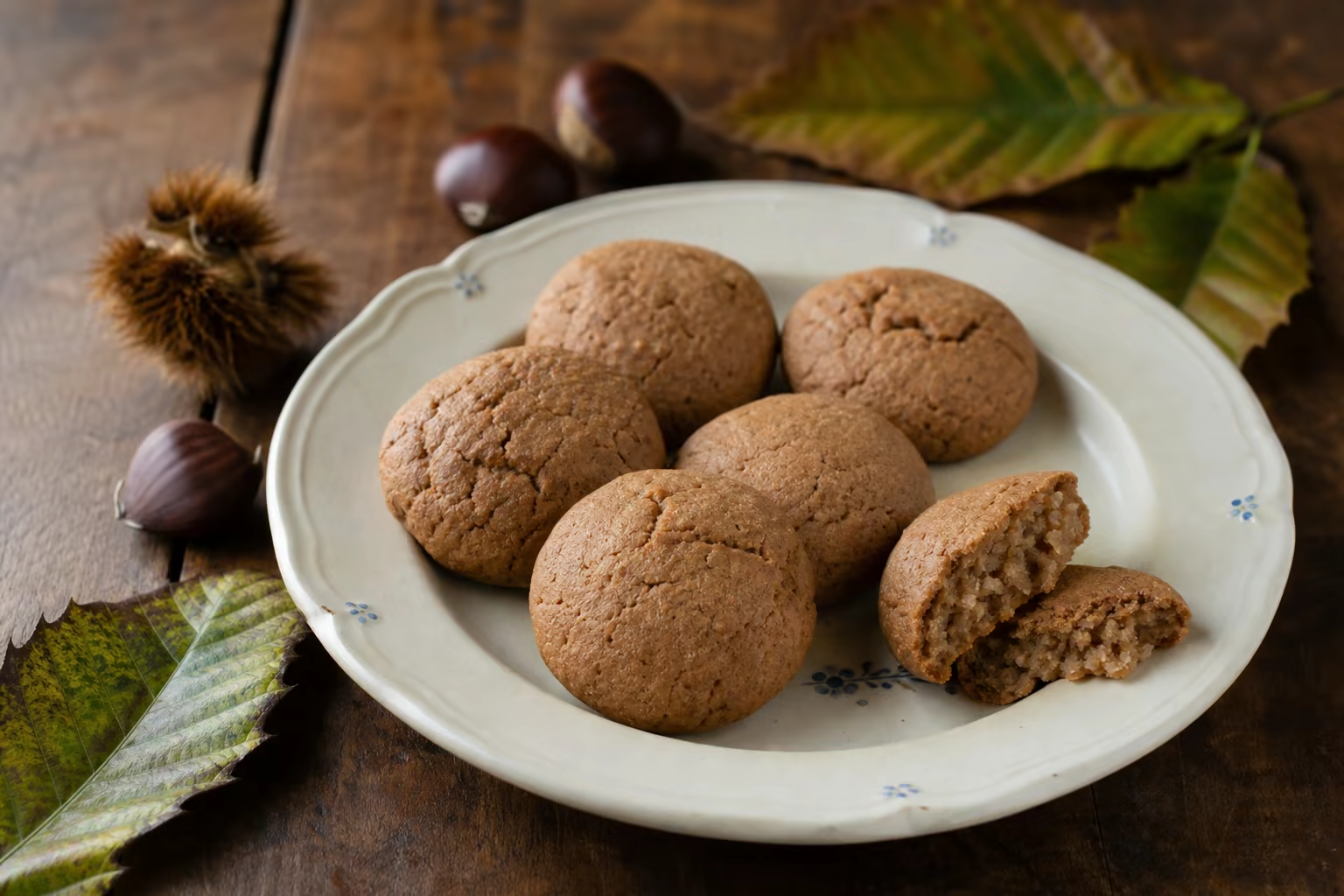
Chestnut Biscuit
A brown biscuit that brings Penedono chestnuts into the pastry case.
- Origin
- Penedono · Beira Alta
- Place
- Penedono
- Region
- The Centre
- Category
- Cakes & Sweet Breads
- Season
- Year-round · especially autumn
- Evidence
- Well documented
Biscoito de Castanha is a brown Penedono speciality made with chestnuts, wheat flour, sugar, eggs, olive oil and brandy. Chestnut is not merely a flavouring: it gives body, earthy colour and identity to a biscuit rooted in the municipality's extensive groves.
It is sold year-round and offers a contemporary expression of an ingredient that has long been central to local food.
- chestnuts
- wheat flour
- sugar
- eggs
- olive oil
- brandy
Moderately sweet, toasted and earthy, with chestnut's soft density and notes of olive oil and brandy.
The recipe is closely associated with its maker and with Penedono; size and finish may vary between batches.
Look for it in Penedono through direct sale and at events devoted to chestnuts and local confectionery.
Coffee, black tea or chestnut liqueur.
Maria de Jesus's traditional recipe gained prominence in 2014 when it won Best Traditional Sweet at the PENEDOCE competition during Mercado Magriço. An independent regional account confirms that Penedono municipality held the competition's first edition that year, with chef Hernâni Ermida chairing the jury, and that the chestnut biscuit was one of two sweets recognised for ties to regional roots and an innovative approach. Penedono lies within the Castanha dos Soutos da Lapa PDO area, and the biscuit became another way to celebrate that crop.
Well documented
Identity supported by institutional, specialist or corroborating sources.
- tradicional.dgadr.gov.pt/pt/cat/doces-e-produtos-de-pastelaria/718-biscoito-de-castanha (opens in a new tab)
- diocesedelamego.wordpress.com/2021/11/ (opens in a new tab)
Pastries from here — The Centre
 Catalogue image
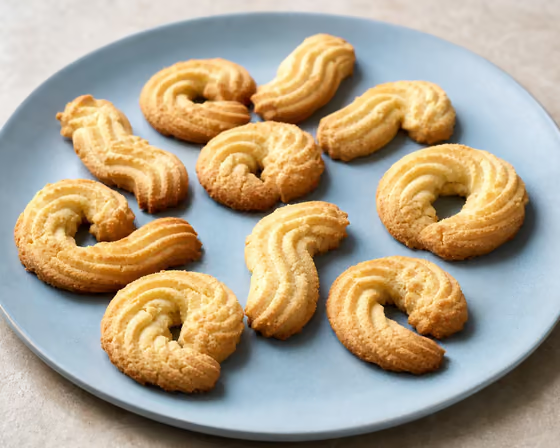
 Ílhavo Piped Butter Biscuits
Regional buttery biscuits piped into deeply ridged rings and curves.
The Centre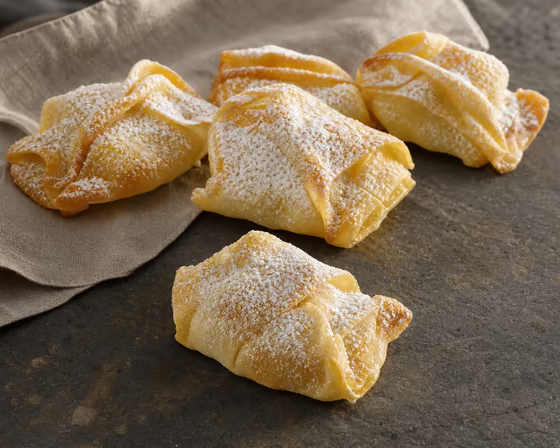 Catalogue image
 Saint Friar Gil’s Saddlebags
The small saddlebag-shaped pastry created at Vouzela’s vocational school and recognised as an innovative sweet.
The Centre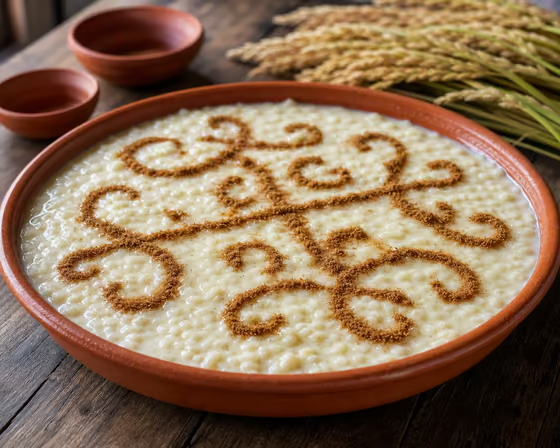 Catalogue image
 Baixo Mondego Rice Pudding
Mondego Carolino rice and Gândara milk, traced with cinnamon.
The Centre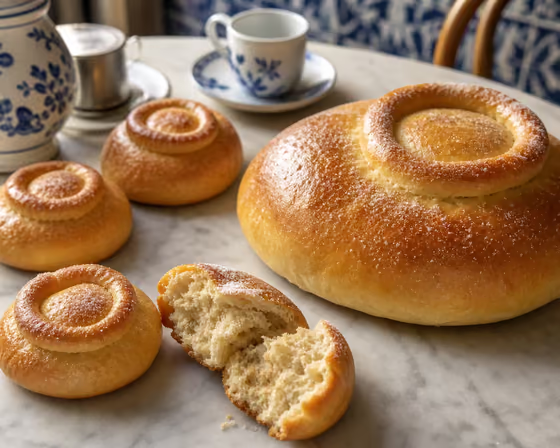 Catalogue image
 Arrufada de Coimbra
Coimbra's light, fragrant sweet bread, given by godparents at Easter.
The Centre