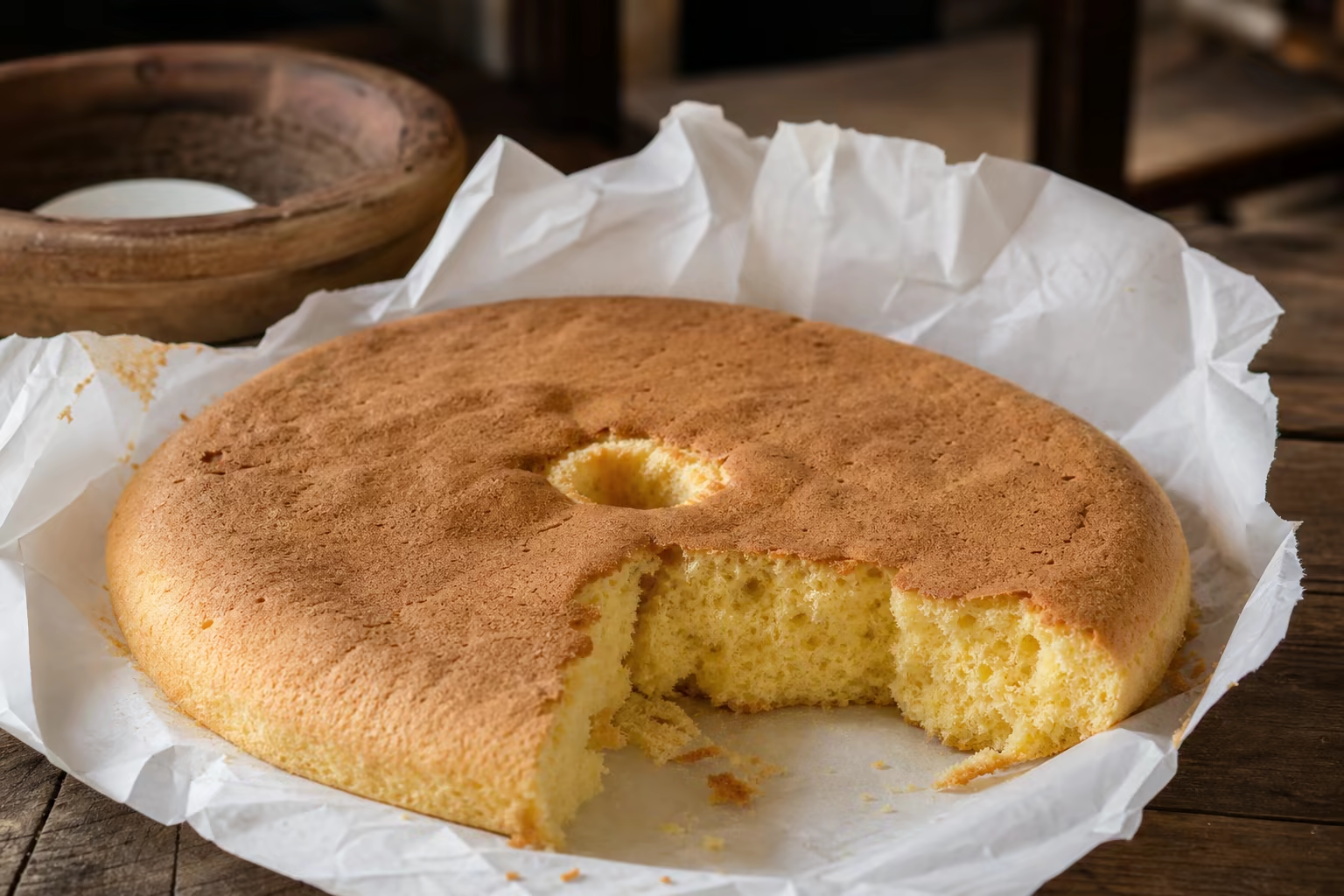
Margaride Sponge Cake
Also known as: Margaride Light Sponge · Margaride Ring Sponge
An exceptionally light, dry ring sponge, clay-baked and traditionally torn by hand.
- Origin
- Margaride · Felgueiras
- Place
- Margaride · Felgueiras
- Region
- The North
- Category
- Cakes & Sweet Breads
- Season
- Year-round; especially Easter and Christmas
- Evidence
- Well documented
Pão de Ló de Margaride, also called pão leve or rosca de Margaride, is a large, moderately sweet cake of eggs, sugar and flour. It is round with a central hole, an extremely light golden-yellow interior and a domed brown upper surface.
Its sides, base and the wall of the central hole remain crustless, protected by the paper lining its mould. The batter is beaten with wooden beaters and baked in clay forms inside a domed oven; it is served in its paper and traditionally torn apart by hand.
- eggs
- sugar
- wheat flour
Moderately sweet, exceptionally light and dry, with clean egg flavour and a toasted top.
Pão leve de Margaride and rosca de Margaride are names for the same product; yolks determine its shade of yellow.
From certified producers and historic bakeries in Felgueiras municipality, especially Margaride.
Port, milky coffee or a sweet Vinho Verde.
The documented tradition begins with Clara Maria, who died in 1831 after making the cake in Margaride. António Félix continued production, and Leonor Rosa da Silva bought the historic factory house in 1875. In 1888 she was honoured as a supplier to the House of Braganza, and in 1893 King Carlos authorised the use of the royal arms.
Well documented
Identity supported by institutional, specialist or corroborating sources.
- tradicional.dgadr.gov.pt/pt/cat/doces-e-produtos-de-pastelaria/193-pao-de-lo-de-margaride (opens in a new tab)
- cm-felgueiras.pt/venha-experimentar-saborear-e-sentir-felgueiras/ (opens in a new tab)
Pastries from here — The North
 Catalogue image
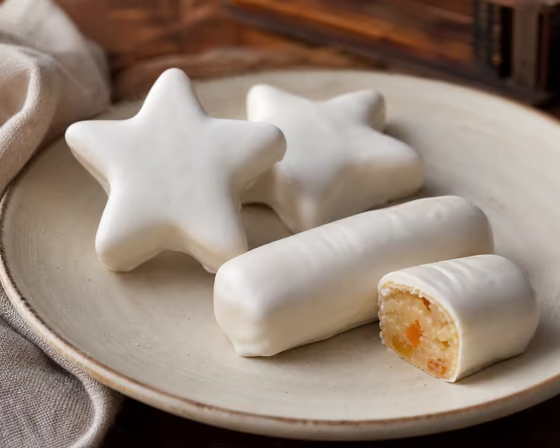
 A Bella Queijadinha de Barcelos
A white star of almond, preserved fruit and family memory.
The North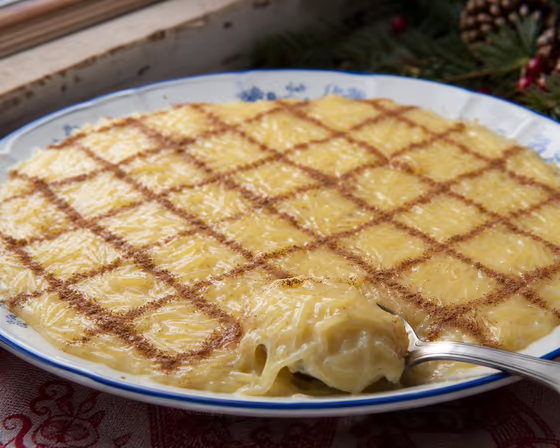 Catalogue image
 Sweet Vermicelli
Fine wheat threads simmered in milk and yolk, scored with cinnamon.
The North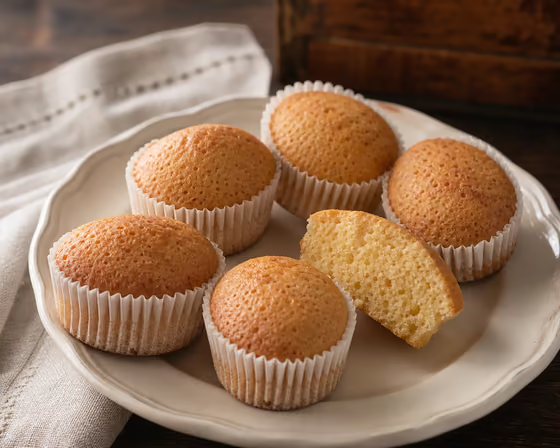 Catalogue image
 Amarantinos
Small egg, lemon and cinnamon cakes whose historical identity is not told consistently by the sources.
The North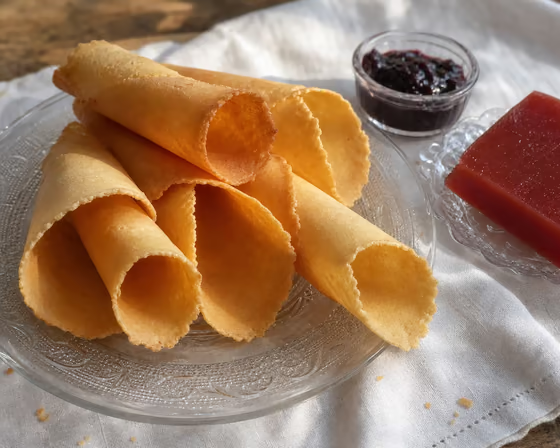 Catalogue image
 Vieira do Minho Cone Wafers
Paper-thin crisp wafers, iron-baked and rolled by hand while still hot.
The North