Portuguese São Marcos Cake
Also known as: Portuguese São Marcos cake · Saint Mark cake · Portuguese burnt-egg-cream cake
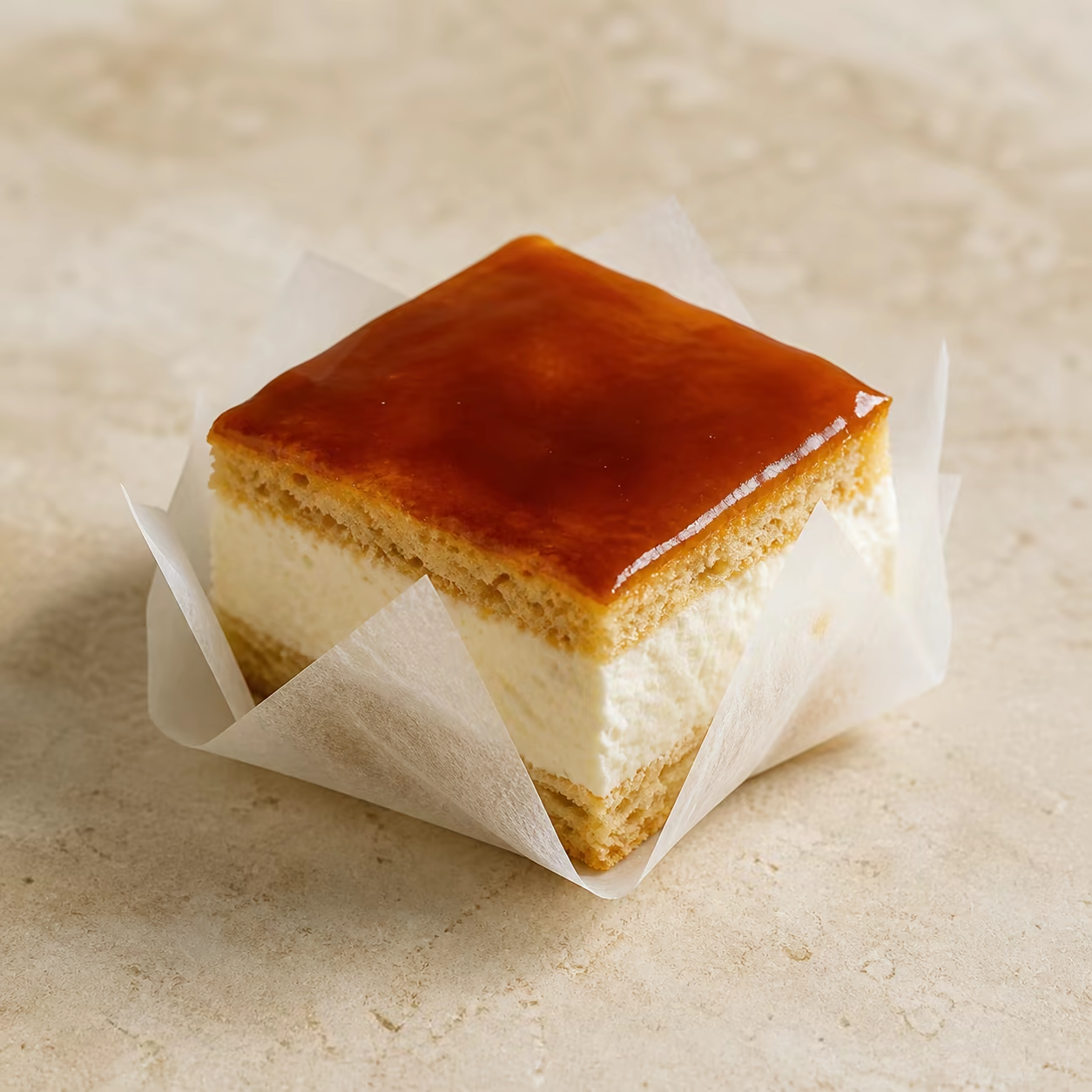
A chilled square of sponge and chantilly beneath a glassy layer of burnt egg-yolk cream.
- Origin
- Portuguese pastry-counter tradition · name origin and creator not established
- Place
- Portugal
- Region
- Nationwide
- Category
- Cakes & Sweet Breads
- Season
- Year-round, served well chilled
- Evidence
- Well documented
Portuguese São Marcos is assembled in deep trays and, once chilled or frozen, cut into individual squares. A light roulade-style sponge base supports a very thick layer of chantilly stabilised with gelatine. A second thin sponge sheet closes the cream; egg-yolk cream is spread on top and its sugar is burnt to a smooth, amber, faintly glassy surface.
Its proportions are the signature: far more white cream than cake, sharply contrasted by the dark glossy cap. It usually reaches the counter in a square of greaseproof paper that supports the cold portion. It sits between counter cake and semifreddo and should not be confused with unrelated foreign San Marcos tortes.
- Light sponge or roulade-style sponge
- Cream whipped with sugar
- Gelatine to stabilise the chantilly
- Egg-yolk cream
- Sugar for caramelising
- Flavoured syrup in some versions
Cool, very creamy and sweet, with light chantilly occupying the centre. Sponge adds tenderness while the burnt-sugar film contributes caramel and a faint bitterness that cuts the richness.
The reference formula uses gelatine-set chantilly and burnt egg-yolk cream. Variants add flaked almond to the sides or top, crushed peanut, cinnamon syrup in the sponge or a thinner cream layer. The square cut, white centre and burnt finish remain the most consistent identifiers.
Pastelaria Nilo continues to present São Marcos in its traditional-pastry catalogue. Other own-production bakeries sell it intermittently, often classifying it as a chilled cake or semifreddo; confirm availability and cold storage before travelling.
Unsweetened espresso or black tea.
There is no documented origin for the name and no demonstrated connection to Saint Mark the Evangelist. Fabrico Próprio’s research records that absence explicitly and describes the method repeated in Portuguese pastry shops: a deep tray, freezing, square cutting and service in greaseproof paper. This is firmer evidence than unsourced origin stories repeated online.
The speciality remains in production. Pastelaria Nilo currently maintains a product page for São Marcos, while contemporary Portuguese recipes preserve its structural trio of sponge, chantilly and burnt egg-yolk cream, though almond, peanut, syrup and caramel intensity vary. Its commercial and domestic survival confirms that it is more than an archival name.
Well documented
Identity supported by institutional, specialist or corroborating sources.
- fabricoproprio.net/enciclopedia/sao-marcos/ (opens in a new tab)
- pastelarianilo.pt/pastelaria-tradicional/sao-marcos/ (opens in a new tab)
- portuguesebaking.com/wp-content/uploads/2023/04/Bolos-de-Sao-Marcos-class-recipe.pdf (opens in a new tab)
- tradicoesdoces.com/post/bolo-sao-marcos (opens in a new tab)
Pastries from here — Nationwide
 Catalogue image
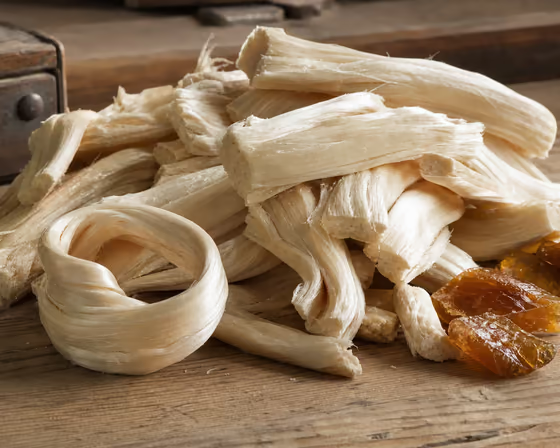
 Alféloa
Sugar or molasses cooked to a hard stage and worked until pale.
Nationwide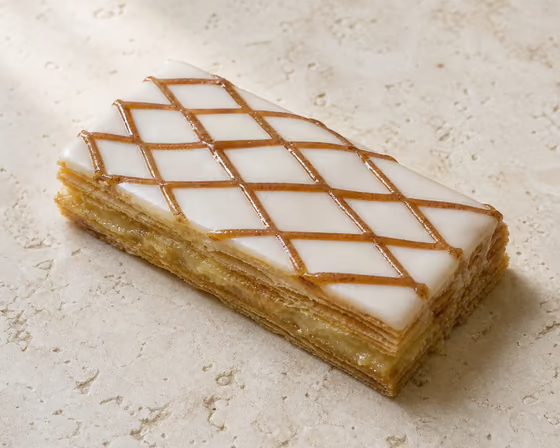 Catalogue image
 Portuguese Gila Allumette
A rectangular puff pastry with cream, gila and cinnamon beneath diamond-patterned royal icing.
Nationwide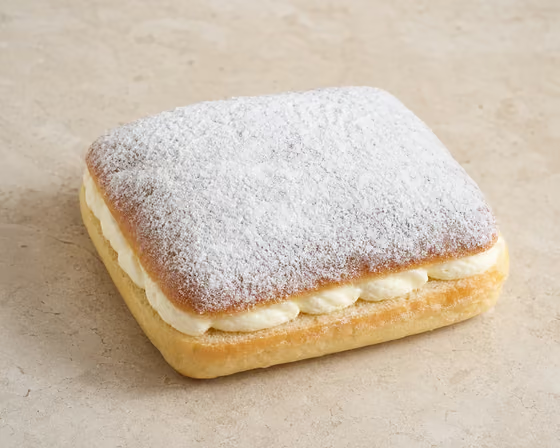 Catalogue image
 Portuguese Brioche Almofada
Light brioche dough, fresh buttercream and icing sugar.
Nationwide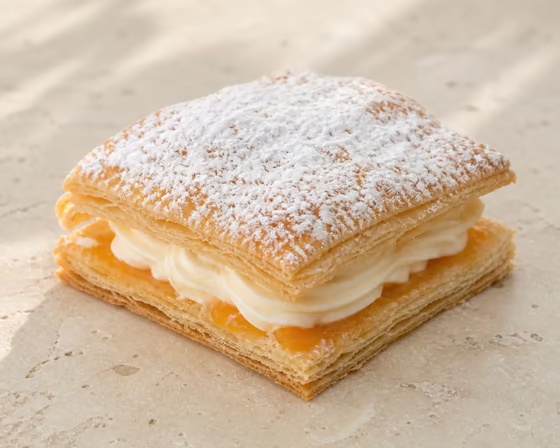 Catalogue image
 Portuguese Puff-Pastry Almofada
Puff pastry with white cream, egg sweet and icing sugar—the laminated Almofada variant.
Nationwide