Ílhavo Piped Butter Biscuits
Also known as: Ílhavo Alemães · Aveiro Piped Butter Biscuits
Regional buttery biscuits piped into deeply ridged rings and curves.
- Origin
- Ílhavo and Aveiro · Aveiro Region
- Place
- Ílhavo and Aveiro
- Region
- The Centre
- Category
- Cakes & Sweet Breads
- Season
- Year-round
- Evidence
- Well documented
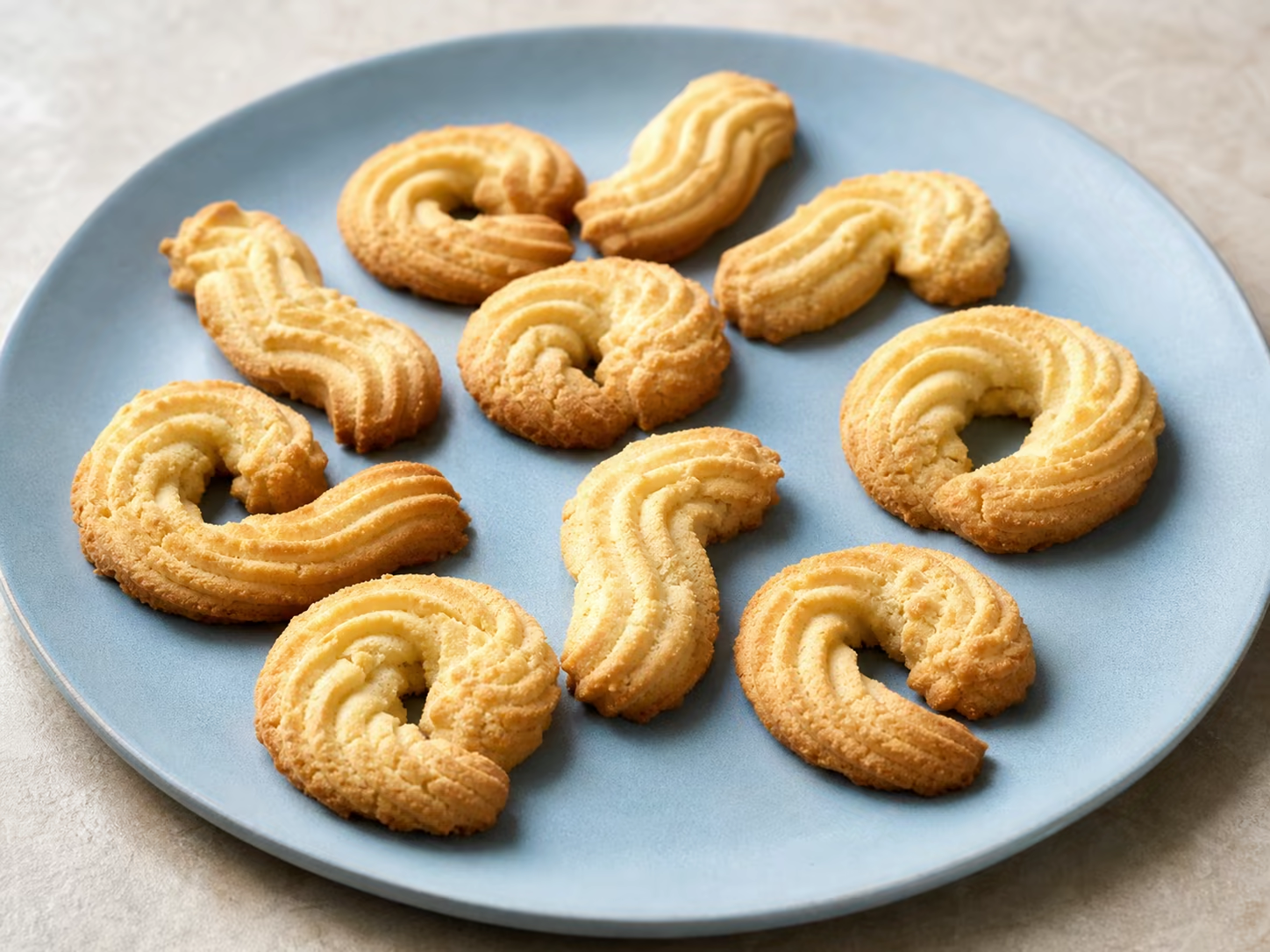
Alemães are dry biscuits from the Ílhavo and Aveiro region. They are recognised by pale dough forced through a broad piping nozzle: irregular rings, curves and short lengths, all with deeply defined ridges and lightly toasted edges.
A current commercial specification for a CASCI-made product lists wheat flour, vegetable margarine, sugar, whole egg and egg yolk, using non-self-raising flour. The high proportion of fat and egg accounts for the pipeable dough, rich flavour and texture that is both crisp and crumbly.
The image on this page is an original editorial photograph based on the documented form of the Ílhavo product. It does not reproduce any manufacturer's packaging, branding or photographic composition.
- Plain wheat flour
- Vegetable margarine
- Sugar
- Whole egg
- Egg yolk
Buttery and sweet with an egg-rich flavour, dry crumbly texture and gentle toastiness along the ridges.
A cinnamon version is sold alongside the plain biscuit. Its piped design varies among rings, curves and short lengths according to the maker and the artisan's hand.
Look for them at producers and pastry shops in Ílhavo and Aveiro. CASCI makes plain and cinnamon versions, while Flor de Aveiro includes Alemães in its biscuit repertoire. Confirm availability before travelling.
Espresso, black tea or lemon tea.
QUALIFICA's national inventory of traditional products records the name 'Alemãs'. Today, Aveiro pastry shops advertise the biscuits as 'Alemães', while CASCI classifies them as regional dry cakes from Ílhavo.
The accessible sources establish regional continuity but do not securely date their creation, identify the recipe's author or explain the historical name. Those gaps are kept explicit rather than turning oral tradition into fact.
Well documented
Identity supported by institutional, specialist or corroborating sources.
- vineria.pt/product/alemaes-biscoito (opens in a new tab)
- vineria.pt/brand/casci (opens in a new tab)
- flordeaveiro.pt/conceito (opens in a new tab)
- aveiromag.pt/artigo (opens in a new tab)
- eubrdialogues.com/sites/default/files/acoes/documentos/049xlix_lista_de_produtos_tradicionais_portugueses_v_19_0.pdf (opens in a new tab)
Pastries from here — The Centre
 Catalogue image
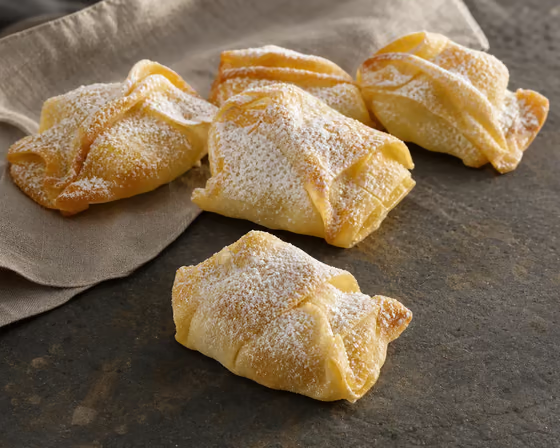
 Saint Friar Gil’s Saddlebags
The small saddlebag-shaped pastry created at Vouzela’s vocational school and recognised as an innovative sweet.
The Centre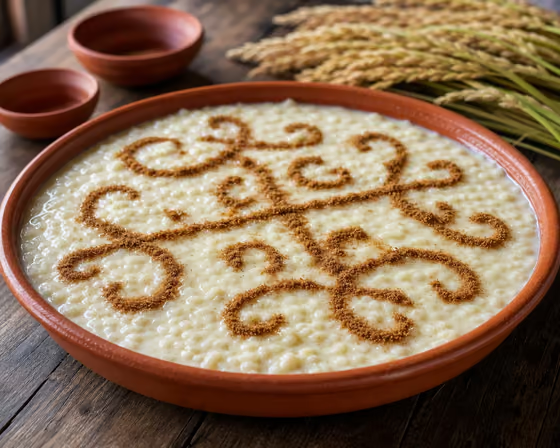 Catalogue image
 Baixo Mondego Rice Pudding
Mondego Carolino rice and Gândara milk, traced with cinnamon.
The Centre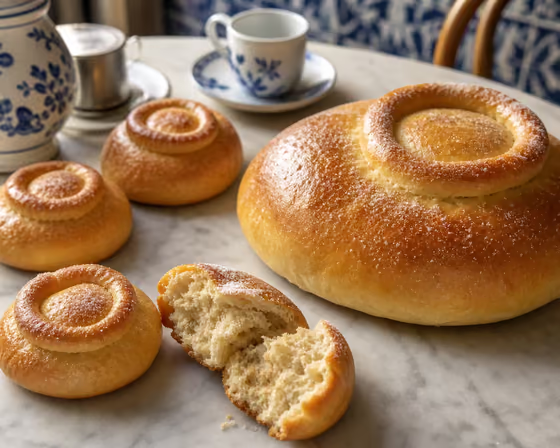 Catalogue image
 Arrufada de Coimbra
Coimbra's light, fragrant sweet bread, given by godparents at Easter.
The Centre Catalogue image
 Anadia Bairradinos
A Bairrada sparkling-wine, almond and egg sweet shaped like a cork.
The Centre