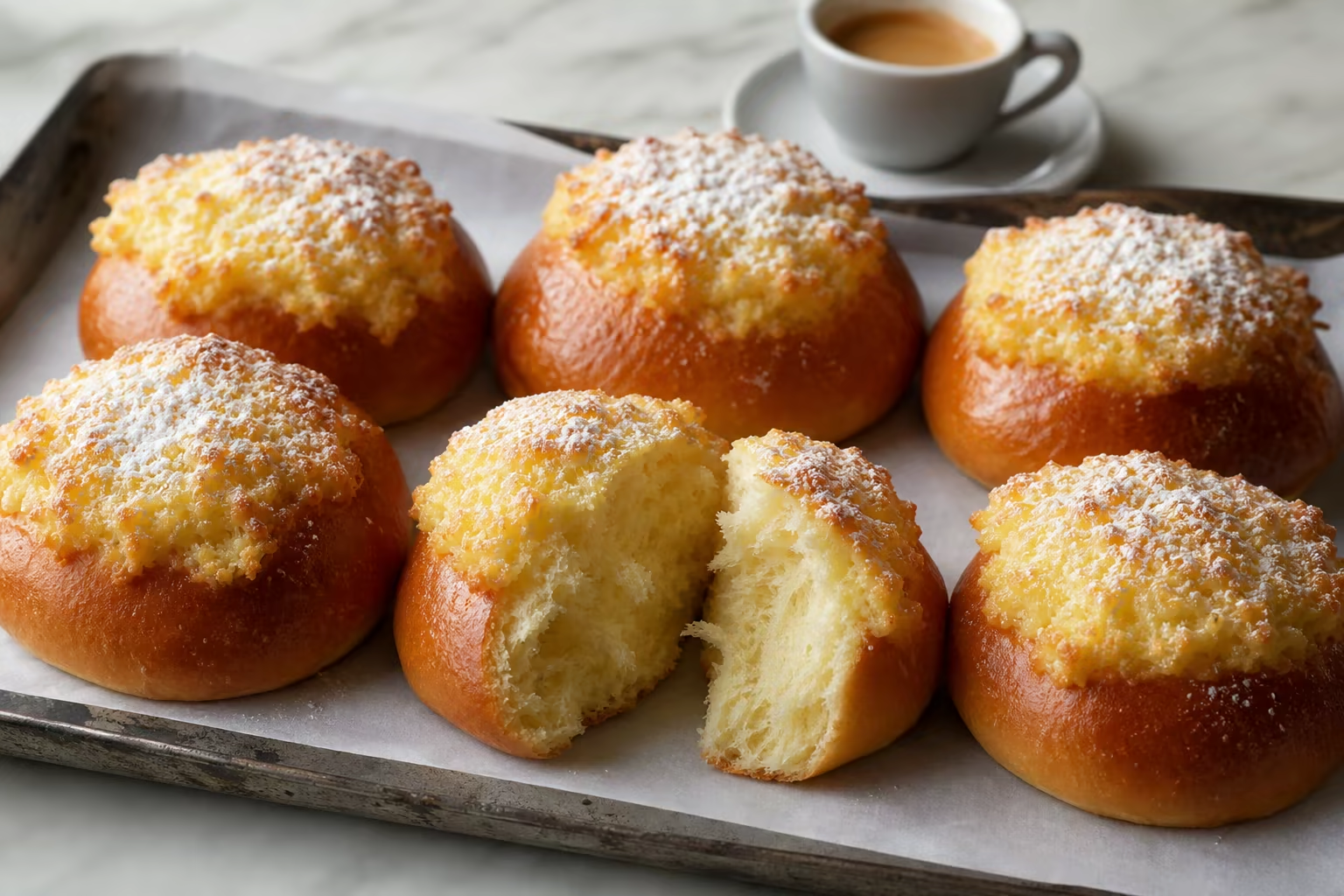
Pão de Deus
Also known as: God's bread · Estaladinho in northern Portugal · Arrufada in southern Portugal
Brioche topped with coconut paste and powdered sugar.
- Origin
- Portugal · historical origin and creation date not established
- Place
- Nationwide
- Region
- Nationwide
- Category
- Cakes & Sweet Breads
- Season
- Seasonality not documented
- Evidence
- Well documented
The specialist Fabrico Próprio encyclopaedia defines Pão de Deus through three elements: brioche dough, a coconut-paste topping and powdered sugar. The same source records the names Estaladinho in northern Portugal and Arrufada in the south, and notes that it is eaten like a milk bun, with butter, cheese or ham.
A Padaria Portuguesa describes its own version as a brioche bun with coconut topping. The chain presents it as the first and most notable of the recipes developed by its chef Paulo Cardoso and documents the product on its menu from the opening of its first Lisbon shop in 2010. That chronology belongs to the brand's version, not to the origin of the Portuguese pastry.
- Brioche dough
- Coconut paste
- Powdered sugar
The documented composition combines brioche and coconut paste. The consulted sources publish no comparative tasting assessment from which to establish sweetness, aroma or texture across every version.
Fabrico Próprio documents Estaladinho in the north and Arrufada in the south as alternative names. It provides no separate regional formulas, so this page does not presume that every item sold under those names is technically identical.
A Padaria Portuguesa documents its contemporary version and maintains a store directory. For other bakeries and pastry shops, confirm availability and the regional name used before travelling.
Fabrico Próprio documents serving it with butter, cheese or ham; coffee or tea are editorial drink suggestions.
The consulted sources identify no inventor, first bakery, city of creation or date for Pão de Deus. Fabrico Próprio offers only the possibility that its name arose from the idea of a rich but accessible bread for ordinary people; it does not present that hypothesis as settled fact.
Pão-por-Deus is a distinct Portuguese tradition associated with All Saints' Day and children's door-to-door collecting. Heritage documentation confirms that custom but does not demonstrate that it named the coconut-topped brioche. This page therefore keeps the pastry and the ritual practice separate.
Well documented
Identity supported by institutional, specialist or corroborating sources.
- fabricoproprio.net/enciclopedia/pao-de-deus/ (opens in a new tab)
- apadariaportuguesa.pt/en/a-padaria/ (opens in a new tab)
- matrizpci.patrimoniocultural.gov.pt/Download/Kit/KIT%20Recolha%20Patrim%C3%B3nio%20imaterial_Integral.pdf (opens in a new tab)
- virgiliogomes.com/index.php/cronicas/884-pao-de-coco (opens in a new tab)
Pastries from here — Nationwide
 Catalogue image
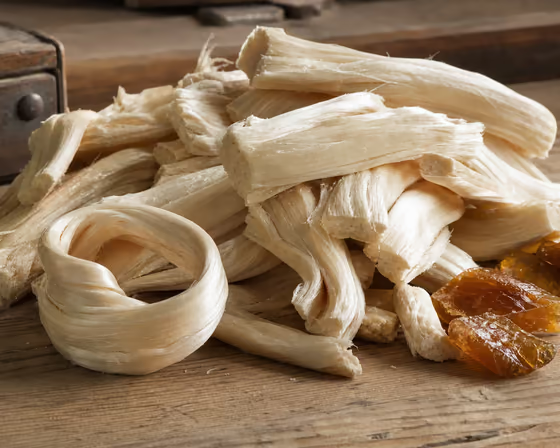
 Alféloa
Sugar or molasses cooked to a hard stage and worked until pale.
Nationwide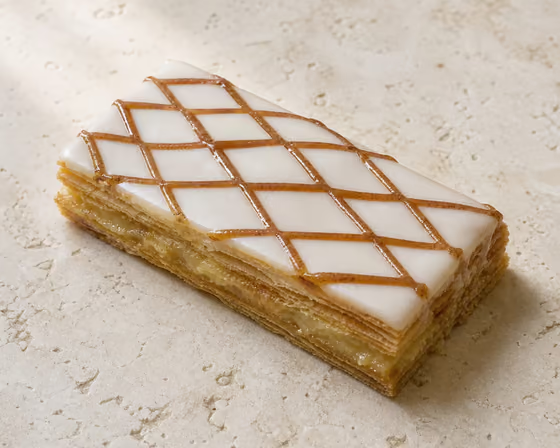 Catalogue image
 Portuguese Gila Allumette
A rectangular puff pastry with cream, gila and cinnamon beneath diamond-patterned royal icing.
Nationwide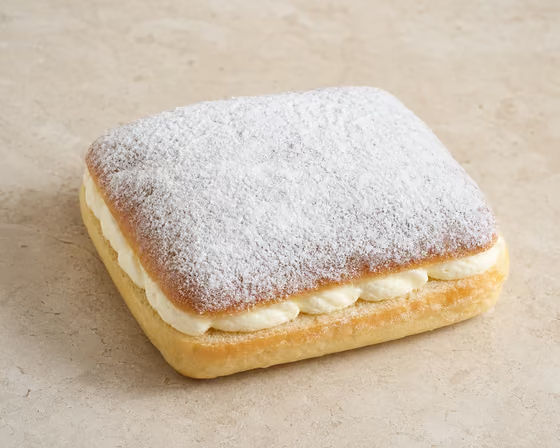 Catalogue image
 Portuguese Brioche Almofada
Light brioche dough, fresh buttercream and icing sugar.
Nationwide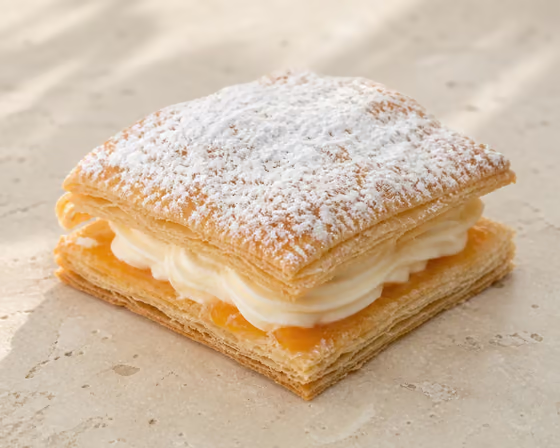 Catalogue image
 Portuguese Puff-Pastry Almofada
Puff pastry with white cream, egg sweet and icing sugar—the laminated Almofada variant.
Nationwide