Orange Cake
Also known as: Homemade orange cake · Portuguese orange cake
A nationally made home cake in juice, zest and whole-orange versions.
- Origin
- Portugal · nationally made home cake with no documented single locality of origin
- Place
- Nationwide
- Region
- Nationwide
- Category
- Cakes & Sweet Breads
- Season
- Year-round
- Evidence
- Well documented
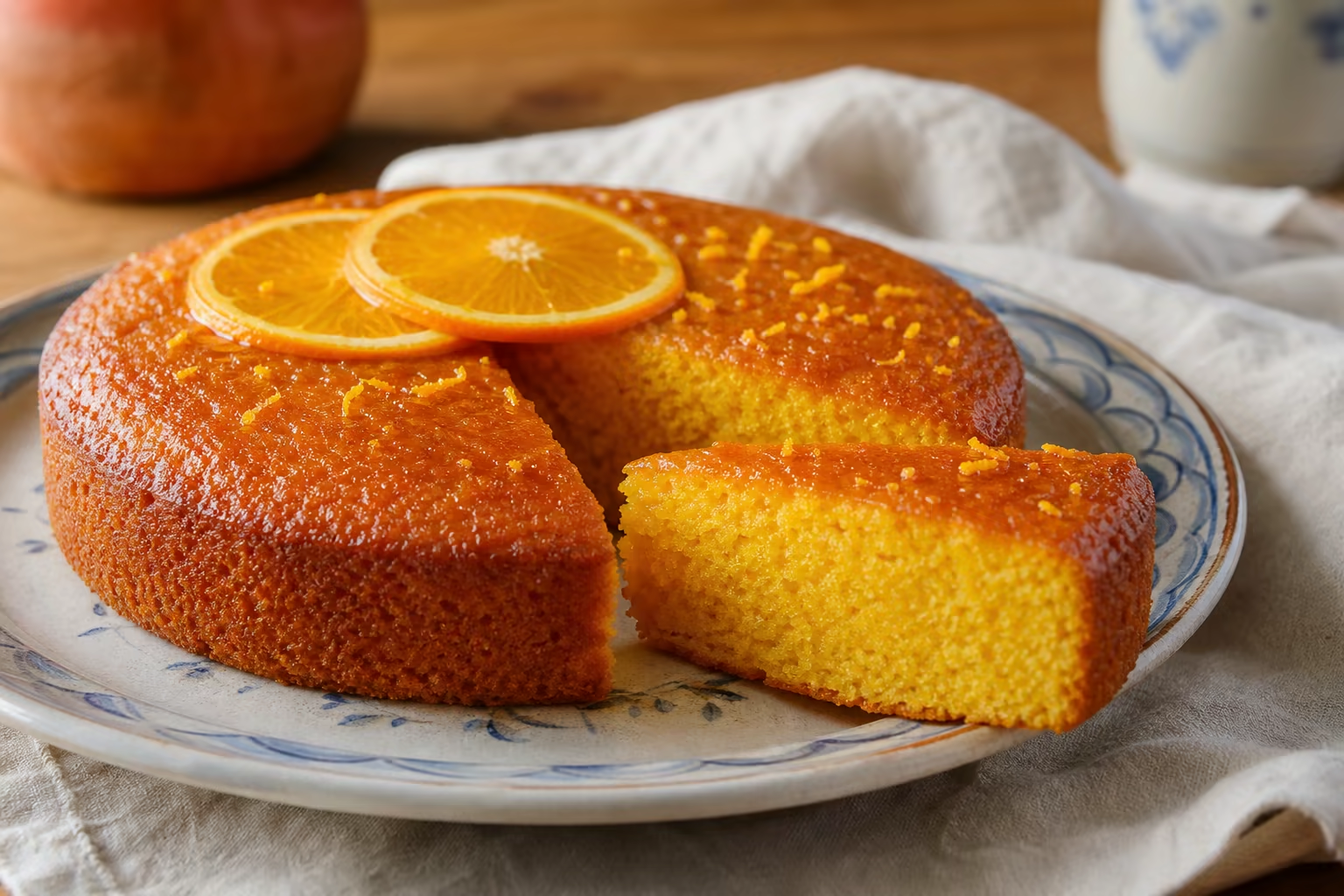
Bolo de Laranja denotes a family of home cakes, not one protected formula. Published Portuguese versions vary substantially: they may use only juice and zest or blend the whole fruit; use wheat flour alone or combine it with almonds; use oil, olive oil or butter; and finish plain or soaked with syrup.
The RTP formula now linked to this record uses two whole small oranges with their seeds removed, ground almonds, flour, eggs and oil, followed by orange syrup after unmoulding. Filipa Gomes's 24Kitchen version independently confirms the peel-on blending technique but uses different proportions and contains neither almonds nor syrup. This documented variation is part of the cake's domestic identity.
- Eggs
- Sugar
- Wheat flour
- Orange juice
- Orange zest
- Oil or butter
- Baking powder
- Orange syrup (optional)
Airy and light, with a moist yellow crumb and a frank orange scent that comes from both the juice and the zest. Sweet without cloying, the fresh citrus acidity keeping everything in balance. When soaked in syrup it turns denser and glossier, almost dripping, and the sugary crust gives a faint crackle at the first forkful.
It comes in a thousand guises. There is the classic oil-based version, the richer butter one, and the very moist yoghurt variety; some blend the whole orange, peel and all, for a deeper, faintly bitter flavour. It can be baked in a bundt tin, a loaf tin, or a tray to be drenched in syrup, and some add almond, carrot or a splash of orange liqueur.
This is principally a home cake and is not tied to a defined production area or historic producer. Bakery availability varies and should be checked locally; RTP's documented formula provides a reproducible version for home baking.
It calls for a strong coffee or an espresso at teatime, or a black tea in mid-afternoon. For children, a glass of milk. For something more grown-up, it pairs well with a Moscatel or a chilled orange liqueur.
The consulted sources identify no date, author or birthplace for Portuguese orange cake, so this record assigns it no convent, regional or centuries-old origin. What can be documented safely is the citrus context: RTP describes the orange's longstanding presence in the Algarve, while DGADR defines and characterises the Algarve Citrus PGI. That establishes regional fruit production, not where or when the cake originated.
The existence of distinct contemporary Portuguese recipes from RTP and 24Kitchen demonstrates culinary circulation and variation, not a historical genealogy. Any more precise account of the cake's popularisation would require dated cookbooks or household manuscripts not yet present in this evidence file.
Well documented
Identity supported by institutional, specialist or corroborating sources.
- media.rtp.pt/praca/ (opens in a new tab)
- 24kitchen.pt/receita/bolo-de-laranja-inteira (opens in a new tab)
- ensina.rtp.pt/artigo/laranja-do-algarve-uma-historia-de-seculos-e-de-futuro/ (opens in a new tab)
- tradicional.dgadr.gov.pt/pt/cat/frutos-frescos/688-citrinos-do-algarve-igp (opens in a new tab)
Pastries from here — Nationwide
 Catalogue image
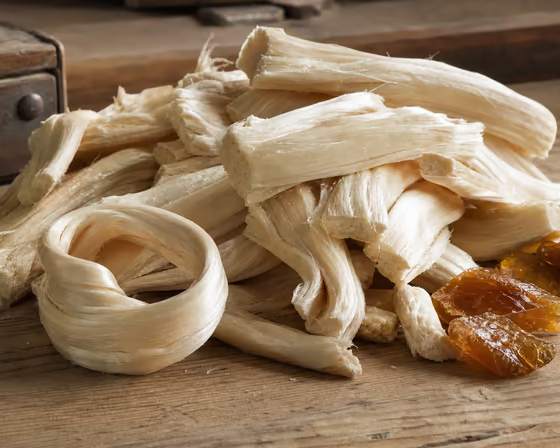
 Alféloa
Sugar or molasses cooked to a hard stage and worked until pale.
Nationwide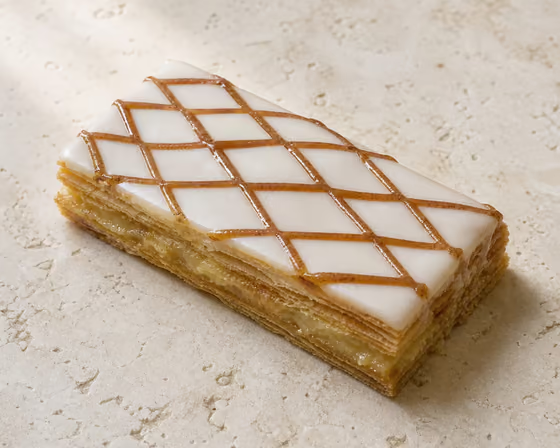 Catalogue image
 Portuguese Gila Allumette
A rectangular puff pastry with cream, gila and cinnamon beneath diamond-patterned royal icing.
Nationwide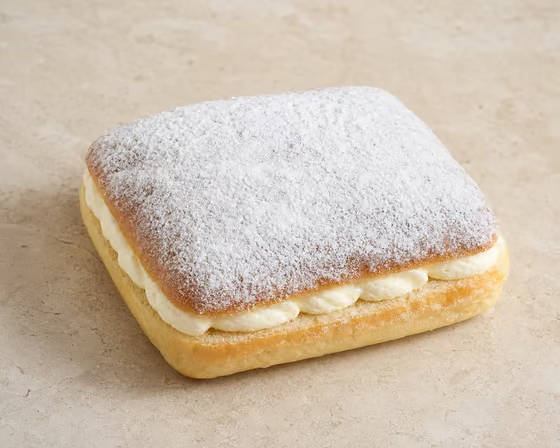 Catalogue image
 Portuguese Brioche Almofada
Light brioche dough, fresh buttercream and icing sugar.
Nationwide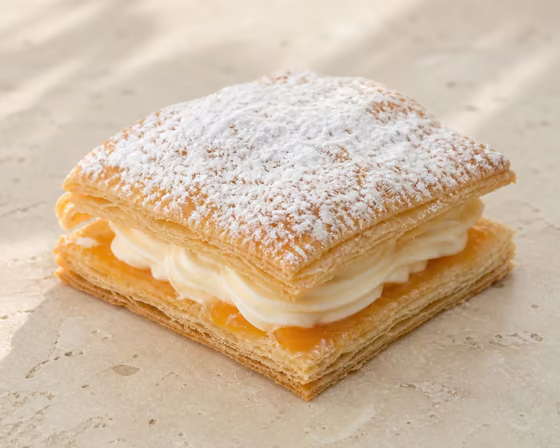 Catalogue image
 Portuguese Puff-Pastry Almofada
Puff pastry with white cream, egg sweet and icing sugar—the laminated Almofada variant.
Nationwide