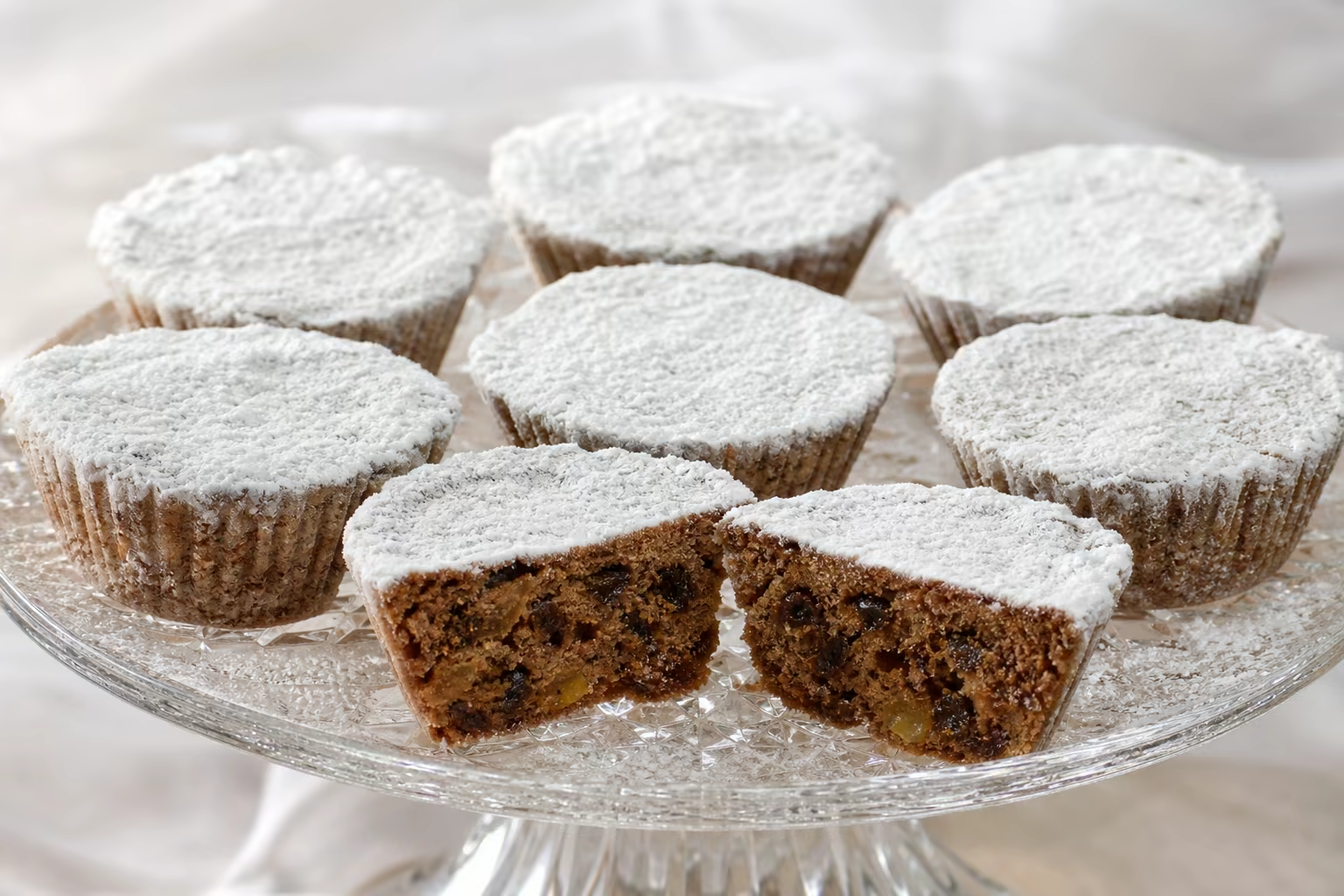
Dona Amélia Queijadas
Also known as: Donas Amélias · D. Amélias · Dona Amélia Cake
The dark, spiced sweet the ladies of Angra offered to a queen.
- Origin
- Terceira Island, Azores · name adopted in 1901
- Place
- Angra do Heroísmo
- Region
- The Azores
- Category
- Cakes & Sweet Breads
- Season
- Year-round
- Evidence
- Well documented
Donas Amélias are small, dark, dense cakes from Terceira Island, made with corn flour, cane molasses and spices and finished with icing sugar. Although many shops call them queijadas, official Azorean sources record them as Dona Amélia cakes and do not include cheese among their defining elements.
Cinnamon and nutmeg give them the warm aromatic profile highlighted by the regional tourism authority. Commercial and household recipes may also include raisins, candied citron or lemon zest, but official sources do not present those additions as a universal formula.
- Sugar
- Eggs
- Cane molasses (cane honey)
- Butter
- Corn flour
- Wheat flour
- Cinnamon
- Nutmeg
- Raisins
- Candied citron
- Lemon zest
Sweet and deeply spiced, with cane molasses lending a dark, almost treacly base, balanced by the tang of raisins and candied citron. The texture is moist and dense — closer to a spiced cake than a creamy custard tart.
They come as the common individual queijada and also as a larger cake to be sliced. The balance of molasses, spice and dried fruit shifts from one pastelaria to another, with some leaning heavier on cinnamon or adding a splash of spirit.
Try them at any café or pastelaria on Terceira, above all in Angra do Heroísmo; the pastelaria O Forno in central Angra is a regular reference. They are also sold in boxes of six in Azorean grocers and by mail order.
They call for a strong espresso or a cup of Azorean tea; later in the day, they pair well with a glass of passion-fruit liqueur or Pico wine.
The name is tied to King Carlos and Queen Amélia's visit to Terceira Island in 1901. According to the official Azorean crafts catalogue, they were offered the finest cakes then made on the island and the local cake was renamed in the queen's honour. The regional regulation certifying this traditional craft confirms the date of 4 July 1901 and records Donas Amélias as the name now most commonly used.
Azores Tourism relates the cinnamon and nutmeg to spices brought on voyages returning from India. This documents the Atlantic context of the ingredients, but does not prove descent from a specific medieval recipe.
Well documented
Identity supported by institutional, specialist or corroborating sources.
- turismo.azores.gov.pt/terceira/ (opens in a new tab)
- artesanato.azores.gov.pt/catalogodigital/pt/bolos-dona-amelia (opens in a new tab)
- portal.azores.gov.pt/documents/36764/0/Do%C3%A7aria%2BRegional%2BCertifica%C3%A7%C3%A3o.pdf/e41a2123-e5c9-ae93-4905-b9f14609eebe (opens in a new tab)
- byacores.com/en/dona-amelia-cheese-tarts/ (opens in a new tab)
- byacores.com/queijadas-da-dona-amelia/ (opens in a new tab)
- azoresgetaways.com/en-us/destination/azores/islands/terceira/queijada-da-dona-amelia (opens in a new tab)
- saltofportugal.com/2015/10/26/a-monarchic-cake/ (opens in a new tab)
- viajecomigo.com/2019/04/23/receita-d-amelia-ilha-terceira-acores/ (opens in a new tab)
Pastries from here — The Azores
 Catalogue image
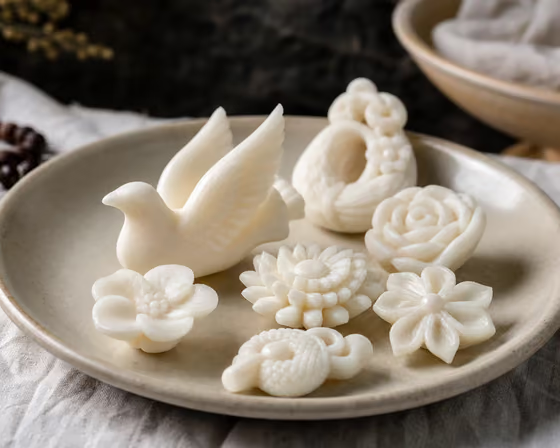
 Alfenim Pulled Sugar
Hand-pulled sugar shaped into animals, flowers, hearts and votive figures.
The Azores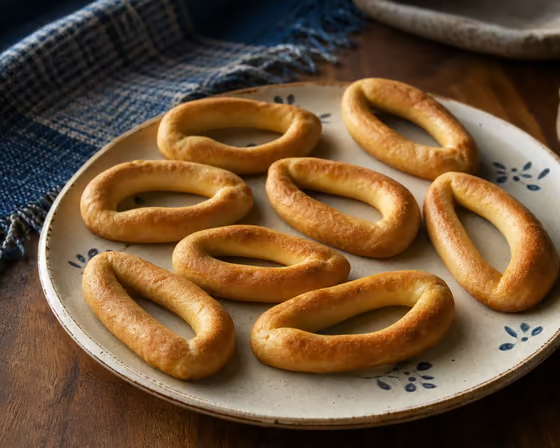 Catalogue image
 Brandy Biscuits
Crisp Santa Maria rings kneaded with eggs, rich fats and a glass of brandy.
The Azores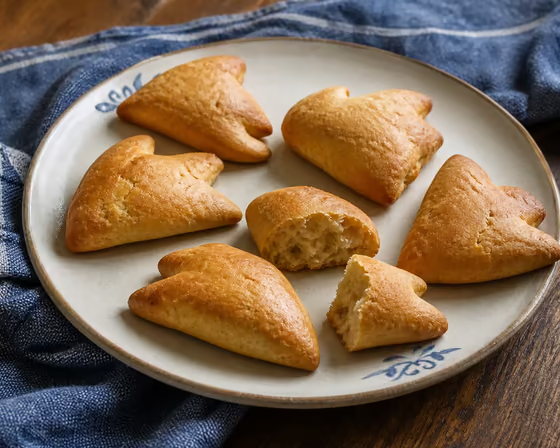 Catalogue image
 Ear-Shaped Biscuits
Santa Maria's triangular enriched biscuits, clipped at the tips like little ears.
The Azores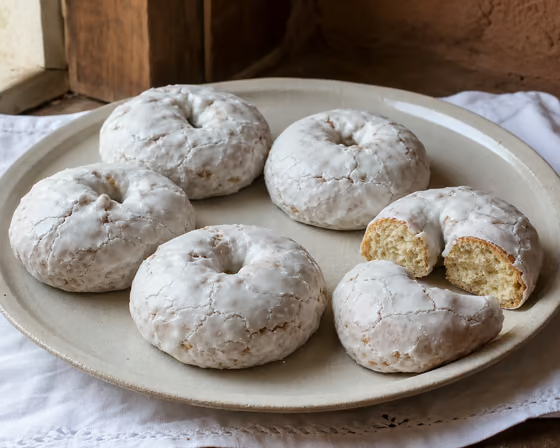 Catalogue image
 Santa Maria Encanelado Biscuits
Santa Maria's yeasted rings under a thick white sugar glaze.
The Azores