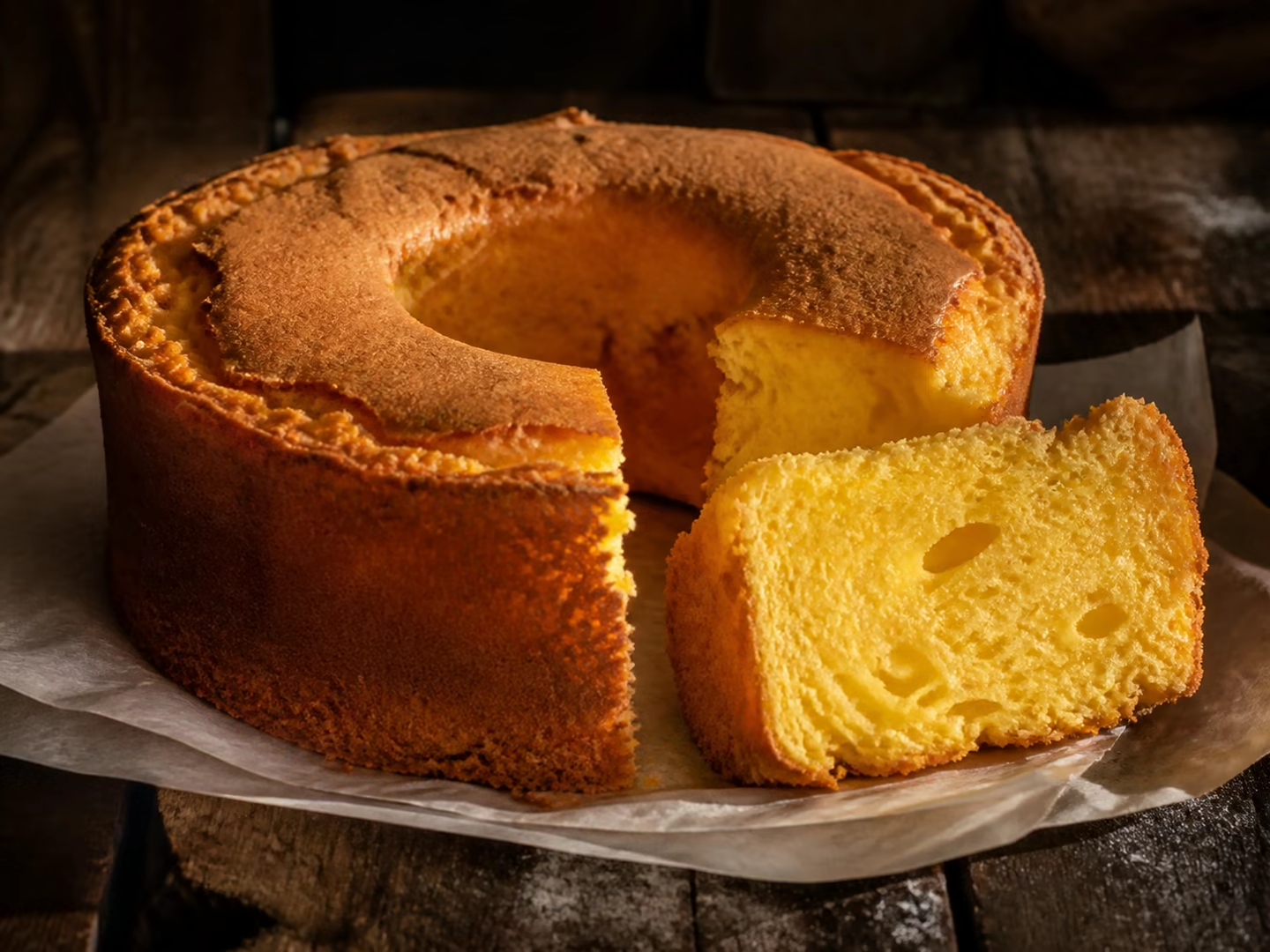
Pão de Ló
Also known as: Pão de Ló de Ovar · Pão de Ló de Alfeizerão · Pão de Ló de Margaride · Portuguese sponge cake · São Jorge pão leve
Egg yolk, sugar, flour — and three towns that argue over how done it should be.
- Origin
- Convent tradition; the best-known versions take shape in the 18th and 19th centuries
- Place
- Ovar · Alfeizerão · Margaride
- Region
- Nationwide
- Category
- Cakes & Sweet Breads
- Season
- Year-round (especially Easter)
- Evidence
- Well documented
Pão de ló proves how much Portuguese confectionery can do with almost nothing: eggs—especially yolks—sugar and flour, beaten long enough to trap air and baked in paper-lined moulds. Baking time, the ratio of whites and the height of the batter created dozens of versions, three of which became famous.
Ovar's is deliberately underbaked, hiding a spoonable creamy “pito” beneath a thin crust. Alfeizerão's is moist but firmer and folded over itself. Margaride's is the opposite: tall, dry, fluffy and ring-shaped. None needs filling or frosting; it is a table cake for Sunday afternoons and, in many homes, Easter.
- Egg yolks
- Whole eggs
- Sugar
- Wheat flour
- Lemon zest (optional)
- Paper for lining the tin
It tastes above all of sweet egg yolk and gently set egg, with a warm, custard-like aroma. In the Ovar and Alfeizerão versions, contrast is everything: a thin, toasted crust on top and, beneath it, a moist, silky centre that dissolves on the tongue. The Margaride style is airier and dry, spongy, made to soak up a sip of something hot.
The three great schools are defined by how far they are baked: Ovar, creamy and almost raw, eaten with a spoon; Alfeizerão, moist but firmer, folded over; and Margaride, tall, dry and fluffy. Beyond them lie countless home and regional versions—paler or richer, with or without lemon zest—and the humble tray-baked pão de ló. On São Jorge, the name ‘pão leve’ appears in the crown service; the Francisco de Lacerda Museum documents sponge cake baked in long card moulds reinforced with cane, sliced for the ritual prato de doce branco.
For the real pão de ló de Ovar, look for the loaves wrapped in paper and the IGP seal — several houses in the town sell it fresh, especially at Easter. In Alfeizerão, the Casa do Pão-de-Ló, dating from the 1920s, is the historic name; in Margaride (Felgueiras), bakeries and pastry shops keep the recipe alive across generations. Across the country, any good neighbourhood pastelaria has its own tray-baked pão de ló.
It calls for a strong coffee, a cup of tea, or a glass of Port or Moscatel. The drier Margaride version is best dunked in milky coffee; the Ovar one needs nothing at all — eat it straight from the spoon.
Pão de ló entered Portuguese cooking through Iberia's taste for egg-rich cakes and was refined in convent kitchens supplied with sugar and surplus yolks. The precise beginnings of its many variants are uncertain, but several strong regional traditions emerged.
Alfeizerão associates its runny-centred version with nuns from the Monastery of Santa Maria de Cós after the dissolution of the orders in 1834. Margaride claims more than three centuries of production and a line of confectioners that supplied the royal household. Ovar's eighteenth- and nineteenth-century tradition gained EU Protected Geographical Indication status in 2016, protecting cakes beaten and baked within the municipality.
Well documented
Identity supported by institutional, specialist or corroborating sources.
- tradicional.dgadr.gov.pt/en/categories/desserts-and-pastry/561-pao-de-lo-de-ovar-pgi (opens in a new tab)
- legislation.gov.uk/eur/2016/1407/contents (opens in a new tab)
- gov.uk/protected-food-drink-names/pao-de-lo-de-ovar (opens in a new tab)
- tradicional.dgadr.gov.pt/pt/cat/doces-e-produtos-de-pastelaria/192-pao-de-lo-de-alfeizerao (opens in a new tab)
- visao.pt/anossaprima/inspirar/2023-05-03-brain-snack-como-nasceu-a-receita-do-pao-de-lo-mais-famoso-do-oeste/ (opens in a new tab)
- paodelodemargaride-felgueiras.pt/historia/ (opens in a new tab)
- evasoes.pt/comer/pao-de-lo-de-margaride-a-adocar-bocas-ha-mais-de-300-anos-em-felgueiras/1056643/ (opens in a new tab)
- culturacores.azores.gov.pt/agenda/default.aspx (opens in a new tab)
- books.openedition.org/etnograficapress/9791 (opens in a new tab)
Pastries from here — Nationwide
 Catalogue image
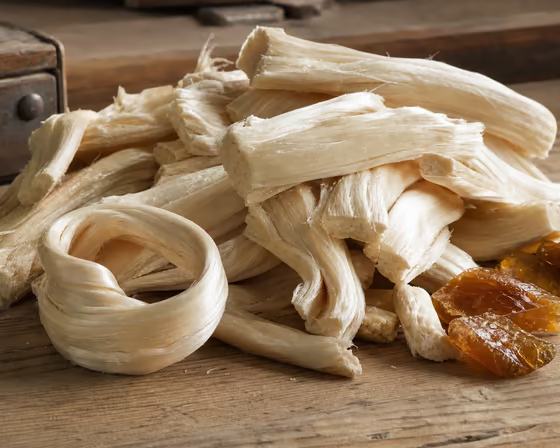
 Alféloa
Sugar or molasses cooked to a hard stage and worked until pale.
Nationwide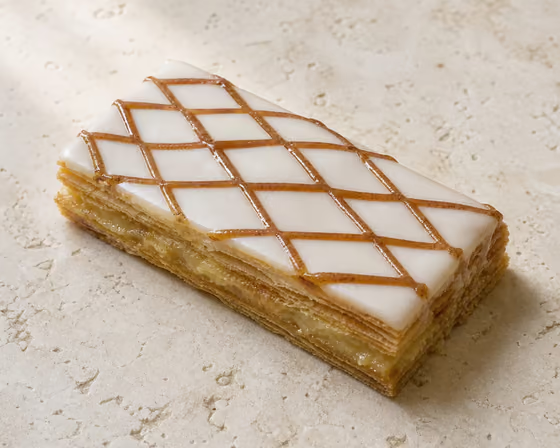 Catalogue image
 Portuguese Gila Allumette
A rectangular puff pastry with cream, gila and cinnamon beneath diamond-patterned royal icing.
Nationwide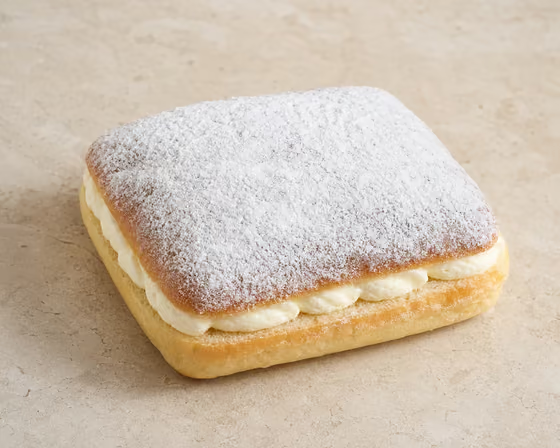 Catalogue image
 Portuguese Brioche Almofada
Light brioche dough, fresh buttercream and icing sugar.
Nationwide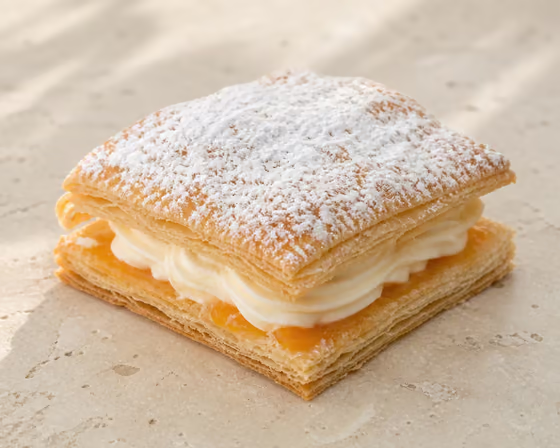 Catalogue image
 Portuguese Puff-Pastry Almofada
Puff pastry with white cream, egg sweet and icing sugar—the laminated Almofada variant.
Nationwide