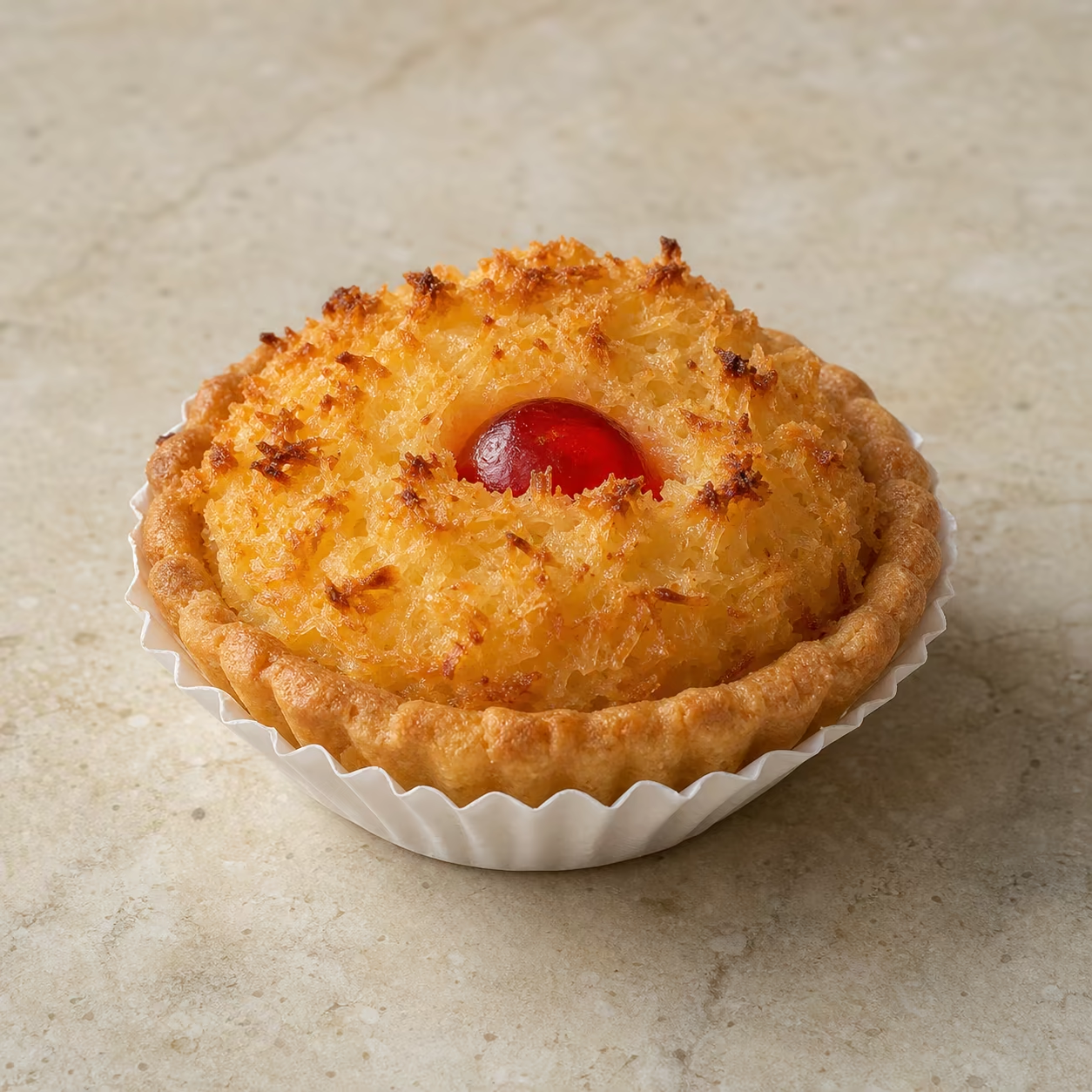
Portuguese Coconut Tart
Also known as: Portuguese Coconut Tart · Coconut-Paste Tartlet
A sweet-pastry shell, moist coconut paste and half a cherry on top.
- Origin
- Portuguese pastry tradition shaped by Atlantic coconut trade
- Place
- Portugal
- Region
- Nationwide
- Category
- Cakes & Sweet Breads
- Season
- Year-round
- Evidence
- Well documented
Pastel de Coco is a small round tart with a visible pastry shell. The Fabrico Próprio record documents firm, crumbly lining pastry; an independent Portuguese recipe uses puff pastry. In both, the shell holds moist coconut paste that rises into an irregular mound and browns at the tips, with half a red cherry on top.
It differs from Mimo de Coco through its pastry shell and from Quindim because it is not a smooth ring-shaped pudding. The evidence does not support one mandatory dough: the most stable elements are the shell, grated-coconut texture, soft filling and half cherry.
- Sweet lining pastry
- Grated coconut
- Sugar
- Eggs or yolks depending on recipe
- Half a cherry
Intense moist coconut, toasted tips, a buttery shell and a small fruity accent from cherry.
The shell may use lining pastry or puff pastry. The paste varies in egg content, lemon and cinnamon flavouring and degree of browning; some formulas receive a clear glaze after cooling.
Look in traditional pastry shops, usually among other individual tarts. Confirm the pastry shell because “coconut sweet” can describe very different preparations.
Espresso or black tea.
Fabrico Próprio connects coconut’s entry into Portuguese pastry to maritime expansion and the movement of new foods between Atlantic territories and Europe, mentioning Brazil in particular. This describes a broad historical process, not a documented invention of this tart by one person or workshop.
Like imported sugar, coconut became part of Portuguese desserts and dry cakes. The modern combination of a pastry shell, coconut paste and half cherry belongs to the regular pastry-counter repertoire, but the reviewed sources establish neither one mandatory dough nor a creation date.
Well documented
Identity supported by institutional, specialist or corroborating sources.
- fabricoproprio.net/enciclopedia/pastel-de-coco/ (opens in a new tab)
- tradicoesdoces.com/post/pasteis-de-coco (opens in a new tab)
- jardimdesabores.blogspot.com/2012/01/pastelaria-portuguesa-coco.html (opens in a new tab)
Pastries from here — Nationwide
 Catalogue image
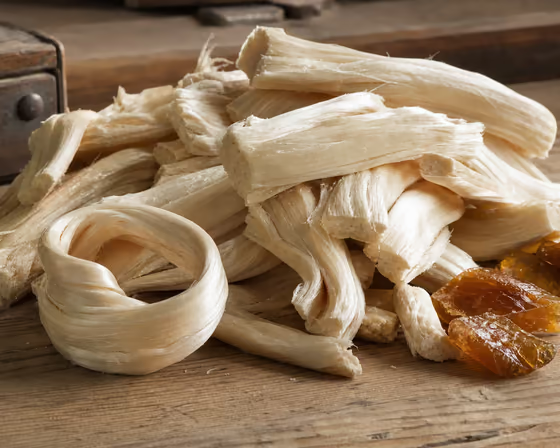
 Alféloa
Sugar or molasses cooked to a hard stage and worked until pale.
Nationwide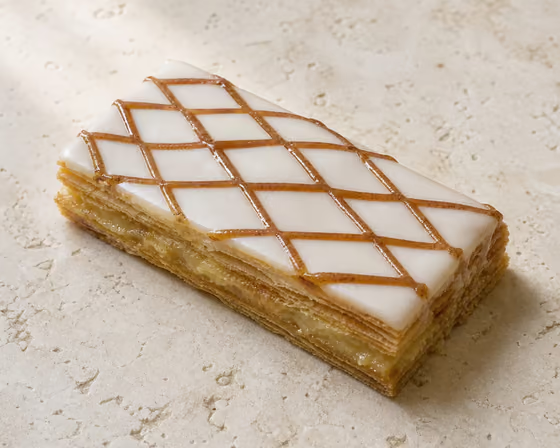 Catalogue image
 Portuguese Gila Allumette
A rectangular puff pastry with cream, gila and cinnamon beneath diamond-patterned royal icing.
Nationwide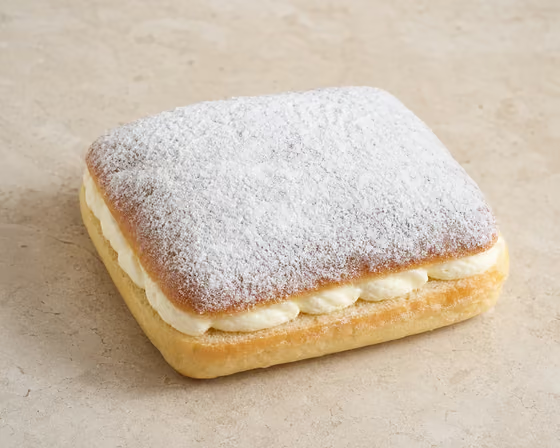 Catalogue image
 Portuguese Brioche Almofada
Light brioche dough, fresh buttercream and icing sugar.
Nationwide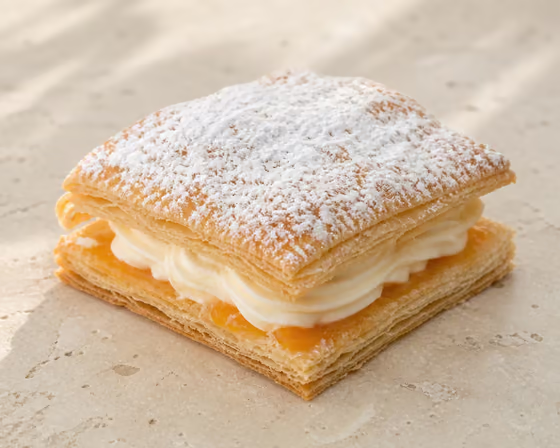 Catalogue image
 Portuguese Puff-Pastry Almofada
Puff pastry with white cream, egg sweet and icing sugar—the laminated Almofada variant.
Nationwide