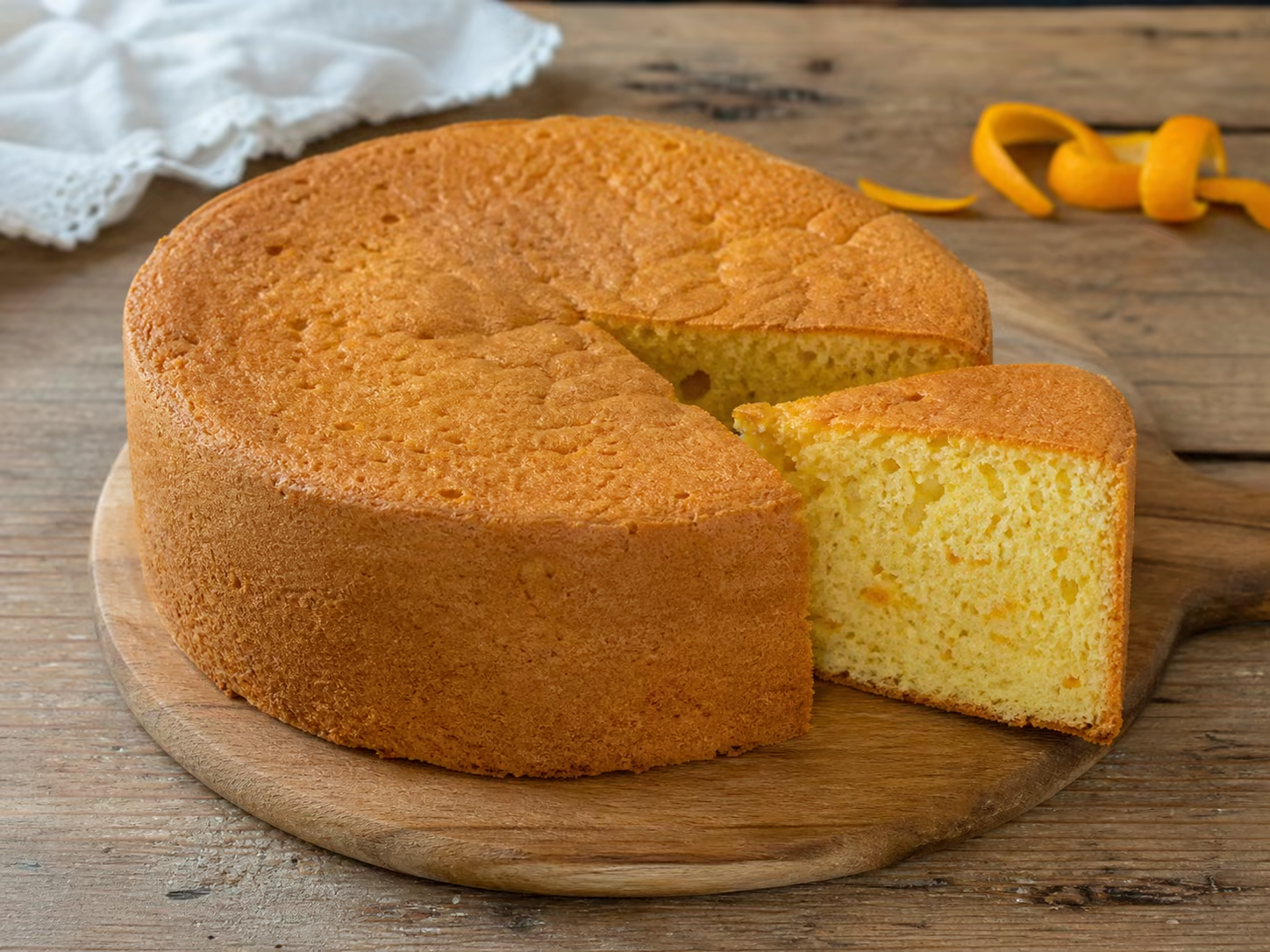
Vagos Orange Sponge Cake
Also known as: Vagos Orange Sponge Cake
A Vagos pão-de-ló distinguished by citrus and a lightly savoury edge.
- Origin
- Vagos · Aveiro Region
- Place
- Vagos
- Region
- The Centre
- Category
- Cakes & Sweet Breads
- Season
- Year-round; associated with festive tables
- Evidence
- Well documented
Pão de Ló de Vagos is a local version of Portugal's egg, sugar and flour sponge. The regional inventory describes a yellow, lightly spongy crumb, salt and orange or lemon aroma; orange juice may also be added when orange zest is used.
Depending on the household recipe, the whites may be separated and whipped or the eggs used whole. The cake is fully baked and should test dry with a skewer.
- eggs
- sugar
- wheat flour
- orange or lemon zest
- salt
- optional baking powder
Airy, egg-rich and citrusy, its sweetness balanced by an unexpected touch of salt.
It may use orange or lemon; some orange versions also add the juice. Egg whites may be whipped separately, and baking powder is used when the flour is not self-raising cake flour.
Look for it at food events, confectioners and family kitchens around Vagos and the Aveiro region.
Earl Grey tea, mild coffee or a dry Bairrada sparkling wine.
The regional O Centro Faz Bem project defines its geography as Vagos municipality and neighbouring places and points to the As Sainhas de Vagos Gastronomic Brotherhood for local knowledge. The municipality also documents pão-de-ló on local Easter tables and in Easter practices. These sources establish regional presence but do not support the previous claim that the cake was rarely commercialised.
Well documented
Identity supported by institutional, specialist or corroborating sources.
- ocentrofazbem.pt/portfolios/doces-e-biscoitos/ (opens in a new tab)
- cm-vagos.pt/cmvagos/uploads/document/file/6072/boletim_municipal_no7.pdf (opens in a new tab)
Pastries from here — The Centre
 Catalogue image
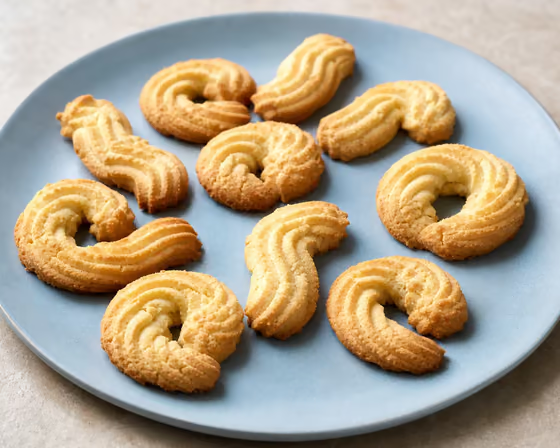
 Ílhavo Piped Butter Biscuits
Regional buttery biscuits piped into deeply ridged rings and curves.
The Centre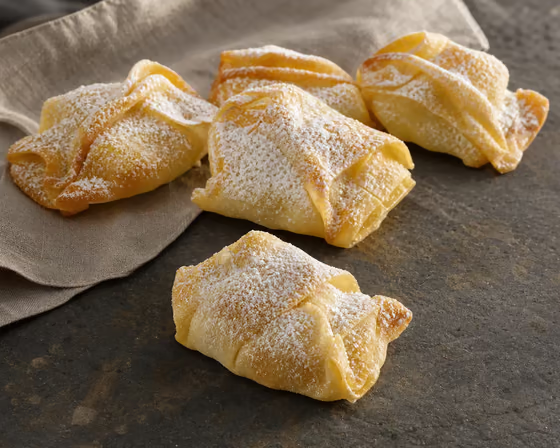 Catalogue image
 Saint Friar Gil’s Saddlebags
The small saddlebag-shaped pastry created at Vouzela’s vocational school and recognised as an innovative sweet.
The Centre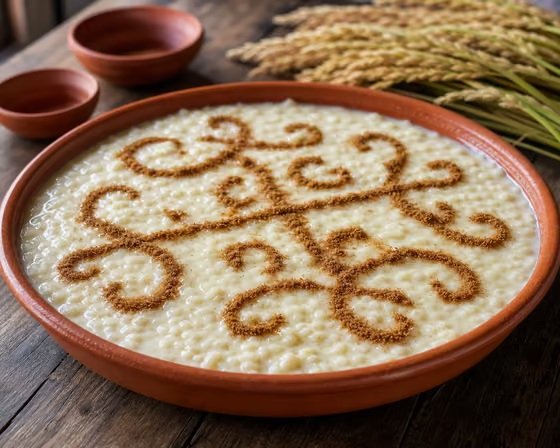 Catalogue image
 Baixo Mondego Rice Pudding
Mondego Carolino rice and Gândara milk, traced with cinnamon.
The Centre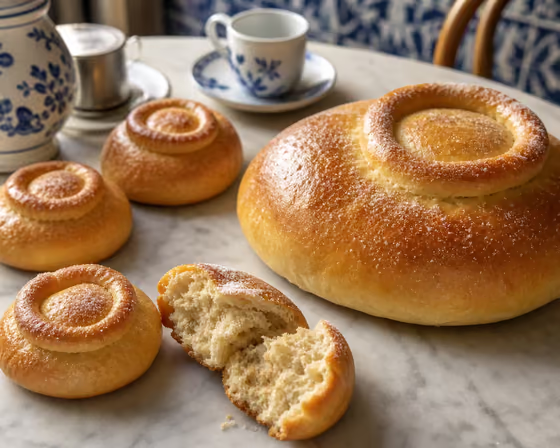 Catalogue image
 Arrufada de Coimbra
Coimbra's light, fragrant sweet bread, given by godparents at Easter.
The Centre