Portuguese Deer Hoof Cake
Also known as: Portuguese deer-hoof cake · Deer hoof pastry · Pata de Veado cake
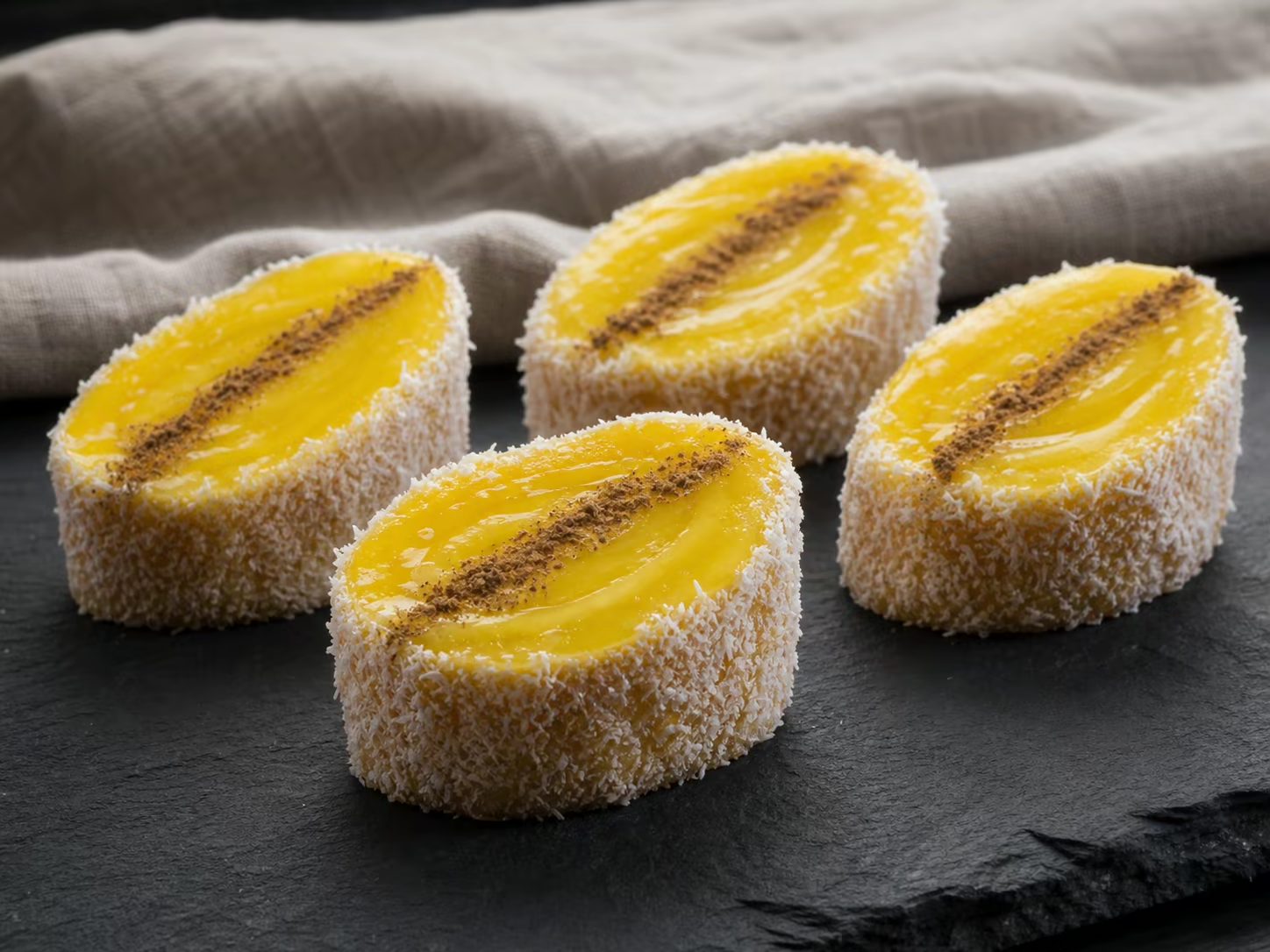
An angled slice of filled sponge roll, stood upright on coconut and marked with cinnamon.
- Origin
- Portuguese pastry tradition · creator and date not established
- Place
- Portugal
- Region
- Nationwide
- Category
- Cakes & Sweet Breads
- Season
- Year-round
- Evidence
- Well documented
Pata de Veado is a Portuguese pastry-counter cake made from a thin sponge roll filled with sweet egg-yolk cream. The roll is cut into thick angled slices; each piece stands upright, with yellow cream on the sloping face, grated coconut around the sides and a cinnamon line that emphasises the shape of a cloven hoof. Despite its name, it contains no venison or other meat: the name is purely visual.
A recipe published by 24Kitchen confirms the defining sequence — rolled sponge, diagonal cut, sweet egg topping, coconut and a cinnamon stripe — while the specialist Fabrico Próprio encyclopedia describes the same construction. The finished cake combines soft sponge, rich yolk filling and the loose texture of coconut.
- Thin sponge sheet: eggs, sugar, flour and salt
- Sweet egg cream: egg yolks, sugar and water
- Grated coconut
- Ground cinnamon
- Sugar glaze, depending on the version
- Lemon zest or flavouring, optional
Very sweet and yolk-rich, with soft sponge, lightly grainy coconut and the warm fragrance of cinnamon. When used, the glaze adds a thin sugary layer to the sloping face.
The reference version uses a sponge roll with sweet egg cream, coconut around the walls and cinnamon on top. Some bakeries replace the coconut with crystal sugar, switch the filling to pastry cream or chocolate, or apply the finish to a more yeasted dough. These adaptations retain the essential visual cue: an upright, angled portion marked like a hoof.
Casa das Cristas, Padaria Veiga and Queijadinha currently list Pata de Veado in their catalogues; Joca Doces also produces boxed batches. Padaria Veiga has shops across several northern municipalities, including Vila do Conde, Póvoa de Varzim, Maia, Matosinhos and Porto. Check availability before visiting, as production may vary by shop and day.
A short espresso or unsweetened black tea.
No reliable source found attributes Pata de Veado to a particular inventor, bakery, locality or date. The available documentation supports treating it as a national Portuguese pastry-shop classic: Fabrico Próprio records it as a recognisable model, 24Kitchen publishes the recipe, and several Portuguese producers and distributors still sell it.
Production requires several stages — baking the sheet, filling and rolling it, portioning, coating and decorating. Fabrico Próprio notes that the workload has led some bakeries to discontinue it, helping explain why the cake is familiar yet not always present on the counter.
Well documented
Identity supported by institutional, specialist or corroborating sources.
- 24kitchen.pt/receita/pata-de-veado (opens in a new tab)
- fabricoproprio.net/enciclopedia/pata-de-veado/ (opens in a new tab)
- casadascristas.pt/produto/pata-de-veado/ (opens in a new tab)
- padariaveiga.com/pt/produtos/pata-de-veado/pastelaria-doce/86 (opens in a new tab)
- jocadoces.com/produto/pata-de-veado/ (opens in a new tab)
- queijadinha.pt/product/pata-de-veado/ (opens in a new tab)
Pastries from here — Nationwide
 Catalogue image
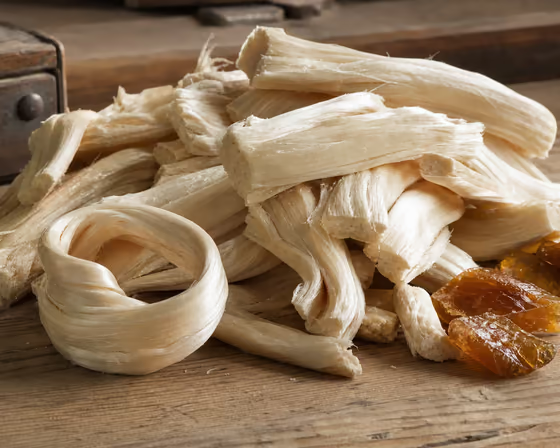
 Alféloa
Sugar or molasses cooked to a hard stage and worked until pale.
Nationwide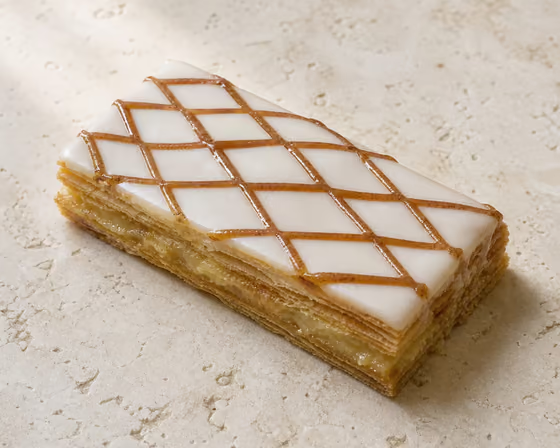 Catalogue image
 Portuguese Gila Allumette
A rectangular puff pastry with cream, gila and cinnamon beneath diamond-patterned royal icing.
Nationwide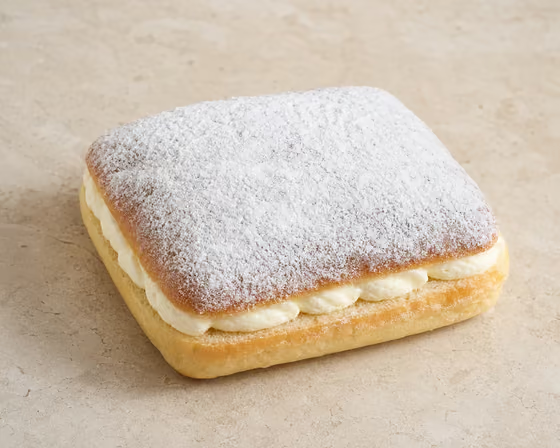 Catalogue image
 Portuguese Brioche Almofada
Light brioche dough, fresh buttercream and icing sugar.
Nationwide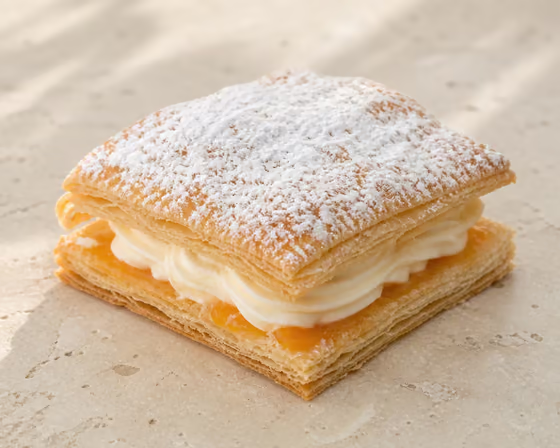 Catalogue image
 Portuguese Puff-Pastry Almofada
Puff pastry with white cream, egg sweet and icing sugar—the laminated Almofada variant.
Nationwide