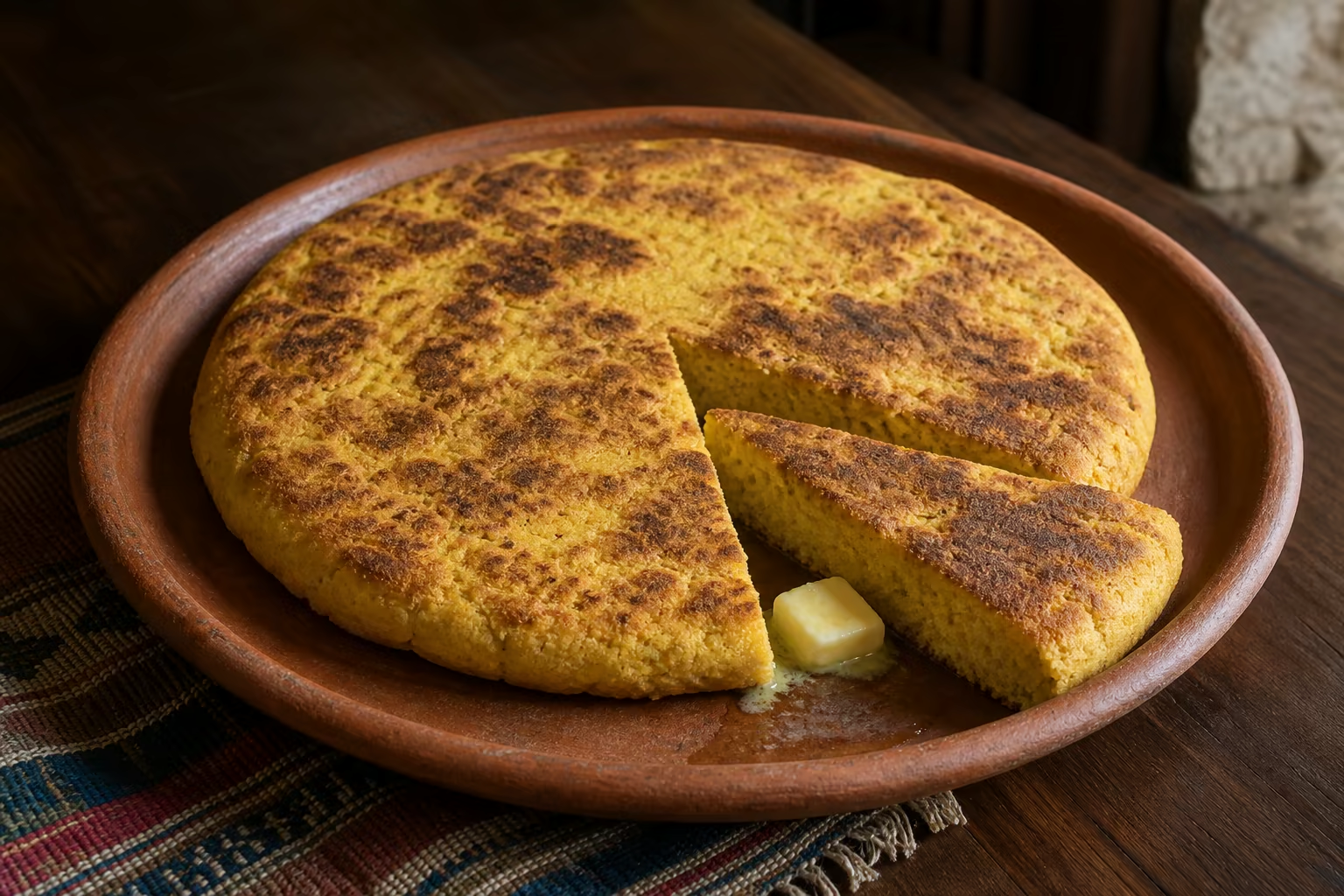
Azorean Griddle Bread
An Azorean maize round of flour, water and salt, cooked on earthenware and eaten hot.
- Origin
- São Miguel · São Jorge · Pico, Azores
- Place
- São Miguel · São Jorge · Pico
- Region
- The Azores
- Category
- Cakes & Sweet Breads
- Season
- Year-round
- Evidence
- Well documented
Bolo da Sertã is an Azorean flatbread rather than a sweet cake. Maize flour is mixed with very hot water, salt and sometimes a little wheat, without yeast, then flattened into a round about 25 centimetres across and three centimetres thick.
On São Miguel it cooks on a sertã, a large unglazed earthenware griddle. São Jorge and Pico retain versions cooked with heated stone slabs or round tiles. It is eaten hot, either with butter or alongside savoury dishes.
- maize flour
- hot water
- salt
- optional wheat flour
Plain and savoury, with toasted maize flavour, a dry crust and dense interior served while hot.
Also called Bolo de Laje; cooking changes between São Miguel's earthenware griddle, the stone slabs of São Jorge and Pico and round heated tiles elsewhere.
In homes, food festivals and traditional kitchens on São Miguel, São Jorge and Pico.
Butter, Azorean cheese, soups or fish and meat dishes.
Historian Carreiro da Costa connected the bread's remote origin to Moorish practices and related methods on mainland Portugal and Madeira. It was improvised when regular bread ran short before the next bake, and knowing how to make it was regarded as a basic household skill. Ribeira Grande Municipal Museum documents the earthenware sertã as an identity-bearing utensil of Azorean cooking and confirms its use on São Miguel for baking maize bread, or bolo da sertã. The vessel is still made in the municipality, connecting the bread to a living pottery tradition.
Well documented
Identity supported by institutional, specialist or corroborating sources.
- tradicional.dgadr.gov.pt/pt/cat/doces-e-produtos-de-pastelaria/284-bolo-da-serta (opens in a new tab)
- ribeiragrande.pt/noticias/2022-07-11/museu-municipal-da-ribeira-grande-peca-do-mes/ (opens in a new tab)
- byacores.com/bolo-serta/ (opens in a new tab)
Pastries from here — The Azores
 Catalogue image
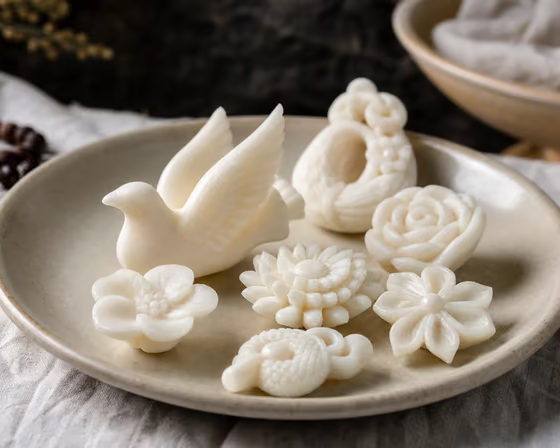
 Alfenim Pulled Sugar
Hand-pulled sugar shaped into animals, flowers, hearts and votive figures.
The Azores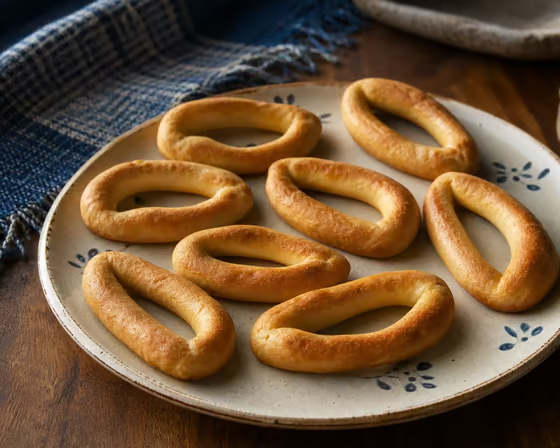 Catalogue image
 Brandy Biscuits
Crisp Santa Maria rings kneaded with eggs, rich fats and a glass of brandy.
The Azores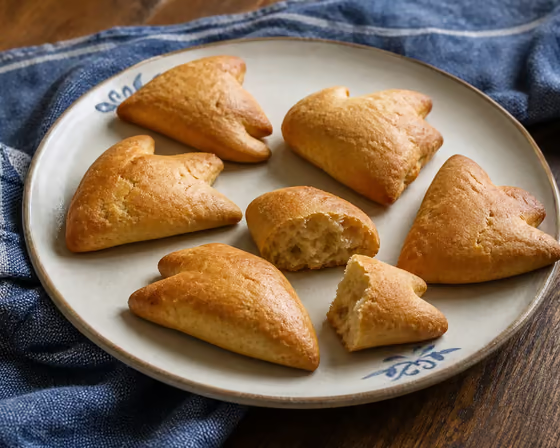 Catalogue image
 Ear-Shaped Biscuits
Santa Maria's triangular enriched biscuits, clipped at the tips like little ears.
The Azores Catalogue image
 Santa Maria Encanelado Biscuits
Santa Maria's yeasted rings under a thick white sugar glaze.
The Azores