Fafe Sponge Cake
Also known as: Fafe Sponge Cake · Fornelos Pão-de-ló
A tall, dry and very fluffy yolk-rich sponge baked in paper inside earthenware forms.
- Origin
- Arões and Fornelos · Fafe · Minho
- Place
- Arões and Fornelos · Fafe
- Region
- The North
- Category
- Cakes & Sweet Breads
- Season
- Year-round; traditional at festivals and Easter
- Evidence
- Well documented
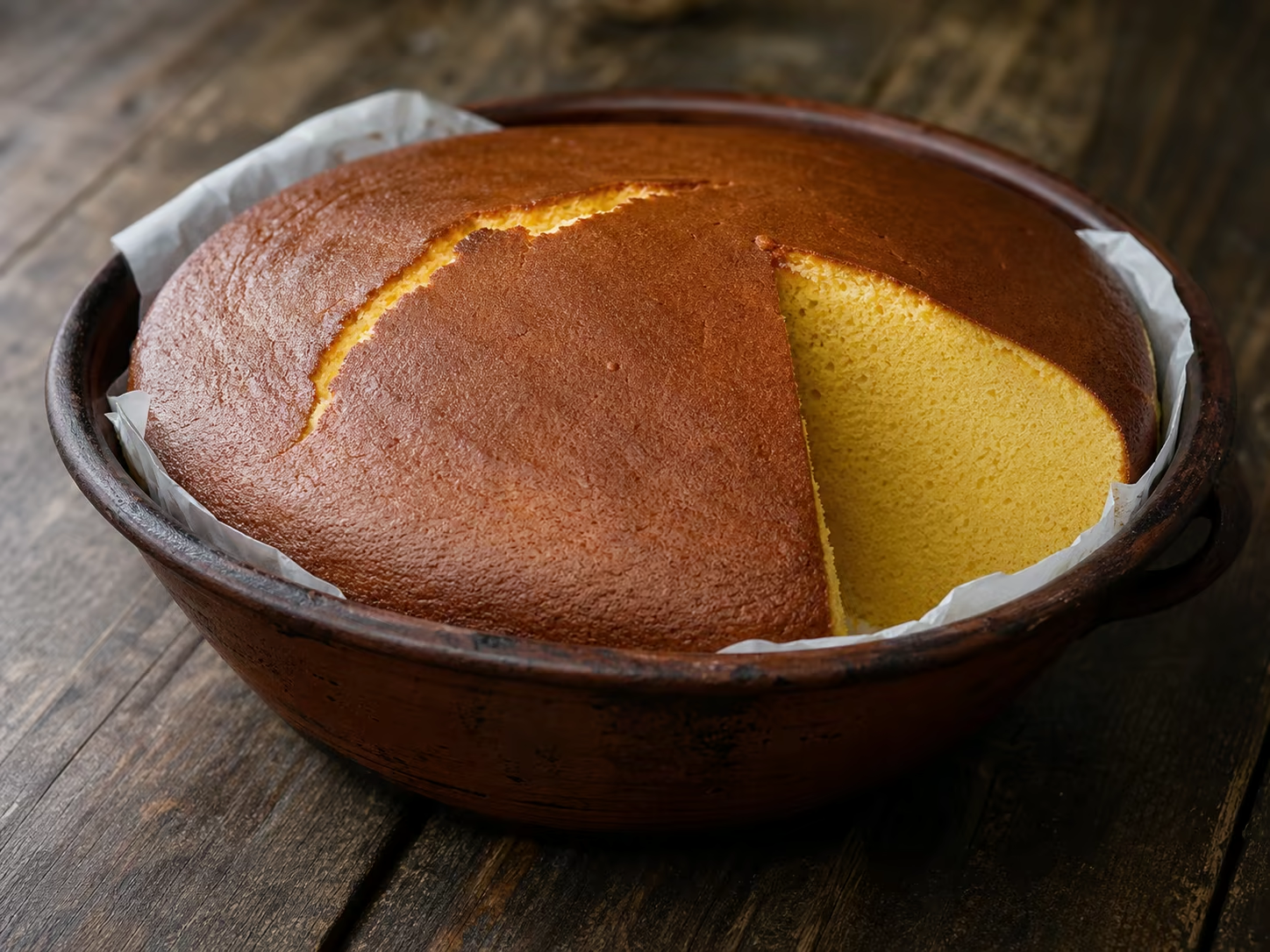
Pão-de-ló de Fafe forms a tall round dome with a smooth brown crust, crossed by a few cracks that reveal the cake's vivid yellow. It is baked on paper in a preheated earthenware form, traditionally protected by a second clay piece, a technique that distributes oven heat without scorching the surface.
Unlike deliberately underbaked sponge cakes, Fafe's is dry yet retains a fine, light and exceptionally fluffy crumb. The published regional recipe uses egg yolks, sugar and flour; sugar and yolks are beaten for an hour before sifted flour is folded in without beating, making incorporated air the cake's true leavening.
- egg yolks
- sugar
- wheat flour
- butter for the form
Sweet and intensely yolk-flavoured, with a thin toasted crust and a dry, light, delicate crumb.
Bakeries in Arões and Fornelos keep their own details of proportion and baking. Their shared identity is a tall, fluffy, fully baked cake with neither a liquid centre nor a ring shape.
At traditional sweet shops in São Romão de Arões and Fornelos, Fafe, especially during festive seasons.
White Vinho Verde, black tea or espresso.
Fafe's municipal guide identifies pão-de-ló and yolk sweets as local specialities and records their mention by José Augusto Vieira in 1886. Their reputation remains particularly associated with São Romão de Arões and Fornelos. An RTP archive report documented an artisan workshop in Fornelos with roughly seventy years of continuity, grounded in ingredient quality.
Well documented
Identity supported by institutional, specialist or corroborating sources.
- content.cm-fafe.pt/rails/active_storage/blobs/proxy/eyJfcmFpbHMiOnsiZGF0YSI6Ijg3YjFkOWUwLTdhMmYtNDZjNS1hNWJhLTgyMGMxZDM3N2IyZCIsInB1ciI6ImJsb2JfaWQifX0%3D--2f6f59da4e9bbb03c324ce29774dbd3a6f572685/guia-de-turismo.pdf (opens in a new tab)
- vive.eixoatlantico.com/pt-pt/comida-bebida/fafe/docaria-tradicional/ (opens in a new tab)
- minhaterra.pt/wst/files/I12086-MT-MGP-WEB.PDF (opens in a new tab)
- arquivos.rtp.pt/conteudos/pao-de-lo-de-fornelos/ (opens in a new tab)
- cm-terrasdebouro.pt/images/noticias/2023/3/12/fdsg23.pdf (opens in a new tab)
Pastries from here — The North
 Catalogue image
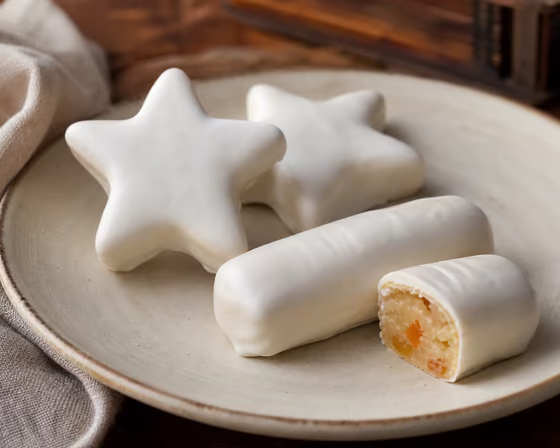
 A Bella Queijadinha de Barcelos
A white star of almond, preserved fruit and family memory.
The North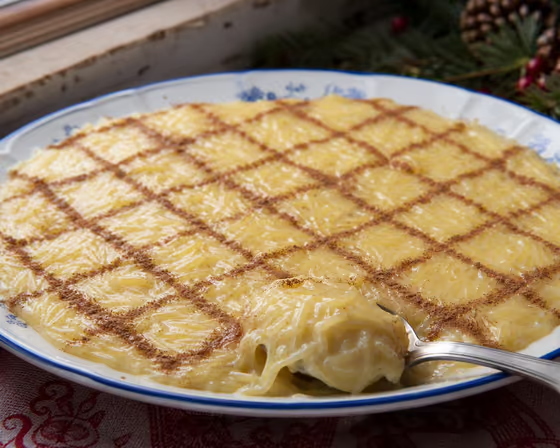 Catalogue image
 Sweet Vermicelli
Fine wheat threads simmered in milk and yolk, scored with cinnamon.
The North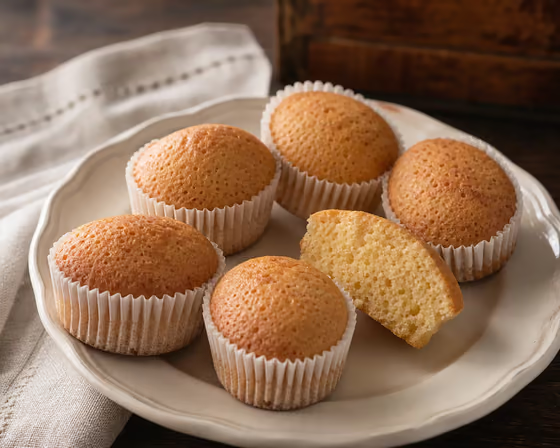 Catalogue image
 Amarantinos
Small egg, lemon and cinnamon cakes whose historical identity is not told consistently by the sources.
The North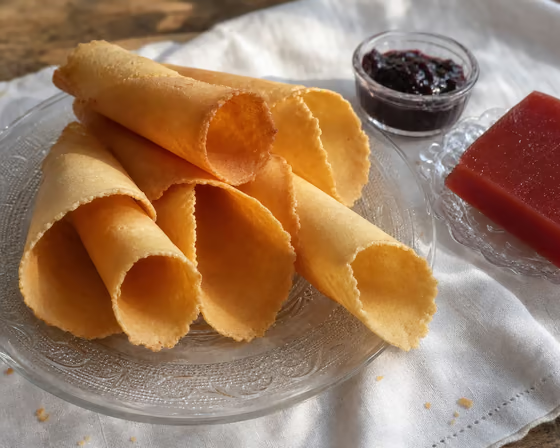 Catalogue image
 Vieira do Minho Cone Wafers
Paper-thin crisp wafers, iron-baked and rolled by hand while still hot.
The North