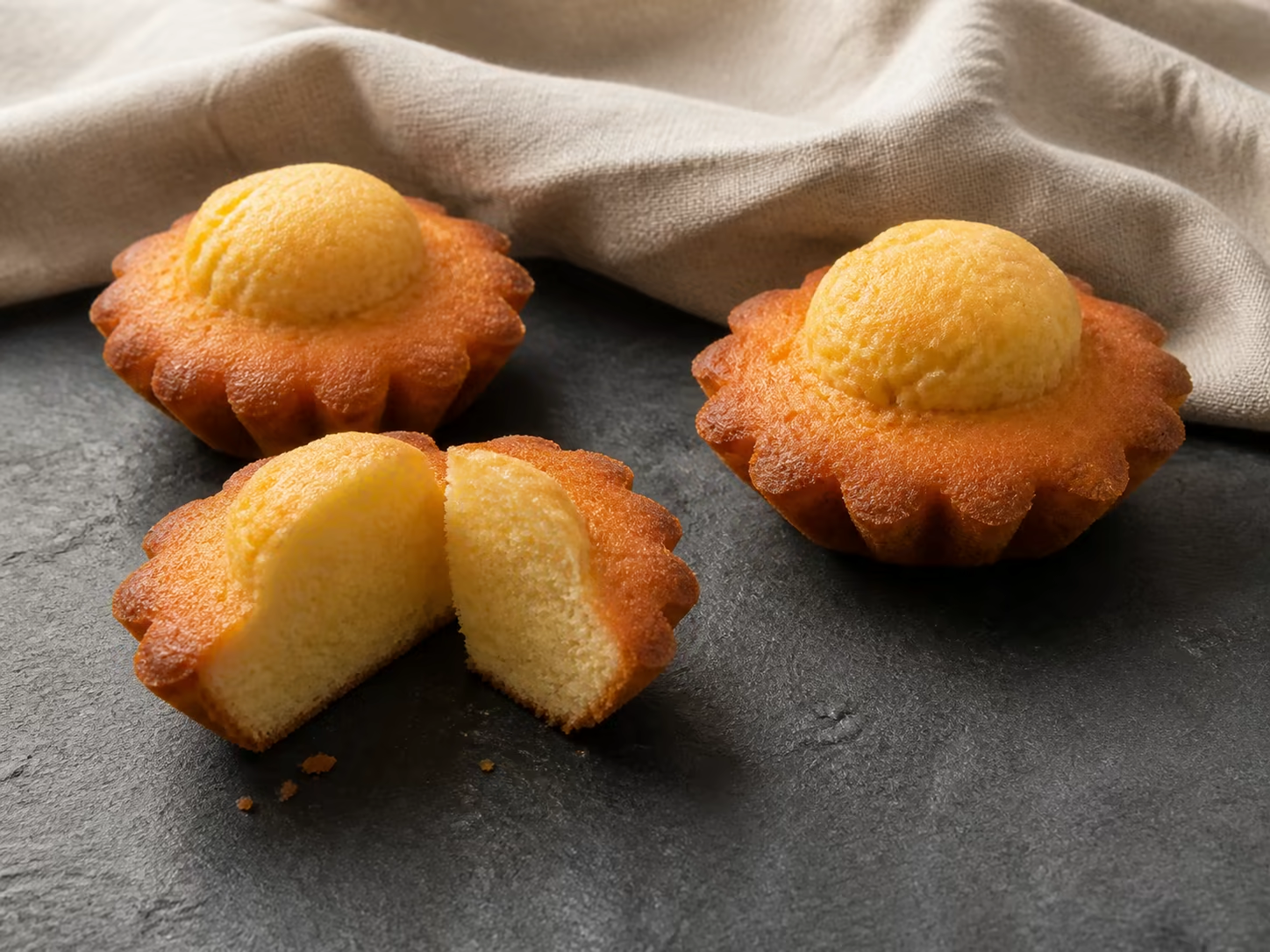
Portuguese Queque Cake
Also known as: Portuguese queque · Portuguese muffin · Portuguese butter cake · Portuguese crown cake
A small butter cake whose fluted form opens into a golden crown.
- Origin
- Portuguese pastry tradition · historical origin not established
- Place
- Portugal
- Region
- Nationwide
- Category
- Cakes & Sweet Breads
- Season
- Year-round
- Evidence
- Well documented
Queque is one of the most enduring individual cakes in Portuguese pastry shops. The classic version uses a beaten batter of butter, sugar, eggs, flour, milk and baking powder, sometimes scented with lemon zest. It is baked in small deeply fluted moulds, producing a broad ring of toasted ridges and, in the archetype documented by Fabrico Próprio, a higher rounded centre resembling a crown.
In Portugal, queque can also be used broadly for muffin-like individual cakes. This page focuses on the traditional pastry-counter model: plain, unfilled and unfrosted, with a fine, soft yellow crumb. It is muffin-sized, but its historic shape, buttery flavour and place in Portuguese café culture give it a distinct identity.
- Wheat flour
- Sugar
- Eggs
- Butter
- Milk
- Baking powder
- Lemon zest or vanilla, depending on the recipe
Soft, buttery and moderately sweet, with more deeply toasted fluted edges and a tender centre. Lemon zest brightens traditional recipes; plain versions foreground butter, egg and freshly baked cake.
Fabrico Próprio records versions with raisins, chocolate chips, almonds, walnuts and apple. Pastéis de Belém currently sells plain, chocolate and apple queques; Quinta da Senhora do Ar offers orange-and-walnut and cinnamon-and-walnut combinations. Smooth moulds, paper-wrapped versions—still associated with northern Portugal—and modern muffin-like recipes also occur.
It is easy to find in pastry shops and supermarkets across Portugal. Pastéis de Belém keeps plain, chocolate and apple queques on its menu; A Padaria Portuguesa accepts orders for its traditional queque; and Continente sells individual cakes and multipacks. To try the classic fluted form, check the presentation because many bakeries now use smooth or paper moulds.
A Portuguese latte, milky coffee or black tea.
Neither its creator nor its creation date is documented. Fabrico Próprio records a tradition that the cake honours Catherine of Braganza, Queen of England, linking its shape to a crown and its name to the English word “cake.” The source frames this as something believed or said, so it should be read as an etymological tradition rather than proven history.
What is well documented is the model’s persistence in national pastry culture. The specialist encyclopedia includes it among Portugal’s counter archetypes; A Padaria Portuguesa currently calls it “an icon of traditional Portuguese pastry”; and the menus of Pastéis de Belém and Continente continue to distinguish it from muffins and madeleines.
Well documented
Identity supported by institutional, specialist or corroborating sources.
- dicionario.priberam.org/queque (opens in a new tab)
- fabricoproprio.net/enciclopedia/queque/ (opens in a new tab)
- encomendas.apadariaportuguesa.pt/produto/queque/ (opens in a new tab)
- pasteisdebelem.pt/menu/ (opens in a new tab)
- continente.pt/frescos/padaria-e-pastelaria/pastelaria-sortida/queques-e-bolos-de-arroz/ (opens in a new tab)
- teleculinaria.pt/receitas/queques-tradicionais/ (opens in a new tab)
- qsagrupo.pt/pastelaria/ (opens in a new tab)
Pastries from here — Nationwide
 Catalogue image
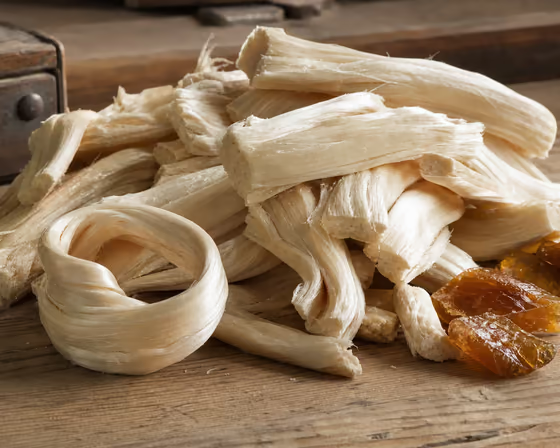
 Alféloa
Sugar or molasses cooked to a hard stage and worked until pale.
Nationwide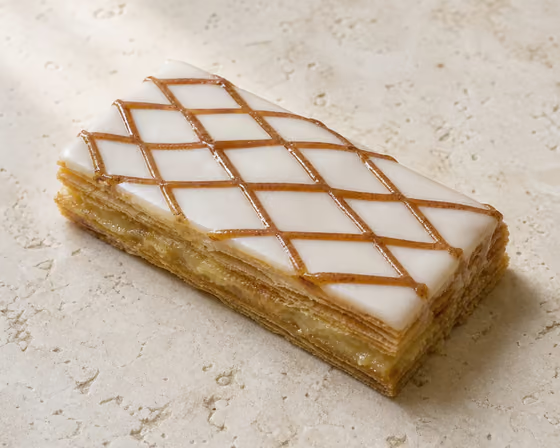 Catalogue image
 Portuguese Gila Allumette
A rectangular puff pastry with cream, gila and cinnamon beneath diamond-patterned royal icing.
Nationwide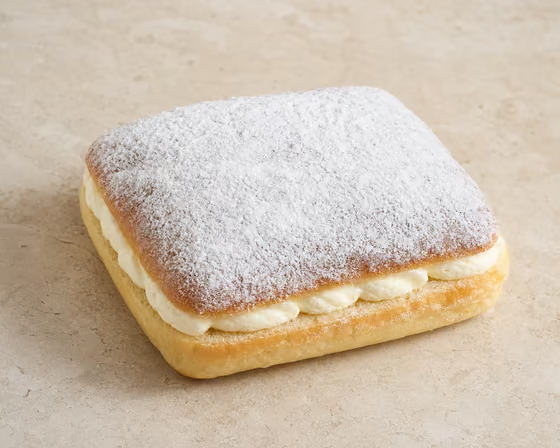 Catalogue image
 Portuguese Brioche Almofada
Light brioche dough, fresh buttercream and icing sugar.
Nationwide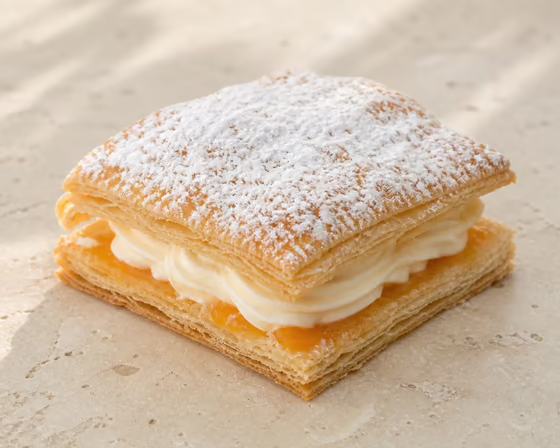 Catalogue image
 Portuguese Puff-Pastry Almofada
Puff pastry with white cream, egg sweet and icing sugar—the laminated Almofada variant.
Nationwide