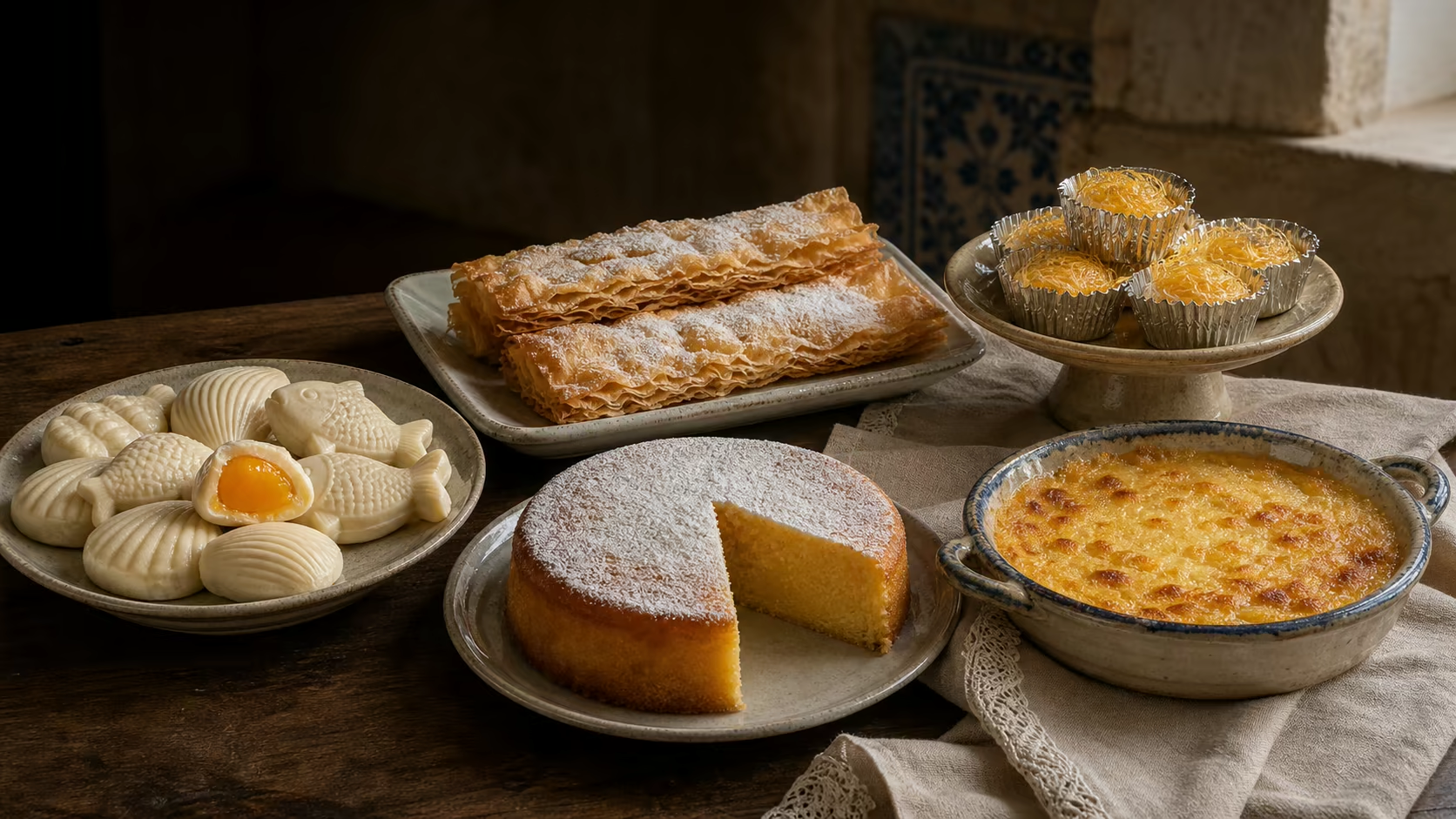
Portuguese convent sweets: 130 delicacies and their stories
A few ingredients, hundreds of results: yolks, sugar, almonds and squash preserve became threads, wafers, pastries, puddings and cakes across Portugal.
The catalogue identifies 124 sweets in the conventual family, alongside related specialities classified by technique. This guide begins with representative examples and links every name to its record, sources and regional context.
The tradition took clearer shape from the fifteenth century as sugar became more available. Similar ingredients were transformed through different syrup stages, baking methods and wrappers. After Portugal dissolved its religious orders in 1834, part of that knowledge circulated through homes, workshops and bakeries—but the precise history differs from recipe to recipe.
Yolks, sugar and technique
Sugar syrup, strained yolks and precise timing produce radically different textures. Ovos moles, papos de anjo, brisas and toucinho do céu show how a related base can become cream, airy cake or dense almond confection.
 Catalogue image
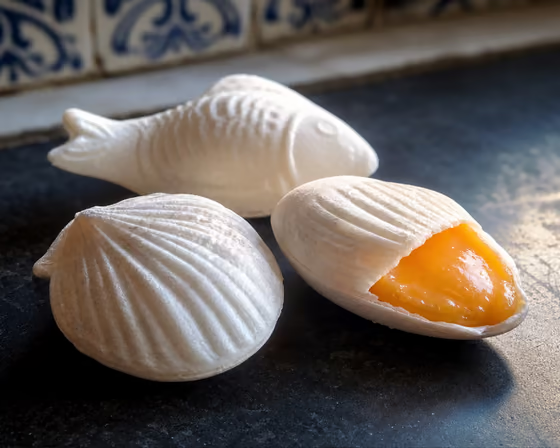
 Ovos Moles de Aveiro
Egg yolks in sugar syrup, sealed in wafer and moulded into shells, fish and the lagoon's barrels.
The Centre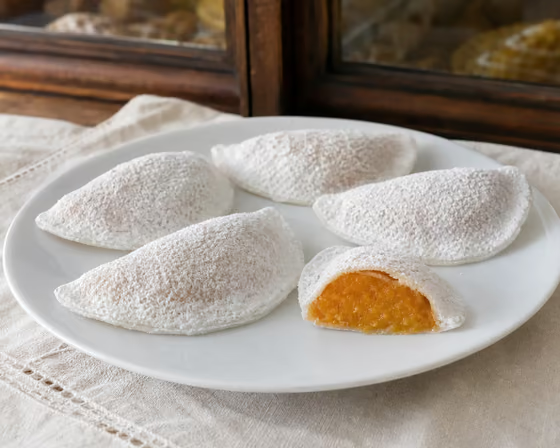 Catalogue image
 Amarante Papos de Anjo
A host-wafer crescent filled with soft yolk and almond, finished in syrup and sugar.
The North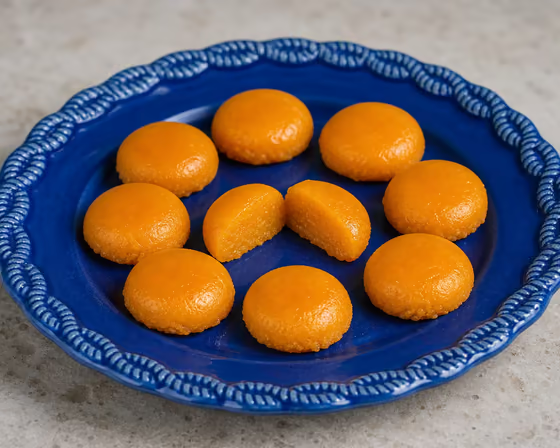 Catalogue image
 Brisas do Lis
Leiria's little kiss that changed its name: almond, yolk and sugar, baked in a bain-marie.
The Centre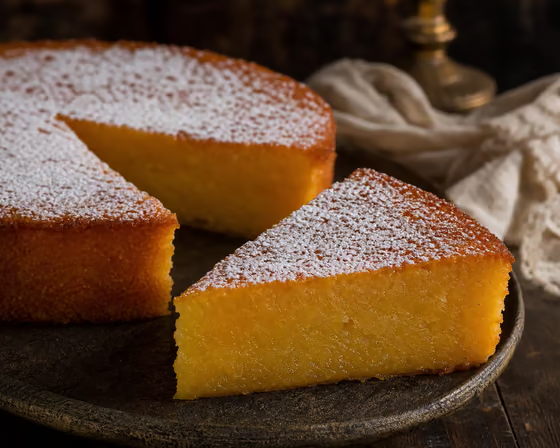 Catalogue image
 Toucinho do Céu
A dense block of almond and yolk, named for the pork fat it no longer contains.
NationwideFrom the North to the Centre
Arouca, Coimbra, Lorvão and Tentúgal preserve repertoires of their own. Wafer, nearly transparent pastry, almonds and yolk fillings give identity to sweets still tied to specific places and former religious houses.
 Catalogue image
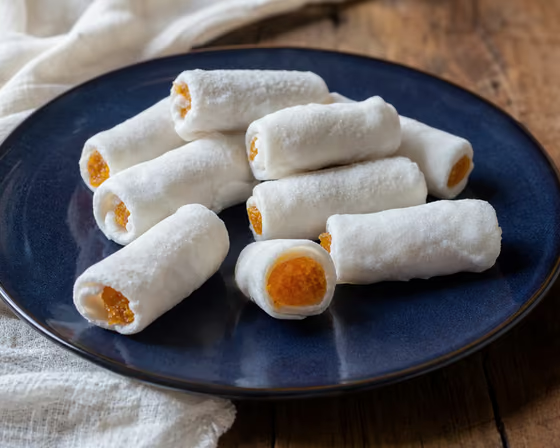
 Arouca Almond Cigars
Short white wafer rolls filled with egg-yolk and almond sweet, like small sugared cigars.
The North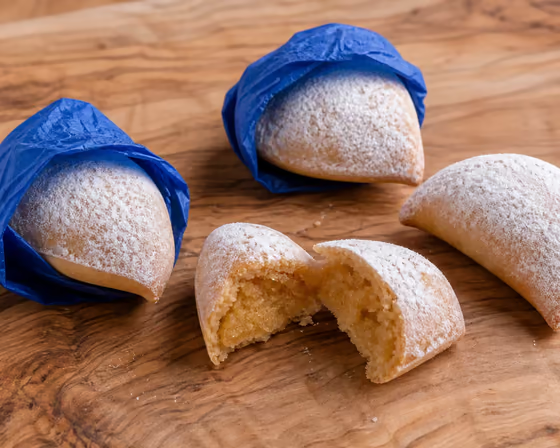 Catalogue image
 Santa Clara Pastries
Coimbra's golden half-moon, crisp pastry hiding almond and egg yolk.
The Centre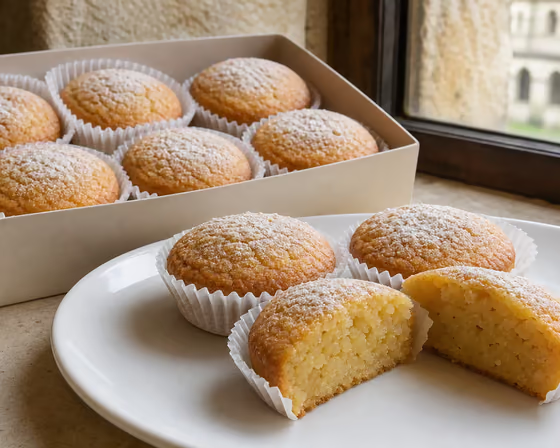 Catalogue image
 Lorvão Pastries
The almond-and-yolk sweet the nuns of Lorvão once served even to Wellington.
The Centre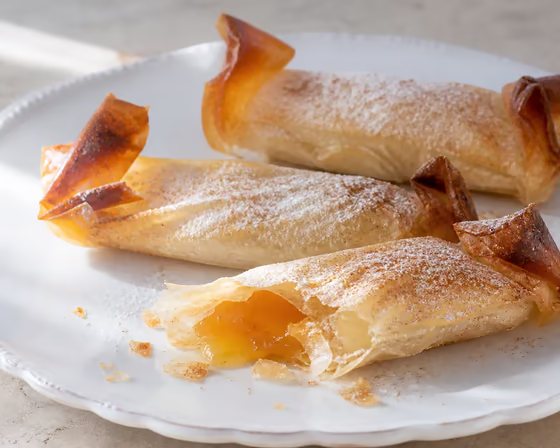 Catalogue image
 Pastel de Tentúgal
An almost-transparent, shatteringly crisp pastry filled with egg sweet — a feat of hand.
The CentreThe Alentejo convent table
In the Alentejo, recipes combine eggs and sugar with bread, almonds, squash preserve, cinnamon and sometimes plums. Encharcada needs a spoon; pão de rala hides layers; sericaia opens into cracks; Portalegre toucinho do céu concentrates almond and yolk.
 Catalogue image
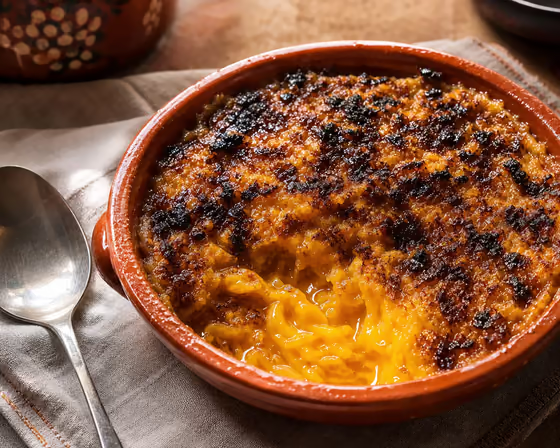
 Encharcada
Egg yolks and sugar taken to the limit, the surface scorched and dusted with cinnamon.
The Alentejo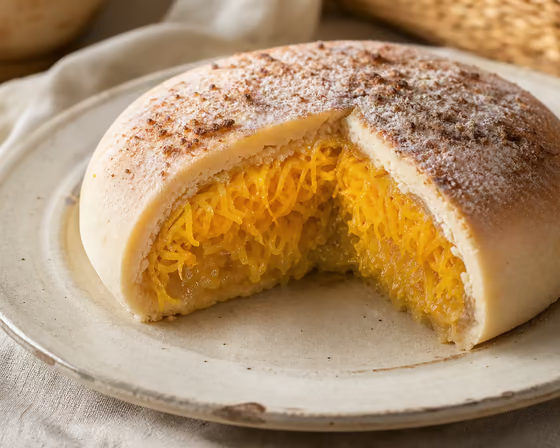 Catalogue image
 Pão de Rala Convent Cake
A convent marzipan loaf filled with egg threads, sweet yolk cream and gila preserve.
The Alentejo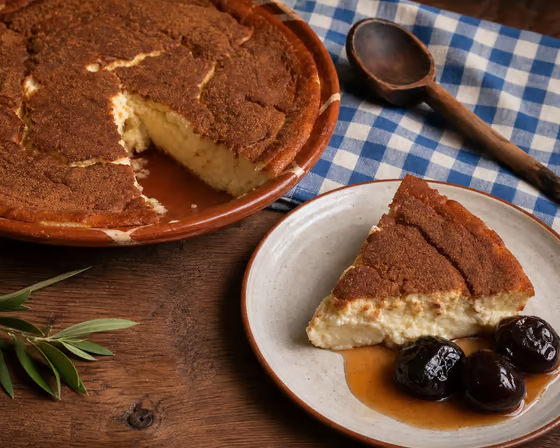 Catalogue image
 Sericaia
Elvas's cracked, cinnamon-dusted custard, sworn partner of plums in syrup.
The Alentejo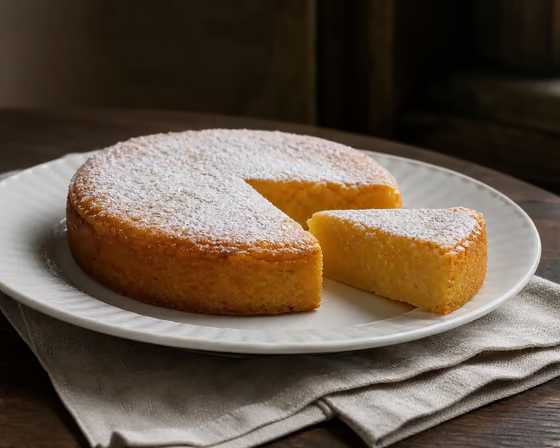 Catalogue image
 Santa Clara Toucinho do Céu from Portalegre
Portalegre's creamy version, where almond and yolk gain the richness of butter.
The AlentejoThe Algarve and living regional traditions
In the south, almonds take distinctive forms in Dom Rodrigo, morgado and doce fino. The Sintra queijada is a reminder that “conventual” describes no single recipe: it is a broad historical family intertwined with local and commercial traditions.
 Catalogue image
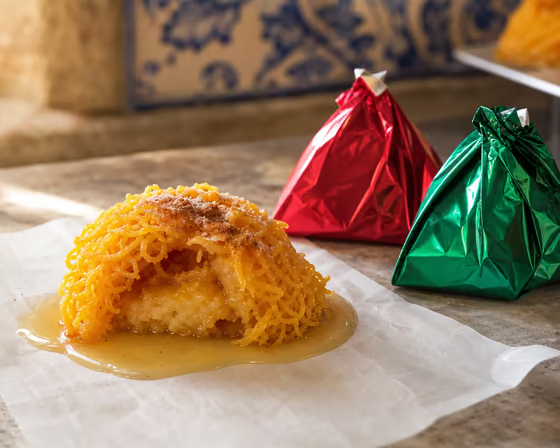
 Dom Rodrigo
Egg threads and almond twisted into a shimmering foil bonbon.
Nationwide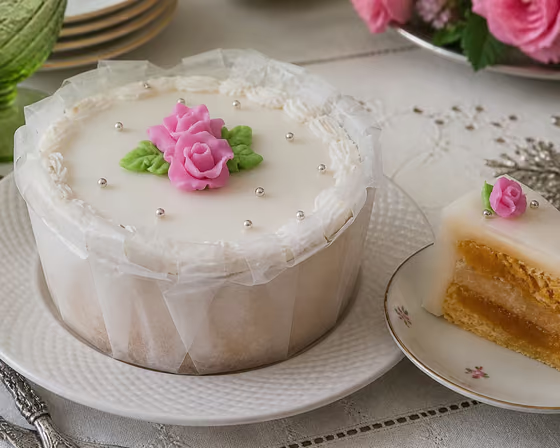 Catalogue image
 Almond Morgado
An almond-paste shell filled with gila preserve, egg threads and soft egg sweet.
The Algarve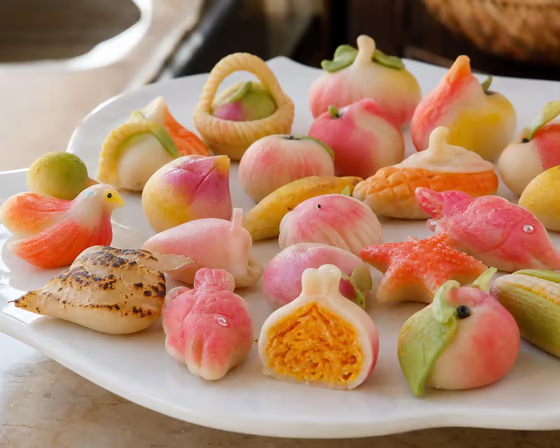 Catalogue image
 Algarve Marzipan Figures
Hand-painted almond miniatures where the orchard's fruit turns to sweet.
The Algarve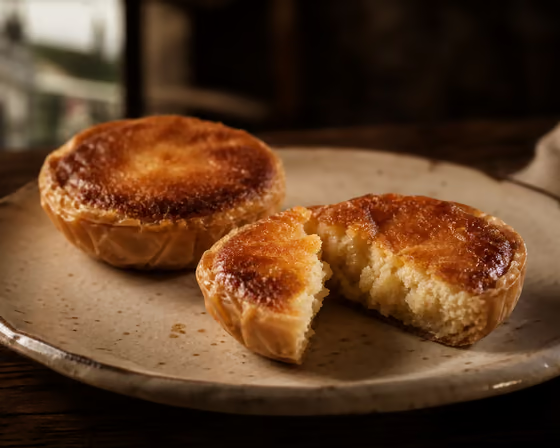 Catalogue image
 Queijada de Sintra
Tiny fresh-cheese-and-cinnamon tarts with a rim pinched by hand.
SintraQuestions about Portuguese convent sweets
What are Portuguese convent sweets?
Strictly speaking, they are sweets produced or documented in convents and monasteries. In common usage, the term also covers a wider historical family rich in sugar and yolks, often with almonds, squash preserve, bread or wafer. Not every modern attribution to a particular convent is supported by documentary evidence.
Why do so many convent sweets use egg yolks?
The familiar explanation says egg whites were used for starching clothes or other tasks, leaving yolks available. Tourism sources present this as one of several hypotheses. What is well established is the importance of yolks, sugar and syrup technique in the repertoire that developed during the early modern period.
What is the best-known Portuguese convent sweet?
Pastel de nata is now the best known internationally, while Pastéis de Belém retain a historical link to the Jerónimos Monastery. Ovos moles de Aveiro, Pastel de Tentúgal, toucinho do céu, papos de anjo, Dom Rodrigo and sericaia are other essential references.
Are convent sweets and traditional sweets the same thing?
No. Traditional sweets include domestic, festive, commercial and regional recipes without convent origins. Some specialities changed context over time, so each sweet should be assessed through its available sources rather than assuming any old yolk-rich recipe began in a convent.