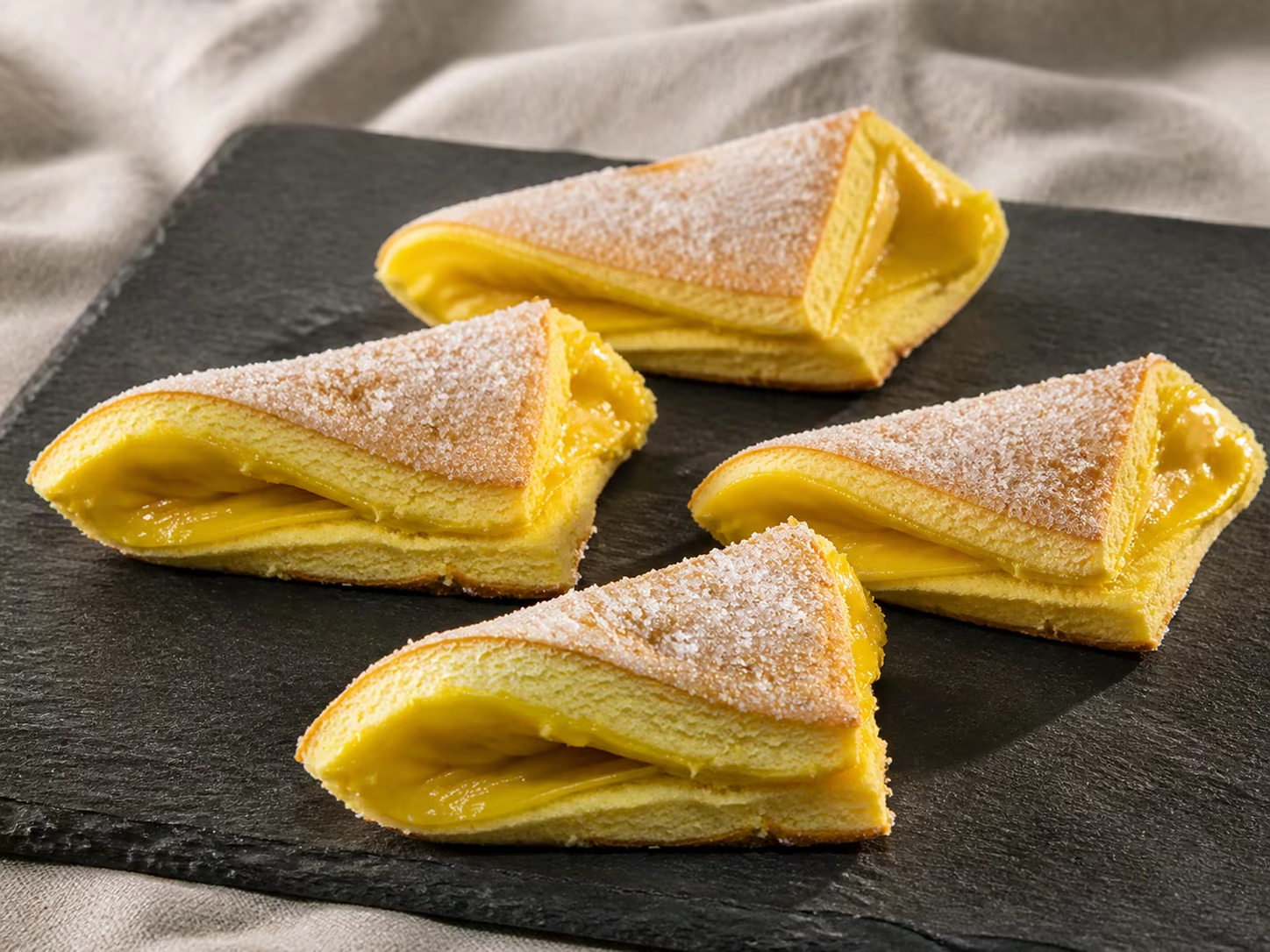
Portuguese Napkin Cake
Also known as: Portuguese napkin cake · Portuguese handkerchief cake · Guardanapo cake
A thin sponge sheet folded into a triangle, filled with cream and coated with sugar.
- Origin
- Portuguese pastry tradition · creator and date not established
- Place
- Portugal
- Region
- Nationwide
- Category
- Cakes & Sweet Breads
- Season
- Year-round
- Evidence
- Well documented
The guardanapo is a Portuguese pastry-counter classic made from a thin, flexible sheet of cake, usually cut into a square, spread with cream and folded diagonally. The resulting triangle resembles a folded napkin or handkerchief, explaining its two common names. Sugar coats the outside while yellow cream remains visible at the opening.
The version photographed by Panizende has a fine sponge crumb, abundant yellow cream and granulated sugar. Published Portuguese recipes use sponge cake or a light batter of eggs, sugar and flour, with pastry cream or sweet egg-yolk cream. It should not be confused with Lenço de Viana, a name used by Viana do Castelo producers for different sweets.
- Thin sponge sheet: eggs, sugar, flour and, depending on the recipe, baking powder
- Pastry cream or sweet egg-yolk cream
- Sugar for finishing
Soft and light in the sponge, creamy inside and distinctly sweet at the finish. The outer sugar adds a delicate crunch; pastry cream brings milk and vanilla notes, while sweet egg cream has a deeper yolk flavour.
Some versions use milk-and-yolk pastry cream, while others use sweet egg cream. Lenço and lencinho are alternative names for the sponge-cake guardanapo; some bakeries also apply Lenço to a structurally different puff-pastry piece. Lenço de Viana is documented separately because producers use that name for their own distinct presentations.
This is a widely distributed pastry-shop cake. Panizende sells it as “Lenço” and pictures a sponge-and-cream version; Confeitaria Delícia do Canto in Porto lists “Lenços” on its menu. Confirm availability and the pastry type, as execution varies by bakery.
Espresso or an unsweetened Portuguese milky coffee.
No reliable source found assigns the guardanapo to a particular inventor, bakery or date. Contemporary documentation nevertheless shows a broad presence: in 2019, “Lenços” appeared among Braga’s Seven Wonders of Portuguese Sweets nominees; Panizende currently sells a “Lenço” in Braga district, a Porto bakery lists “Lenços,” and national recipe publishers call the cake “Guardanapos.”
That distribution supports treating it as a Portuguese pastry-shop cake rather than the exclusive speciality of one locality. The Braga nomination demonstrates regional recognition in that competition, but it does not establish the recipe’s historical origin.
Well documented
Identity supported by institutional, specialist or corroborating sources.
- panizende.pt/produto/lenco/ (opens in a new tab)
- 24kitchen.pt/receita/guardanapos (opens in a new tab)
- teleculinaria.pt/receitas/guardanapos/ (opens in a new tab)
- ubereats.com/pt/store/confeitaria-delicia-do-canto/vnuJehSyXxK1RsfBPt7vVg (opens in a new tab)
- caruspinus.pt/wp-content/uploads/2019/04/7MARAVILHASDOCESPORTUGAL_LISTA_NOMEADOS_vs2.pdf (opens in a new tab)
- portuguesebaking.com/lessons/guardanapos-2/ (opens in a new tab)
Pastries from here — Nationwide
 Catalogue image
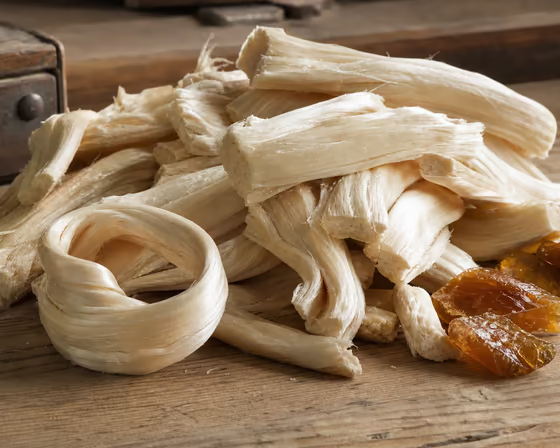
 Alféloa
Sugar or molasses cooked to a hard stage and worked until pale.
Nationwide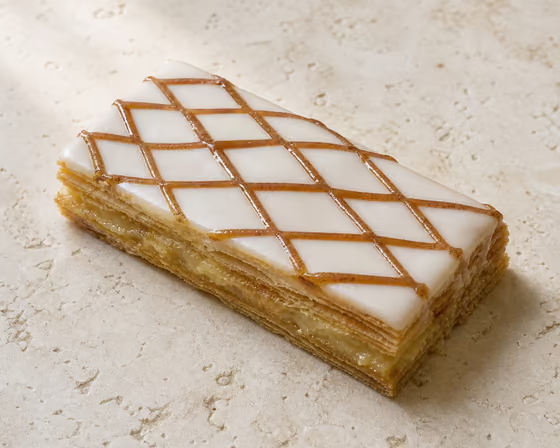 Catalogue image
 Portuguese Gila Allumette
A rectangular puff pastry with cream, gila and cinnamon beneath diamond-patterned royal icing.
Nationwide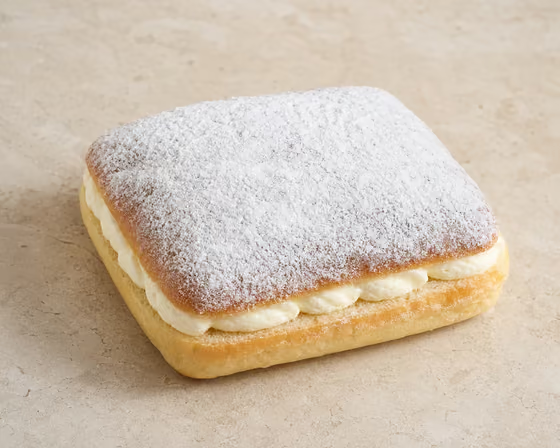 Catalogue image
 Portuguese Brioche Almofada
Light brioche dough, fresh buttercream and icing sugar.
Nationwide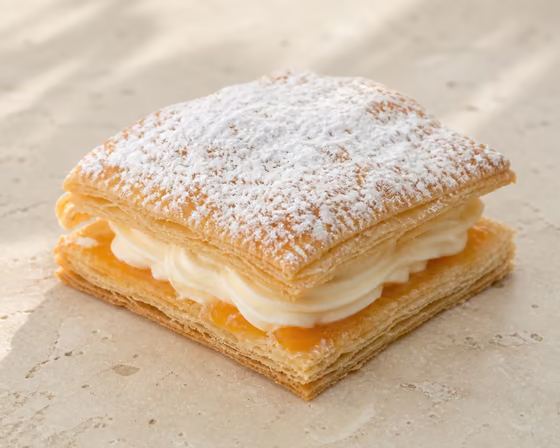 Catalogue image
 Portuguese Puff-Pastry Almofada
Puff pastry with white cream, egg sweet and icing sugar—the laminated Almofada variant.
Nationwide