The regions of sweetmaking
Portuguese sweetmaking is a geography. Tap a region on the map and discover its sweets.
The North
The catalogue brings together distinct traditions from Minho, Porto, Tâmega and the Douro within northern Portugal. Tortas de Guimarães, Amarante sweets, cavacas, sponge cakes and pilgrimage specialities show a region that cannot be reduced to one formula or a single convent origin.
Institutional and local sources document particular ingredients, places and practices; associations with convents, saints or rituals are stated in each record according to the strength of the available evidence.
 Catalogue image
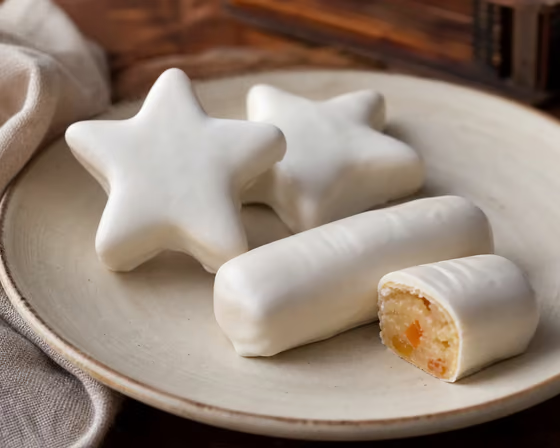
 A Bella Queijadinha de Barcelos
A white star of almond, preserved fruit and family memory.
The North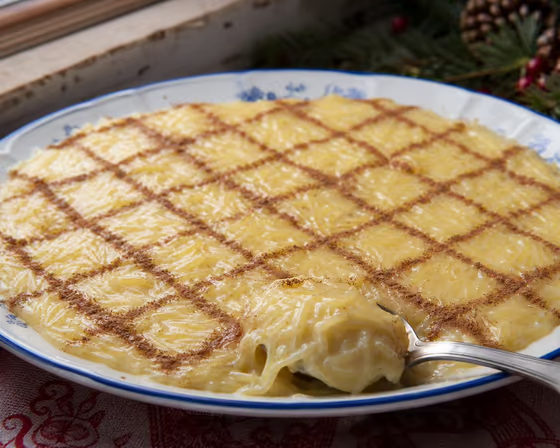 Catalogue image
 Sweet Vermicelli
Fine wheat threads simmered in milk and yolk, scored with cinnamon.
The North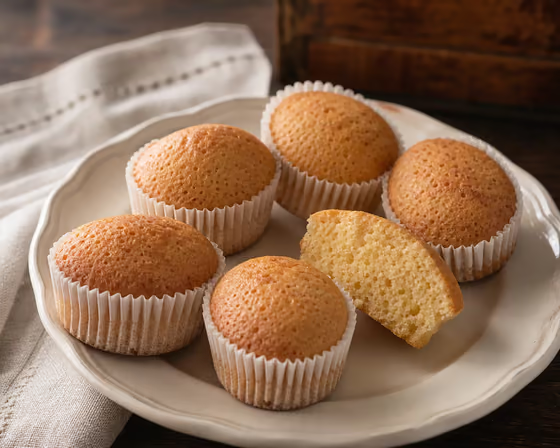 Catalogue image
 Amarantinos
Small egg, lemon and cinnamon cakes whose historical identity is not told consistently by the sources.
The North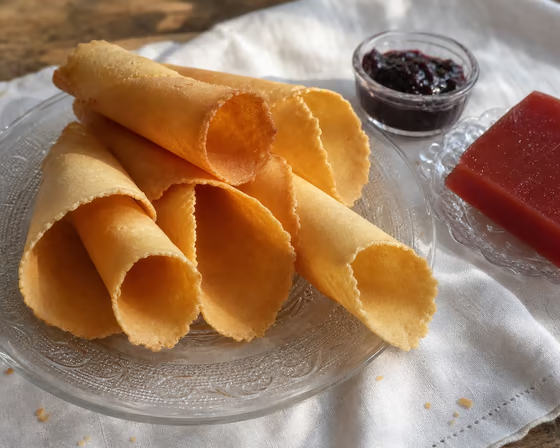 Catalogue image
 Vieira do Minho Cone Wafers
Paper-thin crisp wafers, iron-baked and rolled by hand while still hot.
The NorthTrás-os-Montes
In Trás-os-Montes, the catalogue documents cakes, fried sweets, puddings and confections tied to places across Bragança, Vila Real and the Miranda plateau. Chestnut, almond, walnut, honey and olive oil recur in several specialities but do not by themselves define the whole regional repertoire.
Research from the Polytechnic Institute of Bragança and municipal documentation helps distinguish regional repertoire, family memory and convent attributions that remain unproven.
 Catalogue image
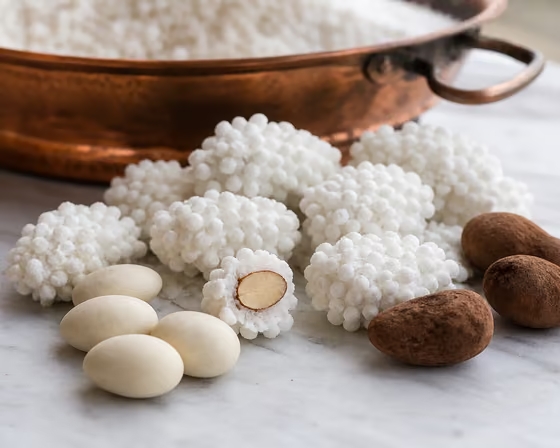
 Moncorvo Sugar-Coated Almonds
The queen of Trás-os-Montes sweets, spun from sugar and patience in copper.
Trás-os-Montes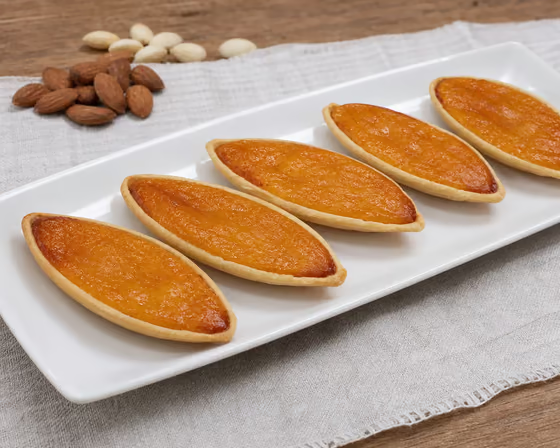 Catalogue image
 Alfândega da Fé Almond Boats
Pale pastry boats with a glossy filling of yolk and Trás-os-Montes almonds.
Trás-os-Montes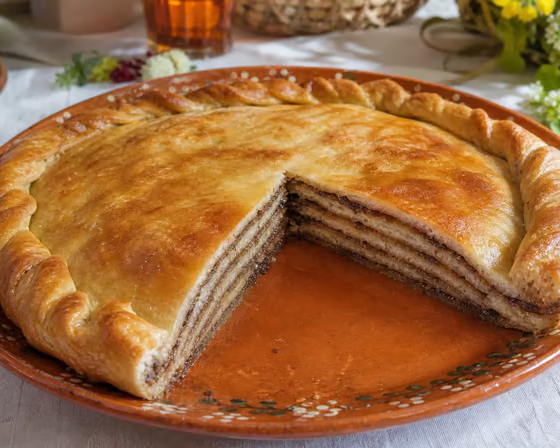 Catalogue image
 Mirandese Sweet Bola
The Easter bola that unravels in layers of sugar and cinnamon.
Trás-os-Montes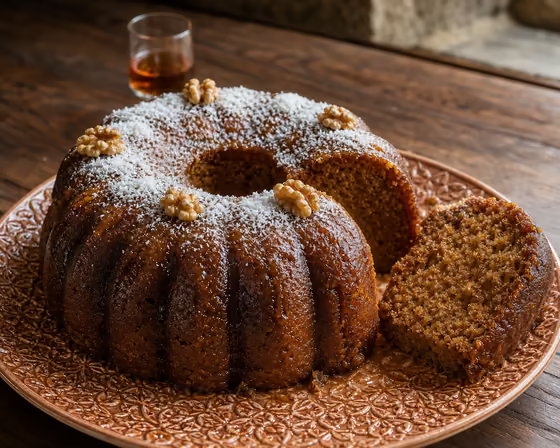 Catalogue image
 Douro Port-Soaked Cake
A rich egg-and-butter cake soaked while hot in a generous Port-wine syrup.
Trás-os-MontesThe Centre
Central Portugal combines repertoires from Aveiro, Coimbra, Tentúgal and the Beiras. Ovos Moles de Aveiro PGI, fine-pastry sweets, Santa Clara pastries, arrufadas, tigeladas and cheese- or chestnut-based specialities reflect different places and techniques.
The name Ovos Moles de Aveiro was registered as a PGI in 2009. Other records state separately whether a convent origin is documented, transmitted as tradition or still uncertain.
 Catalogue image
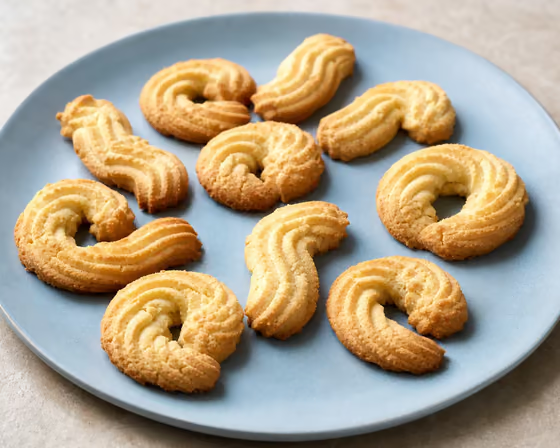
 Ílhavo Piped Butter Biscuits
Regional buttery biscuits piped into deeply ridged rings and curves.
The Centre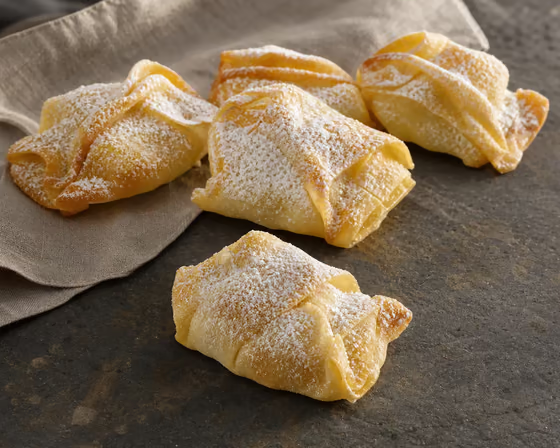 Catalogue image
 Saint Friar Gil’s Saddlebags
The small saddlebag-shaped pastry created at Vouzela’s vocational school and recognised as an innovative sweet.
The Centre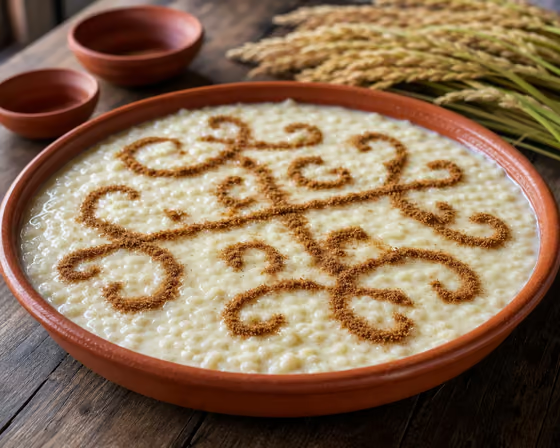 Catalogue image
 Baixo Mondego Rice Pudding
Mondego Carolino rice and Gândara milk, traced with cinnamon.
The Centre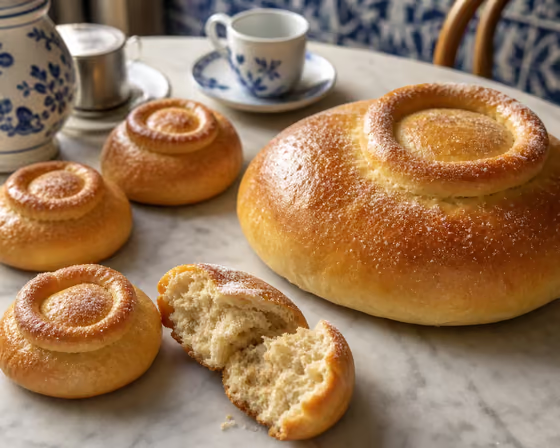 Catalogue image
 Arrufada de Coimbra
Coimbra's light, fragrant sweet bread, given by godparents at Easter.
The CentreThe West
In western Portugal, the catalogue spans Caldas da Rainha, Óbidos, Alcobaça, Nazaré, Peniche and other places. Cavacas, egg-yolk sheets, fruit sweets, biscuits and almond specialities reveal a territory more diverse than the label ‘conventual’ suggests.
The proximity of Alcobaça is historically relevant, but it does not prove that every regional sweet has a monastic origin. Each record separates contemporary identity from creation narratives.
 Catalogue image
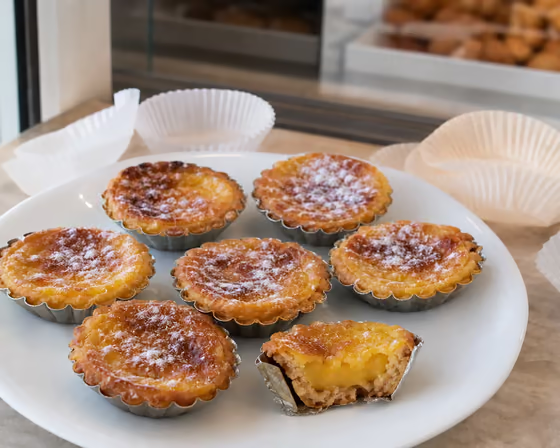
 Friends of Peniche
The sweet named after friends you should not trust.
The West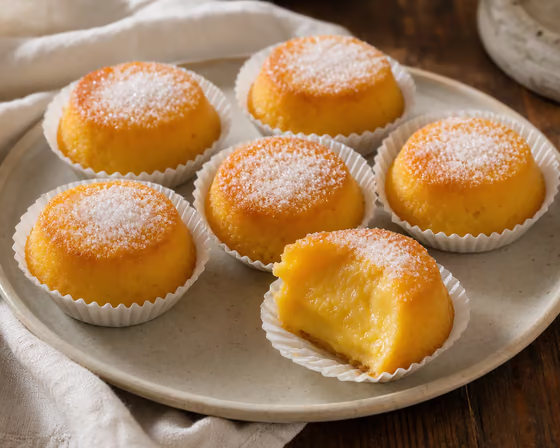 Catalogue image
 Areias Brancas
Small yolk-and-almond pudding cakes, named by the coast and covered with white sugar.
The West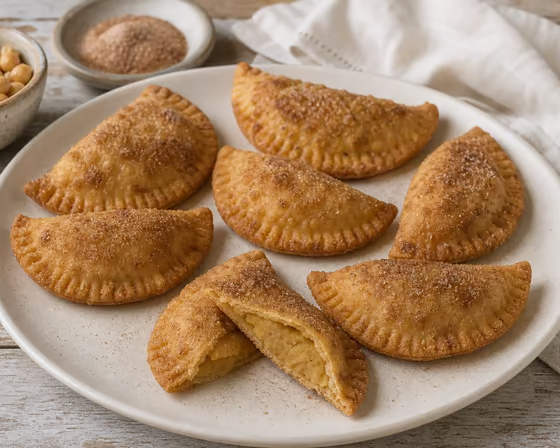 Catalogue image
 Peniche Chickpea Azevias
Thin fried half-moons with a sweet, creamy chickpea, almond and egg-yolk filling.
The West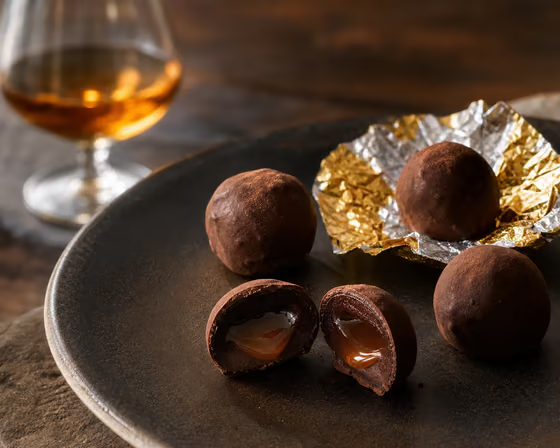 Catalogue image
 Lourinhã DOC Brandy Bonbon
A dark-chocolate bonbon with a Lourinhã DOC brandy heart.
The WestSintra
Queijadas and travesseiros are Sintra's best-known emblems, but the catalogue also documents walnut sweets, cakes and other local specialities. Sources establish the commercial continuity of historic businesses and present formulas without assuming that every recipe remained unchanged for centuries.
Medieval references to queijadas and nineteenth- or twentieth-century company histories belong to different documentary periods; individual records make that distinction explicit.
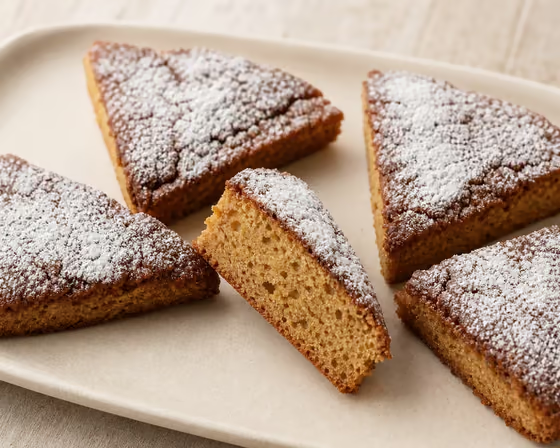 Catalogue image
 Agualva Cinnamon Triangles
Dark cinnamon triangles with lemon, airy crumb and a coat of sugar.
Sintra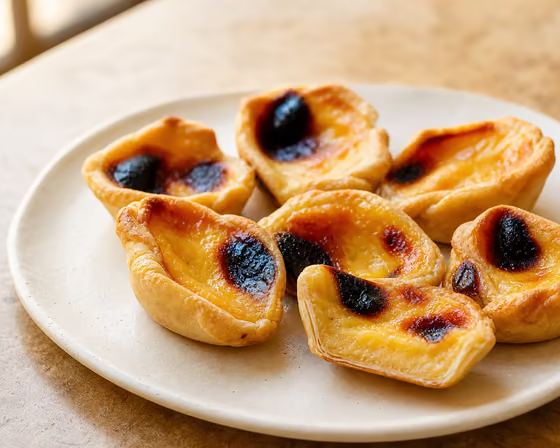 Catalogue image
 Paiões Lembrados
Small golden, blistered festival pastries that Paiões bakes only once a year.
Sintra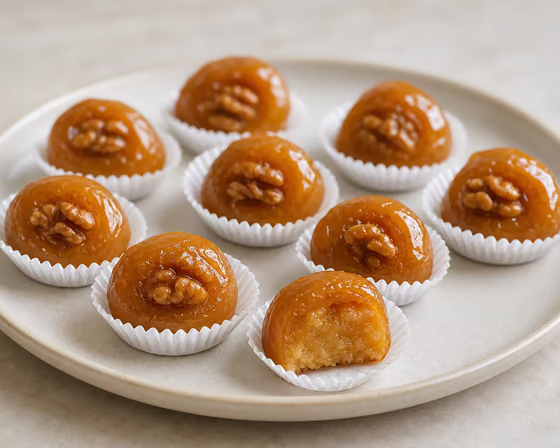 Catalogue image
 Galamares Golden Nuts
Yolk and sugar beneath caramel and walnut in the historical formula; almonds in the current version.
Sintra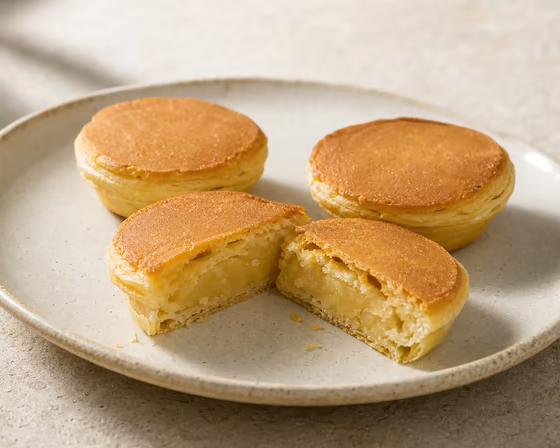 Catalogue image
 Cruz Alta Pastry
Crisp puff pastry around egg cream, almond and white bean.
SintraLisbon
Lisbon brings together Belém confectionery, urban pastry shops and specialities from places across the metropolitan area. The company history of Pastéis de Belém dates regular production to 1837; that tradition should be attributed to the company and corroborating sources, not treated as a published convent recipe.
Historic businesses, cafés and pastry shops helped circulate cakes and pastries from many regions. The catalogue distinguishes sweets specifically associated with Lisbon from those that became common in the capital without originating there.
 Catalogue image
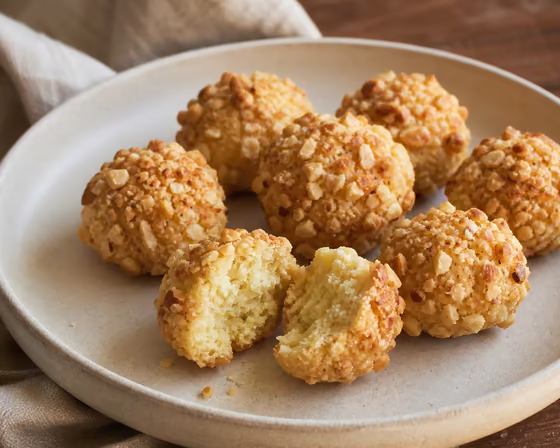
 Amendoados
Small dry, crumbly cakes, shaped by hand and crowned with coarsely chopped almonds.
Lisbon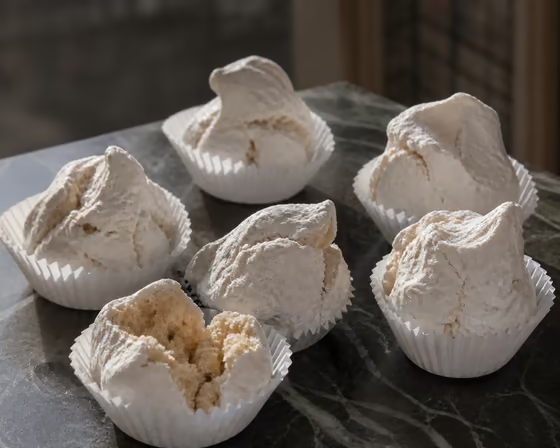 Catalogue image
 Azeitão Almond Meringues
Rustic hand-shaped almond meringues with a white, delicately cracked shell.
Lisbon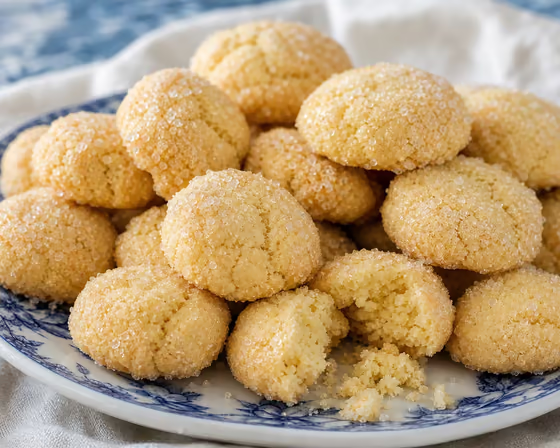 Catalogue image
 Cascais Sands
Beach sand that melts on the tongue.
Lisbon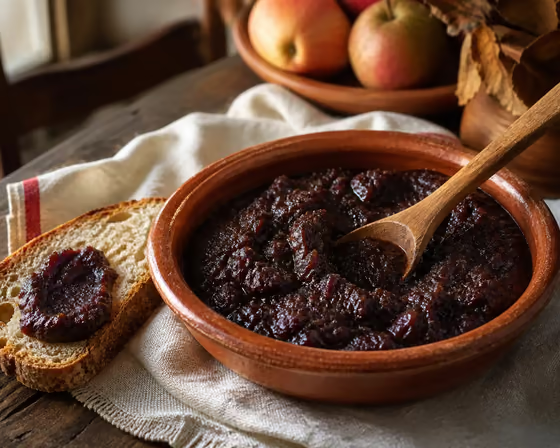 Catalogue image
 Arroubo Grape-Must Preserve
Must reduced slowly—alone as syrup or with fruit as uvada—in terminology that varies among sources and localities.
LisbonThe Alentejo
The Alentejo collection includes sericaia, encharcadas, egg-yolk sweets, honey- or olive-oil cakes, queijadas and almond-and-squash confections. Évora, Elvas, Beja, Portalegre and other places maintain distinct domestic, conventual and commercial repertoires.
Phrases such as ‘the peak of convent sweetmaking’ are judgements, not measurable facts. This guide identifies concrete products and provenances, leaving each record to explain what is documented and what remains tradition.
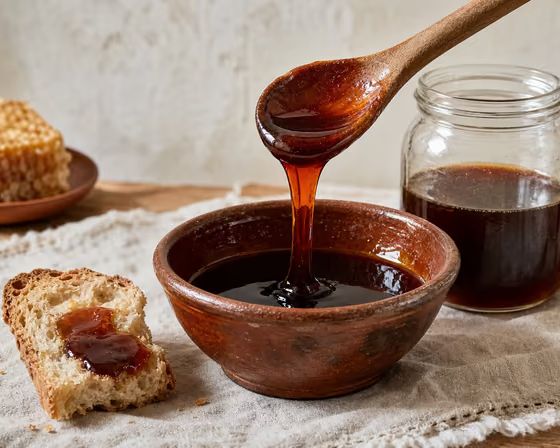 Catalogue image
 Portuguese Água-mel Syrup
Water that recovers honey from combs after extraction, filtered and reduced for hours to 70–77° Brix.
The Alentejo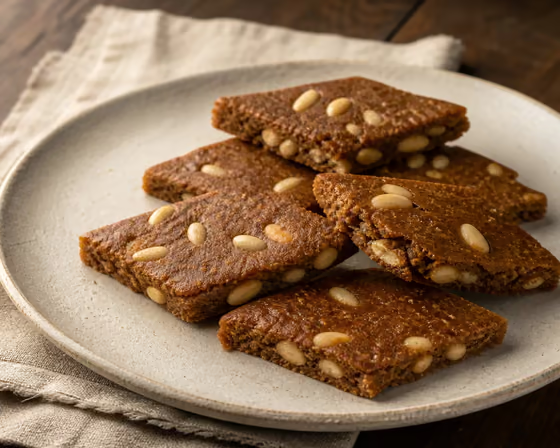 Catalogue image
 Alcomonias
Toasted coarse wheat flour, honey and pine nuts spread and cut into diamonds.
The Alentejo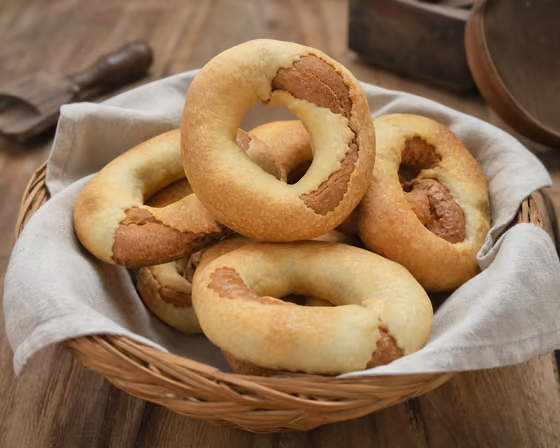 Catalogue image
 Amoreiras-Gare Alcôncoras
A large circular honey-and-olive-oil biscuit born from Amoreiras-Gare's promise-pole tradition.
The Alentejo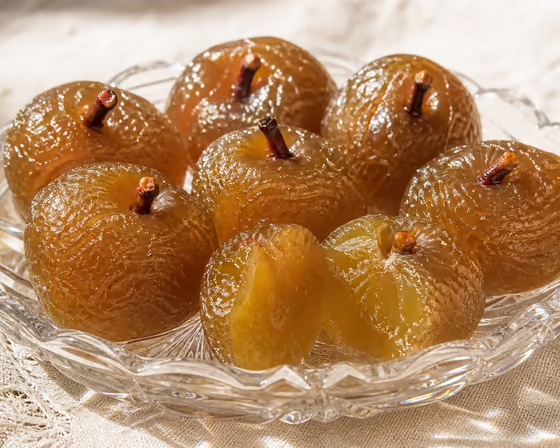 Catalogue image
 Elvas Plums
Protected Rainha Cláudia Verde greengages sold fresh, dried or candied—the sweet form requires at least seven days of slow candying.
The AlentejoThe Algarve
Almond, fig and carob recur across many Algarve specialities, including Dom Rodrigos, morgados, doce fino and fig confections. Turismo de Portugal documents these ingredients and products in the region's present-day food culture.
Islamic presence deeply shaped the Algarve, but that alone cannot attribute every modern technique directly to the Moors. The catalogue treats such continuity as context and requires specific evidence for recipe genealogies.
 Catalogue image
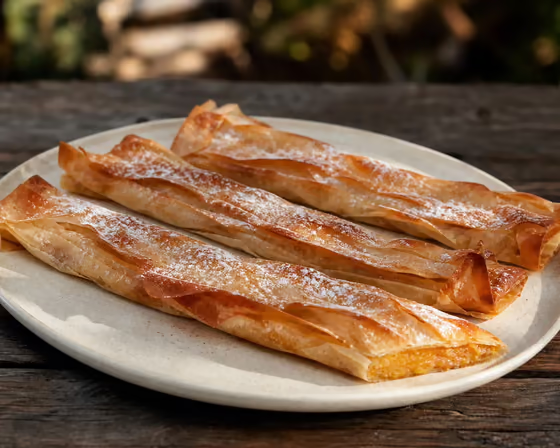
 Aljezur Sweet-Potato Pillows
A long pillow of crisp pastry leaves wrapped around Aljezur sweet potato.
The Algarve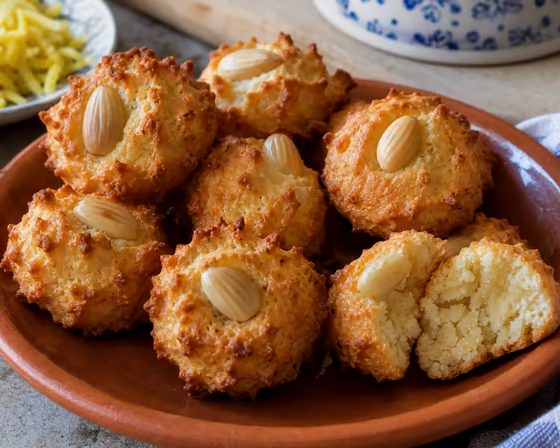 Catalogue image
 Almond Spiky Biscuits
Bristling peaks of almond, lemon and egg white, crisp outside and soft at the centre.
The Algarve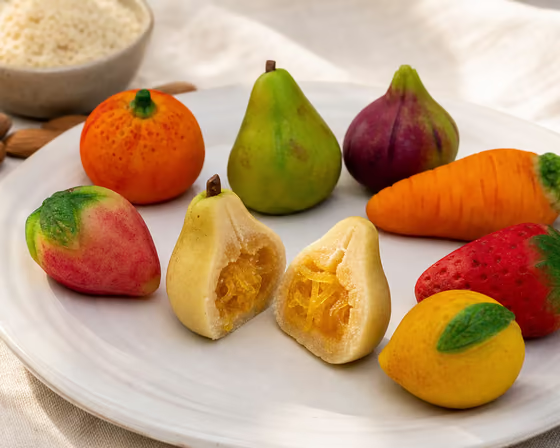 Catalogue image
 Silves Almond Sweets
Algarve figures hand-shaped and painted in almond paste.
The Algarve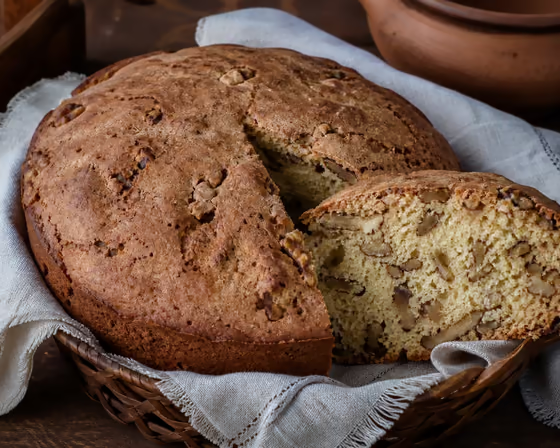 Catalogue image
 Algarve Nut Sweet Bread
An upland sweet bread enriched with olive oil, spices and walnuts or almonds.
The AlgarveMadeira
Sugarcane culture is documented in Madeira from the fifteenth century and forms part of the island's Atlantic history. Bolo de mel, honey biscuits, sugarcane-honey preparations and other specialities coexist with queijadas and fruit desserts.
The phrase ‘mother-sweet’ is poetic rather than historical classification. This guide presents bolo de mel as a strongly documented emblem without reducing all Madeiran sweetmaking to one ingredient or period.
 Catalogue image
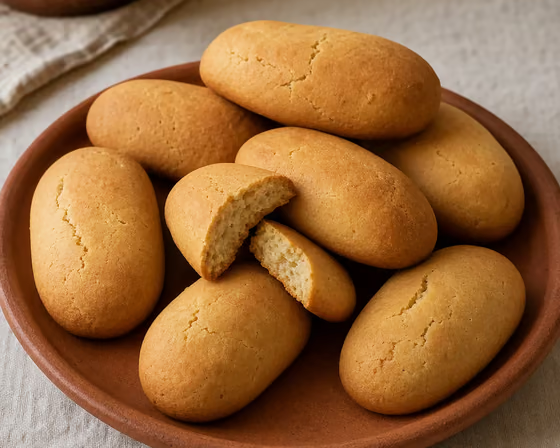
 Porto Santo Toasted Biscuits
Porto Santo's savoury biscuit, baked and then slowly toasted for hours.
Madeira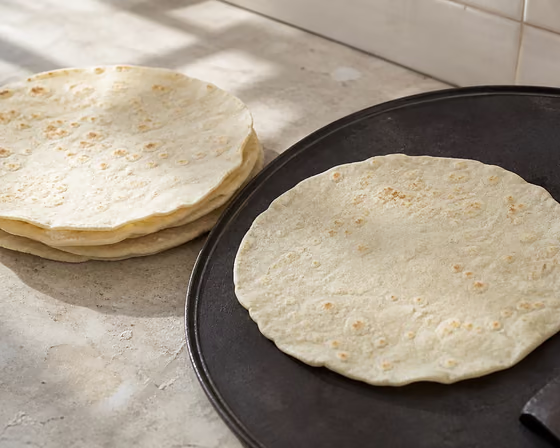 Catalogue image
 Porto Santo Jewish Unleavened Bread
A Porto Santo unleavened bread that one local source describes as barley, water and salt cooked on a griddle.
Madeira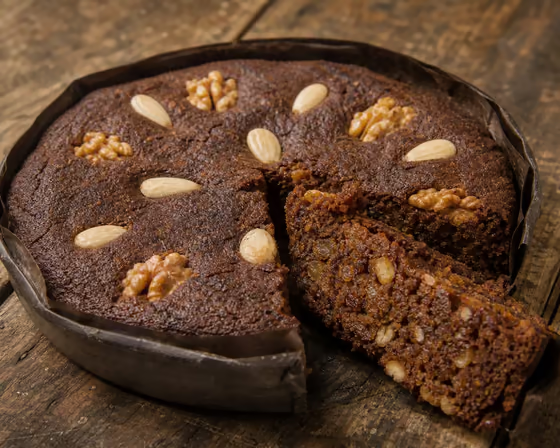 Catalogue image
 Madeira Honey Cake
Madeira's dark Christmas cake, broken by hand and good for months.
Madeira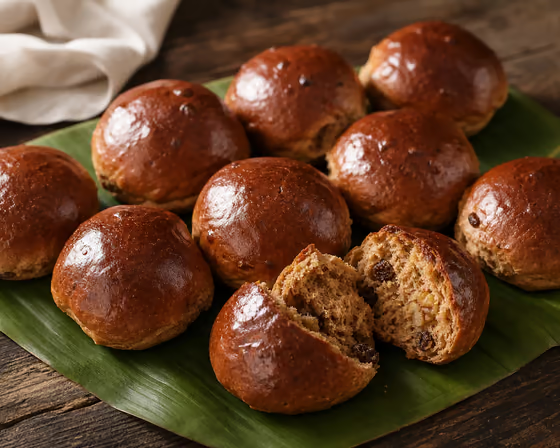 Catalogue image
 Madeira Bolo de Noiva
A spiced festive and wedding sweet bread baked as round portions on plant leaves.
MadeiraThe Azores
The nine Azorean islands maintain different specialities: queijadas, sweet breads, biscuits, festive fried sweets and fruit preparations. The collection identifies the island and locality of each sweet whenever sources allow, avoiding presenting one repertoire as representative of the whole archipelago.
Craft certification, tourism documentation and producer testimony establish present-day identities; creation stories and royal tributes are qualified where they depend only on later tradition.
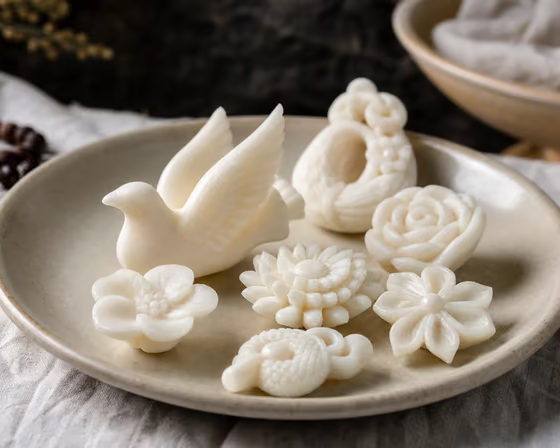 Catalogue image
 Alfenim Pulled Sugar
Hand-pulled sugar shaped into animals, flowers, hearts and votive figures.
The Azores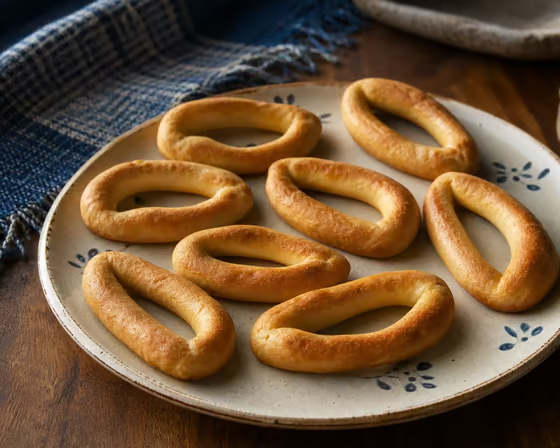 Catalogue image
 Brandy Biscuits
Crisp Santa Maria rings kneaded with eggs, rich fats and a glass of brandy.
The Azores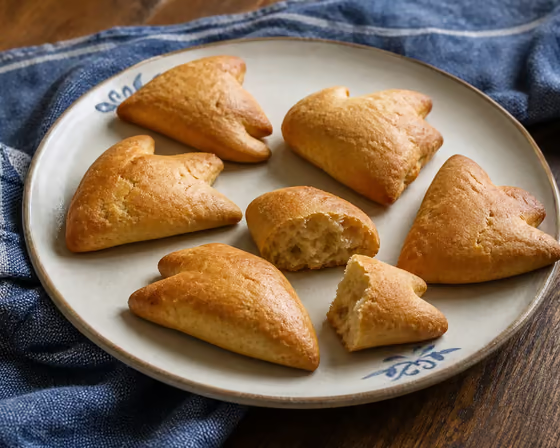 Catalogue image
 Ear-Shaped Biscuits
Santa Maria's triangular enriched biscuits, clipped at the tips like little ears.
The Azores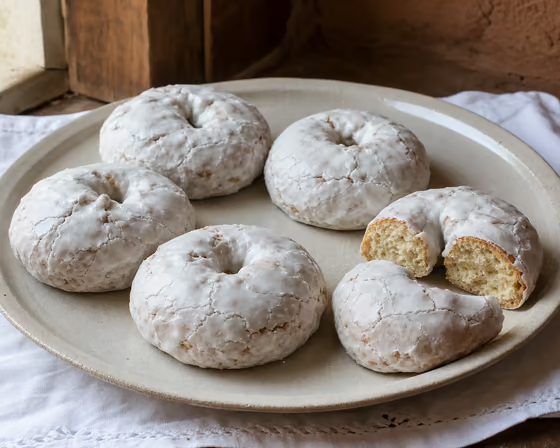 Catalogue image
 Santa Maria Encanelado Biscuits
Santa Maria's yeasted rings under a thick white sugar glaze.
The AzoresNationwide
The nationwide category gathers sweets documented in multiple regions or widely consumed without one demonstrated territorial origin. It includes everyday pastry-shop items and festive recipes for Christmas, Carnival and Easter.
Membership in this collection does not mean every variation is identical or that the sweet lacks local histories. It means only that the sources do not justify restricting the principal identity to one region.
 Catalogue image
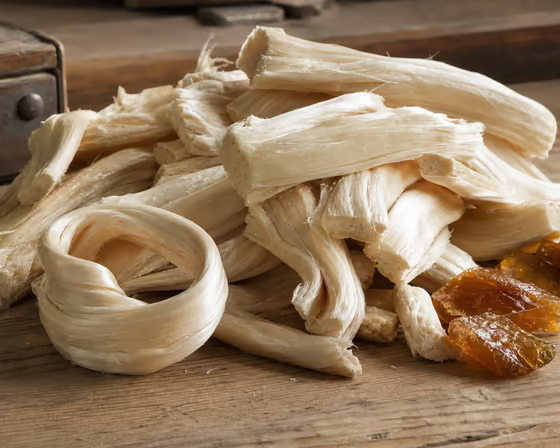
 Alféloa
Sugar or molasses cooked to a hard stage and worked until pale.
Nationwide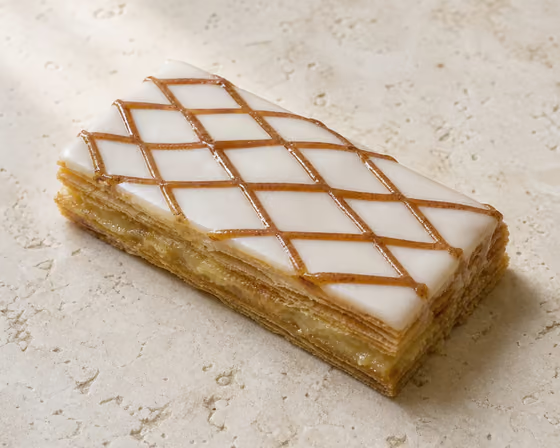 Catalogue image
 Portuguese Gila Allumette
A rectangular puff pastry with cream, gila and cinnamon beneath diamond-patterned royal icing.
Nationwide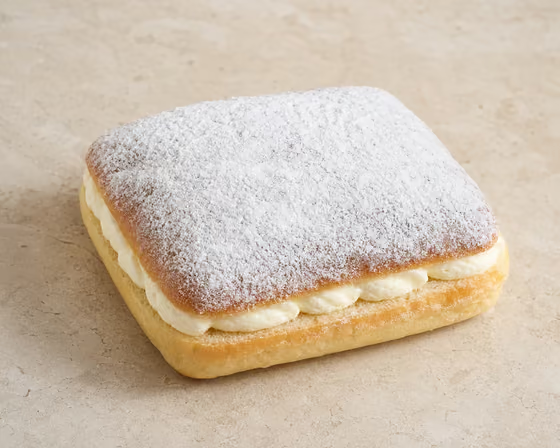 Catalogue image
 Portuguese Brioche Almofada
Light brioche dough, fresh buttercream and icing sugar.
Nationwide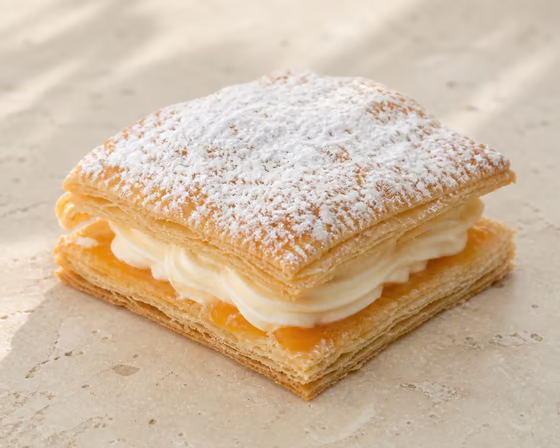 Catalogue image
 Portuguese Puff-Pastry Almofada
Puff pastry with white cream, egg sweet and icing sugar—the laminated Almofada variant.
Nationwide