Portuguese Contraplacado Layer Cake
Also known as: Portuguese layered roulade cake
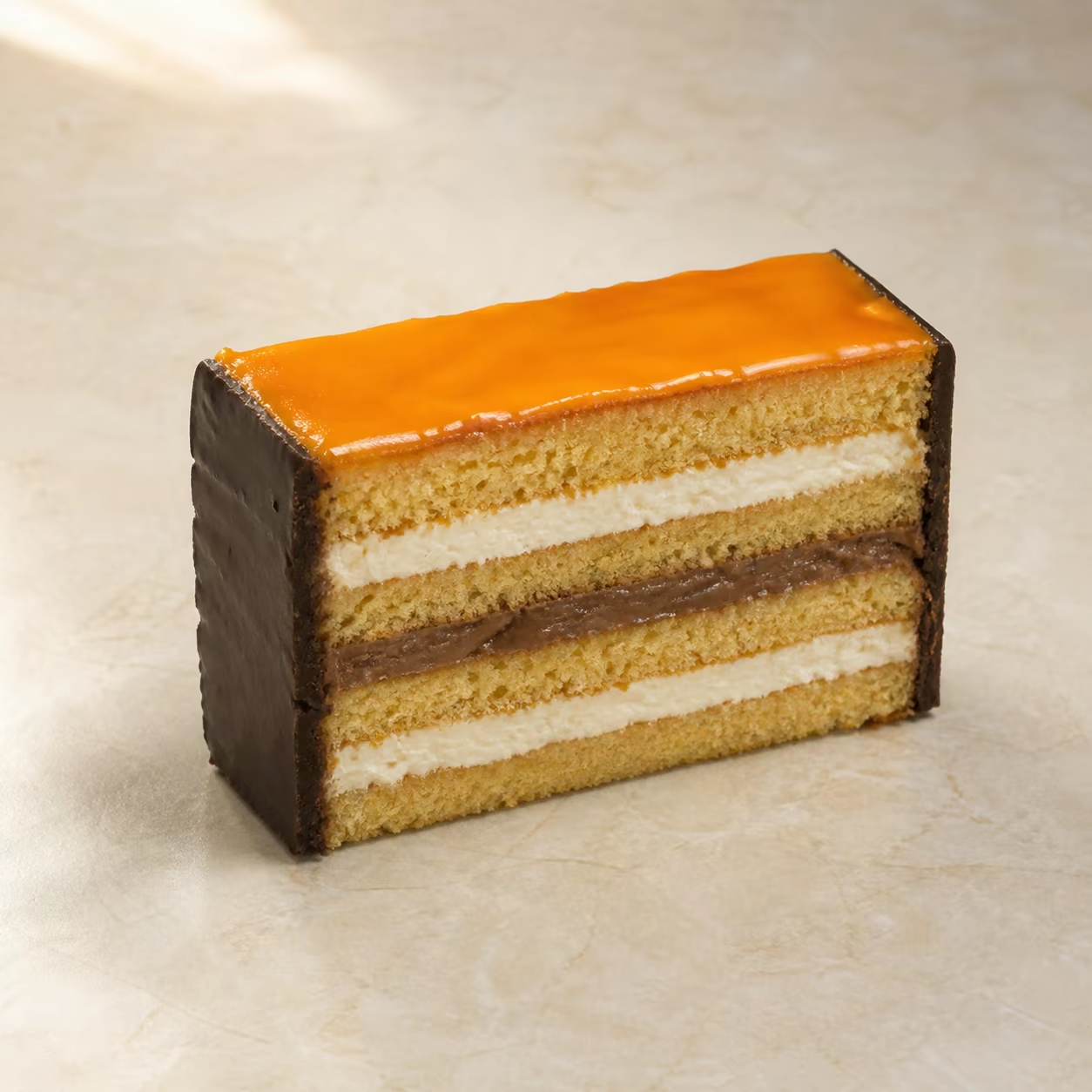
Roulade-and-guardanapo sponge, egg sweet and chocolate in a visibly layered slice.
- Origin
- Pastry repertoire in Portugal · place, date and authorship undocumented
- Place
- Portugal
- Region
- Nationwide
- Category
- Cakes & Sweet Breads
- Season
- Current availability and seasonality are undocumented
- Evidence
- Limited documentation
The specialist Fabrico Próprio encyclopedia defines Contraplacado through roulade-and-guardanapo sponge, egg sweet and chocolate. It calls the item, in basic terms, a ‘layered roulade’ and uses it to illustrate how pastry chefs create formal variants from a particular cake.
The record's photograph shows a tall rectangular slice with several sponge sheets and pale, brown and yellow strata; its side faces are dark and its top is glossy yellow. The written list does not identify every visible stratum separately. This page therefore does not label the pale layers buttercream, fresh cream or another filling merely from their colour.
- Roulade-and-guardanapo sponge
- Egg sweet
- Chocolate
The source documents cake sponge, egg sweet and chocolate but publishes no tasting note. Flavour, texture and structural role cannot safely be assigned to every photographed layer without a recipe.
The source discusses pastry chefs' formal variants generally but documents no specific Contraplacado versions, alternative layer sequences or optional ingredients.
The record identifies no producer and confirms no current availability. Ask own-production confectioneries by name and use the description ‘layered roulade’ to distinguish the cake from non-food results.
Unsweetened coffee or tea; an editorial suggestion, not a documented pairing.
Fabrico Próprio interprets the item as an example of pastry chefs' creativity in producing formal variants. That observation documents a typological reading, not an invention chronology.
The record identifies no inventor, originating confectionery, city, region, date or explanation of the name. The visual resemblance between layers and a laminated panel may seem suggestive, but the consulted source does not explicitly give that etymology; it must remain an intuitive hypothesis rather than historical fact.
Limited documentation
The identity is documented, but its origin, composition or availability has limited sourcing.
How we assess sources and uncertainty →Pastries from here — Nationwide
 Catalogue image
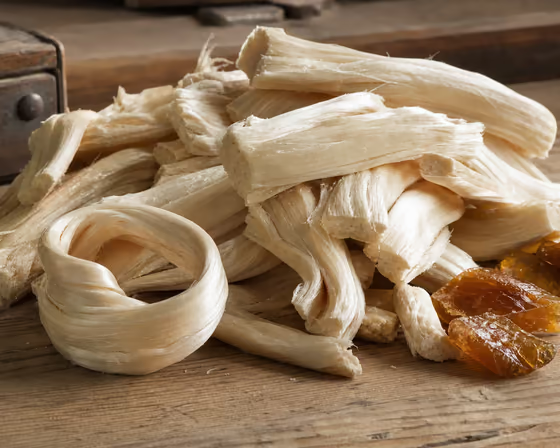
 Alféloa
Sugar or molasses cooked to a hard stage and worked until pale.
Nationwide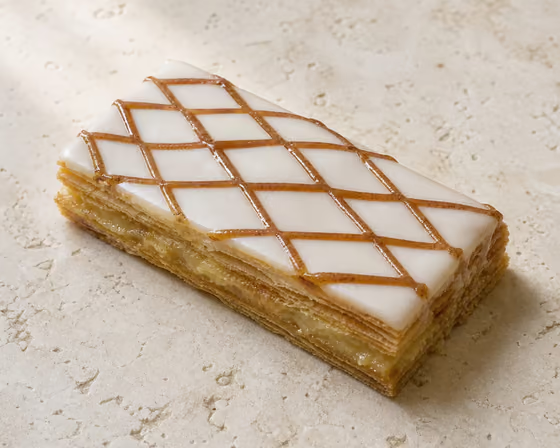 Catalogue image
 Portuguese Gila Allumette
A rectangular puff pastry with cream, gila and cinnamon beneath diamond-patterned royal icing.
Nationwide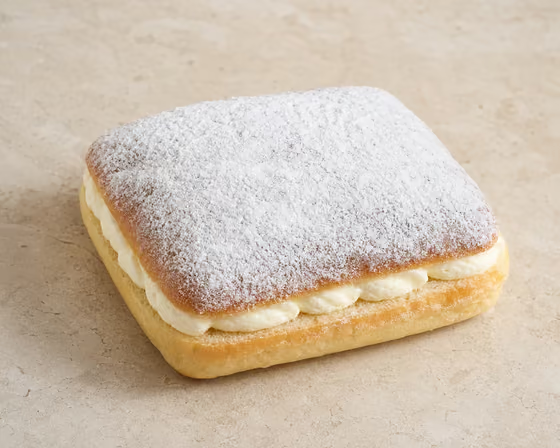 Catalogue image
 Portuguese Brioche Almofada
Light brioche dough, fresh buttercream and icing sugar.
Nationwide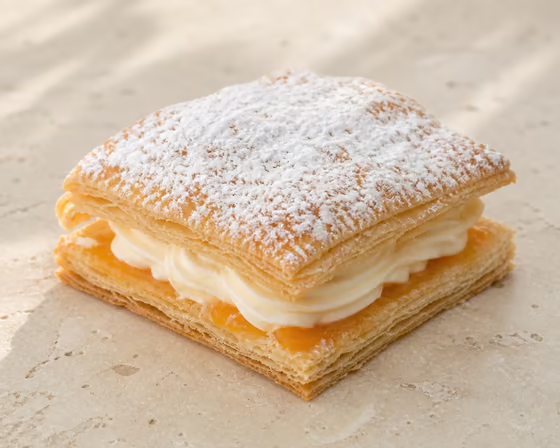 Catalogue image
 Portuguese Puff-Pastry Almofada
Puff pastry with white cream, egg sweet and icing sugar—the laminated Almofada variant.
Nationwide