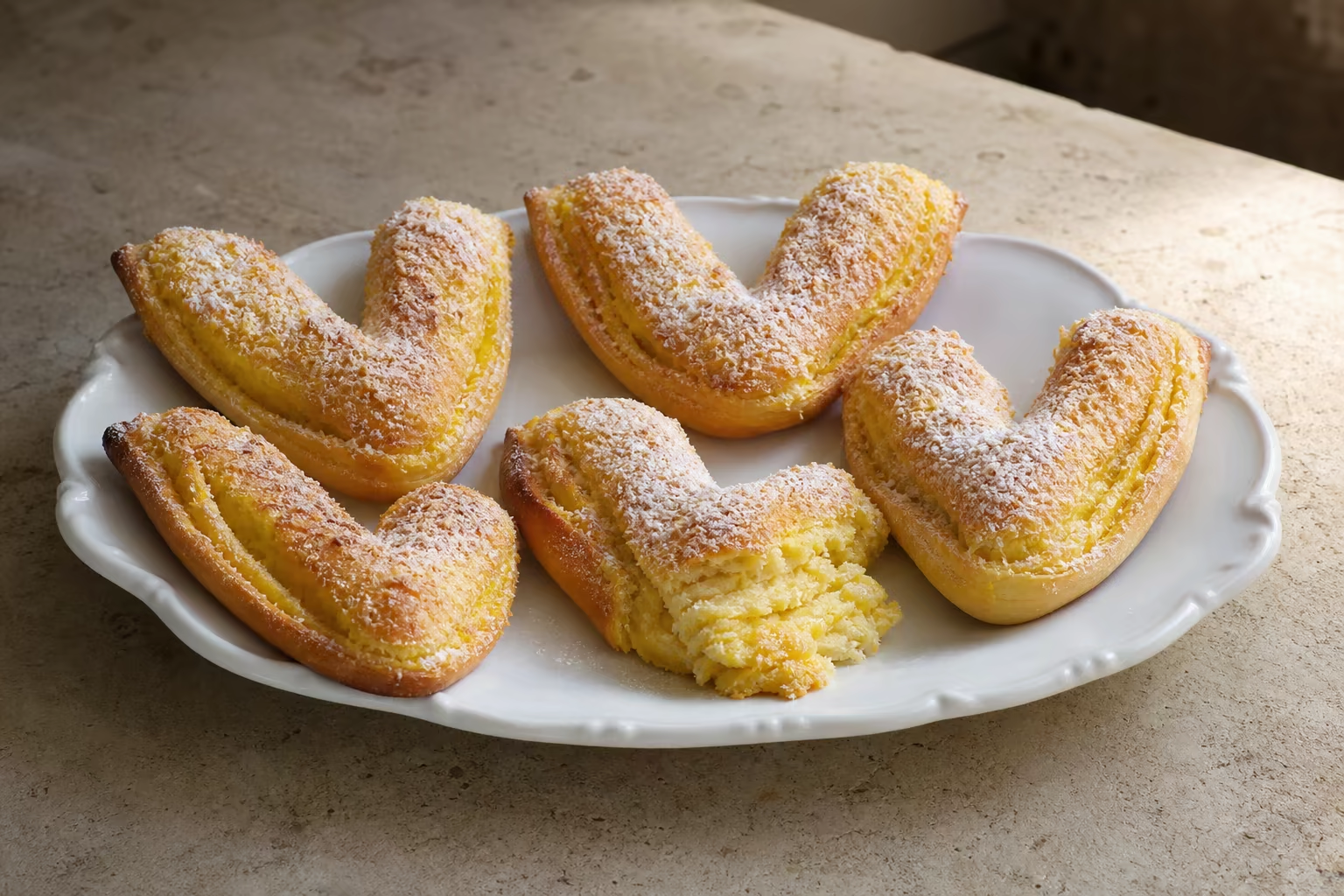
Viseu Viriato
Also known as: Viriato · Viriato Pastry
Viseu's V-shaped sweet bread folded with an egg-and-coconut filling.
- Origin
- Viseu · 1955
- Place
- Viseu
- Region
- The Centre
- Category
- Cakes & Sweet Breads
- Season
- Year-round
- Evidence
- Well documented
Viriato is a soft yellow sweet bread, 12–15 centimetres long and cut into a V. The risen dough is rolled, brushed and folded over layers of egg, sugar and grated coconut; before baking, a cut opens the two arms that evoke Viseu's legendary hero.
After ten to fifteen minutes in a hot oven it is dusted with icing sugar. The folds leave moist bands of coconut between light layers of enriched bread.
- type 65 wheat flour
- eggs
- grated coconut
- sugar
- margarine
- baker's yeast
- water
- salt
Light soft sweet bread with a moist egg-and-coconut filling and icing-sugar finish.
The documented traditional version uses coconut, and some bakeries add cinnamon. Pastel de Viriato is a mark registered in 1995 for a different egg-jam recipe, not a neutral synonym for every version.
At bakeries and cafés across Viseu, preferably still warm for breakfast or a snack.
Milky coffee or tea.
DGADR, drawing on the municipal book Viriatos, Uma Saborosa Invenção, places the documented debut in Viseu on 24 April 1955 after technical demonstrations by the Fábrica Portuguesa de Fermentos Holandeses. City bakeries adopted the recipe and produced thousands, delivered at dawn with bread. A Polytechnic Institute of Viseu study confirms the April 1955 episode and the 1995 registration of the Pastel de Viriato mark with egg-jam filling instead of coconut.
Well documented
Identity supported by institutional, specialist or corroborating sources.
- tradicional.dgadr.gov.pt/pt/cat/doces-e-produtos-de-pastelaria/1120-viriato (opens in a new tab)
- repositorio.ipv.pt/server/api/core/bitstreams/8b8e23e2-762d-47ef-a5c3-0c99893e8adb/content (opens in a new tab)
Pastries from here — The Centre
 Catalogue image
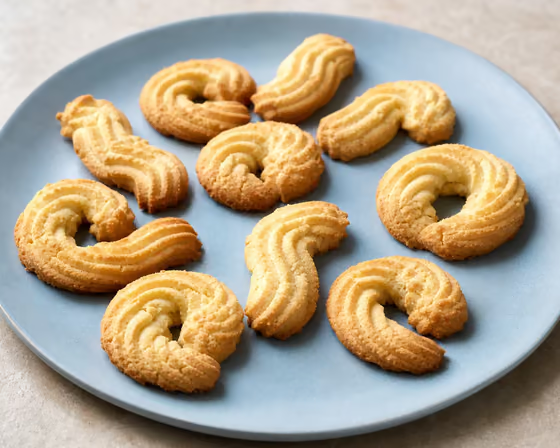
 Ílhavo Piped Butter Biscuits
Regional buttery biscuits piped into deeply ridged rings and curves.
The Centre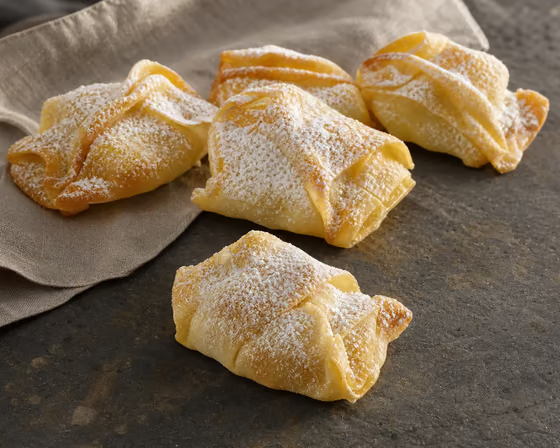 Catalogue image
 Saint Friar Gil’s Saddlebags
The small saddlebag-shaped pastry created at Vouzela’s vocational school and recognised as an innovative sweet.
The Centre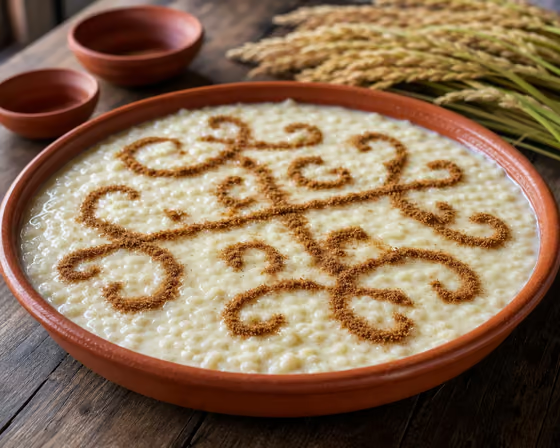 Catalogue image
 Baixo Mondego Rice Pudding
Mondego Carolino rice and Gândara milk, traced with cinnamon.
The Centre Catalogue image
 Arrufada de Coimbra
Coimbra's light, fragrant sweet bread, given by godparents at Easter.
The Centre