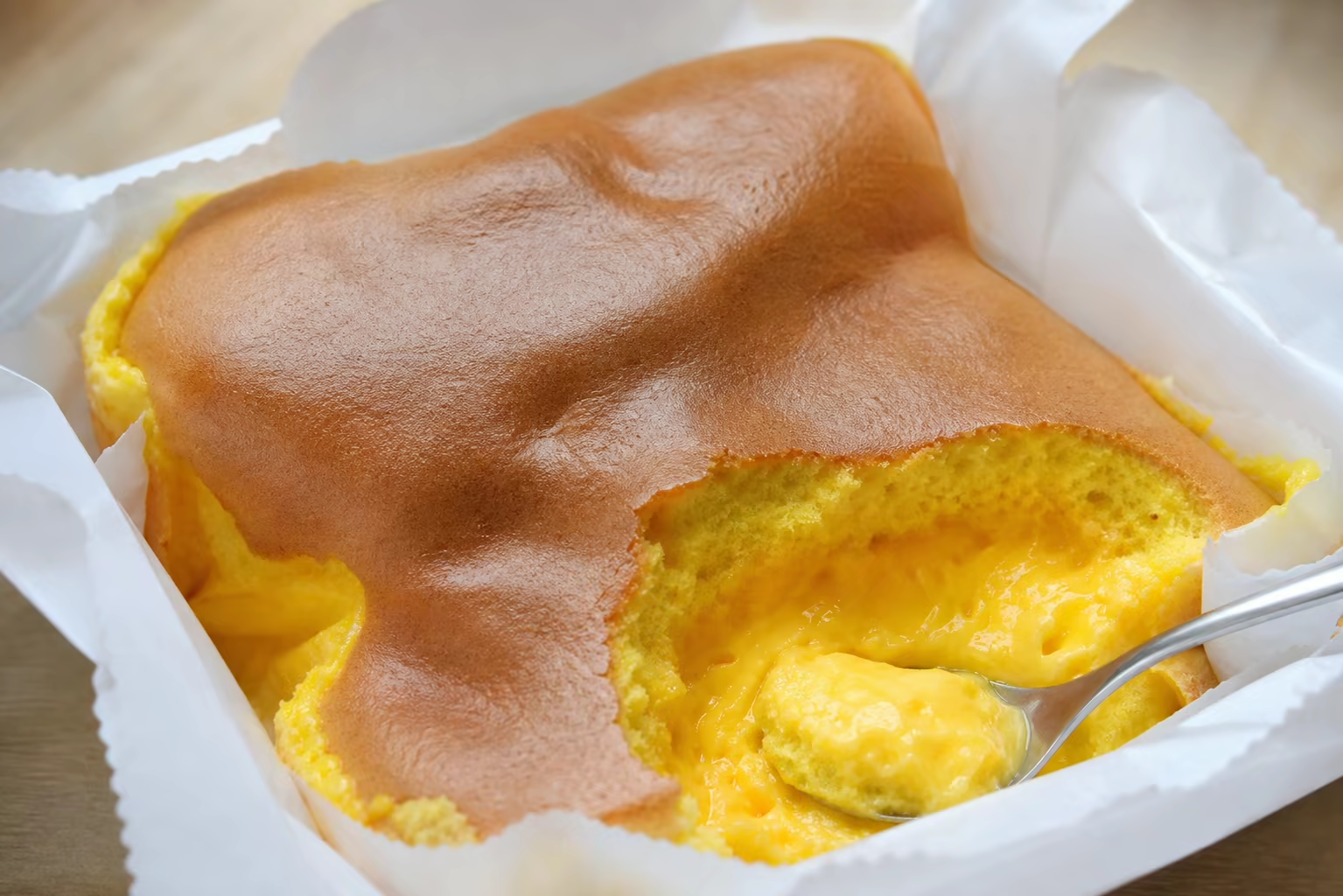
Ovar Sponge Cake PGI
Also known as: Ovar Sponge Cake
A PGI-protected broa-shaped sponge with a creamy centre called pito.
- Origin
- Ovar · Aveiro district
- Place
- Ovar
- Region
- The Centre
- Category
- Cakes & Sweet Breads
- Season
- Year-round; especially Easter
- Evidence
- Well documented
Pão de Ló de Ovar PGI is made chiefly with yolks and whole eggs, sugar and flour. It bakes in a mould lined with almaço paper and emerges like a cornbread-shaped cake of light, fluffy yellow batter beneath an extremely thin, slightly moist golden crust.
The inside is deliberately wet and creamy: this is the pito that distinguishes Ovar from dry sponge cakes. The baker watches the baking continuously to control how much pito remains, cools the cake in its mould and only then trims the paper.
- eggs
- egg yolks
- sugar
- wheat flour
Intensely sweet and yolky, with a thin moist crust and a silky, creamy, almost runny centre.
The amount of pito varies with baking time, but the broa shape, paper wrapping and moist interior are essential to the PGI.
From certified producers in Ovar municipality; look for the PGI mark and cake wrapped in almaço paper.
Eat it by spoon, alone, or with espresso and Bairrada sparkling wine.
Production in Ovar is documented from the late 18th century. In the 19th century several local families made regional sweets, and by 1877 Marques Gomes already singled out Ovar sponge cake alongside ovos moles. The municipality's reputation and know-how are now protected by a Protected Geographical Indication.
Well documented
Identity supported by institutional, specialist or corroborating sources.
- tradicional.dgadr.gov.pt/pt/cat/doces-e-produtos-de-pastelaria/570-pao-de-lo-de-ovar-igp (opens in a new tab)
- cm-ovar.pt/pt/menu/2952/pao-de-lo-de-ovar.aspx (opens in a new tab)
Pastries from here — The Centre
 Catalogue image
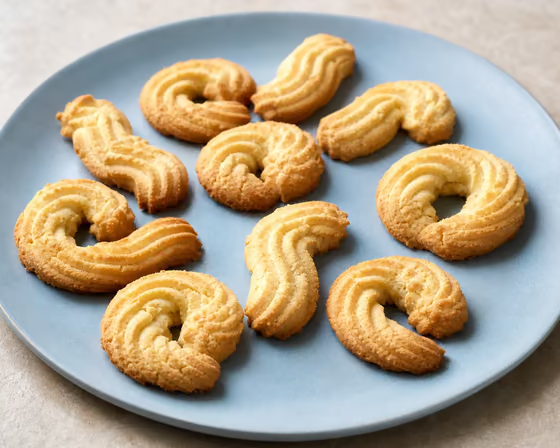
 Ílhavo Piped Butter Biscuits
Regional buttery biscuits piped into deeply ridged rings and curves.
The Centre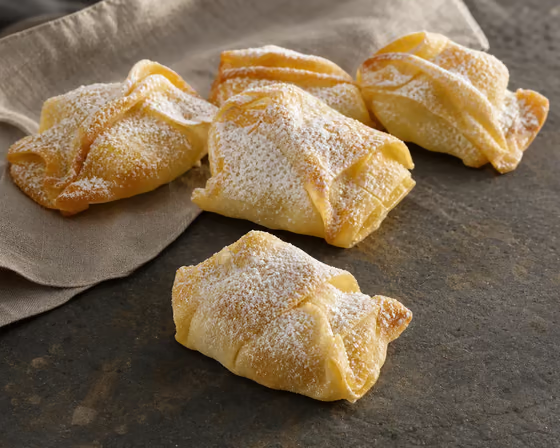 Catalogue image
 Saint Friar Gil’s Saddlebags
The small saddlebag-shaped pastry created at Vouzela’s vocational school and recognised as an innovative sweet.
The Centre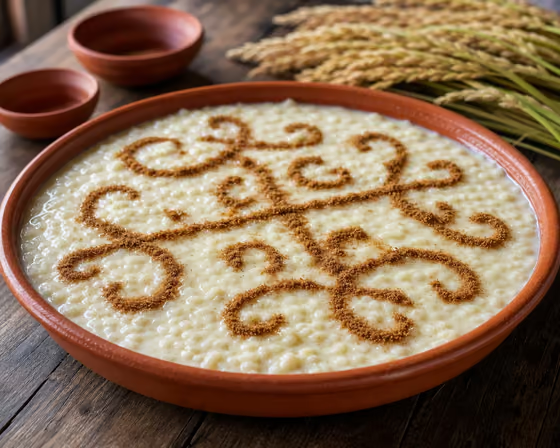 Catalogue image
 Baixo Mondego Rice Pudding
Mondego Carolino rice and Gândara milk, traced with cinnamon.
The Centre Catalogue image
 Arrufada de Coimbra
Coimbra's light, fragrant sweet bread, given by godparents at Easter.
The Centre