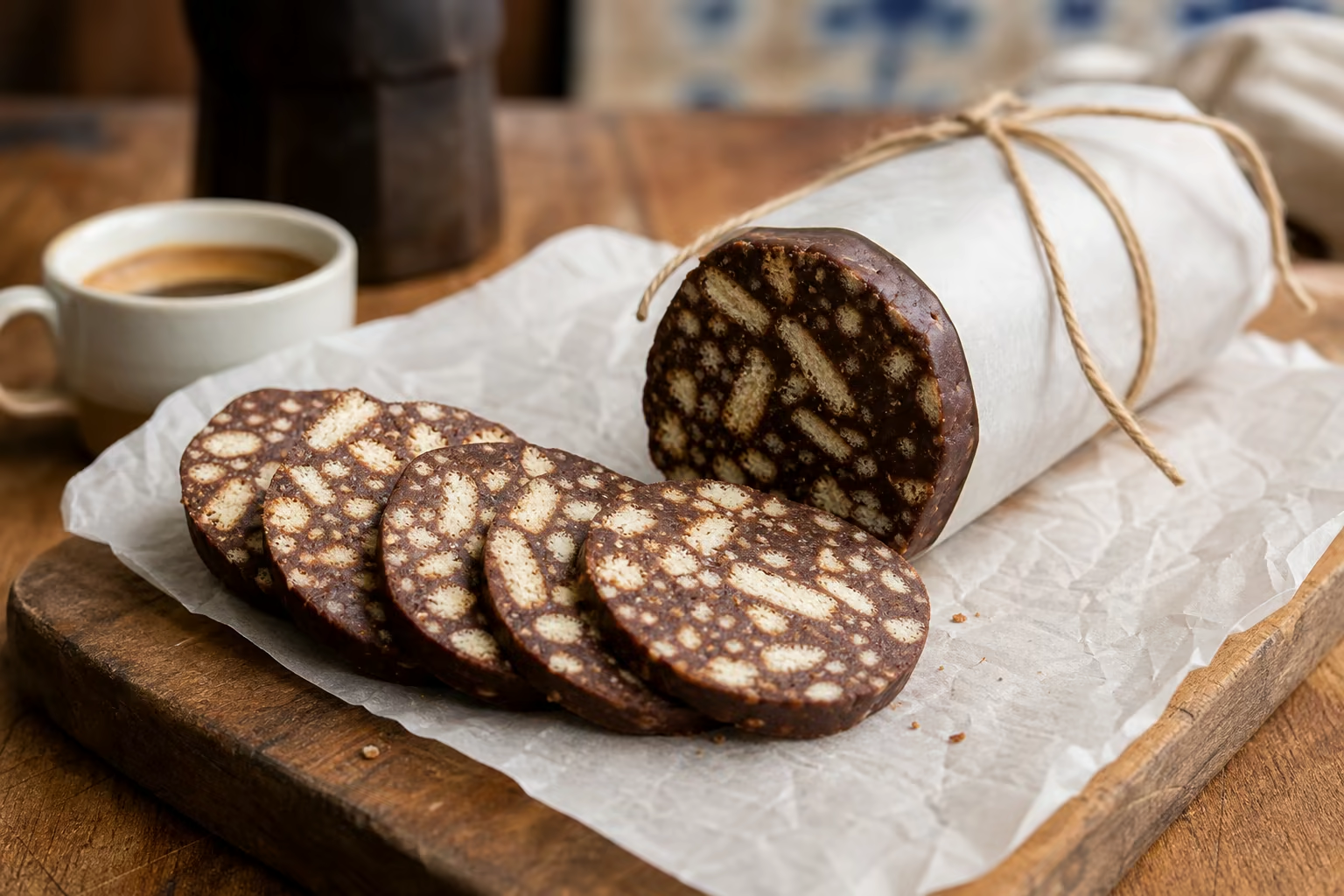
Chocolate Salami
Also known as: Biscuit salami · Chocolate paio
A "sausage" you slice into rounds that tastes of chocolate and childhood.
- Origin
- A 20th-century home-kitchen sweet; the earliest known Portuguese recipe was published in 1962
- Place
- Nationwide
- Region
- Nationwide
- Category
- Cakes & Sweet Breads
- Season
- Year-round
- Evidence
- Well documented
Chocolate salami is a Portuguese sweet deliberately made to resemble a cured sausage. Shaped into a roll and sliced into rounds, it reveals pale biscuit pieces suspended in a dark mixture, imitating a salami's marbled fat.
The version now most widespread combines broken Maria biscuits, chocolate or cocoa, butter, sugar and, in many recipes, egg. The mixture sets in the refrigerator and is normally unbaked. It is common at parties, family teatimes and café counters, although ingredients and occasions vary among households.
- Maria biscuits
- Chocolate or cocoa powder
- Butter
- Sugar
- Egg
- Port wine (optional)
- Coffee (optional)
Intensely chocolatey and buttery, with a frank, straightforward sweetness. The great contrast is textural: the mass is dense and almost fudgy, yet it snaps and crumbles against the dry, crunchy shards of biscuit. Served cold, it melts slowly on the tongue; a hint of Port or coffee lends a slightly grown-up edge that cuts the sweetness.
There are nearly as many versions as families. The main choices are between melted chocolate (richer, glossier) or cocoa powder (simpler, drier), and whether to include raw egg, now often avoided or replaced. Some add Port, coffee, liqueur, orange zest or nuts such as walnut, hazelnut or almond; others dust the outside with icing sugar to mimic the white bloom of a cured salami. There are even versions made with cream crackers for a less sweet contrast.
It is sold by the slice in cafés, pastry shops and some restaurants across Portugal, alongside household versions. Visible biscuit pieces and the cylindrical form distinguish the classic presentation; texture, size and finish legitimately vary.
It pairs naturally with a strong espresso or a milky galão at teatime, which balance the sweetness. On more festive occasions, reach for a glass of tawny Port or Moscatel, whose dried-fruit and caramel notes echo the chocolate and the wine in the recipe itself.
The origin of chocolate salami is disputed: Italy has a very similar salame di cioccolato—listed since 2012 among Sicily's traditional agri-food products—and there is no consensus supporting an exclusively Portuguese or Italian invention. In Portugal, the earliest known recipe was published in Banquete magazine in July 1962 as "paio de chocolate": it used almonds and honey and recommended wrapping and tying the roll to reinforce the cured-sausage illusion.
The Maria-biscuit-and-cocoa version spread in subsequent decades; a recipe appeared in Tele Culinária e Doçaria on 7 December 1977. Its unbaked preparation and pantry ingredients help explain its broad domestic presence without implying one universal formula.
Well documented
Identity supported by institutional, specialist or corroborating sources.
- media.rtp.pt/anossatarde/receitas/nuno-dionisio-ana-primavera-receita-dos-mini-salames-chocolate-queijo-azeitao-geleia-vinho-tinto/ (opens in a new tab)
- publico.pt/2020/11/06/fugas/noticia/salame-chocolate-iguaria-portuguesa-italiana-1930797 (opens in a new tab)
- casalmisterio.com/sabe-onde-nasceu-o-salame-de-chocolate/ (opens in a new tab)
- pt.wikipedia.org/wiki/Salame_de_chocolate (opens in a new tab)
- en.wikipedia.org/wiki/Chocolate_salami (opens in a new tab)
Pastries from here — Nationwide
 Catalogue image
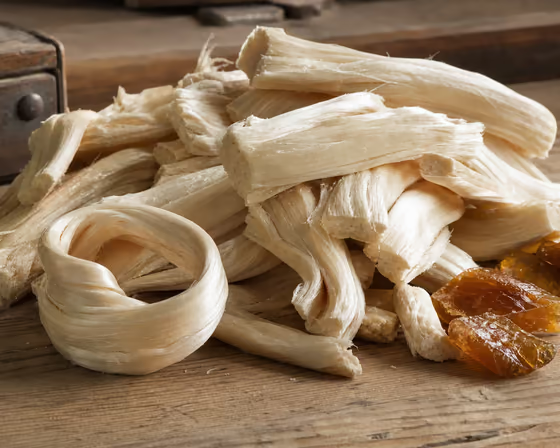
 Alféloa
Sugar or molasses cooked to a hard stage and worked until pale.
Nationwide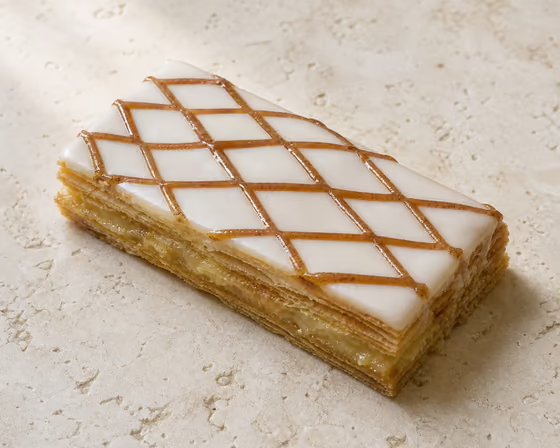 Catalogue image
 Portuguese Gila Allumette
A rectangular puff pastry with cream, gila and cinnamon beneath diamond-patterned royal icing.
Nationwide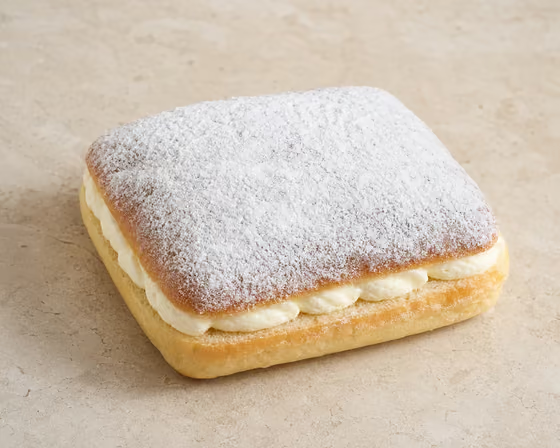 Catalogue image
 Portuguese Brioche Almofada
Light brioche dough, fresh buttercream and icing sugar.
Nationwide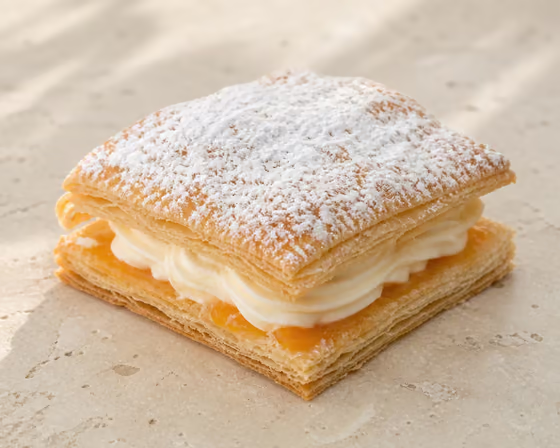 Catalogue image
 Portuguese Puff-Pastry Almofada
Puff pastry with white cream, egg sweet and icing sugar—the laminated Almofada variant.
Nationwide