Portuguese Easter sweets: a region-by-region guide
From leavened folares to yolk-rich pão-de-ló, Portuguese Easter changes shape, aroma and name from one region to the next.
The catalogue contains 71 sweets connected with Easter. This selection starts with the most representative and shows why the same Portuguese season produces such different cakes.
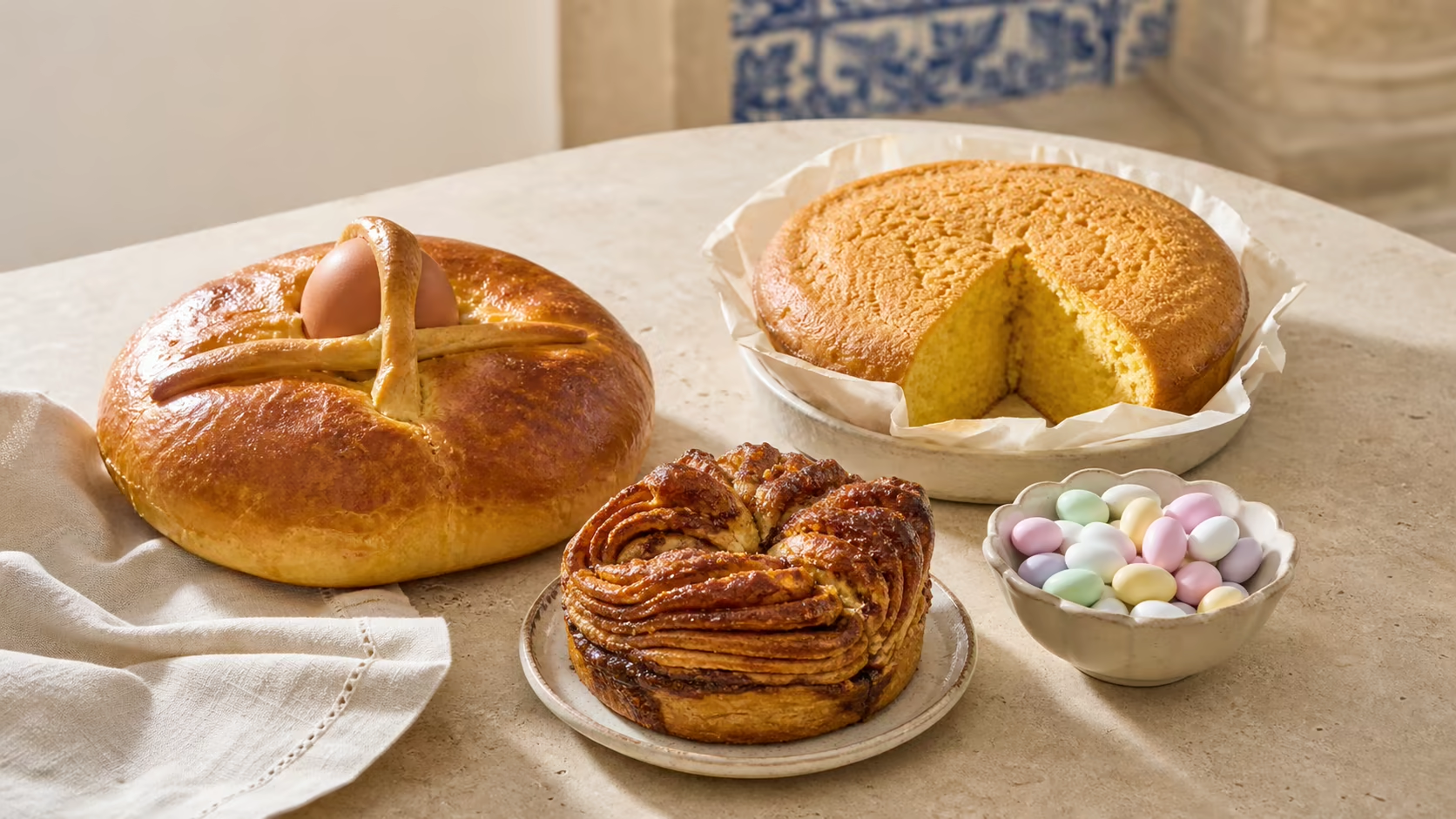
Portugal’s folar tradition varies from region to region, village to village and even family to family. In the Centre, folares, pão-de-ló, tigeladas and sweet broas share the season; in the North, sponge cakes and sweet or meat-filled folares dominate; the Algarve has its layered folar; and the islands preserve formulas of their own.
Folares and sweet breads
Folar is not one fixed recipe. It may be a sweet bread carrying an egg, dough rolled with butter and sugar, or a cake of caramelised layers. Its form changes between villages and even families.
 Catalogue image
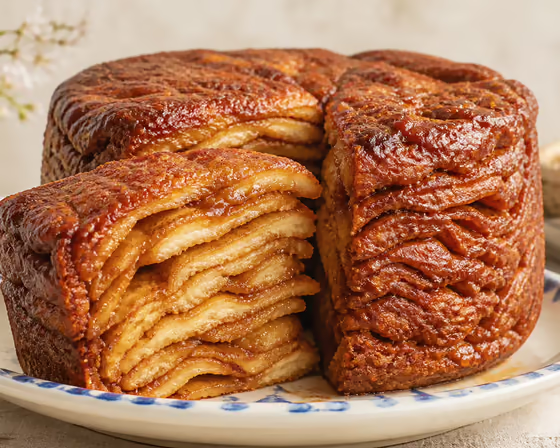
 Olhão Folar
Leaf upon leaf, sweetness upon sweetness — Olhão's Easter in caramelised layers.
The Algarve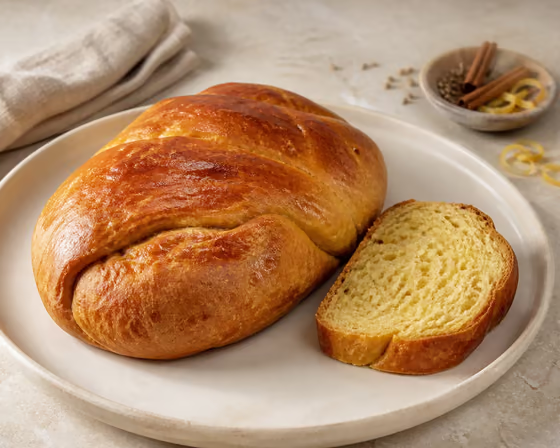 Catalogue image
 Poiares Easter Folar
An oval sweet folar rich in eggs and perfumed with lemon and aguardente.
The Centre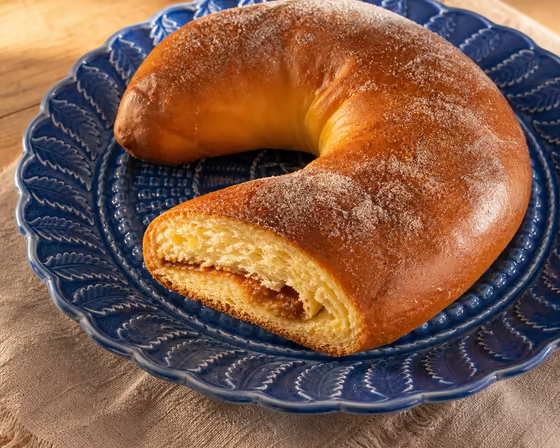 Catalogue image
 Vouzela Horseshoe Folar
A fluffy golden horseshoe folar filled with butter and caramelised sugar.
The Centre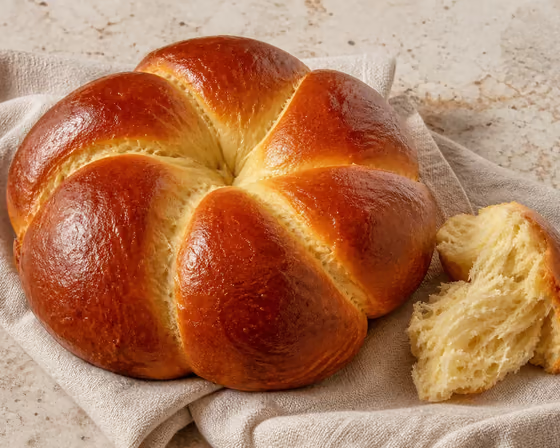 Catalogue image
 Portuguese Easter Regueifa
The braided, coiled Easter sweet bread traditionally given by godparents to godchildren.
The NorthThe pão-de-ló route
Eggs, sugar and flour produce strikingly different cakes: creamy or dry, low or tall, plain or fluted. At Easter, pão-de-ló is one of the strongest links between tables on the mainland and the islands.
 Catalogue image
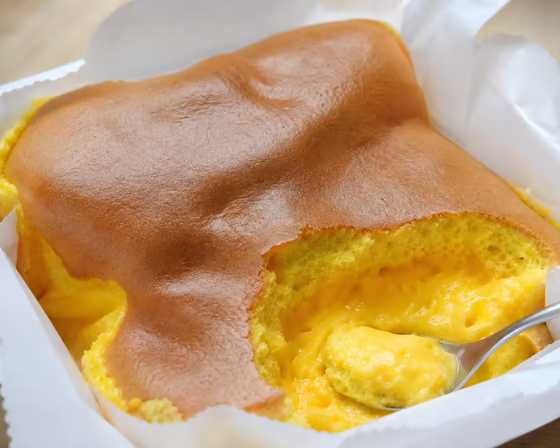
 Ovar Sponge Cake PGI
A PGI-protected broa-shaped sponge with a creamy centre called pito.
The Centre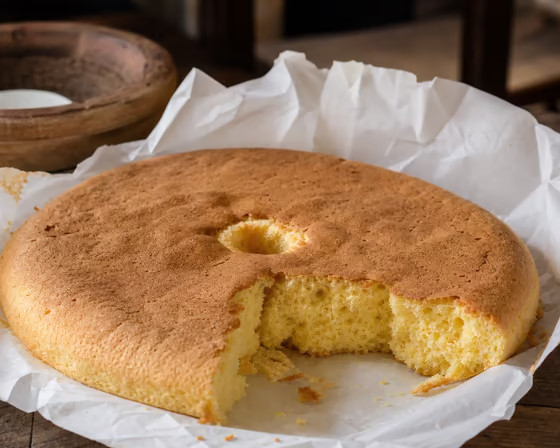 Catalogue image
 Margaride Sponge Cake
An exceptionally light, dry ring sponge, clay-baked and traditionally torn by hand.
The North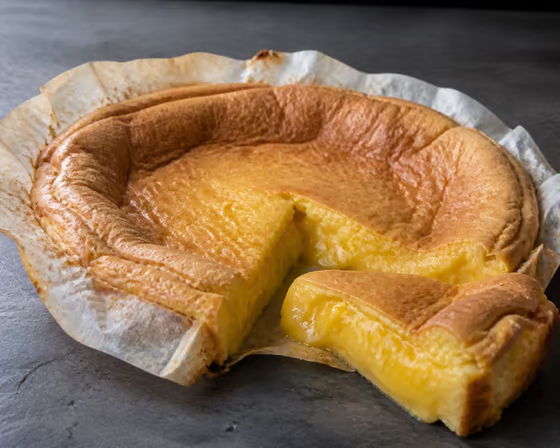 Catalogue image
 Alfeizerão Sponge Cake
A low, concave sponge with a crisp exterior and creamy heart.
The West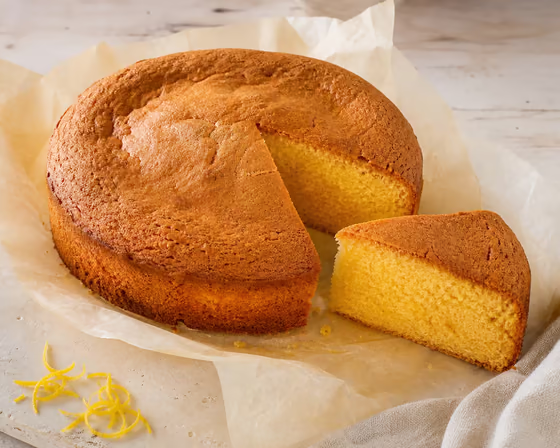 Catalogue image
 Porto Santo Sponge Cake
An island pão-de-ló scented with lemon and sugar-cane spirit.
MadeiraAlmonds and comfits
Almonds exchanged during the season may be plain, coloured, sugar-coated or slowly built up in traditional pans. Some towns have turned that gift-giving custom into a speciality of their own.
 Catalogue image
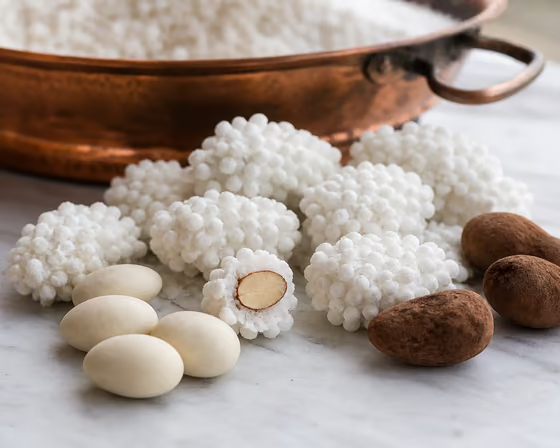
 Moncorvo Sugar-Coated Almonds
The queen of Trás-os-Montes sweets, spun from sugar and patience in copper.
Trás-os-Montes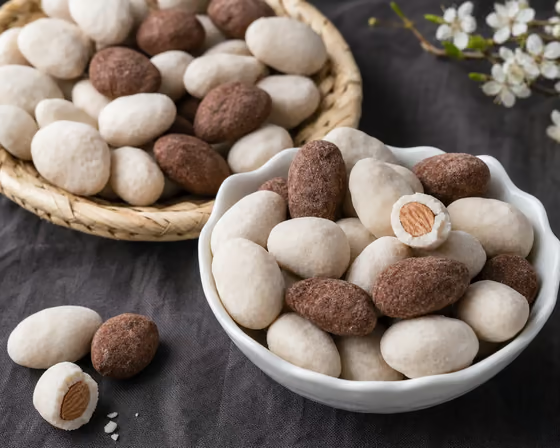 Catalogue image
 Portalegre Sugar Almonds
Almonds coated by hand in sugar, made in Portalegre for Easter.
The Alentejo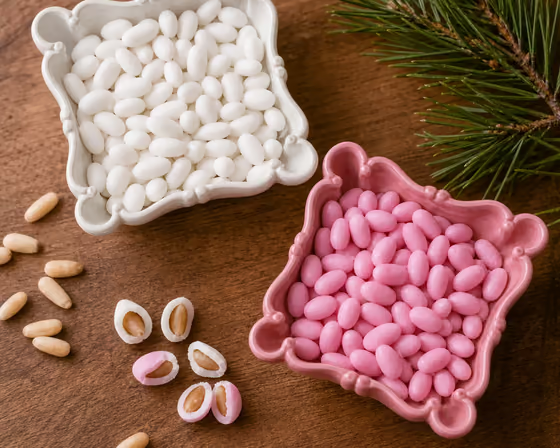 Catalogue image
 Sugar-Coated Pine Nuts
Pine nuts built up with successive layers of white or pink sugar.
The AlentejoRitual shapes and local traditions
Not every Easter sweet belongs to the folar or pão-de-ló families. Lizards, clogs and cakes associated with saints or blessings preserve calendars and shapes tied to specific places.
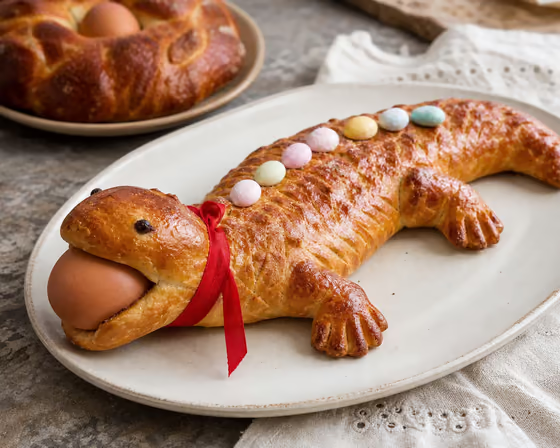 Catalogue image
 Castelo de Vide Easter Lizards
The figurative folar carrying an egg in its mouth and Easter to godchildren.
The Alentejo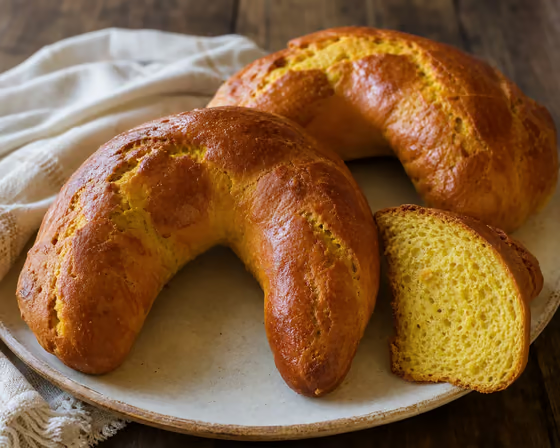 Catalogue image
 Vale de Prados Calço
A horseshoe Easter sweet bread scented with olive oil and orange and slowly leavened.
Trás-os-Montes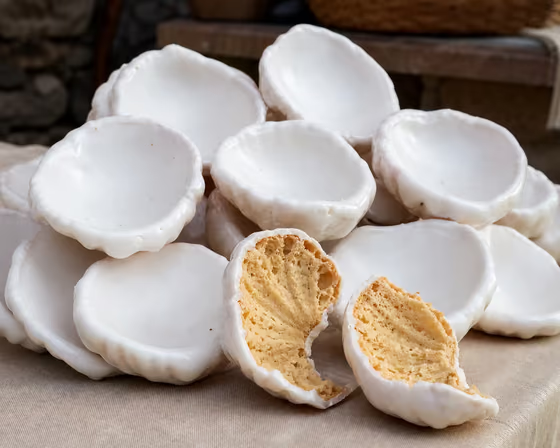 Catalogue image
 São Lázaro Cavacórios
The white, concave cavaca of Vila Real’s São Lázaro festivities.
Trás-os-MontesQuestions about Portuguese Easter sweets
What is Portugal’s most traditional Easter sweet?
Folar is the most widespread symbol, but it is not one fixed recipe. It may be sweet or savoury and changes shape and ingredients by region. Pão-de-ló and coated almonds are also widely associated with the season.
What is the difference between sweet folar and meat folar?
Sweet folares are enriched yeast doughs made with eggs, sugar, butter, citrus or spices. Folares from Trás-os-Montes and other northern areas may contain cured meats and sausages, becoming savoury festive breads.
When are these sweets available?
Production concentrates between Lent and Easter Sunday. Some famous pão-de-ló, folares and bakery sweets are sold throughout the year, while highly local ritual specialities may appear for only a few days.
Does folar always contain a boiled egg?
No. Many versions hold one or more eggs under strips of dough, but others have no visible egg. Olhão folar is built in caramelised layers, Vouzela folar is rolled, and the contemporary Poiares folar keeps its characteristic fold without boiled eggs on top.