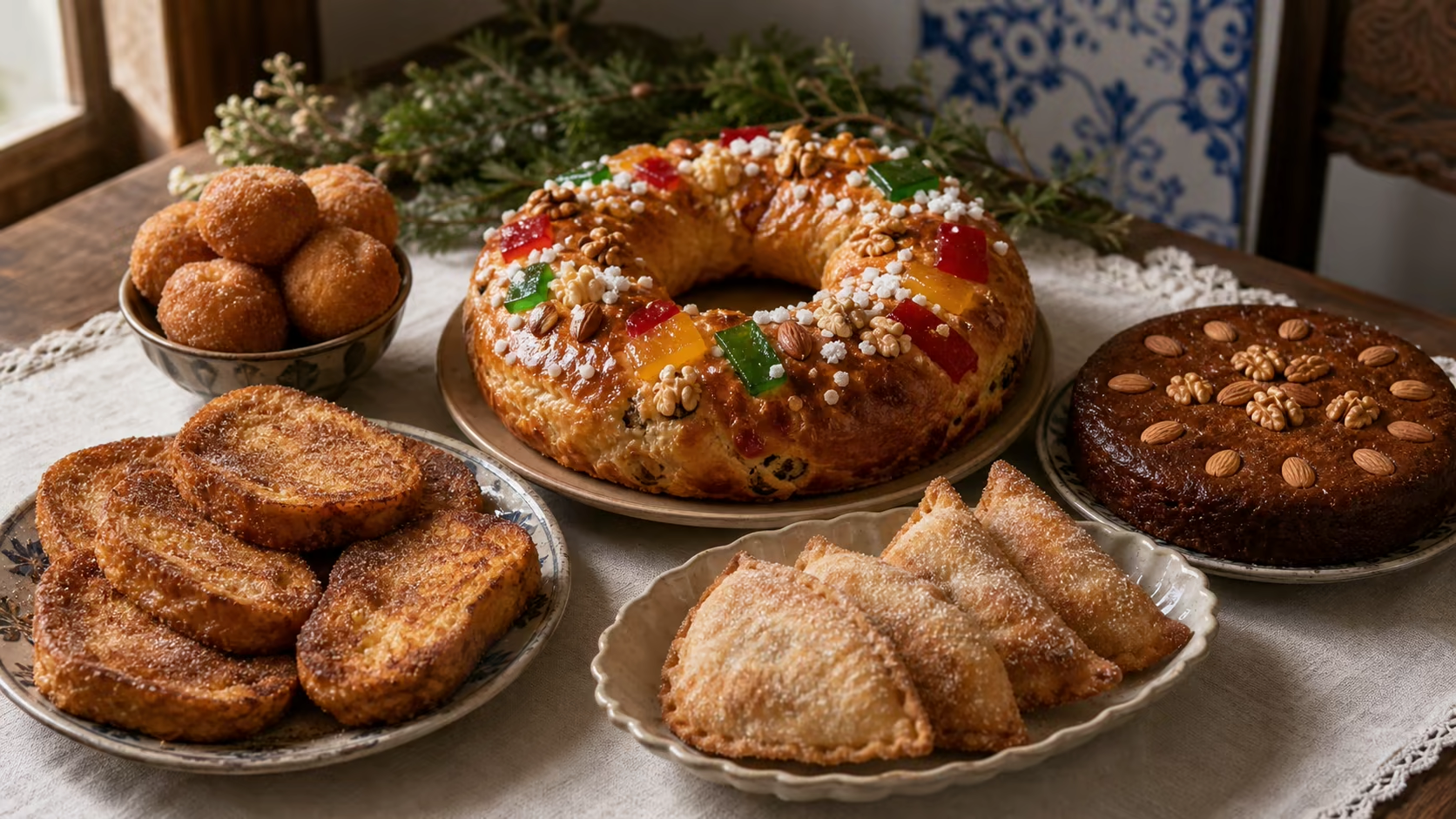
Portuguese Christmas sweets: 69 traditions to discover
Candied-fruit crowns, cinnamon-dusted fritters, broas and honey cakes: Portuguese Christmas has not one dessert but dozens of local traditions.
The catalogue contains 71 sweets connected with Christmas and Epiphany. This selection arranges the most representative by family and place, with links to each speciality’s full story.
The Portuguese Christmas Eve table follows no single dessert menu. Recipes now known nationwide sit beside village, convent and island preparations: some appear for only a few days, while others have moved from family kitchens into bakeries and remain through winter.
Crowns, fruit and broas
Bolo-rei dominates bakery windows from December to Epiphany, joined by bolo-rainha and broas rich in sweet potato, almonds and spice. The more recent Christmas log completes many tables.
 Catalogue image
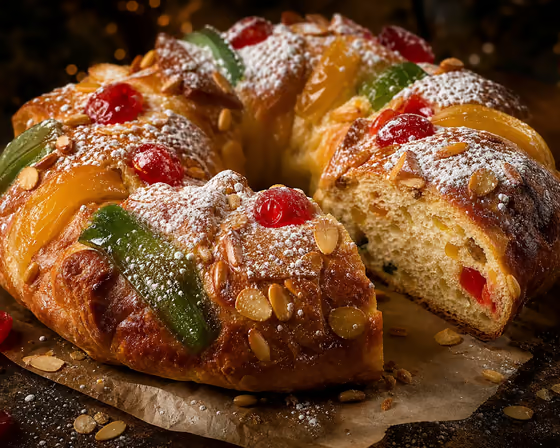
 King Cake
A crown of soft brioche and candied fruit that reigns over the Christmas table.
Nationwide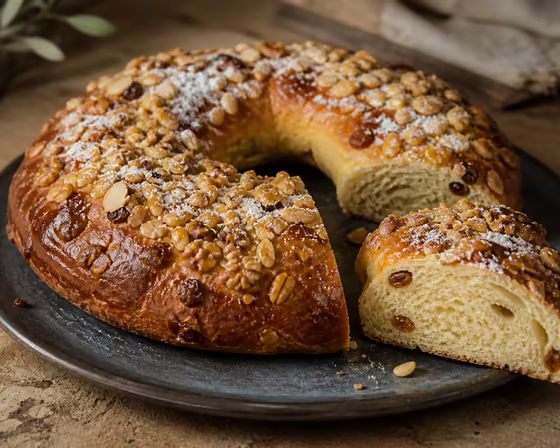 Catalogue image
 Queen Cake
Bolo-rei's sister, minus the candied fruit: just soft brioche, nuts and dried fruit.
Nationwide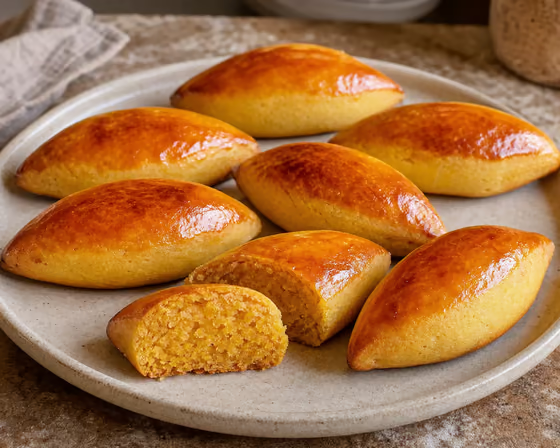 Catalogue image
 Broas Castelar
Christmas sweet-potato, maize and almond broas burnished with egg yolk.
Lisbon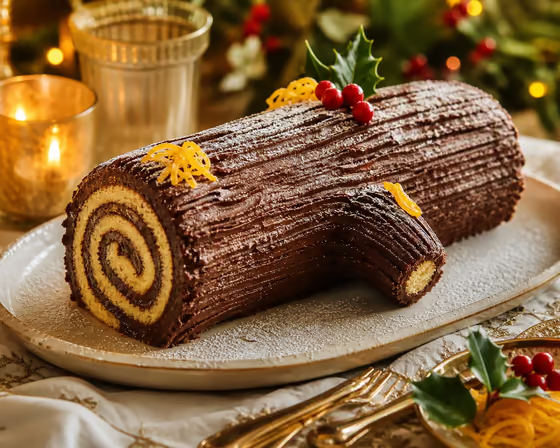 Catalogue image
 Yule Log
A Christmas cake shaped and decorated as a log, with documented Portuguese formulas that differ markedly.
NationwideThe platter of fried sweets
Rabanadas, sonhos, filhós and azevias share sugar and cinnamon, but not shape or dough. Soaked bread, pumpkin batter, thin rolls and filled turnovers reveal the diversity hidden inside the term “fritters”.
 Catalogue image
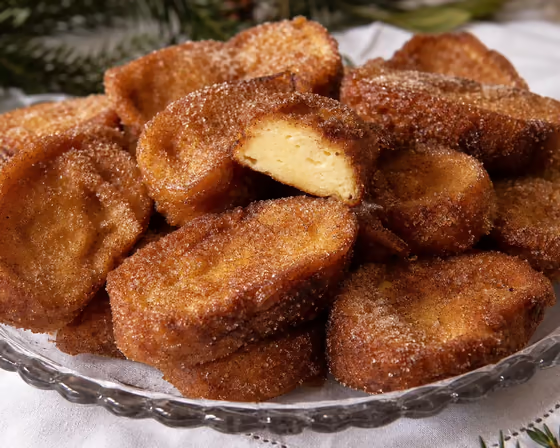
 Portuguese French Toast
Aged bread, milk, egg and cinnamon in a Portuguese Christmas tradition.
Nationwide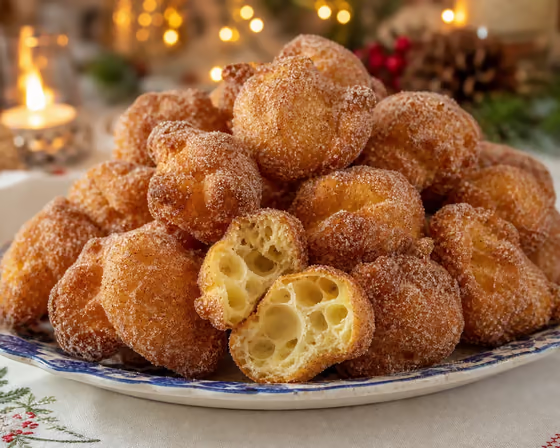 Catalogue image
 Dreams
Hollow, pillowy fritters, fried golden and tumbled in sugar and cinnamon.
Nationwide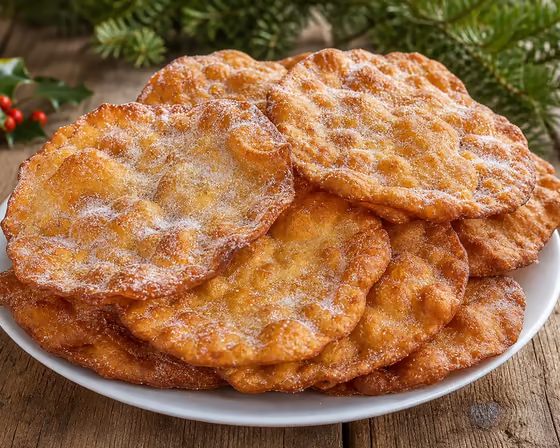 Catalogue image
 Filhós
The Christmas fry-up: stretched dough, crackling oil and cinnamon sugar.
Nationwide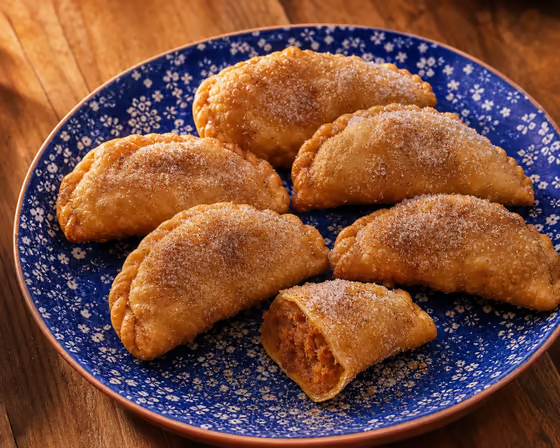 Catalogue image
 Azevias
Crisp fried half-moons stuffed with cinnamon-scented chickpea or sweet potato.
The AlentejoMainland regional recipes
Each region adds its signature: pumpkin bilharacos in the North, wheat-dough rabanadas from Póvoa, Covilhã’s snowy white nevão and honey-bound nógados from Vila Velha de Ródão.
 Catalogue image
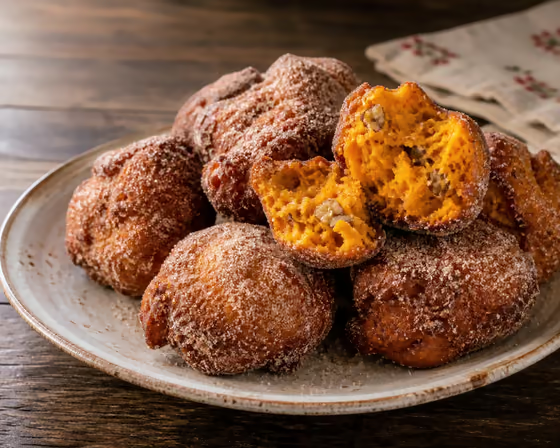
 Bilharacos Pumpkin Fritters
Christmas pumpkin fritters with nuts, cinnamon and sugar.
The North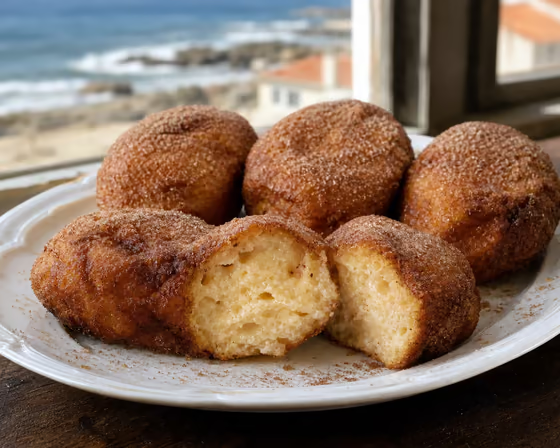 Catalogue image
 Póvoa-style Rabanada
A whole trimmed bijou roll, soaked in aromatic milk and fried until almost doughnut-like.
The North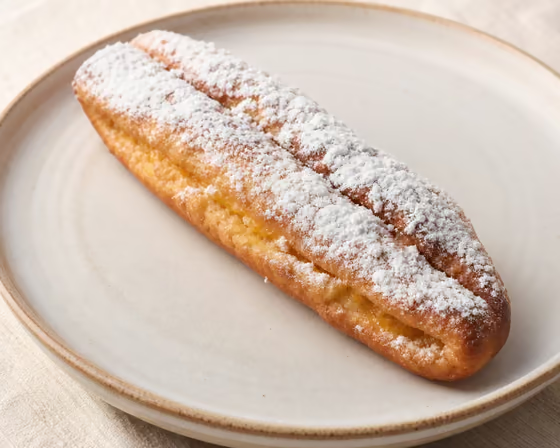 Catalogue image
 Covilhã Snow Cake
A long coconut pastry filled with egg cream beneath a snowfall of powdered sugar.
The Centre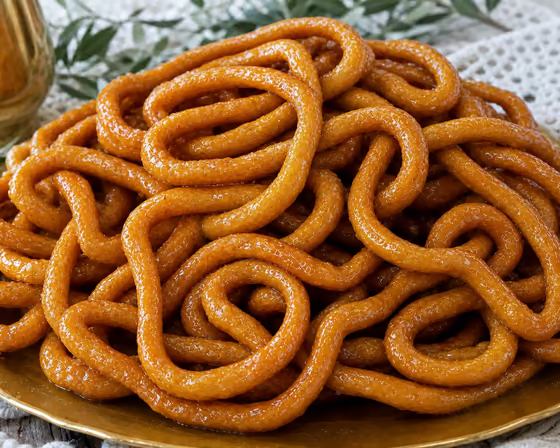 Catalogue image
 Vila Velha de Ródão Nógados
Thick, long cords of fried dough, golden with honey.
The CentreChristmas on the islands
In Madeira, sugarcane honey, spice and nuts define bolo de mel and broas de mel, while bolo preto preserves another festive formula. On Graciosa, rice pastries belong to the island’s own sweet calendar.
 Catalogue image
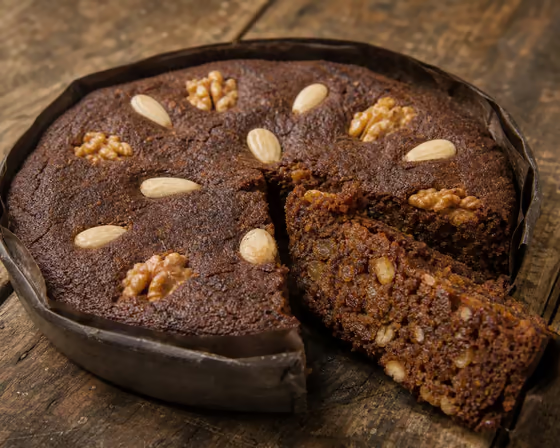
 Madeira Honey Cake
Madeira's dark Christmas cake, broken by hand and good for months.
Madeira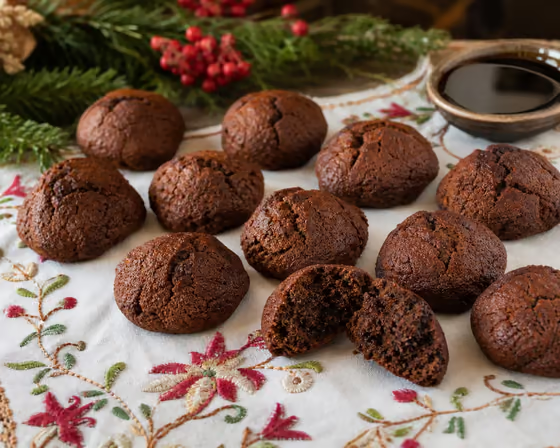 Catalogue image
 Honey Broa
The little cousin of bolo de mel: spice and cane honey in a Christmas biscuit.
Madeira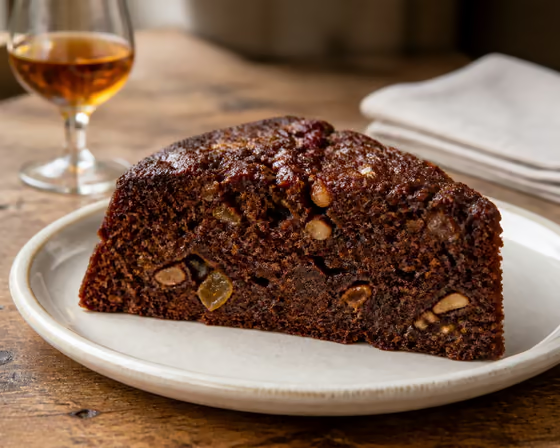 Catalogue image
 Madeira Black Cake
Cane honey, Madeira wine and beer in a dark, moist festive cake.
Madeira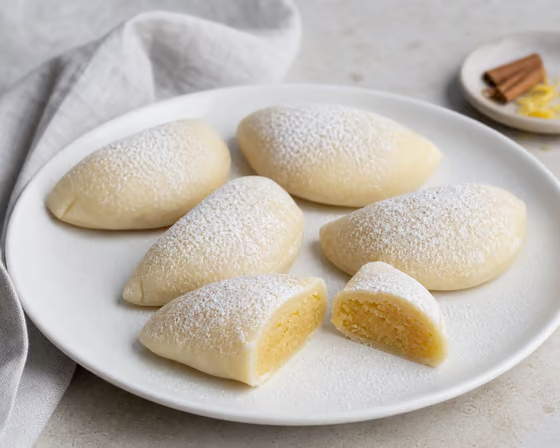 Catalogue image
 Graciosa Rice Pastries
Pale, fine-pastry crescents filled with rice, almond and egg yolks.
The AzoresQuestions about Portuguese Christmas sweets
What are Portugal’s most traditional Christmas sweets?
Bolo-rei, rabanadas, sonhos, filhós, azevias and broas castelares are among the most widespread. The table varies sharply by region: the North has bilharacos and Póvoa-style rabanadas, the Alentejo preserves many fried doughs, and Madeira celebrates bolo de mel.
What is the difference between bolo-rei and bolo-rainha?
Both begin with a rich, aromatic leavened dough. Bolo-rei is crowned with colourful candied fruit and nuts; bolo-rainha omits the candied fruit and gives walnuts, almonds and other nuts the leading role.
Are rabanadas the same as French toast?
Rabanadas are slices of bread soaked—usually in milk or wine—coated in egg, fried, then finished with cinnamon sugar or syrup. They resemble French toast, but Portuguese Christmas recipes have distinctive regional variations.
When is the Portuguese Christmas sweets season?
Bakery windows usually begin to change during November, with the table reaching its peak on Christmas Eve, 24 December. Many sweets remain through Epiphany on 6 January; bolo-rei, bolo-rainha and regional specialities can be found throughout the season.