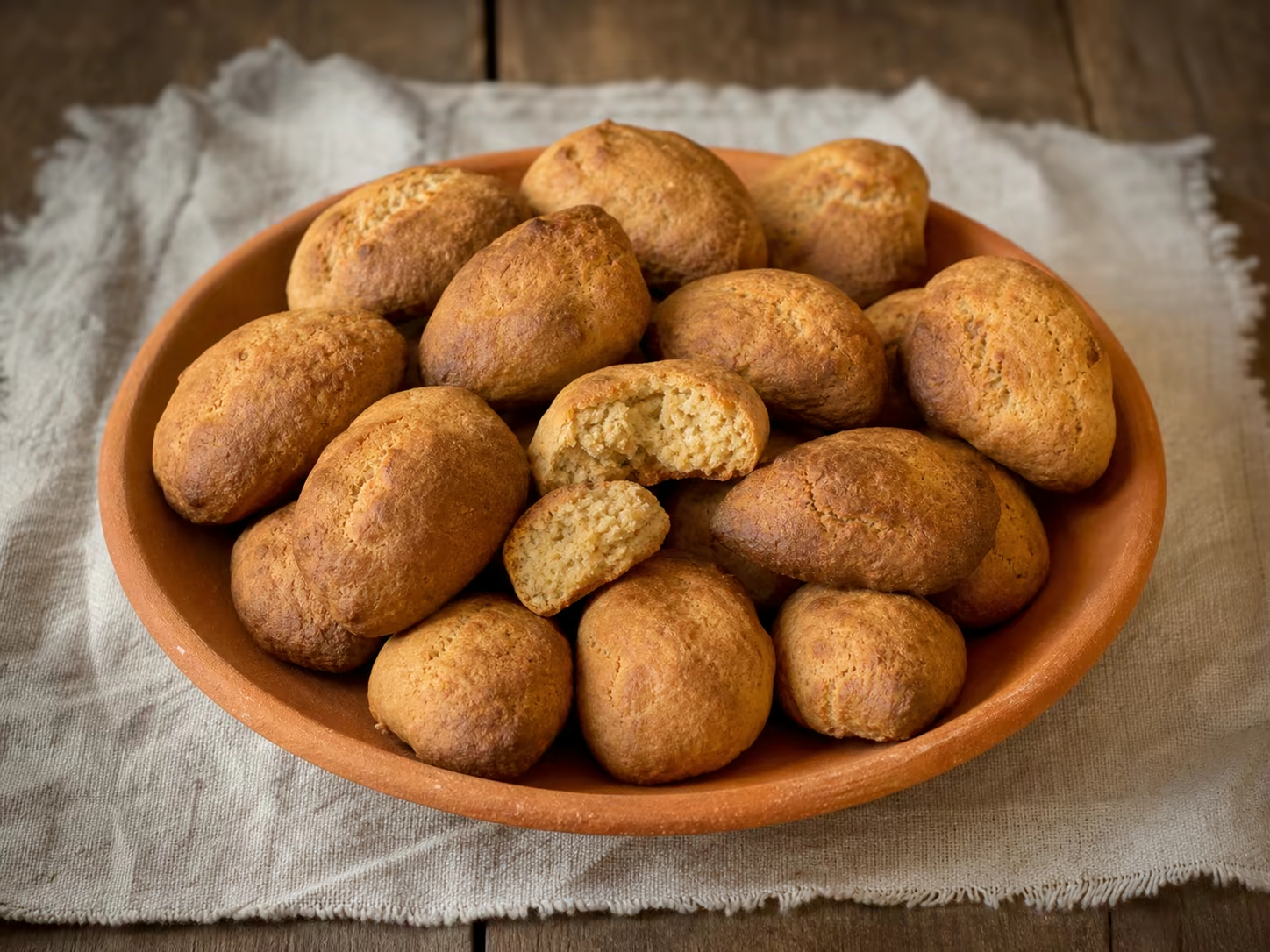
Beja Flint Biscuits
Also known as: Beja Flint Biscuits · Salvada Pederneiras · Alentejo Flint Cakes
Small flint-hard popular biscuits made from bread dough, lard and egg.
- Origin
- Salvada · Beja · Lower Alentejo
- Place
- Salvada · Beja
- Region
- The Alentejo
- Category
- Cakes & Sweet Breads
- Season
- Year-round; limited local availability
- Evidence
- Well documented
Pederneiras de Beja are small, dry, extremely firm biscuits named for a texture likened to flint. The Alentejo version begins with bread dough enriched with pork lard and egg, forming compact rustic pieces with golden-brown surfaces.
They do not belong to refined yolk-and-almond confectionery: these are thrift-based popular cakes made from ordinary rural-household ingredients. Their crumb is tight and dry, suited to accompanying a drink and softening slowly in the mouth.
- bread dough
- pork lard
- egg
- sugar in varying quantity
Austere and moderately sweet, with toasted bread, egg and the restrained richness of lard.
Recent tradition distinguishes poor pederneiras without chocolate from rich ones with chocolate. The 1940 ethnographic record did not include chocolate.
Principally through local production or by order in Salvada and Beja municipality; they are now less common than the city's convent sweets.
Coffee, tea, milk or an Alentejo sweet wine.
Diogo de Castro e Brito recorded Pederneiras in his 1940 ethnographic study of Lower Alentejo food, noting that they were not among the fine sweets of wealthy households. Later research by Cristina Castro found significant production in the village of Salvada, in Beja municipality.
Pederneiras also exist in Minho, but with flour, eggs and cinnamon. The Beja version is distinguished by its bread-dough base and lard, hallmarks of popular Alentejo cooking. In 2019 it represented Beja among the Seven Wonders of Portuguese Sweets nominees.
Well documented
Identity supported by institutional, specialist or corroborating sources.
- diariodoalentejo.pt/pt/9455/docaria-tradicional-o-estudo-de-castro-e-brito.aspx (opens in a new tab)
- tribunaalentejo.pt/artigos/havera-maravilhas-doces-alentejanas/ (opens in a new tab)
- gazetarural.com/wp-content/uploads/2019/04/7-Maravilhas-Doces-de-Portugal-Lista-de-Nomeados.pdf (opens in a new tab)
Pastries from here — The Alentejo
 Catalogue image
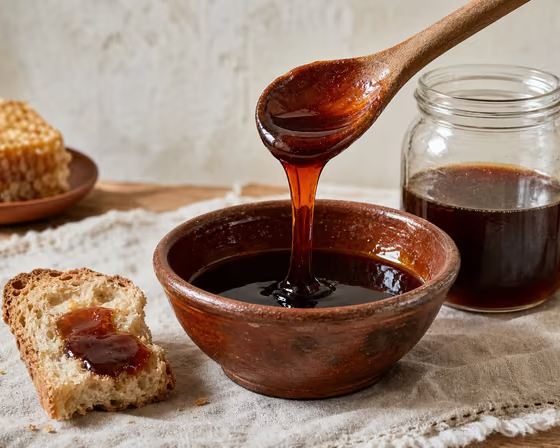
 Portuguese Água-mel Syrup
Water that recovers honey from combs after extraction, filtered and reduced for hours to 70–77° Brix.
The Alentejo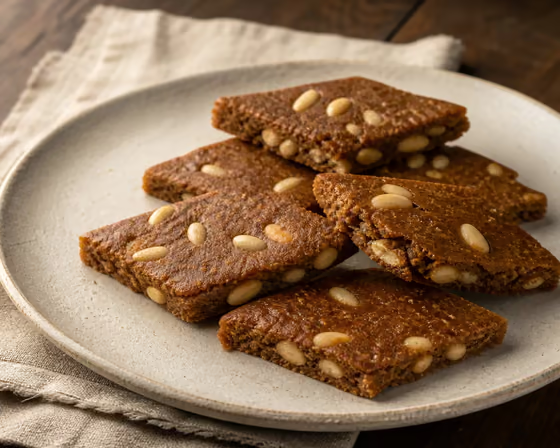 Catalogue image
 Alcomonias
Toasted coarse wheat flour, honey and pine nuts spread and cut into diamonds.
The Alentejo Catalogue image
 Amoreiras-Gare Alcôncoras
A large circular honey-and-olive-oil biscuit born from Amoreiras-Gare's promise-pole tradition.
The Alentejo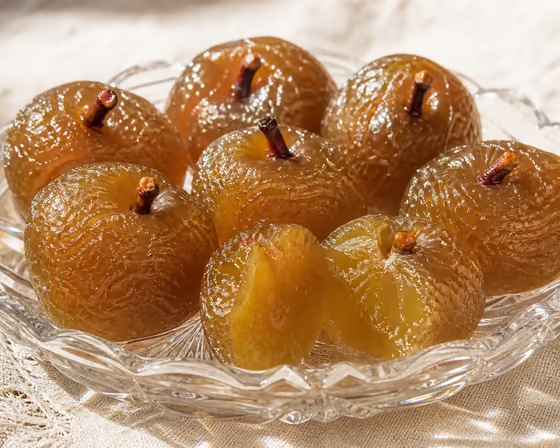 Catalogue image
 Elvas Plums
Protected Rainha Cláudia Verde greengages sold fresh, dried or candied—the sweet form requires at least seven days of slow candying.
The Alentejo