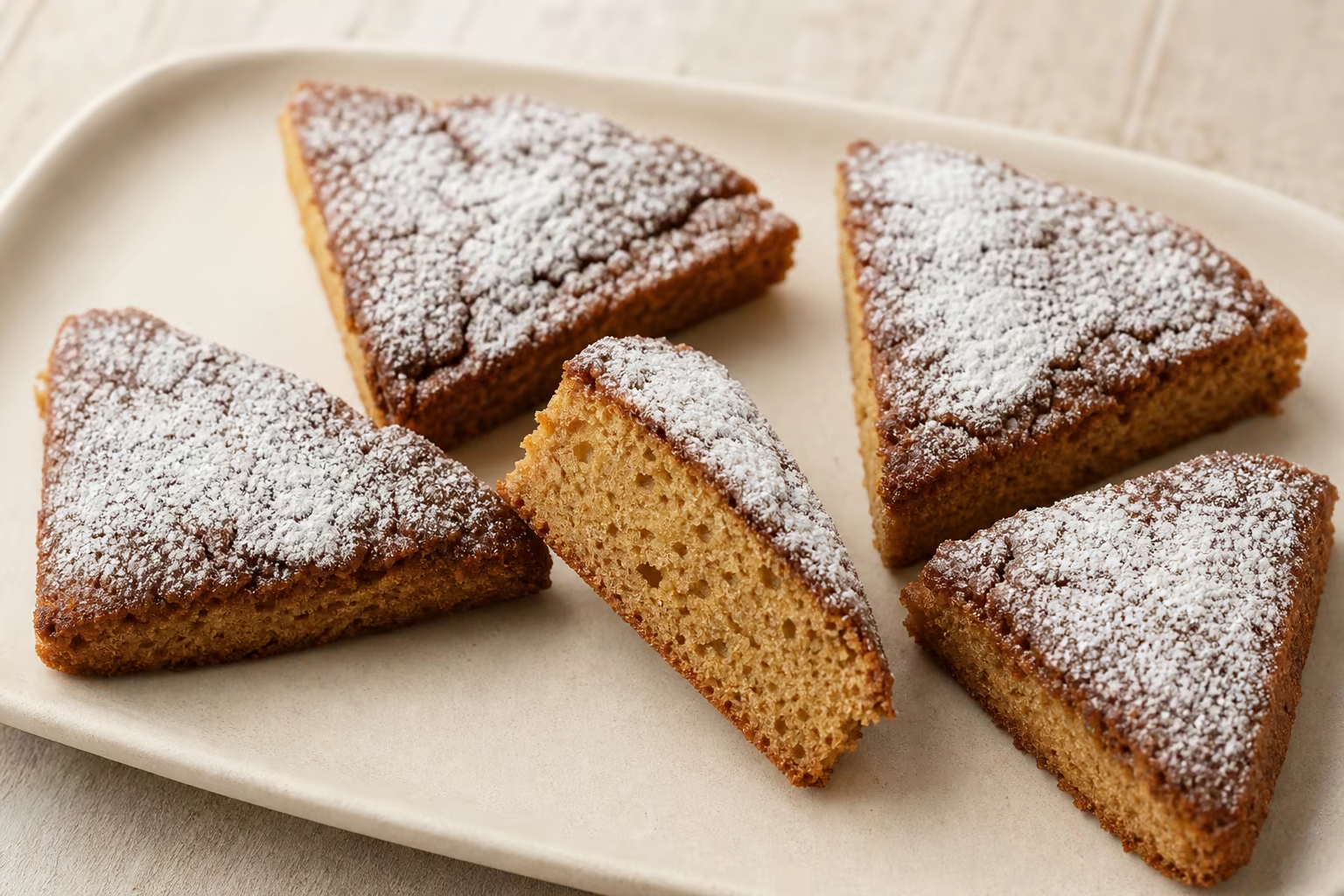
Agualva Cinnamon Triangles
Also known as: Agualva Cinnamon Triangles · Agualva Cake
Dark cinnamon triangles with lemon, airy crumb and a coat of sugar.
- Origin
- Agualva · Sintra, saloio country
- Place
- Agualva · Sintra
- Region
- Sintra
- Category
- Cakes & Sweet Breads
- Season
- Year-round · local fairs and festivals
- Evidence
- Well documented
Agualvas are triangular slices cut from a shallow tray cake, dark outside and fluffy within. Cinnamon colours and perfumes the rugged crust until it is almost mahogany brown; the cut face reveals a lighter crumb, made moist with milk yet aerated by folded egg whites. A dusting of sugar supplies the traditional white contrast on every triangle.
The batter contains flour, eggs, sugar, milk, butter, cinnamon, lemon and raising agent. Lemon juice and zest keep the sweetness and spice from becoming heavy. It is baked whole in a tray and only then divided into triangles, a geometry as central to the sweet's identity as its dark colour.
- wheat flour
- sugar
- milk
- eggs
- lemon
- cinnamon
- butter
- baking powder or bicarbonate
Warm pronounced cinnamon, forthright sweetness, fresh lemon and a light milky crumb beneath a dark, sugary, faintly crisp crust.
The older formula uses bicarbonate, while current home versions often use baking powder. Traditional finishing is dusted sugar, although interpretations with thin icing lines appear. The defining form remains a triangular slice of tray cake.
In Agualva-Cacém and at confectionery events across Sintra municipality. Production is less continuous and widespread than queijadas, so check with local bakeries in advance or look for Sintra's Annual Confectionery Festival.
Coffee, black tea or milk, all of which soften the cinnamon and suit the fluffy crumb.
The name comes directly from Agualva in Sintra municipality. Local accounts place its creation more than eighty years ago with a woman of the town; after her death production stopped for several years before a local bakery revived it.
Its community connection predates that recent recovery. Sintra Municipality's historical-cultural route remembers Agualvas among the foods sold at the old Agualva Fair, held on the same site since 1713. In 2019 the sweet represented Sintra in the Seven Wonders of Portuguese Sweets and, since 2023, it has been expressly listed in municipal regulations as recognized traditional confectionery.
Well documented
Identity supported by institutional, specialist or corroborating sources.
- diariodarepublica.pt/dr/detalhe/aviso/5198-2023-208462687 (opens in a new tab)
- visitsintra.travel/pt/descobrir/roteiros/rota-do-patrimonio-historico-cultural/largo-da-feira-e-quinta-da-fidalga (opens in a new tab)
- sintranoticias.pt/2019/03/12/doces-de-sintra-vao-a-votos-nas-7-maravilhas-de-portugal/ (opens in a new tab)
- iguaria.com/sobremesa/bolo/agualvas/ (opens in a new tab)
- portugaltorraonatal.blogspot.com/2010/12/agualva-sintra.html (opens in a new tab)
Pastries from here — Sintra
 Catalogue image
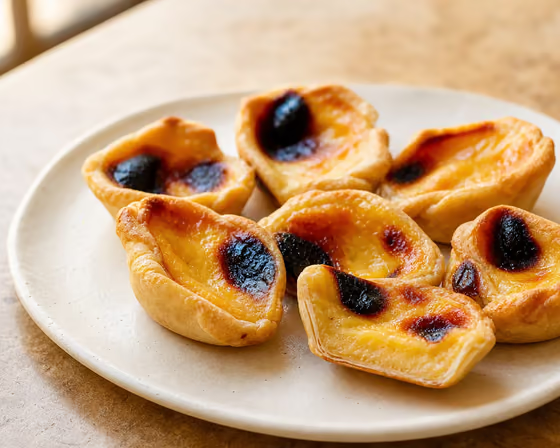
 Paiões Lembrados
Small golden, blistered festival pastries that Paiões bakes only once a year.
Sintra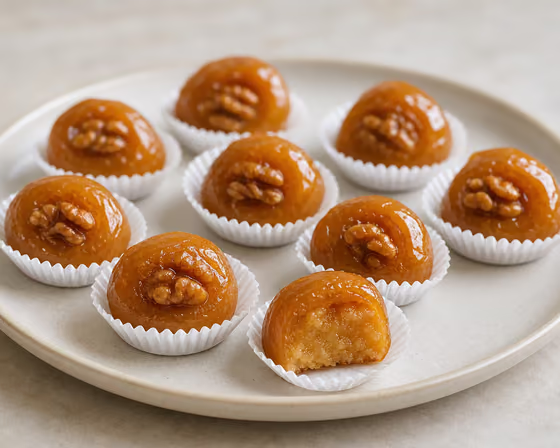 Catalogue image
 Galamares Golden Nuts
Yolk and sugar beneath caramel and walnut in the historical formula; almonds in the current version.
Sintra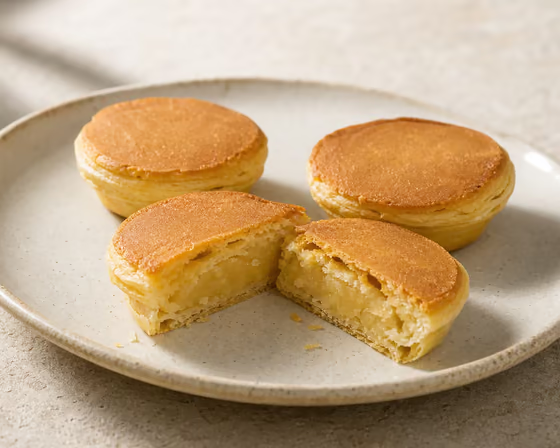 Catalogue image
 Cruz Alta Pastry
Crisp puff pastry around egg cream, almond and white bean.
Sintra Catalogue image
 Queijada de Sintra
Tiny fresh-cheese-and-cinnamon tarts with a rim pinched by hand.
Sintra