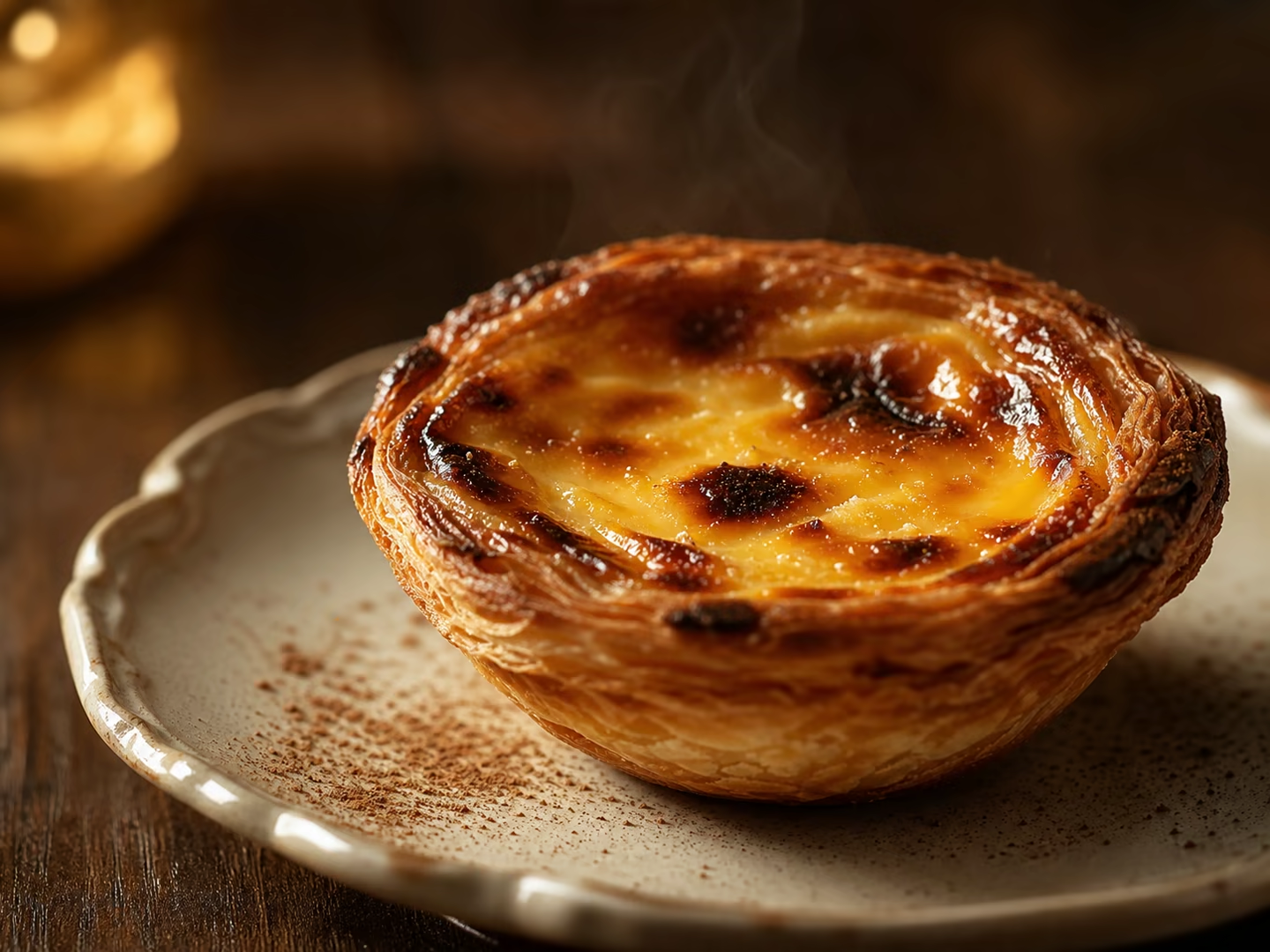
48 sweets from Lisbon
The crackling shell and scorched custard that conquered the world.
Lisbon brings together Belém confectionery, urban pastry shops and specialities from places across the metropolitan area. The company history of Pastéis de Belém dates regular production to 1837; that tradition should be attributed to the company and corroborating sources, not treated as a published convent recipe.
Historic businesses, cafés and pastry shops helped circulate cakes and pastries from many regions. The catalogue distinguishes sweets specifically associated with Lisbon from those that became common in the capital without originating there.
All 48 sweets
Open each record for ingredients, history, variations, season, pairings and sources.
 Catalogue image
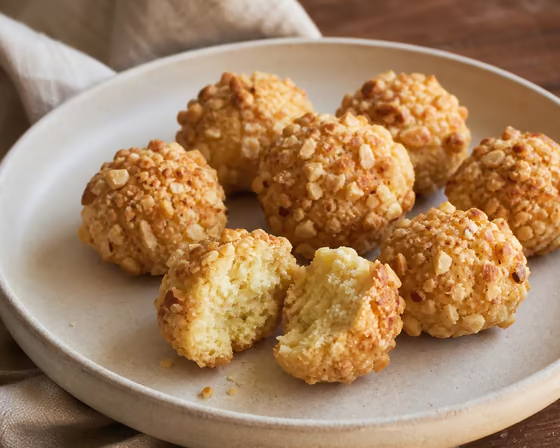
 Amendoados
Small dry, crumbly cakes, shaped by hand and crowned with coarsely chopped almonds.
Lisbon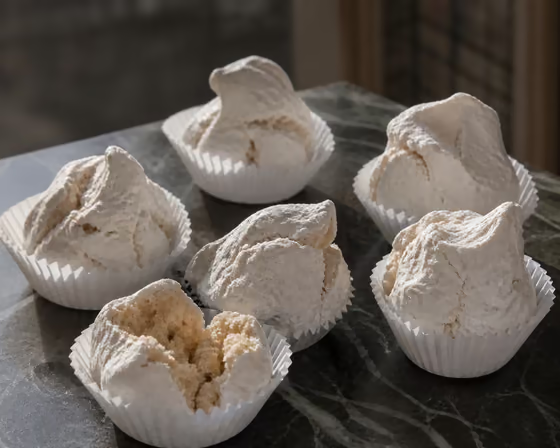 Catalogue image
 Azeitão Almond Meringues
Rustic hand-shaped almond meringues with a white, delicately cracked shell.
Lisbon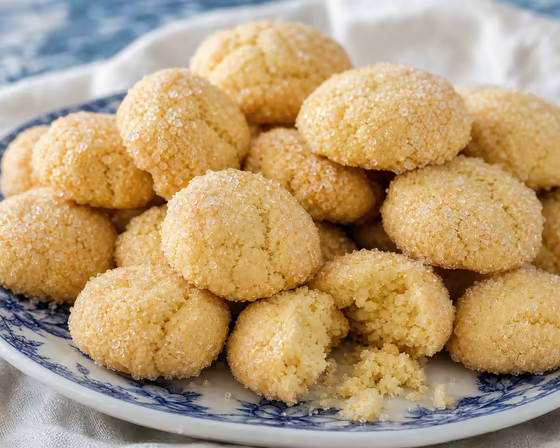 Catalogue image
 Cascais Sands
Beach sand that melts on the tongue.
Lisbon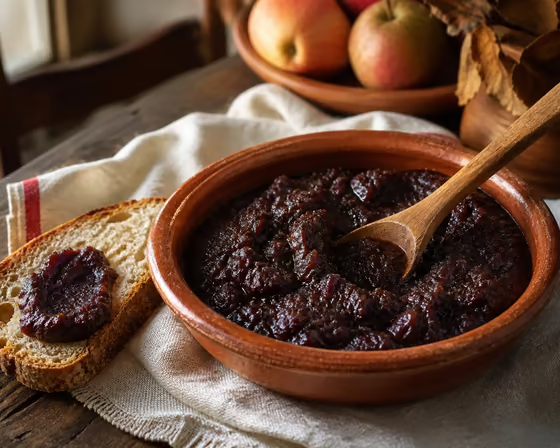 Catalogue image
 Arroubo Grape-Must Preserve
Must reduced slowly—alone as syrup or with fruit as uvada—in terminology that varies among sources and localities.
Lisbon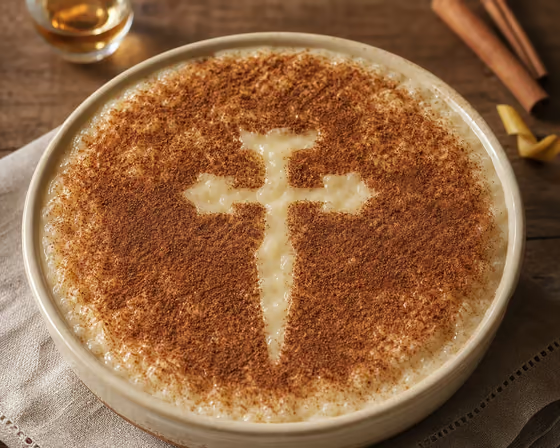 Catalogue image
 Palmela Sheep's-Milk Rice Pudding
Creamy sheep's-milk rice pudding marked with the sword of the Order of Santiago.
Lisbon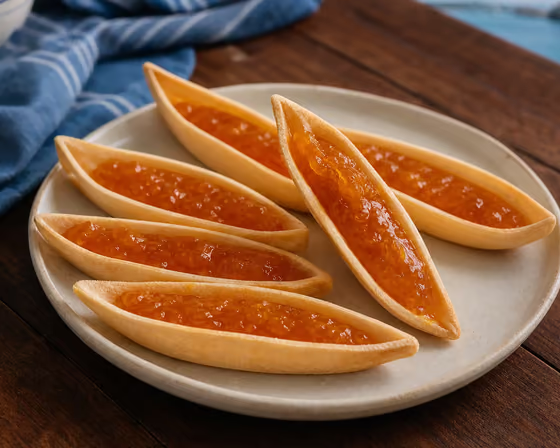 Catalogue image
 Setúbal Wafer Boats
Vanilla-wafer boats filled with bitter-orange preserve.
Lisbon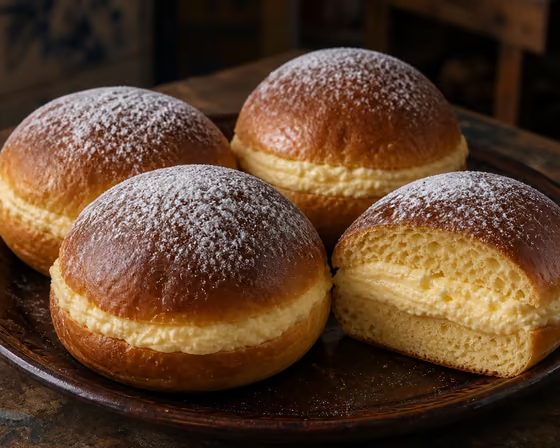 Catalogue image
 Barreiro Butter Bun
Barreiro's giant sweet bun, soft and split by a band of buttercream.
Lisbon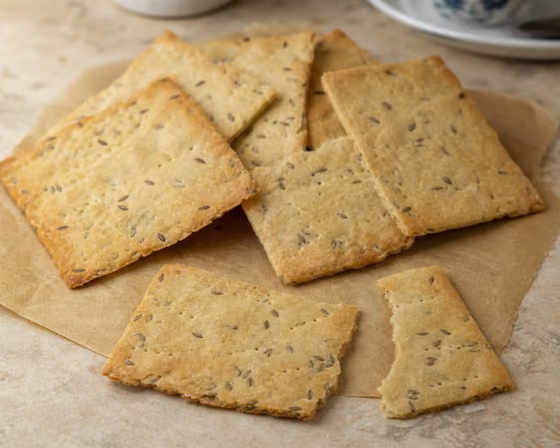 Catalogue image
 Setúbal Piedade Biscuit
The thin, hard, aromatic biscuit associated with Setúbal’s Sant’Iago Fair since the nineteenth century.
Lisbon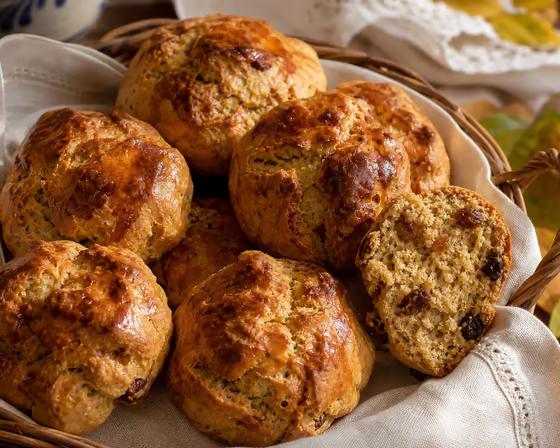 Catalogue image
 Cascais Bolo Santoro
The spiced bun Cascais links to Pão-por-Deus.
Lisbon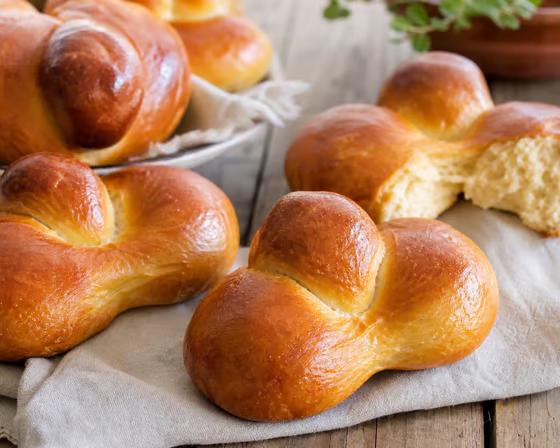 Catalogue image
 Head Cakes
Torres Novas raised dough shaped into two overlapping figure eights.
Lisbon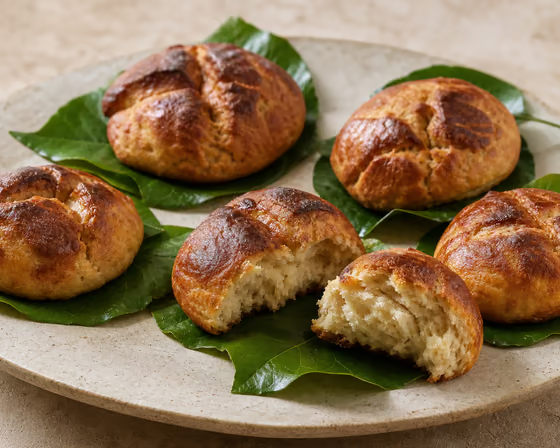 Catalogue image
 Cascais Christmas Buns
Little risen buns scented with lemon and cinnamon and baked on lemon leaves.
Lisbon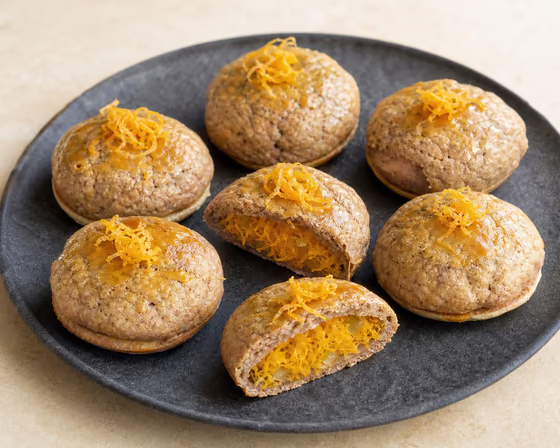 Catalogue image
 Cascais Royal Cakes
Almond-and-cinnamon discs on wafer, filled with egg threads and citron.
Lisbon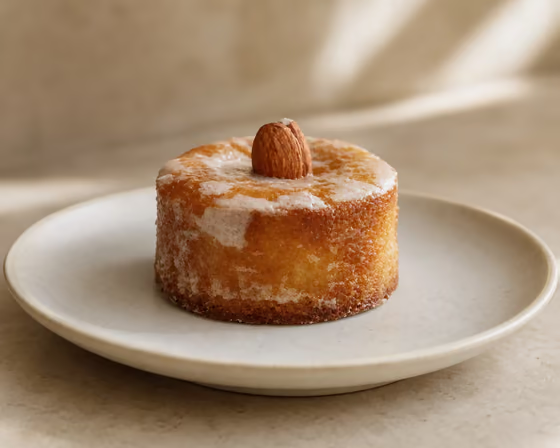 Catalogue image
 Convent of Jesus Bom-bocado
A bakery cake documented by name, but without a published composition or historical provenance.
Lisbon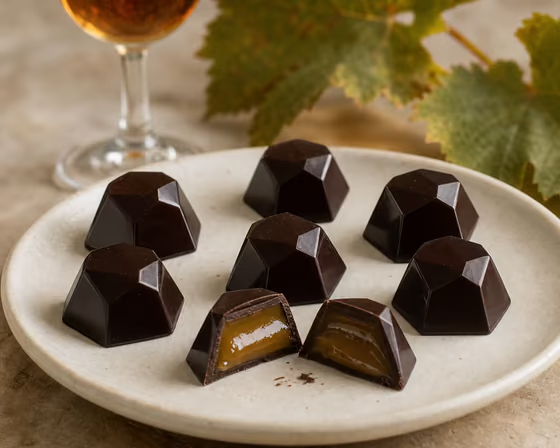 Catalogue image
 Setúbal Moscatel Chocolate
A dark-chocolate gem with a Moscatel de Setúbal heart.
Lisbon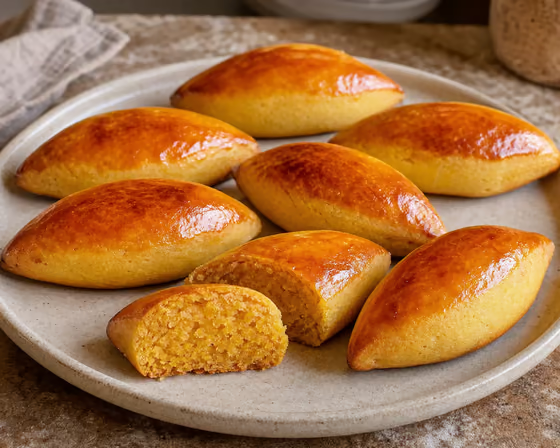 Catalogue image
 Broas Castelar
Christmas sweet-potato, maize and almond broas burnished with egg yolk.
Lisbon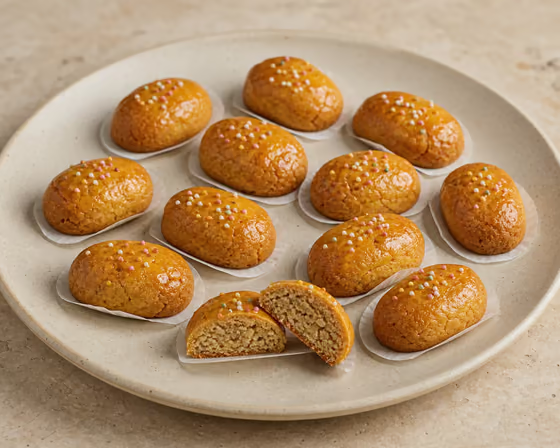 Catalogue image
 Broas de Espécie
Tiny almond-and-pine-nut broas on wafer paper, scattered with sprinkles.
Lisbon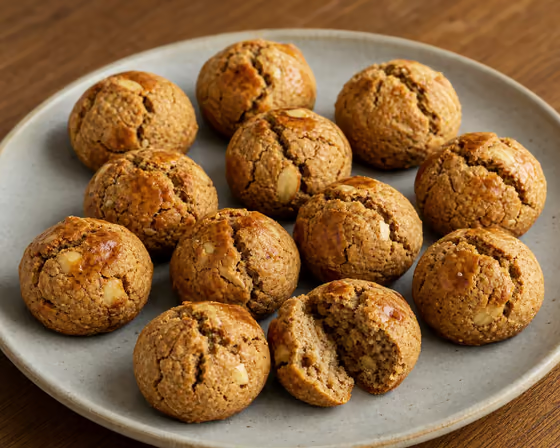 Catalogue image
 All Saints Broas
Small cracked broas with almonds and an intense aniseed flavour.
Lisbon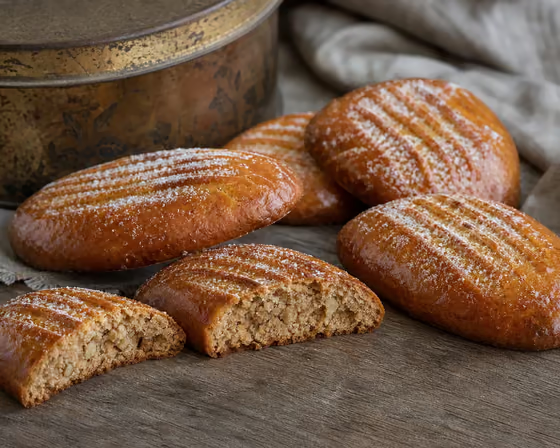 Catalogue image
 Boiled Broas
The Ribatejo broa whose dough cooks in the pan first.
Lisbon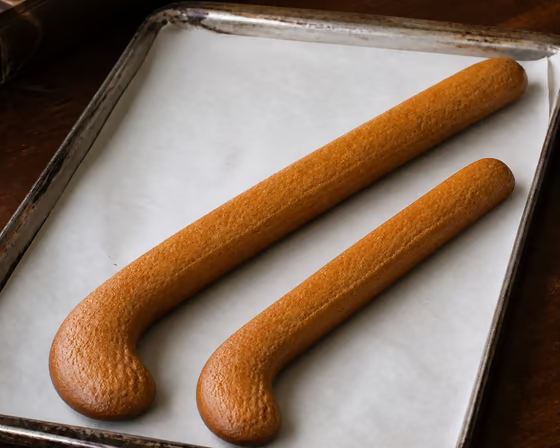 Catalogue image
 Paço de Arcos Cacetes
A vanished Paço de Arcos speciality remembered as a long cake shaped like a field-hockey stick.
Lisbon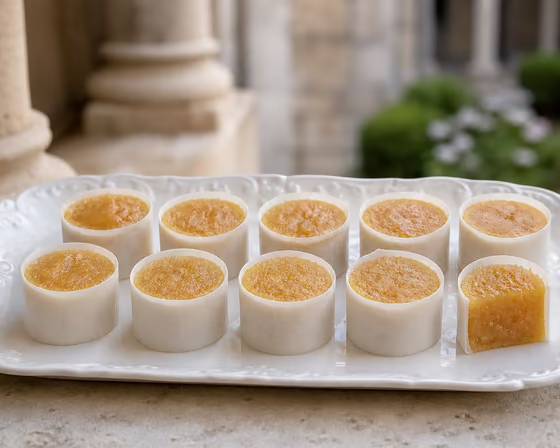 Catalogue image
 Celestes de Santa Clara
Small almond-and-egg cylinders, white with wafer and toasted on top.
Lisbon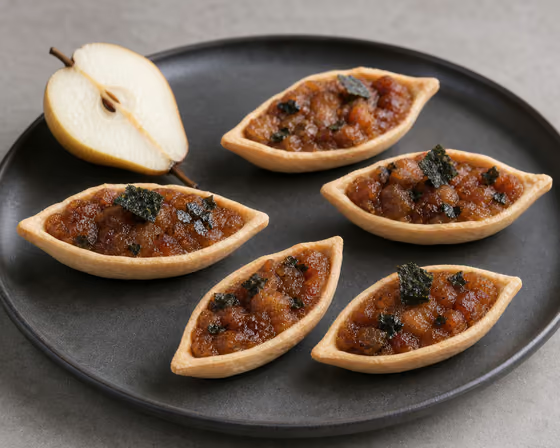 Catalogue image
 Cascais Boat Tarts
Fine pastry boats with Rocha pear, almonds, seaweed and Carcavelos wine.
Lisbon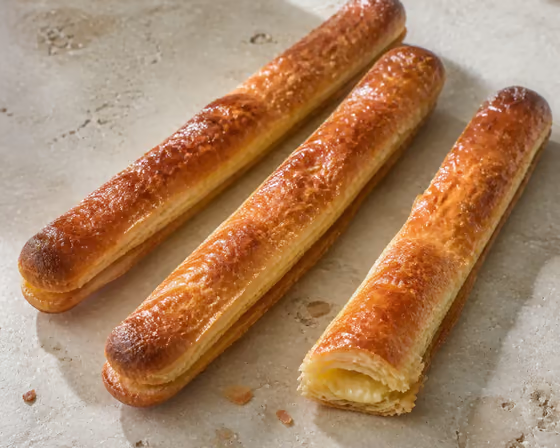 Catalogue image
 Costa da Caparica Claudino
Costa da Caparica’s long puff pastry, caramelised outside and joined with pastry cream.
Lisbon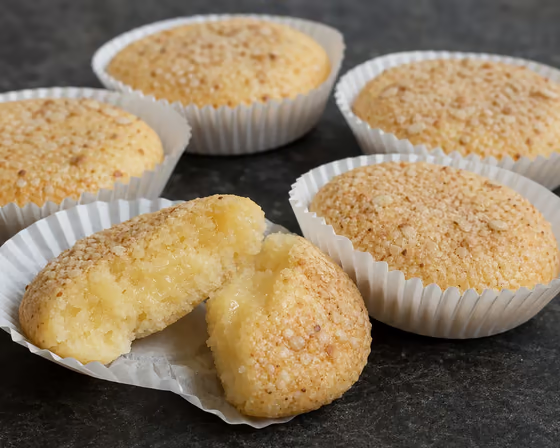 Catalogue image
 Santa Coina Requeijão Cakes
A moist little cake of Azeitão sheep's-milk requeijão, almonds and egg yolks.
Lisbon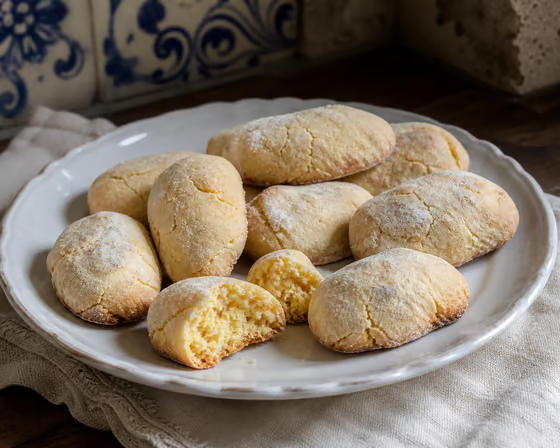 Catalogue image
 Odivelas Monastery Esquecidos
The pale convent biscuit preserved in Odivelas monastery's last nun's recipe book.
Lisbon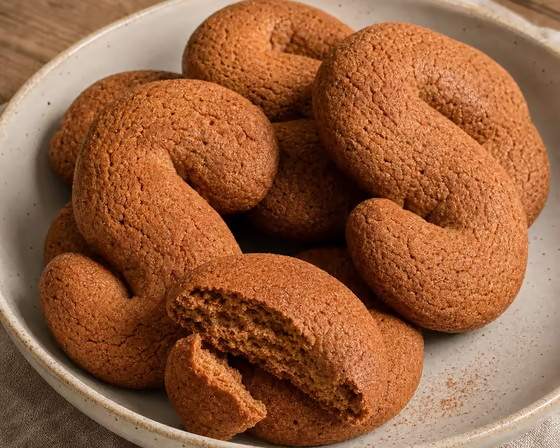 Catalogue image
 Azeitão S Biscuits
Thick S-shaped biscuits, crisp and deeply scented with cinnamon.
Lisbon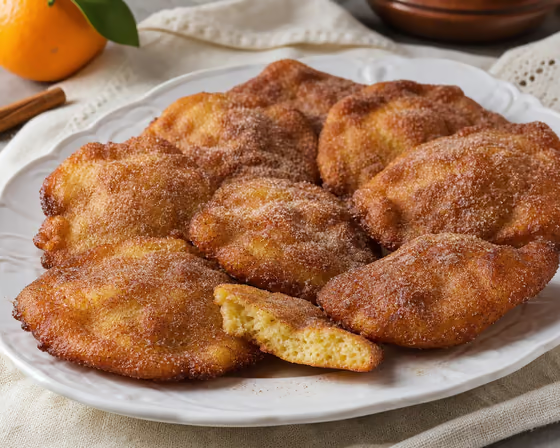 Catalogue image
 Loures Orange Filhós
Loures's Carnival fritter, scented with orange and aguardente.
Lisbon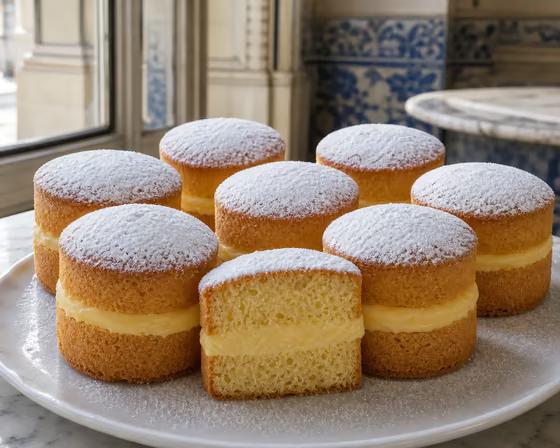 Catalogue image
 Fofos de Belas
A cylindrical pão de ló, split and filled with pastry cream — the sweet pride of Belas.
Lisbon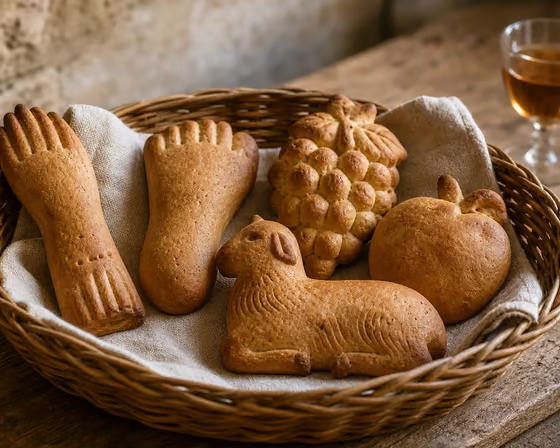 Catalogue image
 Palmela Votive Biscuits
An orange, cinnamon and anise biscuit shaped into vows for Saint Amaro.
Lisbon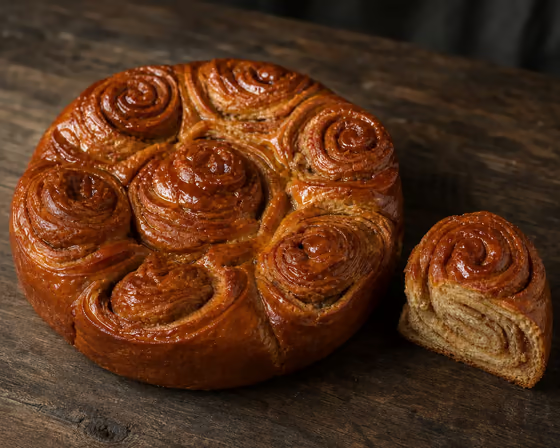 Catalogue image
 Coina Honey Folar
A sugar-and-cinnamon crumb bathed in honey straight from the oven.
Lisbon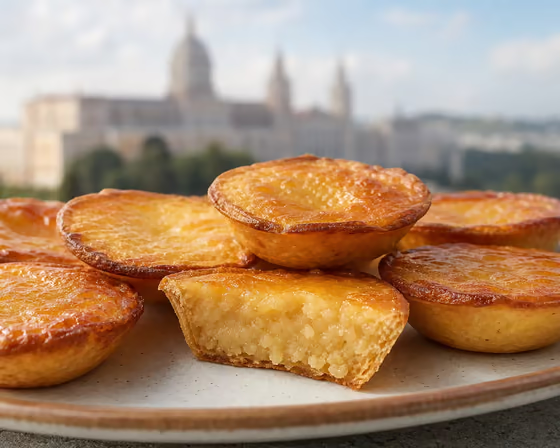 Catalogue image
 Mafra Little Friars
A contemporary Mafra tartlet with white beans, almond, yolks and sugar syrup.
Lisbon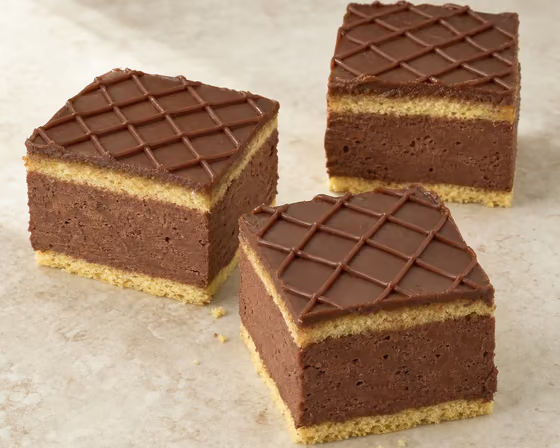 Catalogue image
 Portuguese Garibaldi Chocolate Cake
Two thin sponge sheets enclosing a wall of chocolate beneath a crosshatched fondant cap.
Lisbon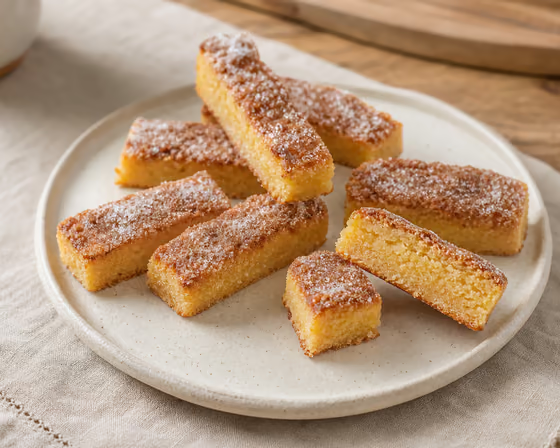 Catalogue image
 Cascais Joaninha Almond Fingers
Little almond-and-yolk fingers with a golden crust and sugar.
Lisbon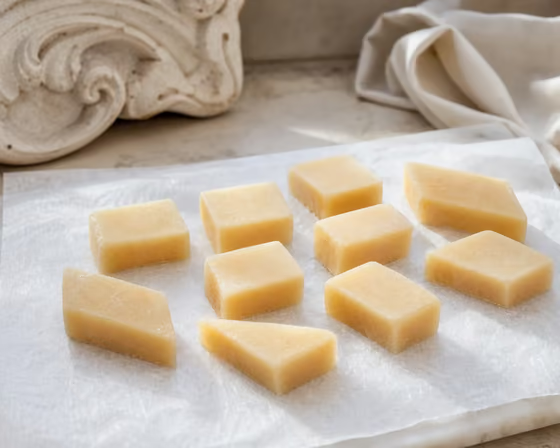 Catalogue image
 Odivelas White Quince Paste PGI
An almost-white convent quince paste, firm enough to slice and protected by PGI.
Lisbon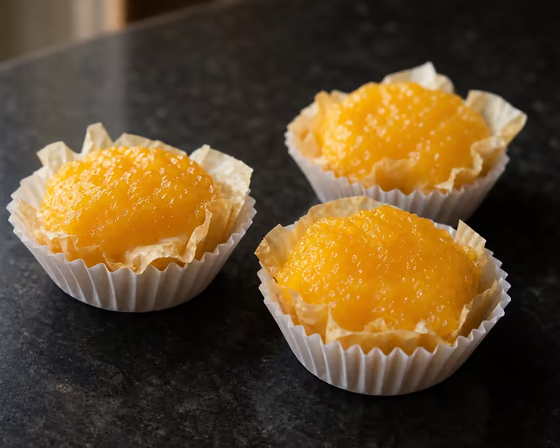 Catalogue image
 Cego's Mémé
A crisp filo nest filled with sheep's-milk requeijão and egg-yolk cream.
Lisbon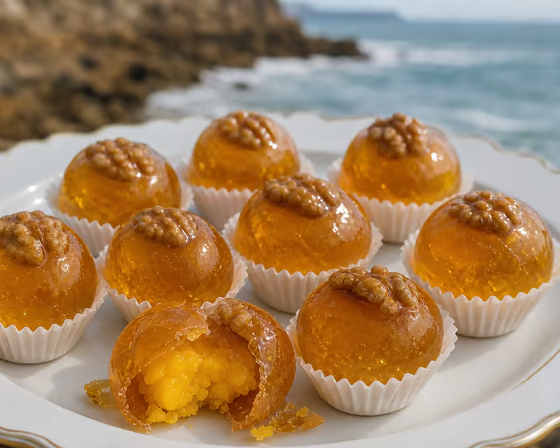 Catalogue image
 Cascais Walnuts
Moulded egg-yolk sweet crowned with walnut and coated in caramel.
Lisbon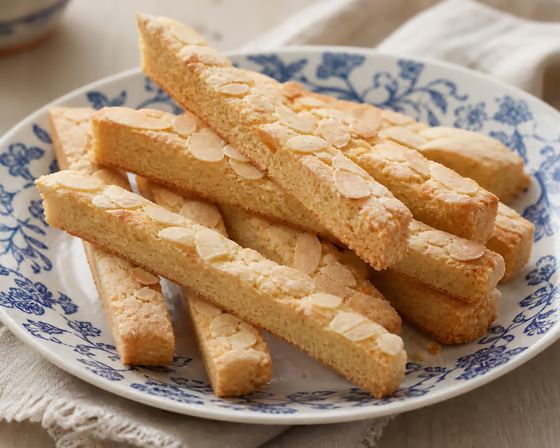 Catalogue image
 Cascais Almond Fingers
Almond-cake fingers cut and returned to the oven.
Lisbon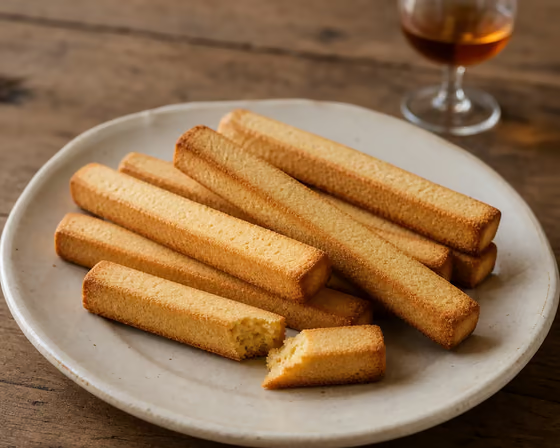 Catalogue image
 Oeiras Biscuit Fingers
Lemon-and-cinnamon sponge strips baked a second time until hard and crisp.
Lisbon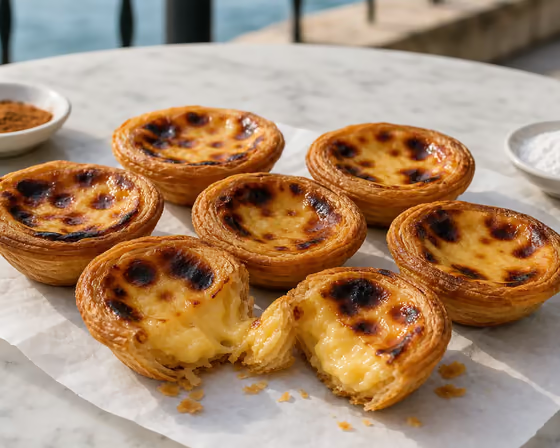 Catalogue image
 Pastéis de Belém
Belém's 1837 speciality of laminated pastry and egg custard.
Lisbon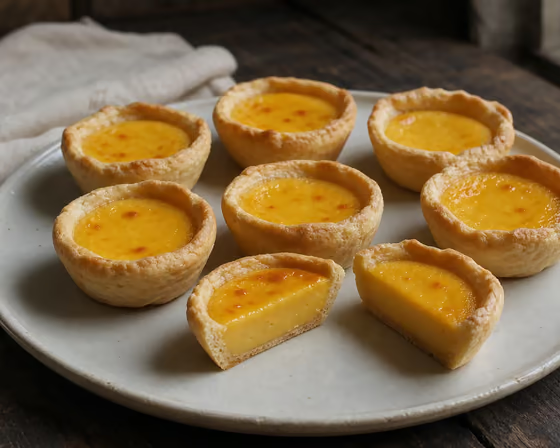 Catalogue image
 Marvila Egg Custard Tartlets
Historic pastry cases of egg sweet and sponge cake, recovered directly from a recipe printed in 1788.
Lisbon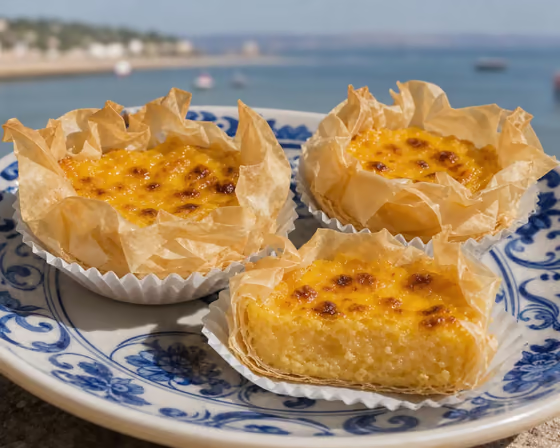 Catalogue image
 Seixal Fidalga Pastry
A crisp crown of fine pastry holds a golden egg-and-almond centre.
Lisbon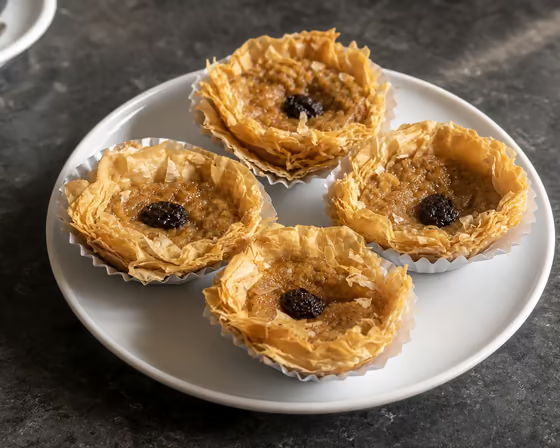 Catalogue image
 Setúbal Moscatel Tart
A crisp little tart of almond, eggs and Moscatel de Setúbal.
Lisbon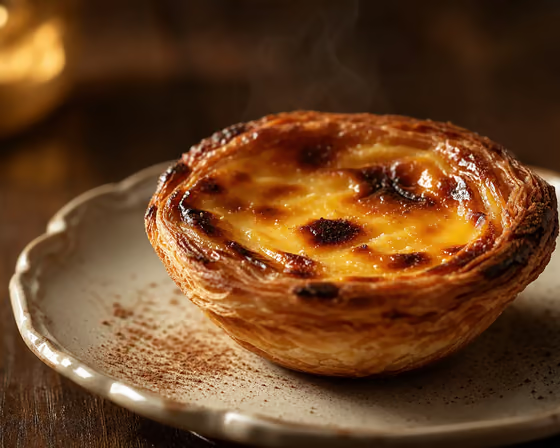 Catalogue image
 Pastel de Nata
The crackling shell and scorched custard that conquered the world.
Lisbon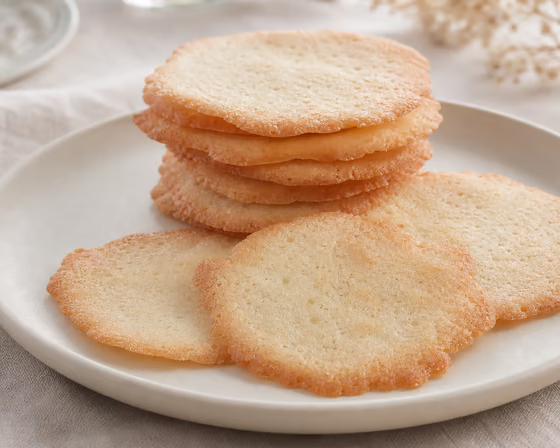 Catalogue image
 Cascais Pratas
An almost translucent biscuit, lacy and crisp.
Lisbon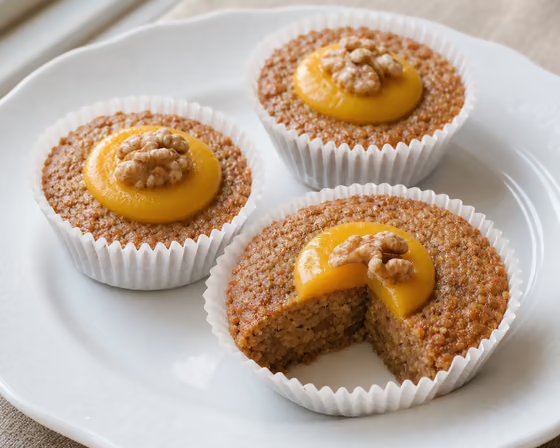 Catalogue image
 Convent of Jesus Walnut Pudding
A walnut pudding presented in 2019 as the recovery of a recipe linked to the Convent of Jesus.
Lisbon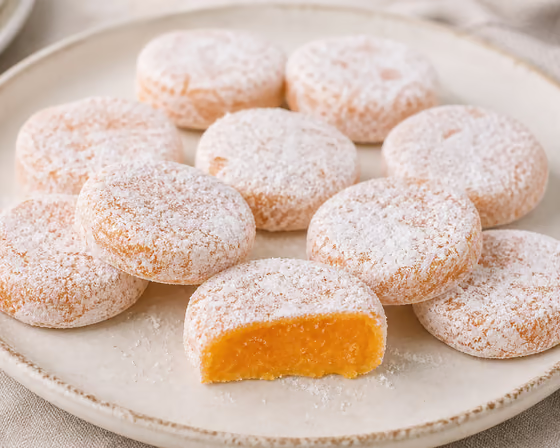 Catalogue image
 Cascais Almond Queijinhos
Almond and yolk shaped like little cheeses, without a trace of cheese.
Lisbon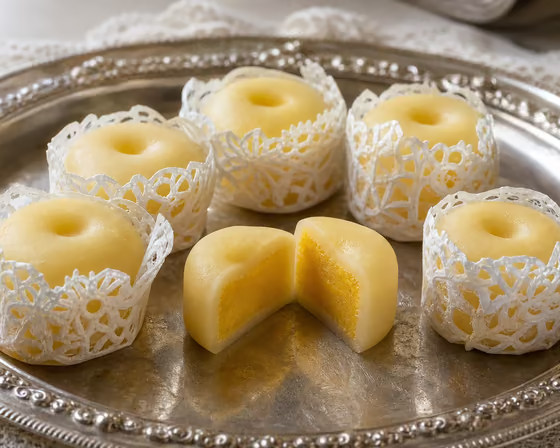 Catalogue image
 Little Cheeses of Heaven
One name shared by small Ribatejo sweets that should not be collapsed into a single recipe.
Lisbon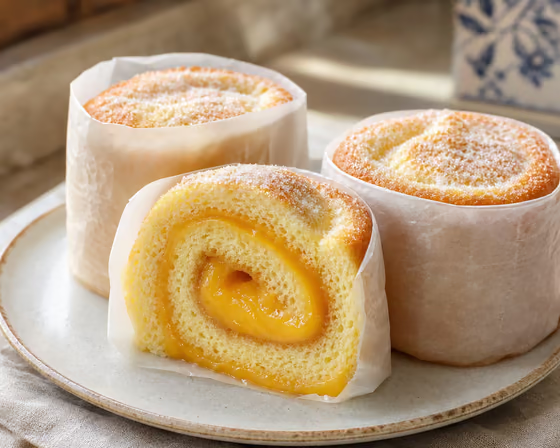 Catalogue image
 Azeitão Roll
A maize-sponge roll wrapped around golden egg cream, dusted with cinnamon.
Lisbon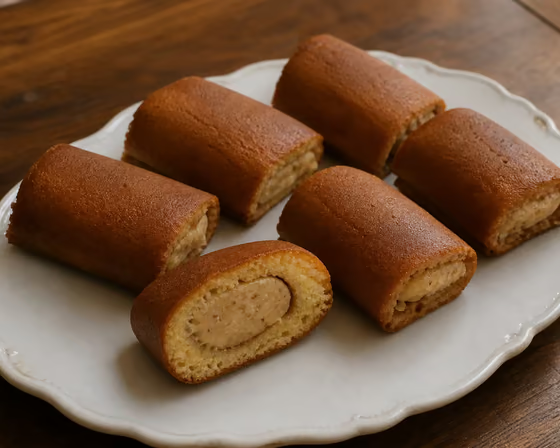 Catalogue image
 Malveira Trouxas
Small sponge-cake pillows rolled around vanilla and almond cream.
LisbonQuestions about sweets from Lisbon
How many sweets from Lisbon are documented?
This guide contains 48 specialities from Lisbon. Every record includes origin, ingredients, history, variations, season and sources.
What is the most representative sweet from Lisbon?
Pastel de Nata is one emblem selected to introduce the region, but the local tradition cannot be reduced to one recipe. The collection below spans different families, techniques and places.
Where can I try sweets from Lisbon?
See the “Where to try it” section in each record. We prioritise local pastry shops, traditional producers, festivals and places tied to the speciality, without turning historical references into unverified commercial recommendations.