Palmela Votive Biscuits
Also known as: Palmela Votive Biscuits · Saint Amaro Fogaças
An orange, cinnamon and anise biscuit shaped into vows for Saint Amaro.
- Origin
- Palmela · Setúbal Peninsula
- Place
- Palmela · Setúbal Peninsula
- Region
- Lisbon
- Category
- Festive & Seasonal
- Season
- January · Saint Amaro · festivals and pilgrimages
- Evidence
- Well documented
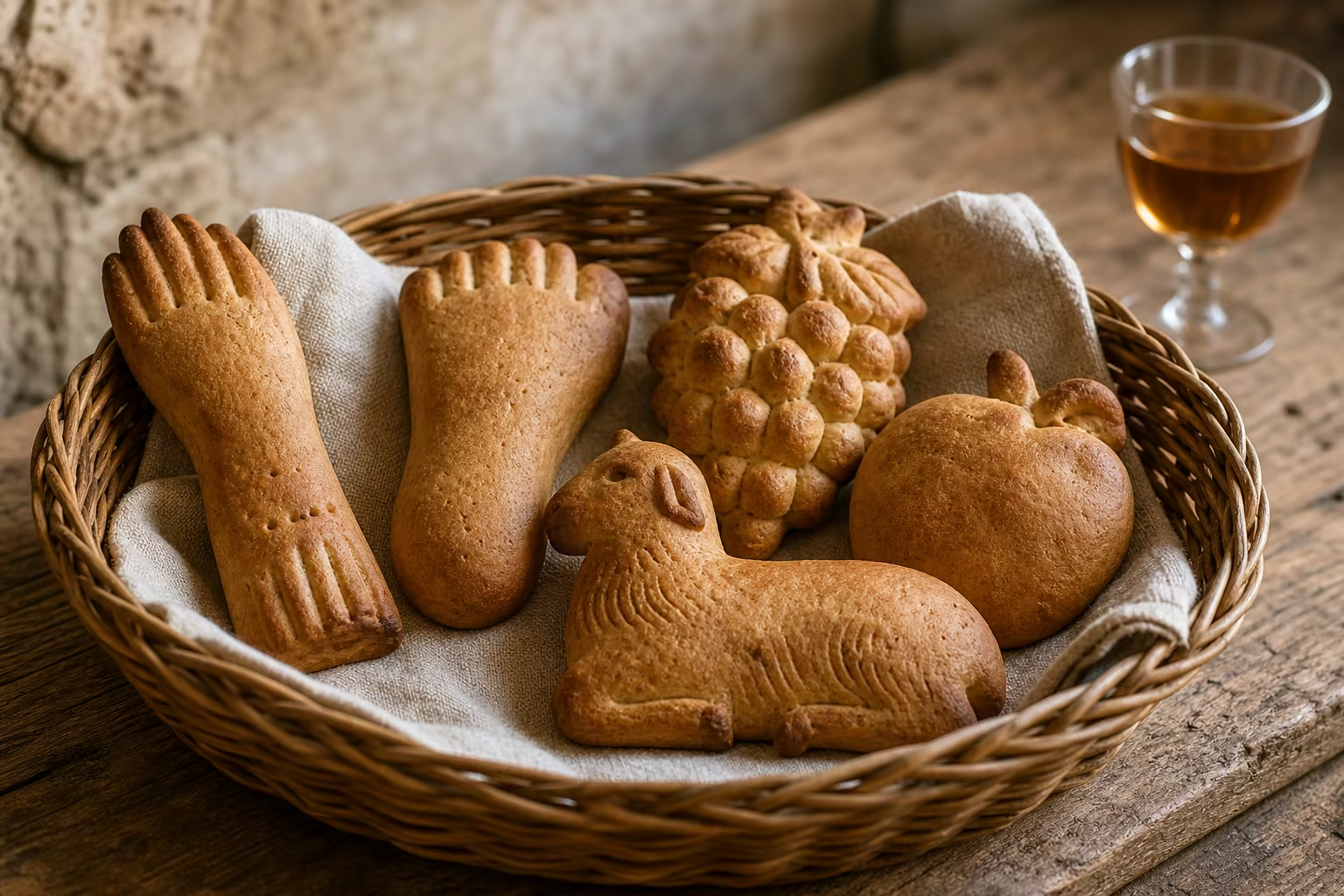
Fogaça de Palmela is a dry, aromatic cake-biscuit made from bread dough enriched with flour, brown sugar, lard, eggs, orange, aguardente, cinnamon and aniseed. The firm dough can be rolled and modelled, then baked into a compact, golden and durable biscuit with citrus and spice fragrance.
Its shape explains the offering. Feet, arms and other body parts asked for health; domestic animals and fruit represented protection for livestock and crops. Modern versions may also combine the battlements of Palmela Castle with a bunch of grapes, immediate symbols of the town and its wine landscape.
It is eaten plain, broken by hand, or incorporated into contemporary desserts. Its dry texture invites the traditional liquid accompaniment: a small glass of Moscatel de Setúbal.
- Bread dough
- Wheat flour
- Brown sugar
- Lard
- Eggs
- Orange juice and zest
- Aguardente
- Cinnamon
- Aniseed
Dry and firm, moderately sweet, with bright orange, warm cinnamon, aniseed and the restrained richness of lard.
Shapes vary with the vow: human limbs and organs, animals, fruit, grape bunches or compositions inspired by the castle. Families keep their own cinnamon and anise proportions and may model small pieces or large fogaças for sharing.
At pastry shops, local-product stores and food events in Palmela. The Blessing of the Fogaças traditionally takes place around 15 January; check each year's municipal programme.
Moscatel de Setúbal, Palmela wine or coffee.
In Palmela, fogaças are bound to devotion to Saint Amaro. At the beginning of the year, families modelled the reason for a vow in dough, baked the cakes in communal ovens and took them to São Pedro Church. On 15 January they were blessed and auctioned, with proceeds supporting the saint's cult.
Fogaças are also associated with smaller festivals and pilgrimages that raised funds by auctioning animals, agricultural produce and cakes. Palmela's Gastronomic Brotherhood, parish and municipality have revived and promote the annual blessing, competitions and food weekends, defending the recipe as living town heritage.
Well documented
Identity supported by institutional, specialist or corroborating sources.
- visitpalmela.pt/saborear/gastronomia/fogaca-de-palmela (opens in a new tab)
- jf-palmela.pt/fogacas-de-palmela-a-nossa-historia-e-tradicao/ (opens in a new tab)
- cm-palmela.pt/cmpalmela/uploads/writer_file/document/13588/ementa___fins_de_semana_gastronomicos___fogaca_de_palmela.PDF (opens in a new tab)
- visitpalmela.pt/cmpalmela/uploads/writer_file/document/21517/roteiro_do_patrimonio_religioso_do_concelho.pdf (opens in a new tab)
- eubrdialogues.com/sites/default/files/acoes/documentos/049xlix_lista_de_produtos_tradicionais_portugueses_v_19_0.pdf (opens in a new tab)
Pastries from here — Lisbon
 Catalogue image
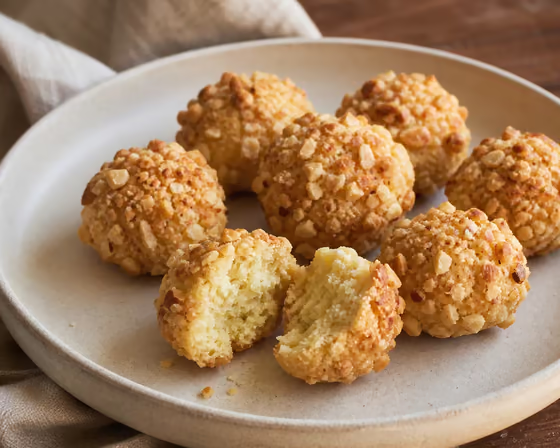
 Amendoados
Small dry, crumbly cakes, shaped by hand and crowned with coarsely chopped almonds.
Lisbon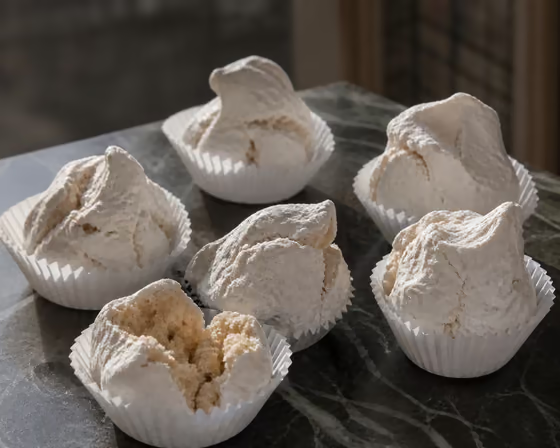 Catalogue image
 Azeitão Almond Meringues
Rustic hand-shaped almond meringues with a white, delicately cracked shell.
Lisbon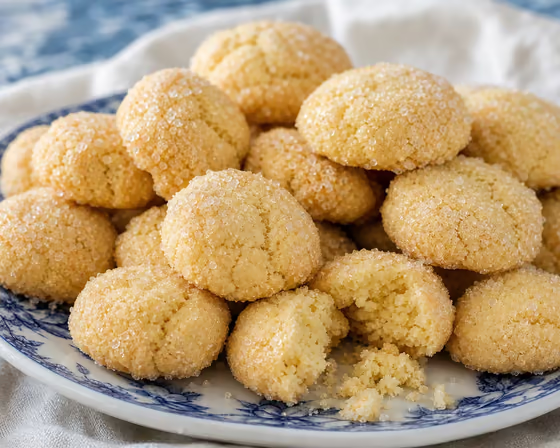 Catalogue image
 Cascais Sands
Beach sand that melts on the tongue.
Lisbon Catalogue image
 Arroubo Grape-Must Preserve
Must reduced slowly—alone as syrup or with fruit as uvada—in terminology that varies among sources and localities.
Lisbon