Moncorvo Sugar-Coated Almonds
Also known as: Moncorvo Covered Almonds · Torre de Moncorvo Sugared Almonds
The queen of Trás-os-Montes sweets, spun from sugar and patience in copper.
- Origin
- Torre de Moncorvo, Trás-os-Montes · documented since 1908, with a far older tradition · IGP since 2018
- Place
- Torre de Moncorvo
- Region
- Trás-os-Montes
- Category
- Festive & Seasonal
- Season
- Easter (available year-round)
- Evidence
- Well documented
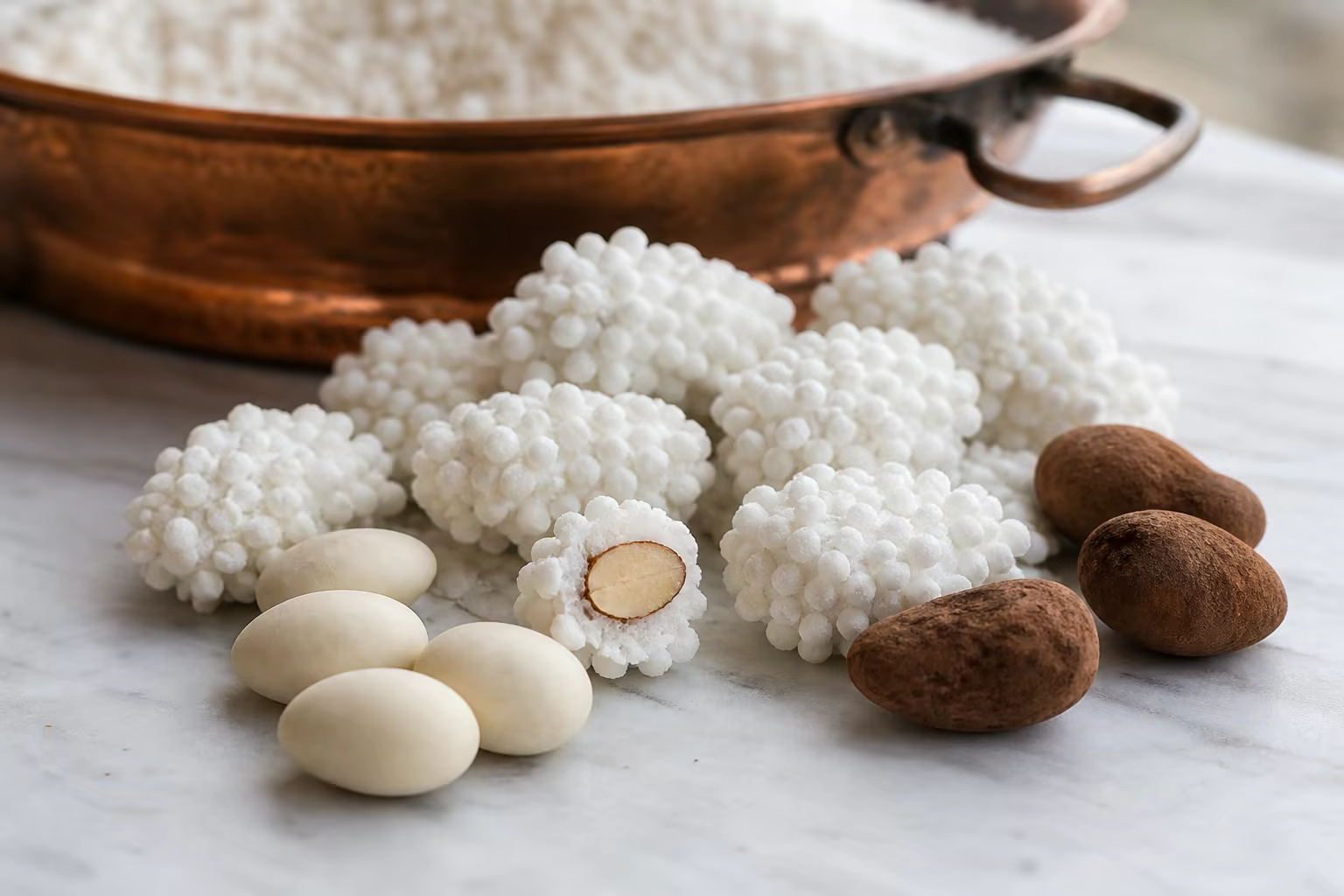
In its most classic form, the Moncorvo Covered Almond is a peeled, roasted sweet almond wrapped in a thick crust of white sugar, bristling with little peaks that build up turn after turn in the copper basin. Each one is a small, candid hedgehog the size of a thumb that breaks in the mouth with a dry crack before revealing the toasted, fragrant kernel inside.
It comes in three guises: the white or common, with pale shell and pronounced peaks; the brown or chocolate, bathed at the end in a cocoa-tinted syrup; and the peladinhas, with a fine, smooth coating and no spines at all. They are eaten by the handful, sold in boxes and bags, and are an essential fixture on the municipality's Easter tables — offered to visitors and carried home as a gift by those who leave.
More than a sweet, it is a piece of edible craftsmanship: the matt sheen of the sugar, the irregularity of the peaks and the surprising weight of each almond betray the many hours of patient work each batch demands.
- Peeled sweet almonds
- Sugar
- Water
- Chocolate or cocoa powder (brown variety)
A clean contrast between the sugar shell, which shatters dry and crisp, and the kernel of roasted almond within — warm, oily and fragrant. Frankly sweet, yet balanced by the gentle bitterness of a well-toasted nut.
Three types are made: the white (or common), with pronounced sugar peaks; the brown (or chocolate), given a cocoa-tinted coating at the end; and the smooth peladinhas, with a thin, even shell and none of the characteristic spines.
Look for it in the certified confectioners and producers of Torre de Moncorvo, above all around Easter; the IGP seal guarantees it was made within the municipality, by hand and in the copper basin. It also turns up in shops selling regional Trás-os-Montes produce.
It goes well with a strong coffee or a glass of Port; in Trás-os-Montes it sits happily beside a Moscatel or an aged regional brandy.
Exactly when almonds began to be sugar-coated in Moncorvo is not known with certainty, but the town's reputation was already well travelled: the Municipal Council exhibited the product at the Great Exhibition in London in 1851, and the publication Ilustração Transmontana documents the activity of the cobrideiras from at least 1908. The Grande Enciclopédia Portuguesa e Brasileira, in 1936, records that these almonds had "made the town celebrated throughout Portugal", and the proceedings of the Second Trás-os-Montes Congress, in 1942, describe a production method identical in every detail to the one still practised today.
The craft passed from woman to woman, hands protected by thimbles against the heat of the syrup, and has continued without interruption across the centuries, always bound to Easter and to popular festivals. In March 2018 the European Union recognised it as a Protected Geographical Indication, restricting the name to the municipality of Torre de Moncorvo, and in September 2019 it was voted one of the Seven Sweet Marvels of Portugal. The artisan confection has more recently been put forward as a candidate for Intangible Cultural Heritage status.
Well documented
Identity supported by institutional, specialist or corroborating sources.
- tradicional.dgadr.gov.pt/pt/cat/doces-e-produtos-de-pastelaria/275-amendoas-cobertas-de-moncorvo (opens in a new tab)
- cm-moncorvo.pt/pages/927 (opens in a new tab)
- dgadr.gov.pt/destaques/719-ue-reconhece-amendoa-coberta-de-moncorvo-como-indicacao-geografica-protegida (opens in a new tab)
- diariodetrasosmontes.com/reportagem/amendoa-coberta-de-moncorvo-e-rainha-da-docaria-regional (opens in a new tab)
Pastries from here — Trás-os-Montes
 Catalogue image
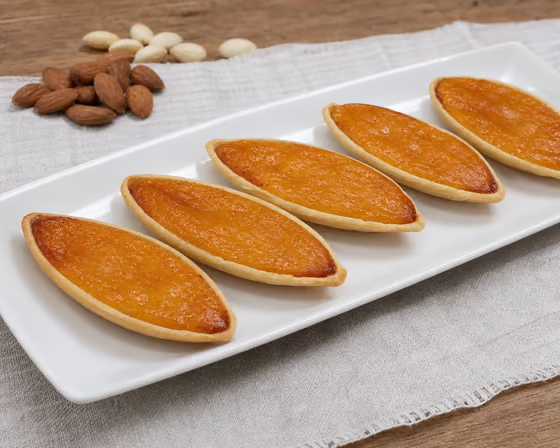
 Alfândega da Fé Almond Boats
Pale pastry boats with a glossy filling of yolk and Trás-os-Montes almonds.
Trás-os-Montes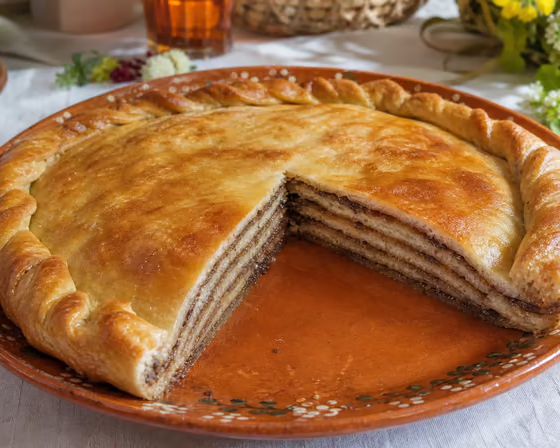 Catalogue image
 Mirandese Sweet Bola
The Easter bola that unravels in layers of sugar and cinnamon.
Trás-os-Montes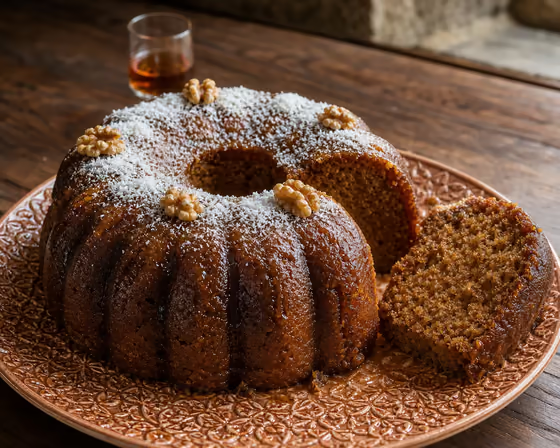 Catalogue image
 Douro Port-Soaked Cake
A rich egg-and-butter cake soaked while hot in a generous Port-wine syrup.
Trás-os-Montes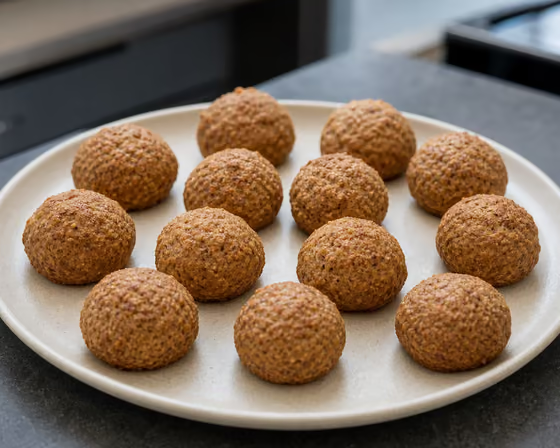 Catalogue image
 Bragança Walnut Cakes
Baked balls of egg white, sugar, walnut and cinnamon, documented in a twentieth-century cookbook but without confirmed living tradition in Bragança.
Trás-os-Montes