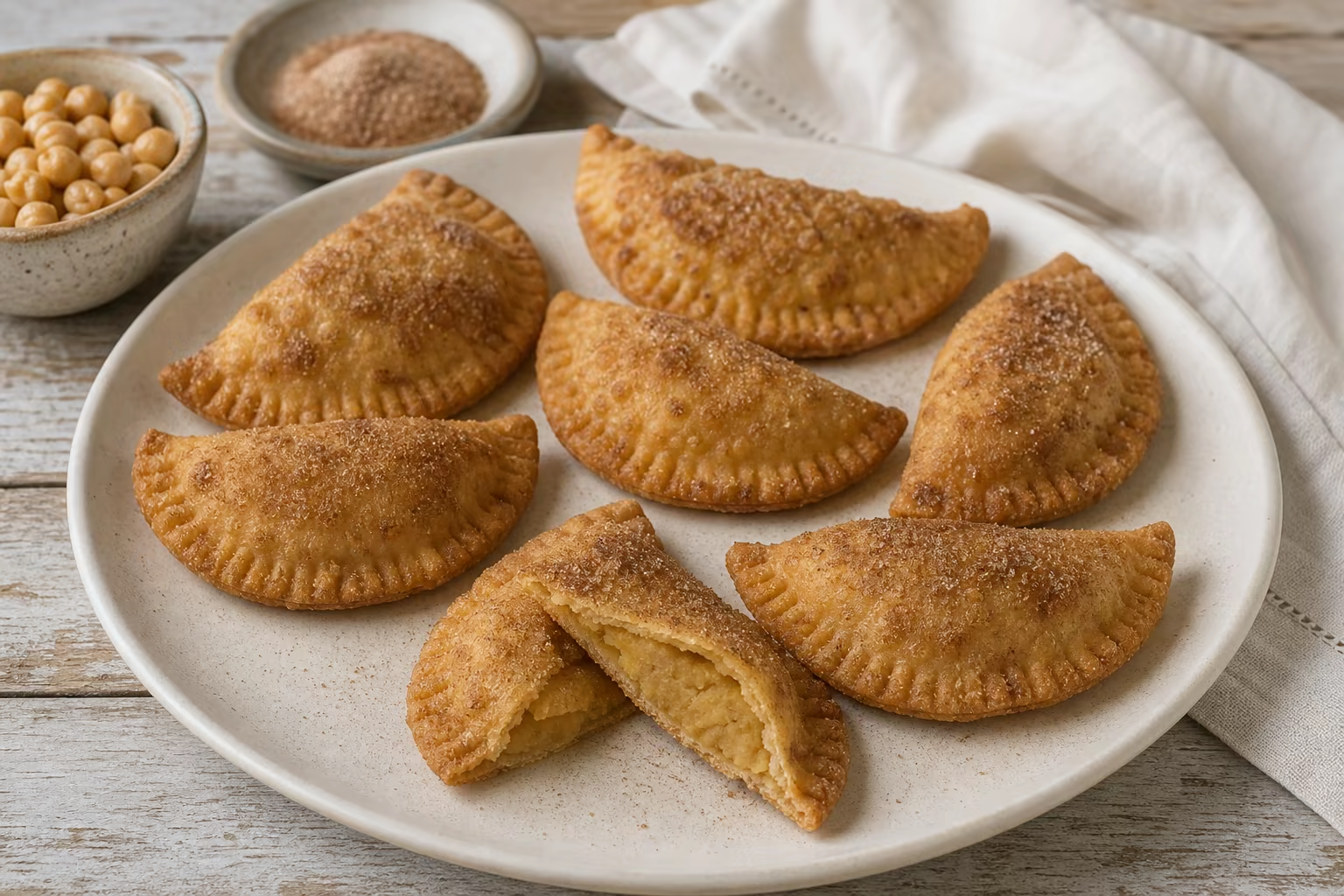
Peniche Chickpea Azevias
Also known as: Peniche Chickpea Azevias · Peniche Chickpea and Almond Turnovers
Thin fried half-moons with a sweet, creamy chickpea, almond and egg-yolk filling.
- Origin
- Peniche · Western Portugal
- Place
- Peniche
- Region
- The West
- Category
- Fried Sweets
- Season
- Christmas · Advent and Christmas Eve
- Evidence
- Well documented
Peniche azevias are small, flat, half-moon-shaped fried pastries. Thin, elastic dough encloses a sweet purée of chickpeas, ground almonds, egg yolks, sugar, cinnamon and citrus zest. The edge is sealed firmly, often with fork tines, before each piece is fried and coated in sugar and cinnamon.
Contrast defines the sweet: a lightly blistered, crisp shell outside and a dense, soft, subtly grainy cream within. Brandy or orange juice and zest may perfume the dough, while lemon frequently appears in the filling.
Portugal has azevias filled with sweet potato, beans, gila and other ingredients. The documented Peniche distinction is chickpea: Portugal's Directorate-General for Agriculture and Rural Development explicitly cites azevias de Peniche as a traditional example of this pulse used in confectionery.
- Wheat flour
- Lard or butter
- Water and brandy or orange juice
- Cooked chickpeas
- Blanched ground almonds
- Sugar
- Egg yolks
- Cinnamon and lemon zest
- Oil for frying
Sweet and aromatic with almond, cinnamon and citrus notes; chickpea supplies body and a velvety texture without making the filling savoury.
The ratio of almond to chickpea varies between recipes, as does the use of brandy, orange or lemon. Azevias elsewhere may contain sweet potato, beans or gila and should not automatically be treated as the Peniche version.
In Peniche, especially during Advent and Christmas, at pastry shops, markets and by order from local confectioners.
Espresso, black tea with lemon or sour-cherry liqueur.
Azevias de Peniche appears in Portugal's national list of traditional products. The DGADR entry on chickpeas, based on the 2001 Produtos Tradicionais Portugueses collection, goes beyond the name and identifies the Peniche sweet among the pulse's traditional culinary uses.
Azevia is an old family of Portuguese sweets and became strongly associated with Christmas tables. The word is also the Portuguese name of a flatfish; resemblance to the flattened pastry is a plausible popular explanation but does not by itself prove the word's origin. This page does not assign the Peniche version to a particular convent because the sources consulted do not establish that history.
Well documented
Identity supported by institutional, specialist or corroborating sources.
- eubrdialogues.com/sites/default/files/acoes/documentos/049xlix_lista_de_produtos_tradicionais_portugueses_v_19_0.pdf (opens in a new tab)
- tradicional.dgadr.gov.pt/pt/cat/outros-produtos-vegetais/306-grao-de-bico (opens in a new tab)
- giallozafferano.com/recipes/azevias.html (opens in a new tab)
- ruralea.com/azevias-tradicionais/ (opens in a new tab)
Pastries from here — The West
 Catalogue image
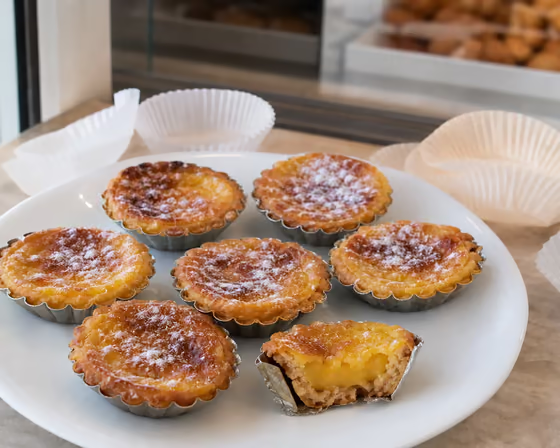
 Friends of Peniche
The sweet named after friends you should not trust.
The West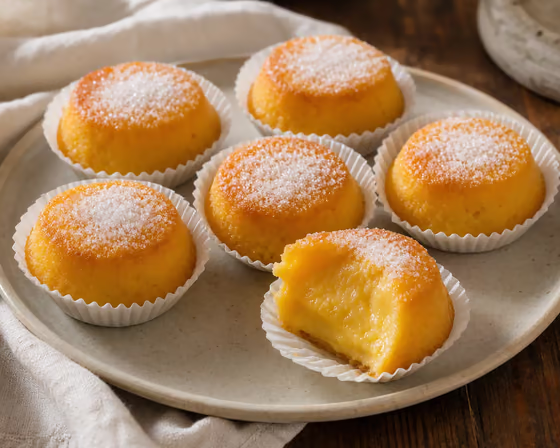 Catalogue image
 Areias Brancas
Small yolk-and-almond pudding cakes, named by the coast and covered with white sugar.
The West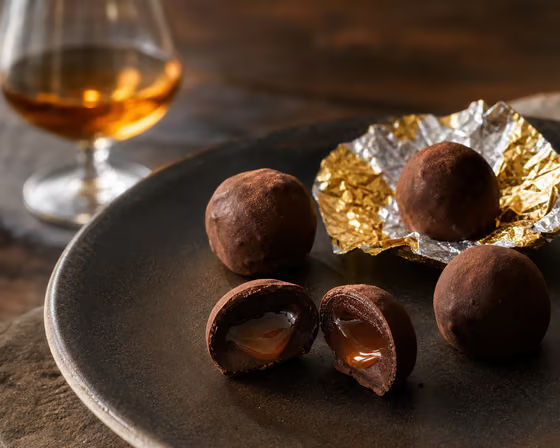 Catalogue image
 Lourinhã DOC Brandy Bonbon
A dark-chocolate bonbon with a Lourinhã DOC brandy heart.
The West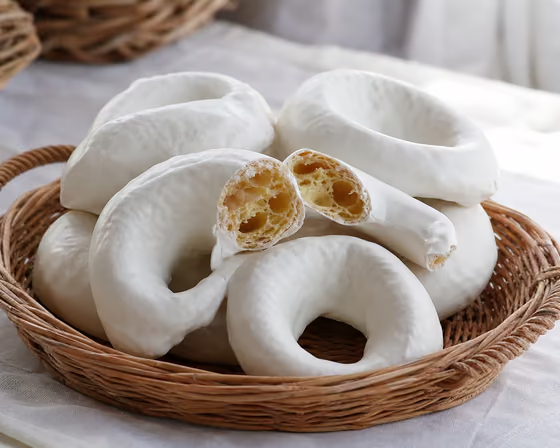 Catalogue image
 Cavacas das Caldas
Hollow, crackly shells dressed in glossy white sugar.
The West