Friends of Peniche
Also known as: Amigo de Peniche · Penichenses
The sweet named after friends you should not trust.
- Origin
- Peniche, Oeste · creation date undocumented
- Place
- Peniche
- Region
- The West
- Category
- Convent Sweets
- Season
- Year-round
- Evidence
- Limited documentation
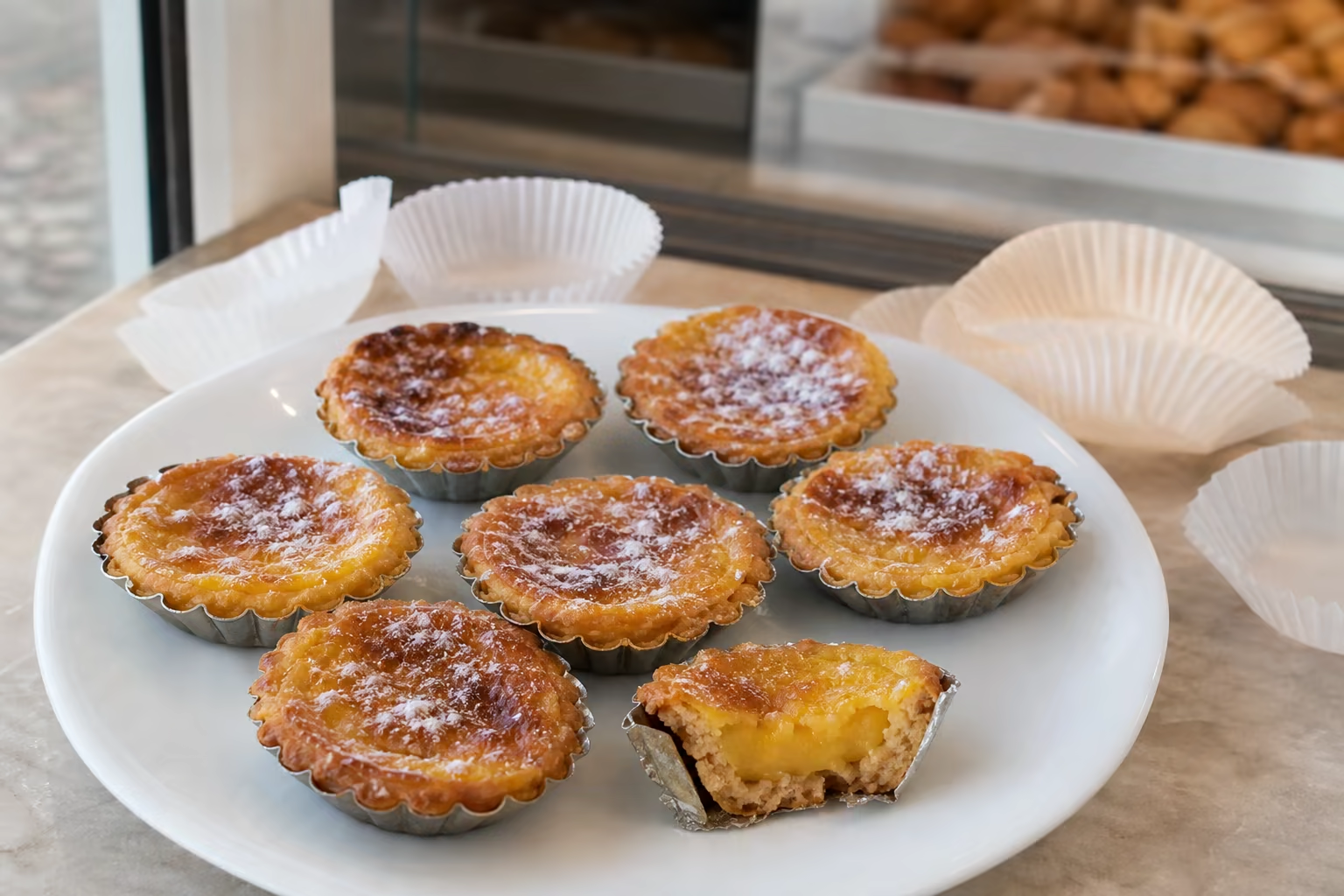
Amigos de Peniche are small pastries made with thin short pastry set in individual moulds and filled with a cream of sugar, eggs and almonds. Virgílio Nogueiro Gomes tasted Brismar's Amigos alongside Pastelaria Roma's Penichenses: he found them similar and identified the bean tart as a likely relative, without turning that comparison into a proven genealogy.
The commercial formula remains secret. The sources confirm short pastry and the filling's three components, but publish no proportions and do not justify making butter, lemon or cinnamon mandatory identifiers. Both pastry shops distributed with their sweets a text about the historical expression amigos de Peniche.
- Almonds
- Sugar
- Eggs
- Thin short pastry — composition and proportions undisclosed
Sweet and almond-led, contrasting thin short pastry with a soft cream of sugar, eggs and almonds. The sources do not publish a more precise technical tasting description.
Pastelaria Roma's Penichenses are a very similar product with their own name and producer. Because the formulas are private, no fixed public ingredient distinction can be established.
Pastelaria Brismar is documentarily linked with the Amigos de Peniche mark, while Pastelaria Roma makes Penichenses. Confirm current availability directly with the producer before making a special journey.
A full coffee or a short espresso cuts the sweetness; for a more festive finish, pair with a glass of moscatel or Port.
The expression amigos de Peniche predates the sweet and means false allies; it is popularly linked to the English expedition of 1589 in support of Dom António, Prior of Crato. This page separates linguistic tradition from culinary chronology: the reviewed sources establish neither the pastry's date nor its inventor.
Its commercial lineage is firmer. Virgílio Nogueiro Gomes records that Pastelaria Brismar acquired the registered Amigos de Peniche mark from the former Pastelaria Resgate, while Pastelaria Roma makes the more recent Penichenses. That documents brands and producers, not a convent recipe or an invention date.
Limited documentation
The identity is documented, but its origin, composition or availability has limited sourcing.
- pt.wikipedia.org/wiki/Amigo_de_Peniche_(culin%C3%A1ria) (opens in a new tab)
- virgiliogomes.com/index.php/cronicas/911-doces-de-peniche (opens in a new tab)
- pastelariasroma.pt/amigos-de-peniche-e-lenda-que-inspira-docaria-regional/ (opens in a new tab)
- cm-peniche.pt/visitar/turismo/gastronomia (opens in a new tab)
Pastries from here — The West
 Catalogue image
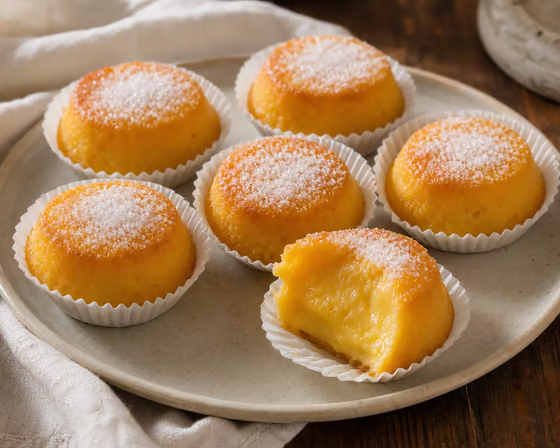
 Areias Brancas
Small yolk-and-almond pudding cakes, named by the coast and covered with white sugar.
The West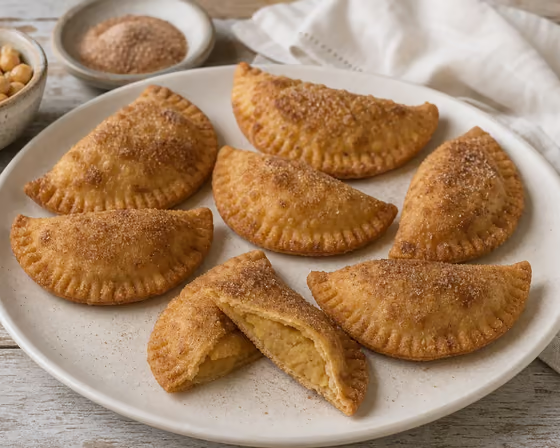 Catalogue image
 Peniche Chickpea Azevias
Thin fried half-moons with a sweet, creamy chickpea, almond and egg-yolk filling.
The West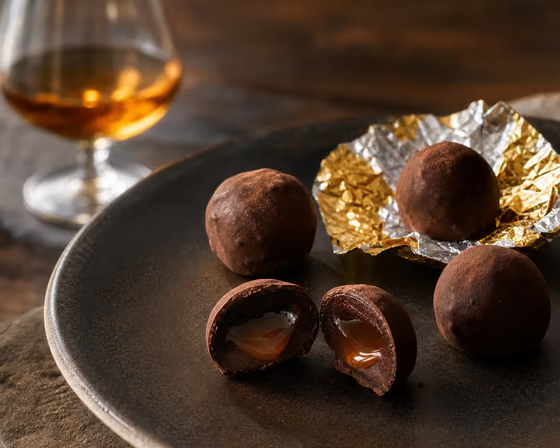 Catalogue image
 Lourinhã DOC Brandy Bonbon
A dark-chocolate bonbon with a Lourinhã DOC brandy heart.
The West Catalogue image
 Cavacas das Caldas
Hollow, crackly shells dressed in glossy white sugar.
The West