Madeira Honey Cake
Also known as: Cane Honey Cake
Madeira's dark Christmas cake, broken by hand and good for months.
- Origin
- Funchal, Madeira — 15th-16th century, with the introduction of sugarcane to the island
- Place
- Funchal
- Region
- Madeira
- Category
- Festive & Seasonal
- Season
- Christmas
- Evidence
- Well documented
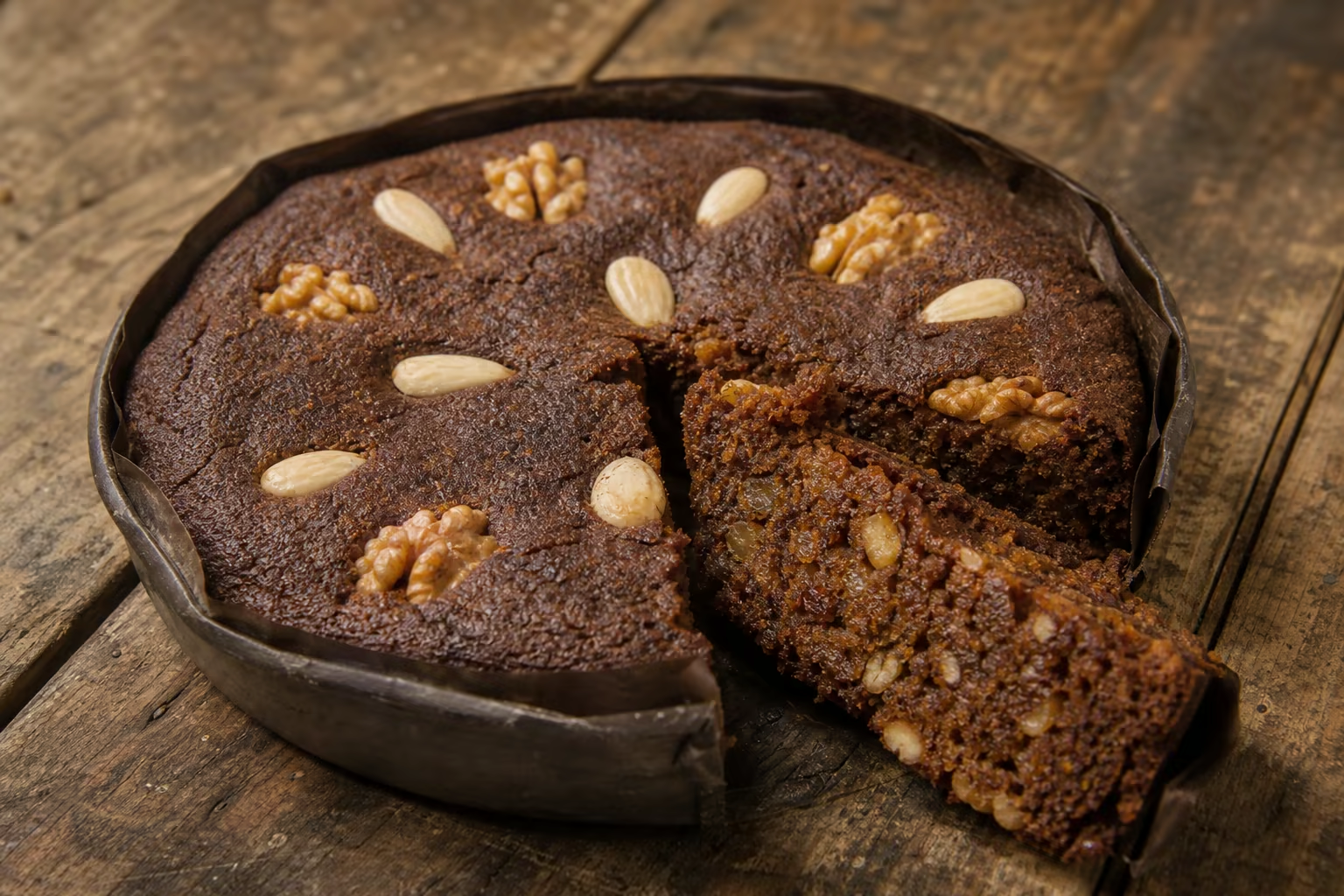
Bolo de Mel da Madeira is the archipelago's great Christmas cake: low, round and almost black, studded with walnuts, almonds and candied citron and crowned with whole nuts. Despite its name, its “honey” is mel de cana, the dark sugar-cane molasses once central to Madeira's prosperity.
Cinnamon, cloves, ginger and anise recall the spice and sugar routes that met in Funchal. Tradition says the yeasted, enriched cake should be made on 8 December so it matures by Christmas Eve—and that it must never be cut with a knife, only broken by hand.
- Cane molasses (mel-de-cana)
- Wheat flour
- Lard or butter
- Walnuts and almonds
- Candied citron
- Cinnamon, clove, ginger and aniseed
- Sugar
- Leavened dough (yeast)
Dense, moist and intensely aromatic. The cane molasses gives a dark, almost bitter-edged sweetness, far from plain sugar, balanced by the warmth of the spices and the bite of the nuts. The texture is compact and sticky, and the flavour deepens over days.
Some bakers use lard, others prefer butter, and the balance of spices and nuts shifts from family to family. Smaller versions exist — little bolinhos de mel — and lighter, less-spiced cakes tend to appear year-round for visitors. It should not be confused with broas de mel, which are biscuits, or with bolo preto da Madeira, another festive cake that also uses cane honey but includes beer and Madeira wine.
In Funchal, historic houses such as Fábrica Santo António (founded 1893) and Confeitaria Penha d'Águia are long-standing references. Look for cakes still sold round and low, dark from cane molasses rather than cocoa, and whose ingredient list names mel-de-cana, not bee honey.
It calls for a glass of Madeira wine — a sweet Malmsey or Bual — that echoes its dark, spiced notes. At home it is also served with a strong coffee or a cup of tea.
The cake's history is inseparable from Madeira's sugar industry. When the island became a major sugar-cane producer from the fifteenth century onward, cane molasses became plentiful and inspired an early form of the cake. European and eastern spices enriched it during the seventeenth and eighteenth centuries.
A popular story attributes the recipe to nuns at Funchal's Convent of Santa Clara, though official sources do not confirm a convent origin. What is certain is that cane molasses both sweetened and preserved the cake for months, an invaluable quality on an island before modern refrigeration.
Well documented
Identity supported by institutional, specialist or corroborating sources.
- tradicional.dgadr.gov.pt/pt/cat/doces-e-produtos-de-pastelaria/741-bolo-de-mel-da-madeira (opens in a new tab)
- visitmadeira.com/pt/o-que-fazer/apreciadores-de-gastronomia-e-vinho/gastronomia-tradicional/broas-e-bolo-de-mel/ (opens in a new tab)
- en.wikipedia.org/wiki/Bolo_de_mel (opens in a new tab)
- fabricastoantonio.com (opens in a new tab)
Pastries from here — Madeira
 Catalogue image
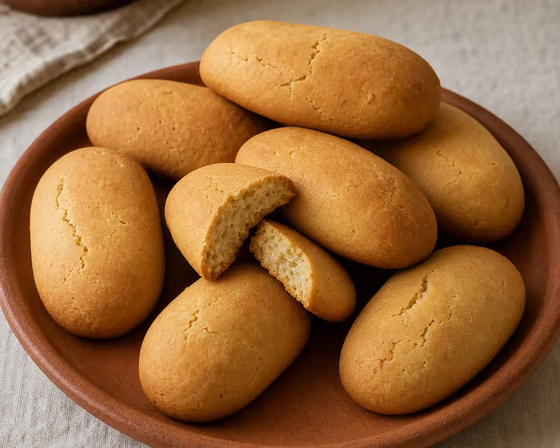
 Porto Santo Toasted Biscuits
Porto Santo's savoury biscuit, baked and then slowly toasted for hours.
Madeira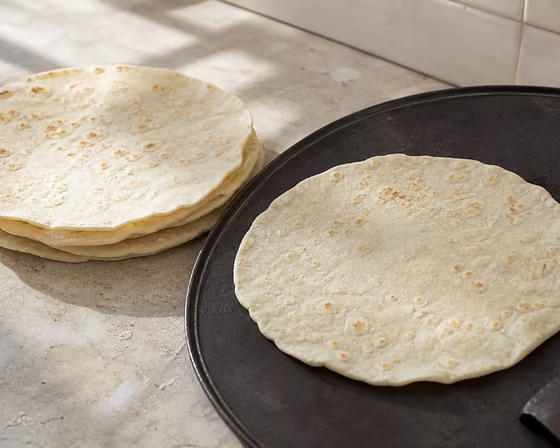 Catalogue image
 Porto Santo Jewish Unleavened Bread
A Porto Santo unleavened bread that one local source describes as barley, water and salt cooked on a griddle.
Madeira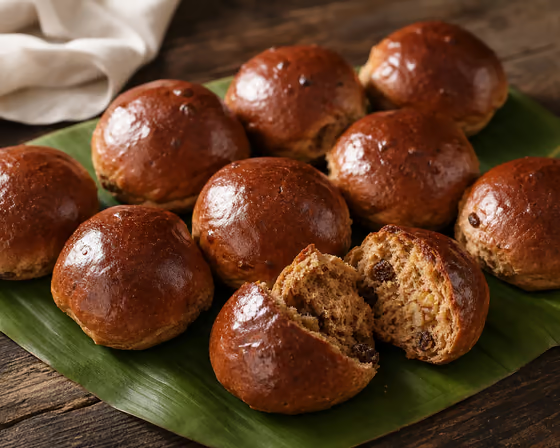 Catalogue image
 Madeira Bolo de Noiva
A spiced festive and wedding sweet bread baked as round portions on plant leaves.
Madeira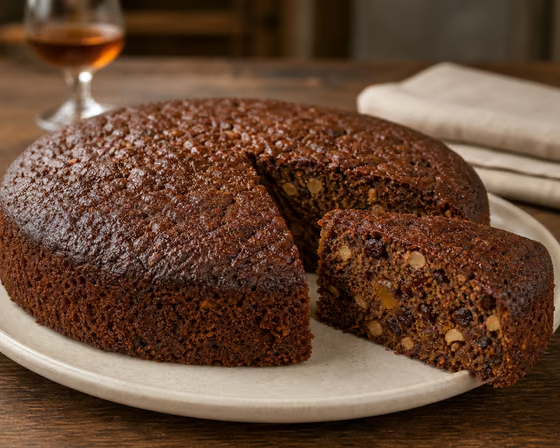 Catalogue image
 Madeira Family Cake
A large Madeiran sharing cake, moist with cane honey and threaded with fruit, walnuts and spice.
Madeira