Lorvão Pastries
Also known as: Lorvão Pastries · Pastries of Lorvão
The almond-and-yolk sweet the nuns of Lorvão once served even to Wellington.
- Origin
- Monastery of Santa Maria de Lorvão · conventual sweet celebrated since the French Invasions (1810)
- Place
- Lorvão
- Region
- The Centre
- Category
- Convent Sweets
- Season
- Year-round
- Evidence
- Well documented
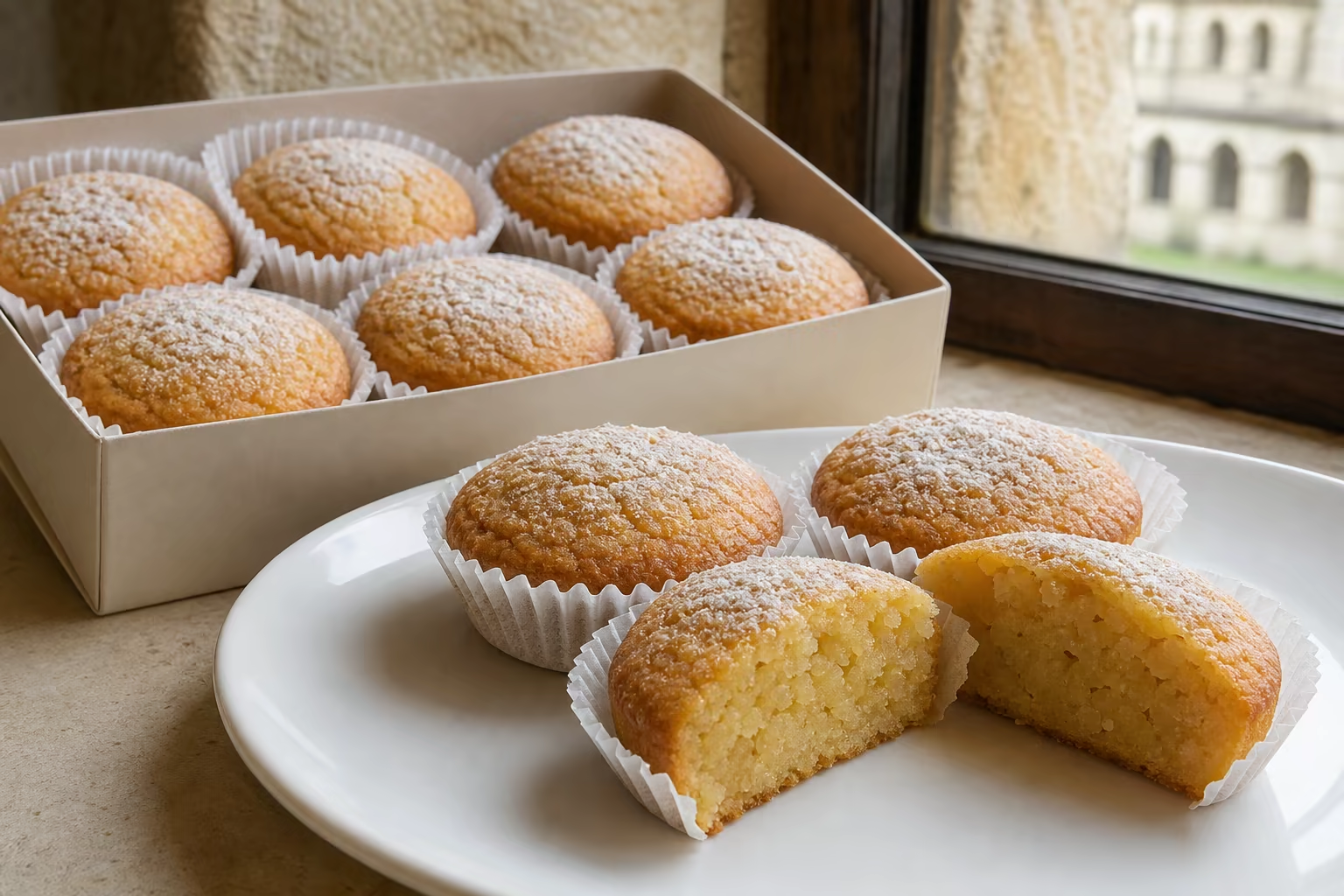
Pastéis de Lorvão are small conventual pastries of dense, moist dough — close cousins of the queijada — born in the kitchen of the Monastery of Santa Maria de Lorvão, nestled against the hills of Buçaco. Beneath a golden, icing-sugar-dusted crust lies a soft filling of ground almond and egg yolk, scented with cinnamon and lemon zest.
They are sold individually, the size of a palm-sized queijada, with a top that crackles slightly from the oven. Their texture is the secret: firm in the crust, but deep and almost creamy within, never dry. They are eaten at room temperature, after a meal or in the mid-afternoon.
Traditionally they are packed in pleated paper boxes in the manner of old regional pastry shops, which reinforces their air of convent gift and keepsake.
- Sugar
- Almond kernels (blanched and ground)
- Egg yolks
- Egg whites
- Flour
- Butter
- Lemon zest
- Cinnamon
- Icing sugar (for dusting)
Sweet and almondy, with the warmth of cinnamon and a citrus lift of lemon zest to lighten the richness of the yolk. The crust is thin and lightly toasted; the inside is deep, moist and tender, almost creamy.
The proportions of almond, yolk and flour vary from one bakery to another, changing how dense the centre turns out. It belongs to the same family as the conventual sweets of Coimbra and Buçaco, sharing ingredients with the region's queijadas and tigeladas.
You will find them in the bakeries and shops of Lorvão and the Penacova area, in the district of Coimbra, often boxed in pleated paper. A visit to the Monastery of Lorvão itself is the perfect excuse to taste them at source.
They call for a strong coffee or an espresso to cut the richness of the yolk. In the afternoon they sit well with tea; for something more festive, pair them with a glass of Port or Moscatel.
The recipe belongs to the great tradition of conventual confectionery from Coimbra and the Mondego valley, where an abundance of egg yolks and almonds gave rise to dozens of sweets. At the Monastery of Santa Maria de Lorvão — a monastic house of very ancient origin occupied by Cistercian nuns — the sisters refined these pastries until they became celebrated far beyond the convent walls.
Their fame was sealed during the Peninsular War: during the French Invasions of 1810, General Wellington and his men, quartered in the region, are said to have appreciated the nuns' sweets. When the religious orders were suppressed in the nineteenth century, the recipe passed to local families, who kept it and continue to make it, keeping the sweet alive in the bakeries of the area.
Well documented
Identity supported by institutional, specialist or corroborating sources.
- tradicional.dgadr.gov.pt/pt/cat/doces-e-produtos-de-pastelaria/1093-pasteis-de-lorvao (opens in a new tab)
- tradicional.dgadr.gov.pt/en/categories/desserts-and-pastry/1093-pasteis-de-lorvao (opens in a new tab)
- viagens.sapo.pt/saborear/gastronomia/artigos/pasteis-de-lorvao-o-doce-das-freiras-que-conquistou-a-regiao (opens in a new tab)
- on-centro.pt/index.php/pt/news/item/996-o-doce-conventual-que-conquistou-os-invasores-franceses (opens in a new tab)
- lifecooler.com/artigo/comer/pasteis-de-lorvao/329390 (opens in a new tab)
Pastries from here — The Centre
 Catalogue image
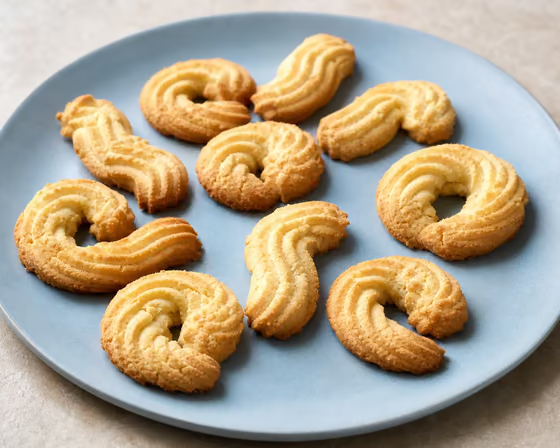
 Ílhavo Piped Butter Biscuits
Regional buttery biscuits piped into deeply ridged rings and curves.
The Centre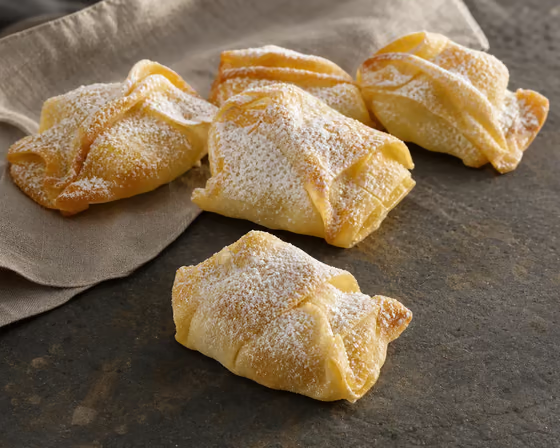 Catalogue image
 Saint Friar Gil’s Saddlebags
The small saddlebag-shaped pastry created at Vouzela’s vocational school and recognised as an innovative sweet.
The Centre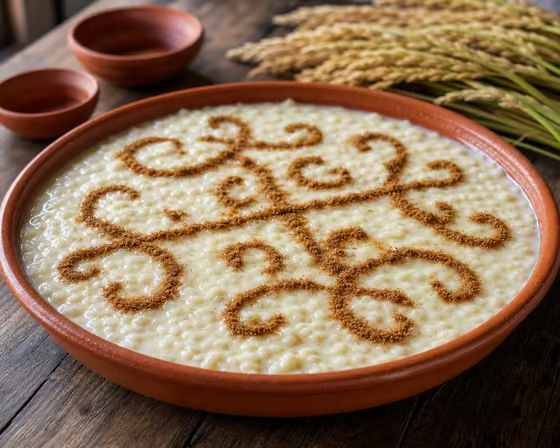 Catalogue image
 Baixo Mondego Rice Pudding
Mondego Carolino rice and Gândara milk, traced with cinnamon.
The Centre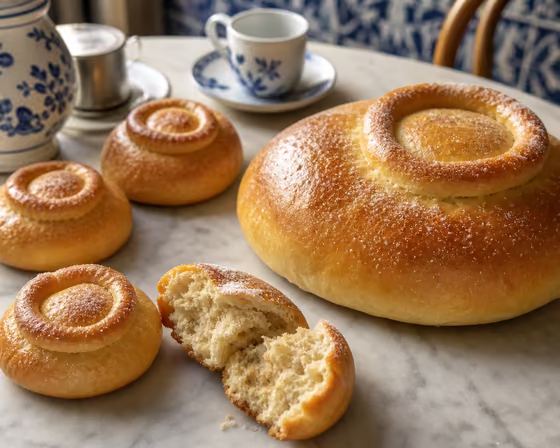 Catalogue image
 Arrufada de Coimbra
Coimbra's light, fragrant sweet bread, given by godparents at Easter.
The Centre