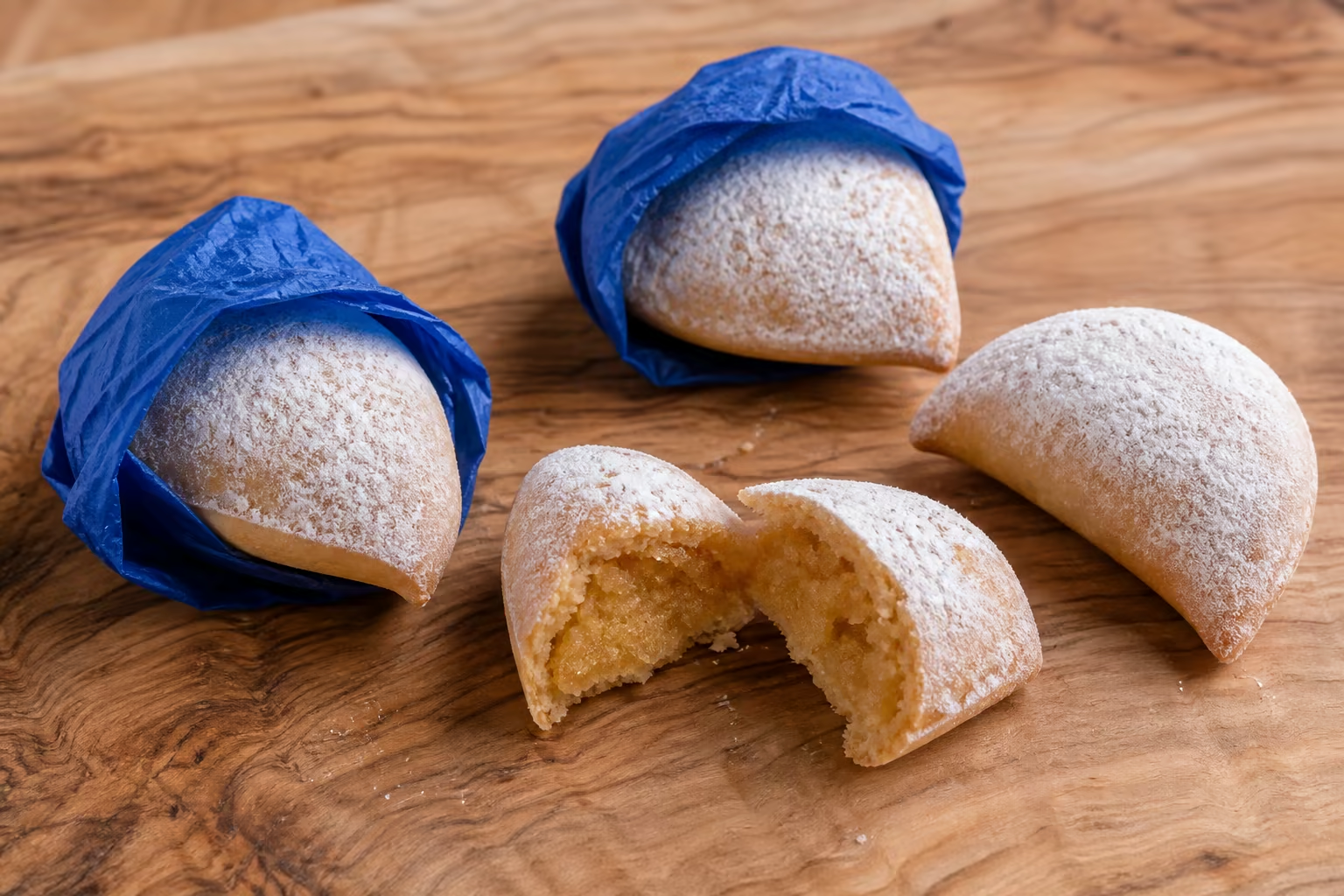
Santa Clara Pastries
Also known as: Santa Clara Pastry · Coimbra Santa Clara Pastries · Half-moon
Coimbra's golden half-moon, crisp pastry hiding almond and egg yolk.
- Origin
- Coimbra; convent confectionery traditionally attributed to the Convent of Santa Clara.
- Place
- Coimbra
- Region
- The Centre
- Category
- Convent Sweets
- Season
- Year-round
- Evidence
- Well documented
Pastéis de Santa Clara are small crescents of thin crisp pastry made with flour, butter and cold water, filled with ground blanched almonds bound with egg yolk. Unlike savoury pastéis that are fried, these are brushed with egg, baked until golden and dusted with sugar.
Their brittle shell conceals a soft fragrant almond centre. They are a symbol of Coimbra's convent confectionery alongside arrufadas and pastéis de Tentúgal, part of the Beira Litoral tradition in which convent kitchens transformed eggs, sugar and almonds into recipes that survived the dissolution of the religious houses.
- Flour
- Butter
- Cold water
- Peeled and ground almonds
- Sugar
- Egg yolks
- Egg (for the wash)
- Icing sugar (for dusting)
The first bite shatters, then gives way to a dense, moist filling — sweet but never cloying, with the buttery, earthy taste of almond lifted by egg yolk. The dusting of sugar adds a dry, fine edge that balances the richness inside.
The filling stays largely faithful to almond and yolk, though some houses make it creamier or firmer, and a few add a hint of lemon or cinnamon. The pastry ranges from a crumbly, shortbread-like shell to a thinner, more pliable one. Beyond Coimbra, the same sweet sometimes turns up shaped as a star or heart as well as the half-moon. Do not confuse this baked version with Beja's Pastéis de Santa Clara, which are fried and filled with chickpea and chila.
Look for them in Coimbra's traditional pastry shops, especially in the Baixa and around the University. They also appear, alongside arrufadas and pastéis de Tentúgal, at Coimbra's Mostra de Doçaria Conventual e Regional, usually held in October. Ask specifically for the Coimbra version: it is recognised by its baked half-moon, thin shell and generous almond filling.
They call for a strong coffee or a short espresso to cut the almond's sweetness. For something more festive, a glass of Port or Moscatel echoes the almond and egg-yolk notes.
Pastéis de Santa Clara are traditionally attributed to Coimbra's Convent of Santa Clara, founded in the late thirteenth century and closely associated with Queen Saint Elizabeth. Sugar, abundant yolks and almonds in women's monasteries produced some of the region's most celebrated convent sweets.
Tradition says nineteenth-century financial hardship led the nuns to sell the pastries to University of Coimbra students. After the religious orders were dissolved, the recipe moved into city confectioneries, preserving its buttery dough, almond-yolk filling and crescent shape. Similar pastries in other towns reflect the wider network of Poor Clare convents.
Well documented
Identity supported by institutional, specialist or corroborating sources.
- tradicional.dgadr.gov.pt/pt/cat/doces-e-produtos-de-pastelaria/207-pasteis-de-santa-clara (opens in a new tab)
- cozinhatradicional.com/pasteis-de-santa-clara-coimbra/ (opens in a new tab)
- coimbra.pt/2019/10/mostra-de-docaria-conventual-e-regional-de-coimbra-este-fim-de-semana-no-quartel-da-brigint-2/ (opens in a new tab)
- tasteatlas.com/pastel-de-santa-clara (opens in a new tab)
Pastries from here — The Centre
 Catalogue image
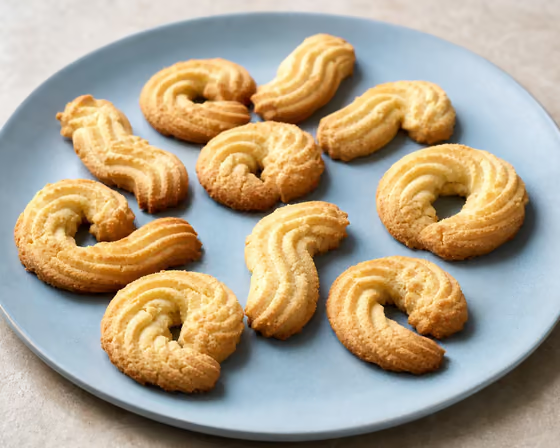
 Ílhavo Piped Butter Biscuits
Regional buttery biscuits piped into deeply ridged rings and curves.
The Centre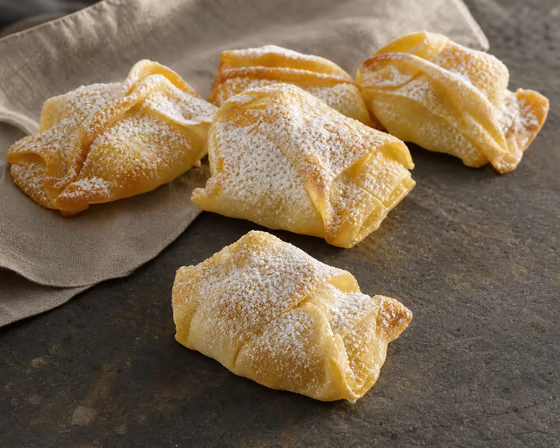 Catalogue image
 Saint Friar Gil’s Saddlebags
The small saddlebag-shaped pastry created at Vouzela’s vocational school and recognised as an innovative sweet.
The Centre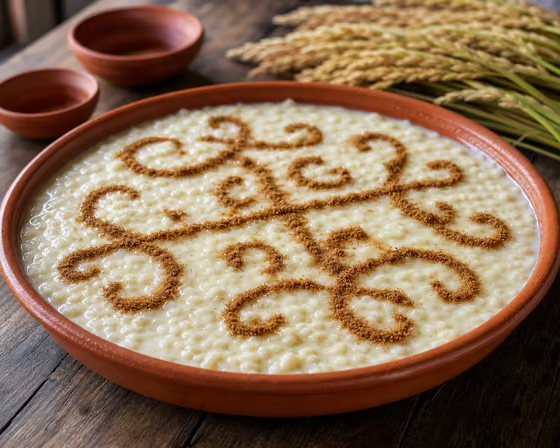 Catalogue image
 Baixo Mondego Rice Pudding
Mondego Carolino rice and Gândara milk, traced with cinnamon.
The Centre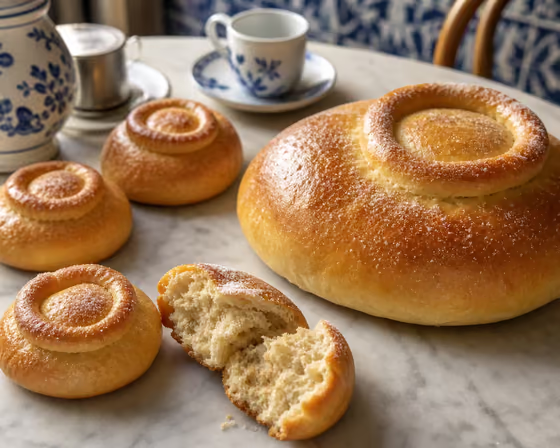 Catalogue image
 Arrufada de Coimbra
Coimbra's light, fragrant sweet bread, given by godparents at Easter.
The Centre