Queijada de Sintra
Also known as: Sintra cheese tart
Tiny fresh-cheese-and-cinnamon tarts with a rim pinched by hand.
- Origin
- Sintra · documented since at least the 13th century
- Place
- Sintra
- Region
- Sintra
- Category
- Convent Sweets
- Season
- Year-round
- Evidence
- Well documented
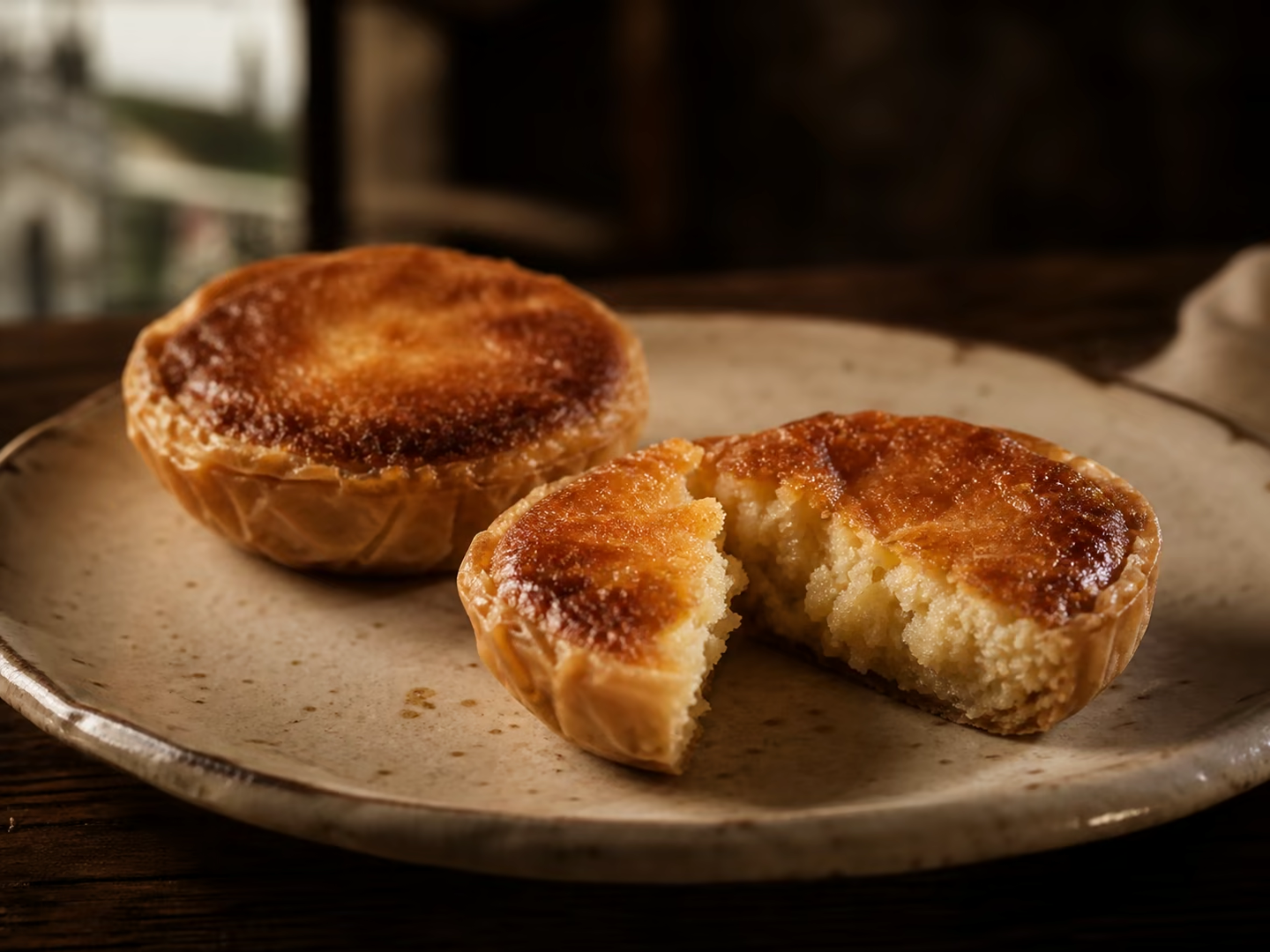
The queijada de Sintra is one of Portugal's oldest sweets. It is a small tart, barely five centimetres across, with a thin, dry pastry case filled with fresh cheese, egg yolks, sugar and cinnamon. The rim is pinched by hand into an irregular frill, and the surface rises and wrinkles in the oven, freckled with toasted spots.
It is traditionally sold in bundles of six, paired two by two and wrapped in a sheet of thin paper — a classic image of the streets of Sintra, where sellers once hawked them near the village and the railway station.
- fresh cheese (queijo fresco)
- egg yolks
- sugar
- flour
- butter
- cinnamon
- salt
A thin, dry, brittle shell and a dense, faintly grainy fresh-cheese filling, warmed by fragrant cinnamon. Less sugary than most convent sweets — here the cheese leads.
The name 'queijada' travels the whole country, but every town has its own: those of Évora carry more egg, Madeira's are tall and fluffy, and those of Pereira (near Tentúgal) are another school entirely. Sintra's is set apart by its very thin shell and the fresh cheese that dominates the filling.
At the historic houses of Sintra: the Fábrica das Verdadeiras Queijadas da Sapa, the oldest of them, and Casa Piriquita, in the old town (founded in 1862 and best known for its travesseiros, but also for its queijadas). Look for wrinkled shells and a strong cheese presence, and eat them the same day.
A short coffee to cut the cheese; or, in the old style, a glass of Carcavelos wine, a fortified wine made just next door, between the Sintra hills and the sea.
Unlike so many Portuguese sweets, the queijada de Sintra was not born in a convent but in the countryside: documents kept in the Torre do Tombo archive show queijadas being used to pay feudal dues to the crown as early as 1227, in the reign of King Sancho II. For centuries they were a home-made sweet, prepared by the women of the farms around the hills from the fresh cheese they produced.
Commercial production is thought to have begun in the mid-18th century — a Maria Sapa, in Ranholas, is credited with selling some twenty dozen a day. In time it settled into dedicated factories and family workshops, which still guard their recipes jealously and give Sintra its permanent scent of cinnamon and warm cheese.
Well documented
Identity supported by institutional, specialist or corroborating sources.
- tradicional.dgadr.gov.pt/pt/cat/doces-e-produtos-de-pastelaria/213-queijadas-de-sintra (opens in a new tab)
- visitsintra.travel/pt/comer-beber/sabores-regionais/queijadas (opens in a new tab)
- pt.wikipedia.org/wiki/Queijada_de_Sintra (opens in a new tab)
- piriquita.pt (opens in a new tab)
- en.wikipedia.org/wiki/Carcavelos_DOC (opens in a new tab)
Pastries from here — Sintra
 Catalogue image
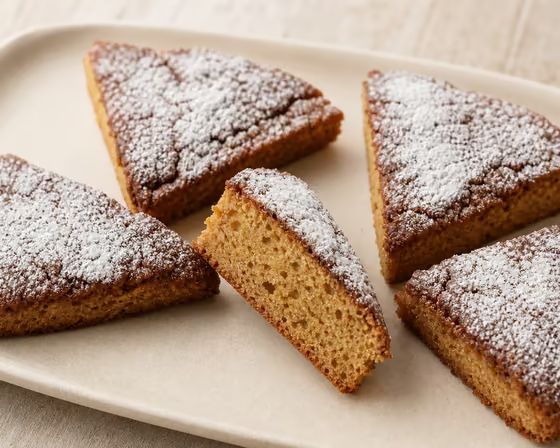
 Agualva Cinnamon Triangles
Dark cinnamon triangles with lemon, airy crumb and a coat of sugar.
Sintra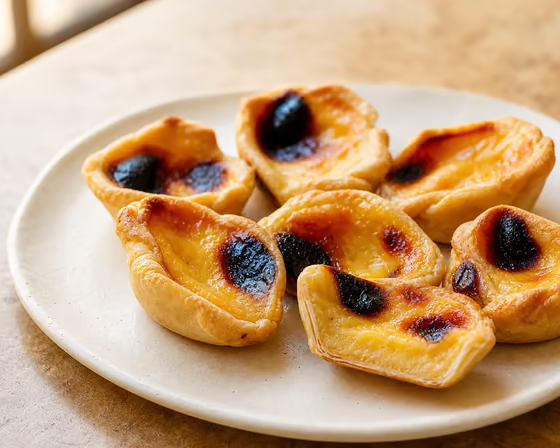 Catalogue image
 Paiões Lembrados
Small golden, blistered festival pastries that Paiões bakes only once a year.
Sintra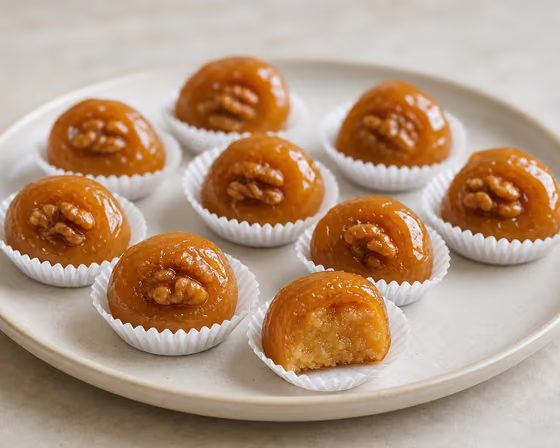 Catalogue image
 Galamares Golden Nuts
Yolk and sugar beneath caramel and walnut in the historical formula; almonds in the current version.
Sintra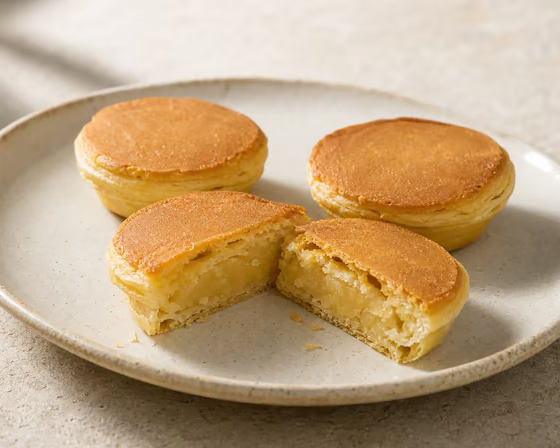 Catalogue image
 Cruz Alta Pastry
Crisp puff pastry around egg cream, almond and white bean.
Sintra