Queen Cake
Also known as: Queen's Cake
Bolo-rei's sister, minus the candied fruit: just soft brioche, nuts and dried fruit.
- Origin
- A more recent variant of bolo-rei, tied to Portugal's pastry houses, chiefly out of Lisbon.
- Place
- Nationwide
- Region
- Nationwide
- Category
- Festive & Seasonal
- Season
- Christmas
- Evidence
- Well documented
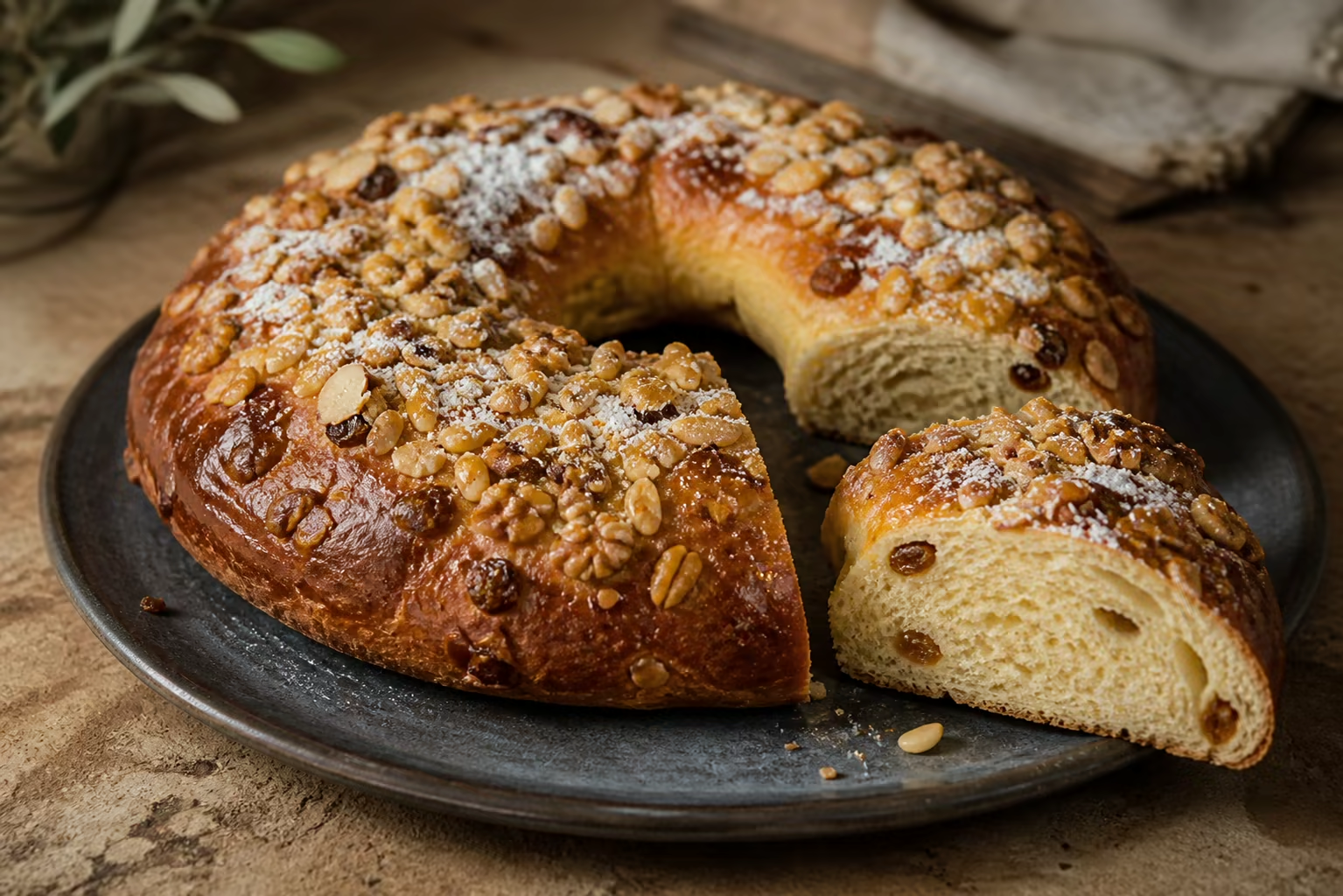
The bolo-rainha is the calm answer to bolo-rei. The same enriched, buttery yeast dough, the same golden crown with the hole in the middle, but without the candied fruit that so divides the Christmas table. In place of the gaudy fruits comes a generous load of nuts and dried fruit — almonds, pine nuts, walnuts, sometimes hazelnuts and raisins — toasted in the oven and sunk into the dough.
It's the cake for those who wrinkle their nose at candied pumpkin and citron yet won't give up their Christmas crown. Beneath the layer of nuts and the dusting of icing sugar hides the same dried fava bean and, traditionally, the same surprise trinket as its older brother.
It's sliced throughout the festive season, from Christmas dinner to Twelfth Night, usually as an excuse for one more coffee and one more conversation.
- Wheat flour
- Baker's yeast
- Eggs
- Butter
- Sugar
- Almonds
- Pine nuts
- Walnuts
- Raisins
- Port wine and aguardente
- Lemon and orange zest
The dough is light, fluffy and faintly spongy, scented with citrus and, in many recipes, Port and aguardente. It's noticeably less sweet than bolo-rei: the sweetness comes mostly from the dusting of icing sugar and the honey glaze on the crown. Toasted nuts take centre stage, lending a buttery, crunchy texture against the soft crumb.
Some keep the crown strictly free of any candied fruit; others tuck a little gila (chila squash) jam inside. There are filled versions — with egg cream or chila jam — and modern gluten-free or reduced-sugar takes. The mix of nuts and dried fruit varies from house to house and region to region.
At traditional pastry shops across the country during the Christmas season, always beside the bolo-rei. Confeitaria Nacional in Lisbon — the house that brought bolo-rei to Portugal — is the historic reference. Look for a fluffy crumb and well-toasted nuts, not a dry industrial stand-in.
A slice with a strong coffee or tea; at the Christmas table it pairs beautifully with a glass of Port, Moscatel, or sparkling wine.
Bolo-rei arrived in Portugal via Confeitaria Nacional in Lisbon around 1869-1870, adapted from a French gâteau des rois. The bolo-rainha emerged later as a variation on the same recipe: it keeps the rich dough and the crown shape but swaps candied fruit for nuts and dried fruit, in a more sober, less sugary gesture. Its exact invention isn't documented and is generally credited to the pastry houses already making bolo-rei.
Worth noting: the surprise trinket once hidden in the dough is no longer the rule in commercial production after Portuguese legislation of 1999-2001 on trinkets in food; the dried fava bean survives more often. Today bolo-rainha is a fixture in pastry shops from north to south during Christmas, sold side by side with bolo-rei and chosen by those who'd rather skip the candied fruit — a divide in taste that, year after year, enlivens Portuguese tables.
Well documented
Identity supported by institutional, specialist or corroborating sources.
- pt.wikipedia.org/wiki/Bolo-rei (opens in a new tab)
- pingodoce.pt/frescos/padaria/bolo-rei-rainha-origens-receitas/ (opens in a new tab)
- pingodoce.pt/receitas/bolo-rainha/ (opens in a new tab)
- lojascomhistoria.pt/lojas/confeitaria-nacional (opens in a new tab)
- rtp.pt/noticias/pais/brinde-no-bolo-rei-e-tradicao-nao-proibicao_n1050031 (opens in a new tab)
- jornaleconomico.sapo.pt/noticias/estas-foram-as-leis-que-impediram-o-brinde-no-bolo-rei-529114/ (opens in a new tab)
Pastries from here — Nationwide
 Catalogue image
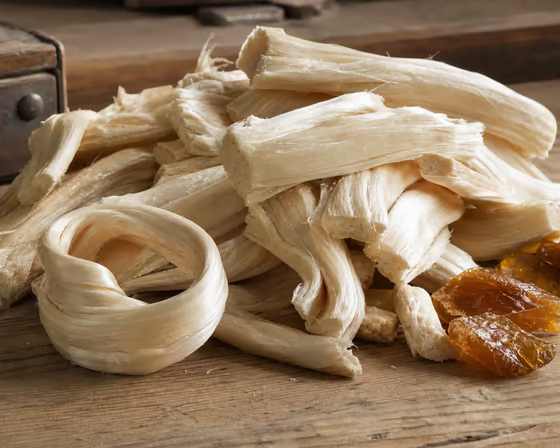
 Alféloa
Sugar or molasses cooked to a hard stage and worked until pale.
Nationwide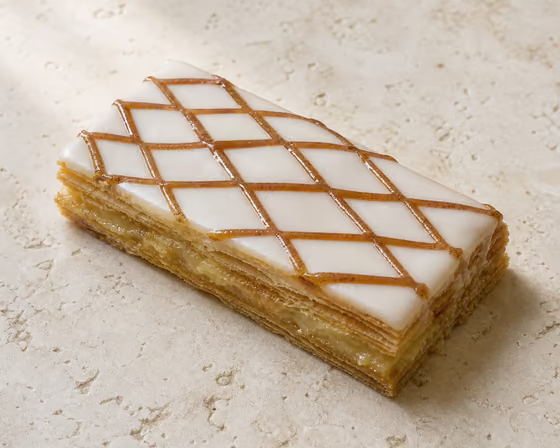 Catalogue image
 Portuguese Gila Allumette
A rectangular puff pastry with cream, gila and cinnamon beneath diamond-patterned royal icing.
Nationwide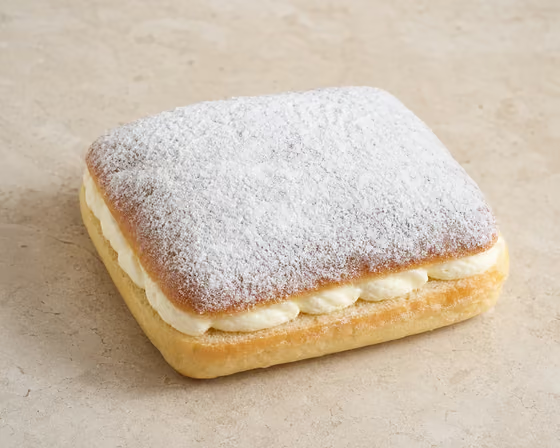 Catalogue image
 Portuguese Brioche Almofada
Light brioche dough, fresh buttercream and icing sugar.
Nationwide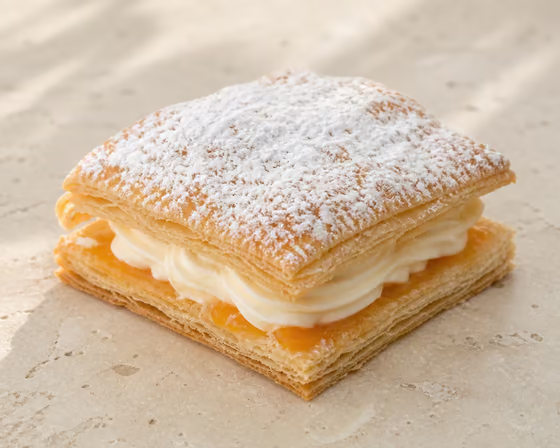 Catalogue image
 Portuguese Puff-Pastry Almofada
Puff pastry with white cream, egg sweet and icing sugar—the laminated Almofada variant.
Nationwide