Azevias
Also known as: Empanadilhas · Chickpea azevias · Sweet potato azevias
Crisp fried half-moons stuffed with cinnamon-scented chickpea or sweet potato.
- Origin
- Alentejo and Algarve, an old sweet tied to Christmas and Carnival
- Place
- Alentejo · Algarve
- Region
- The Alentejo
- Category
- Fried Sweets
- Season
- Christmas and Carnival
- Evidence
- Well documented
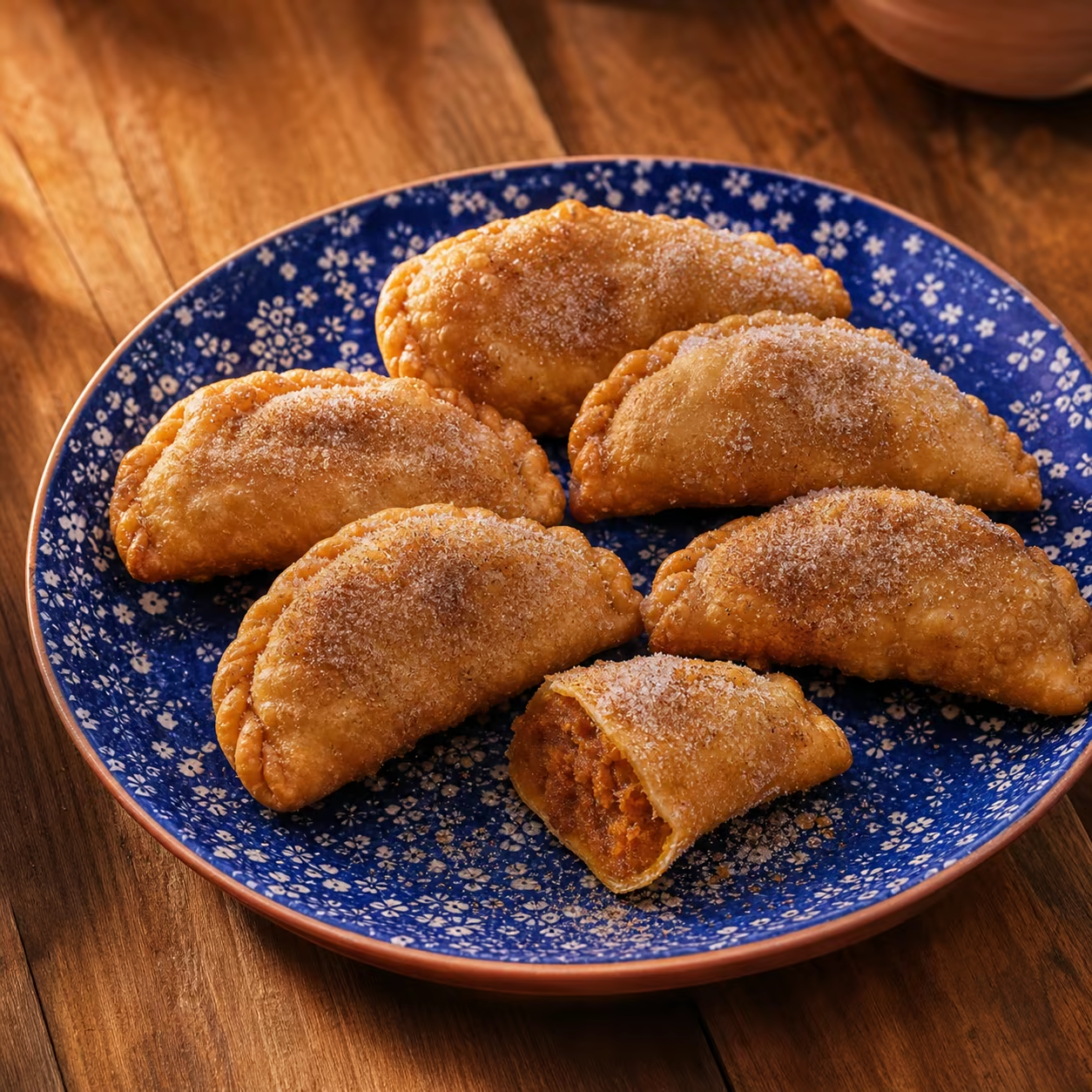
Azevias are fried half-moon pastries of thin, crisp dough, filled with a creamy sweet of chickpea or sweet potato scented with cinnamon and lemon. Fried in very hot olive oil or oil, they are dusted with sugar and cinnamon while still warm.
They are a tray sweet, made in great quantity for family and neighbours, above all in the Alentejo and the Algarve. The dough is rolled until you can almost see through it, the filling is folded inside, and the tines of a fork or the fingers seal the edges in waves.
In the Algarve they are often called empanadilhas; in the Alentejo they are simply azevias. The name shifts from region to region, whether or not the filling does.
- Chickpeas (or sweet potato)
- Sugar
- Cinnamon
- Lemon zest and juice
- Flour
- Olive oil (in the dough and for frying)
- Egg
- Lard
- Almonds (optional)
The shell shatters crisply onto a soft filling, sweet and fragrant with cinnamon and lemon, carrying the earthy, almost buttery note of chickpea or the velvety sweetness of sweet potato. The sugar and cinnamon outside leave a warm, rustic finish.
The two great families are chickpea azevias, more associated with the Alentejo, and sweet potato ones, the Algarve's signature. There are also versions with squash (gila), with white beans or enriched with almond, and cooks who insist on frying in olive oil rather than seed oil. The thinness of the dough and the dose of cinnamon shift from house to house.
They are rare in pastry shops and shine mostly in family kitchens and at the Christmas fairs and markets of the Alentejo and Algarve. Look for them in regional sweet shops in Évora, Beja, Faro or Loulé around Christmas and Carnival, or beg a friend with an Alentejo or Algarve grandmother.
They call for a sweet southern wine, such as a Setúbal fortified or a Moscatel, or simply a strong espresso. At Christmas they sit happily beside filhós and the other fried treats of the festive table.
A humble and ancient sweet, the azevia shares its name with a flat, elongated fish, Microchirus azevia, whose shape these pastries echo. The recipes reach us from the convent confectionery of the south, appearing in sources such as the recipe book of the Convento de Santa Clara, and their spread owes much to the dissolution of the religious orders in the 19th century, when the art of sweet-making left the cloisters for the homes of country folk.
The filling shifted with whatever was on hand, hence chickpea, sweet potato, squash (gila) or bean. It is a sweet of few ingredients and much labour, made traditionally on Christmas Eve and at Carnival, when frying azevias was an occasion to gather the family around the table.
Well documented
Identity supported by institutional, specialist or corroborating sources.
- tradicional.dgadr.gov.pt/pt/cat/doces-e-produtos-de-pastelaria/157-azevia (opens in a new tab)
- tradicional.dgadr.gov.pt/pt/cat/doces-e-produtos-de-pastelaria/175-empanadilhas (opens in a new tab)
- pt.wikipedia.org/wiki/Azevia_(doce) (opens in a new tab)
- en.wikipedia.org/wiki/Microchirus_azevia (opens in a new tab)
- fototeca.cm-lagos.pt/gastronomia/pasteis-de-batata-doce (opens in a new tab)
- outsider.pt/azevias-de-batata-doce-do-algarve-receita-antiga-tradicional-e-repleta-de-sabor/ (opens in a new tab)
Pastries from here — The Alentejo
 Catalogue image
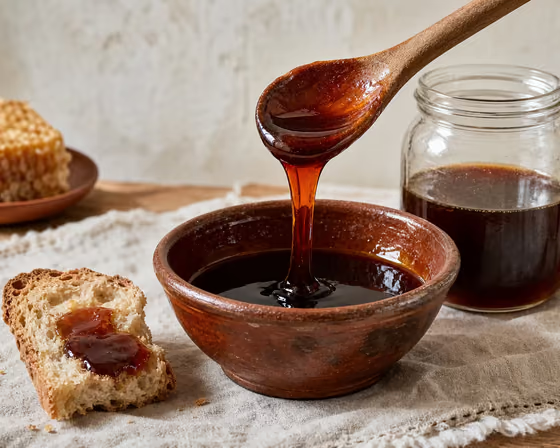
 Portuguese Água-mel Syrup
Water that recovers honey from combs after extraction, filtered and reduced for hours to 70–77° Brix.
The Alentejo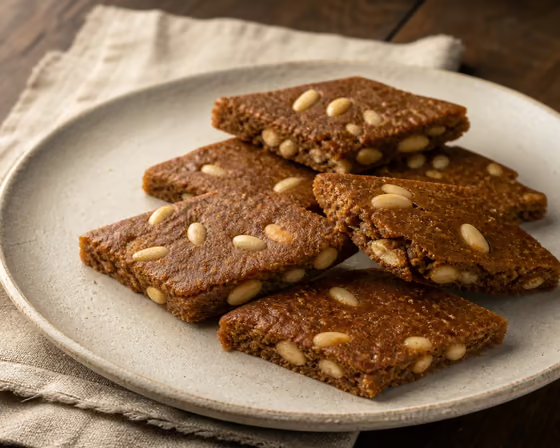 Catalogue image
 Alcomonias
Toasted coarse wheat flour, honey and pine nuts spread and cut into diamonds.
The Alentejo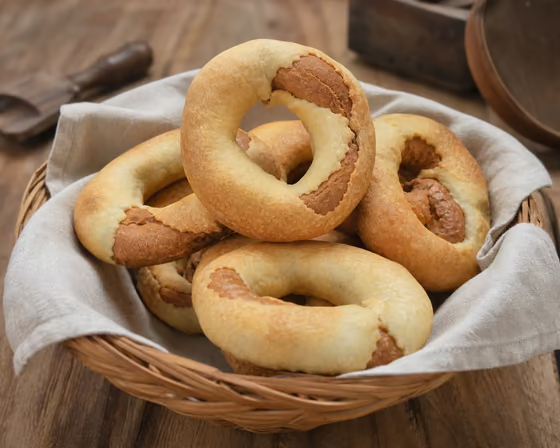 Catalogue image
 Amoreiras-Gare Alcôncoras
A large circular honey-and-olive-oil biscuit born from Amoreiras-Gare's promise-pole tradition.
The Alentejo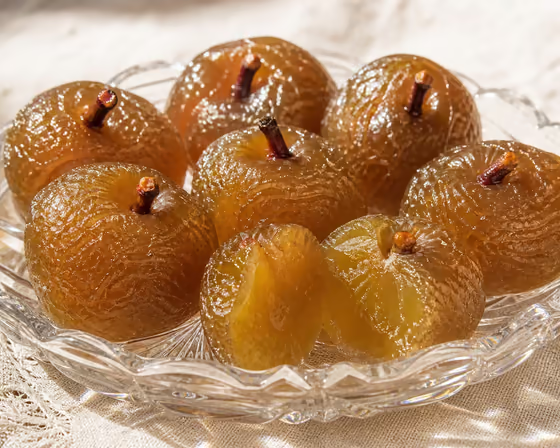 Catalogue image
 Elvas Plums
Protected Rainha Cláudia Verde greengages sold fresh, dried or candied—the sweet form requires at least seven days of slow candying.
The Alentejo