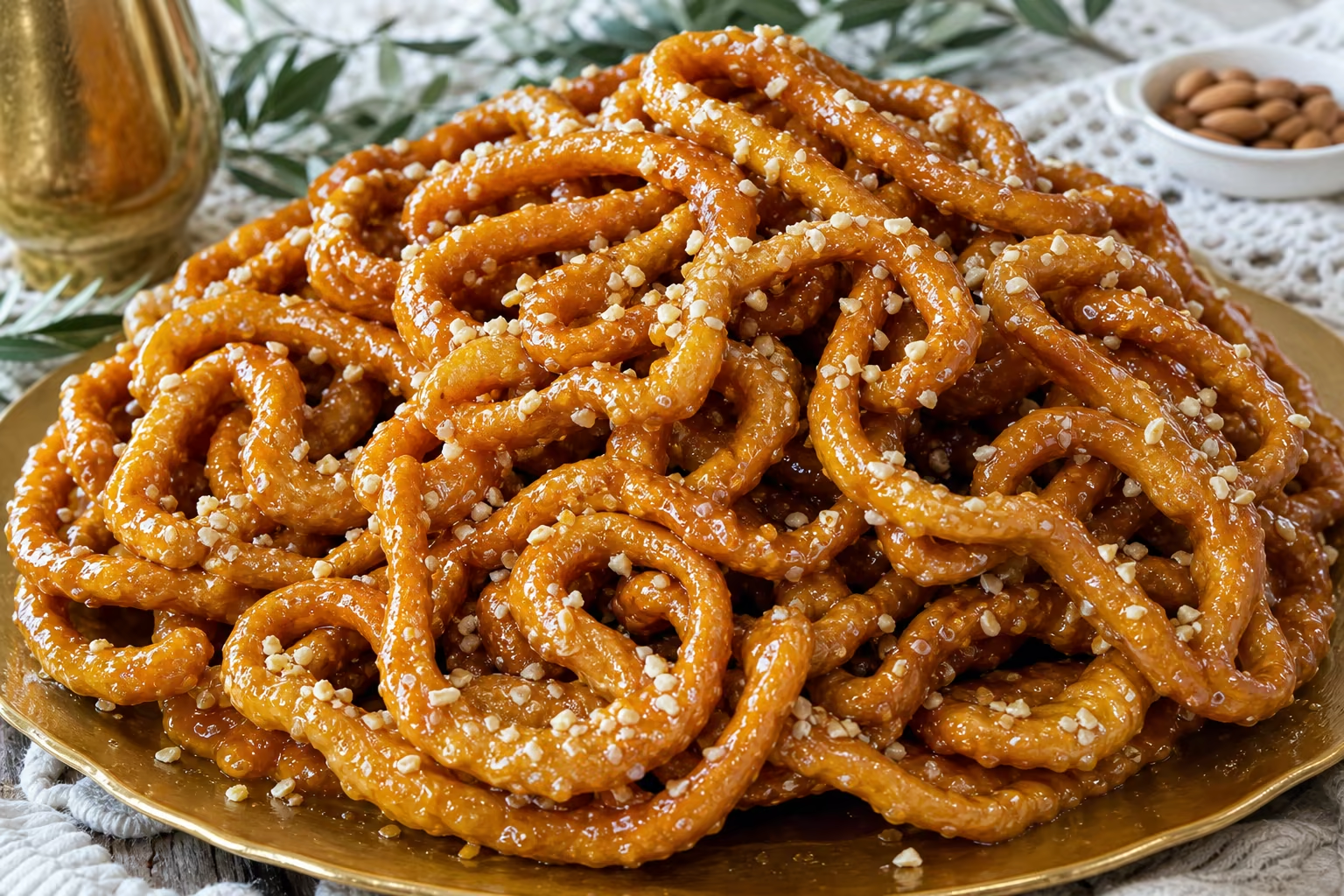
Vila Velha de Ródão Nógados
Also known as: Nógados · Ródão Nógados
Thick, long cords of fried dough, golden with honey.
- Origin
- Vila Velha de Ródão · Beira Baixa
- Place
- Vila Velha de Ródão
- Region
- The Centre
- Category
- Fried Sweets
- Season
- Christmas · also documented for Saint Amaro's feast in Vilar de Boi
- Evidence
- Well documented
Nógados de Vila Velha de Ródão are a Christmas sweet from Beira Baixa that Turismo Centro de Portugal compares to 'thick, long cords of gold'. The dough is worked into cords, fried and then coated in honey syrup, producing a glossy golden presentation.
The formula published by the regional tourism body uses a baker's-yeast starter or bread dough, eggs, flour, sugar, olive oil, a small amount of honey, baking powder, Port, orange juice, aguardente and salt. This is one documented regional recipe; household practice may vary.
- Baker's-yeast starter or bread dough
- Eggs
- Wheat flour
- Sugar
- Olive oil
- Honey
- Baking powder
- Port
- Orange juice
- Aguardente
- Salt
- Fat for frying
Sweet and honeyed, with fried dough and orange, Port and aguardente in the published recipe. The source describes a balance of sweetness and texture without giving a more precise sensory analysis.
Household recipes may vary. Ingredients or shapes documented only for Nógado Alentejano, Algarve Nógado or other namesake sweets should not automatically be transferred to this version.
In 2022 the municipality included nógados in Christmas hampers from its Terras de Oiro territorial brand, then available online and at the tourist office. Confirm current availability before visiting. Workshops in Vilar de Boi and Fratel also document community preparation, although the cited events date from 2019.
Not documented in the consulted sources.
Turismo Centro identifies nógados as part of Christmas celebrations in Vila Velha de Ródão municipality. Regional reporting documents more specific local uses: in Vilar de Boi they were prepared for the feast of Saint Amaro on 15 January and at Christmas; in Fratel, a 2019 Festa dos Nógados e das Pantufas included a public workshop supported by the municipality.
These sources demonstrate community transmission and a festive association, but establish neither a creation date nor a convent origin. The Ródão version belongs to Portugal's family of dough-and-honey sweets without being identical to DGADR's specified Nógado Alentejano or to nut-based nógados.
Well documented
Identity supported by institutional, specialist or corroborating sources.
- turismodocentro.pt/artigo/doces-de-natal-no-centro-de-portugal/ (opens in a new tab)
- cm-vvrodao.pt/municipio/comunicacao/sala-de-imprensa/2022/cabazes-de-natal-terras-de-oiro-disponiveis-na-loja-online.aspx (opens in a new tab)
- reconquista.pt/articles/fratel-festa-dos-nogados-e-das-pantufas-- (opens in a new tab)
- diariodigitalcastelobranco.pt/noticia/49105/vila-velha-de-rodao-vilar-de-boi-reviveu-a-tradicao-em-torno-dos-fornos-comunitarios (opens in a new tab)
- portugalnummapa.com/nogado/ (opens in a new tab)
Pastries from here — The Centre
 Catalogue image
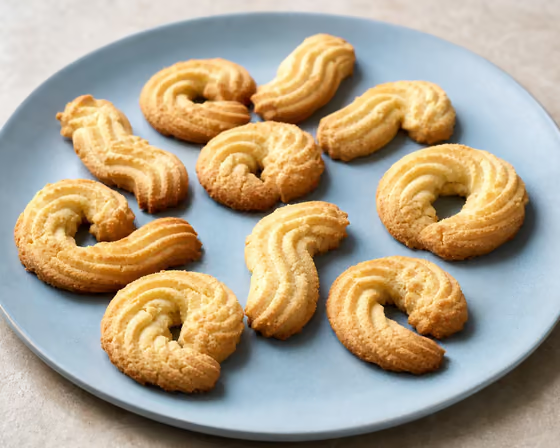
 Ílhavo Piped Butter Biscuits
Regional buttery biscuits piped into deeply ridged rings and curves.
The Centre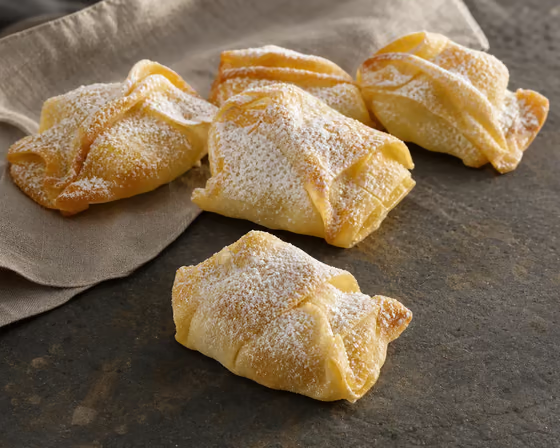 Catalogue image
 Saint Friar Gil’s Saddlebags
The small saddlebag-shaped pastry created at Vouzela’s vocational school and recognised as an innovative sweet.
The Centre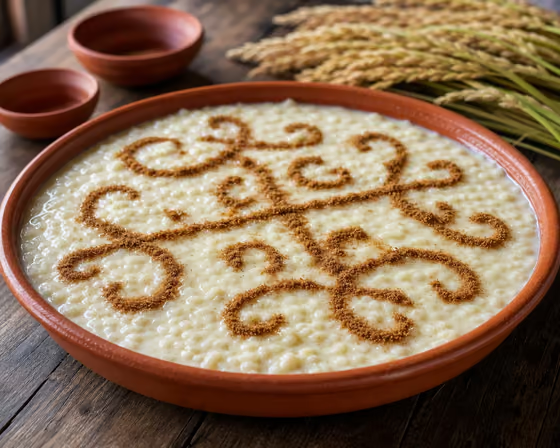 Catalogue image
 Baixo Mondego Rice Pudding
Mondego Carolino rice and Gândara milk, traced with cinnamon.
The Centre Catalogue image
 Arrufada de Coimbra
Coimbra's light, fragrant sweet bread, given by godparents at Easter.
The Centre