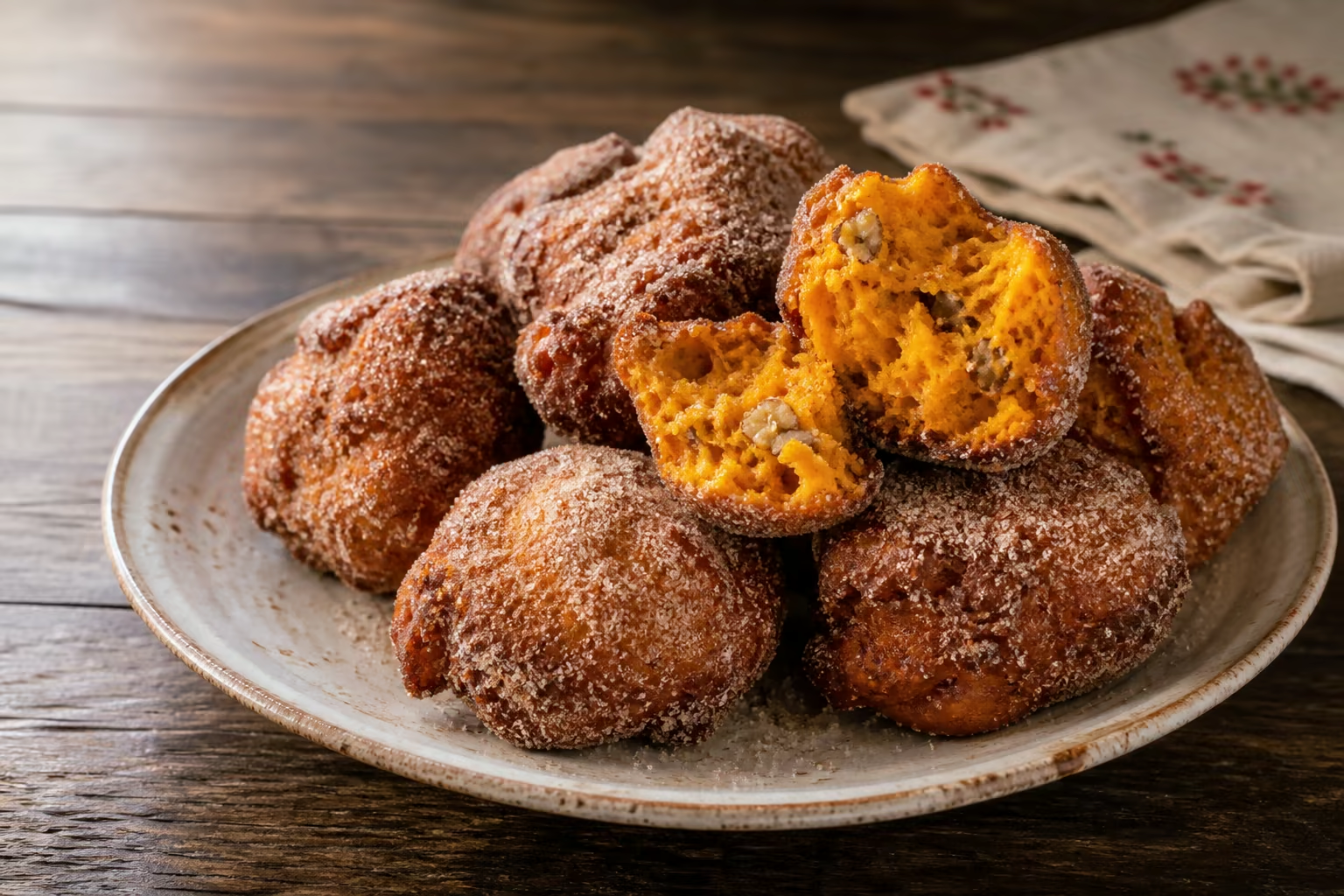
Bilharacos Pumpkin Fritters
Christmas pumpkin fritters with nuts, cinnamon and sugar.
- Origin
- Santa Maria da Feira · Northern Portugal
- Place
- Santa Maria da Feira
- Region
- The North
- Category
- Fried Sweets
- Season
- Christmas
- Evidence
- Well documented
Bilharacos are fried pumpkin cakes considered essential on Christmas tables in Santa Maria da Feira. The orange-brown batter combines pumpkin, eggs, flour, sugar, citrus, a little port and chopped nuts; it is shaped into small balls or spooned into hot oil and fried until golden.
Once well drained, the fritters are rolled in cinnamon sugar. They remain light, moist and aromatic, with small pieces of nut breaking up the softness of the pumpkin.
- pumpkin
- eggs
- flour
- sugar
- orange and lemon
- port
- nuts
- cinnamon
Moist and light, with sweet pumpkin, citrus fragrance, cinnamon and small nutty crunches.
They may be neat balls or irregular spoon-shaped fritters; the choice of nuts varies by household.
In Santa Maria da Feira, at pastry shops and markets during the Christmas season.
Coffee, spiced tea or a small glass of port.
They are a seasonal speciality of Santa Maria da Feira, passed down as a domestic Christmas sweet and now also sold by local pastry shops during the festive period. Preparation begins the day before so the cooked pumpkin can drain thoroughly. The municipality's 2024 Christmas programme devoted a workshop and tasting to them, describing bilharacos as an icon of the Feira Christmas table.
Well documented
Identity supported by institutional, specialist or corroborating sources.
- tradicional.dgadr.gov.pt/pt/cat/doces-e-produtos-de-pastelaria/130-bilharacos (opens in a new tab)
- intranet.cm-feira.pt/private/docs/20241120031123_Agenda_Natal_2024_PT.pdf (opens in a new tab)
Pastries from here — The North
 Catalogue image
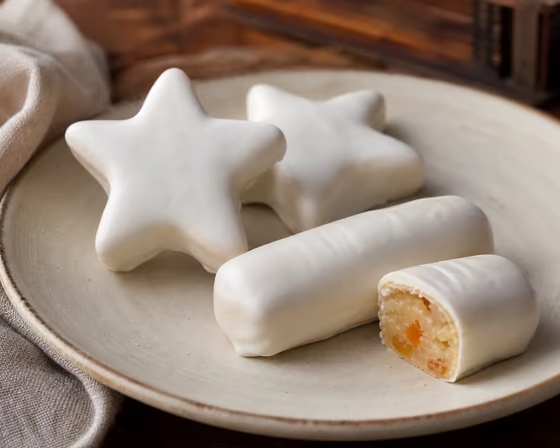
 A Bella Queijadinha de Barcelos
A white star of almond, preserved fruit and family memory.
The North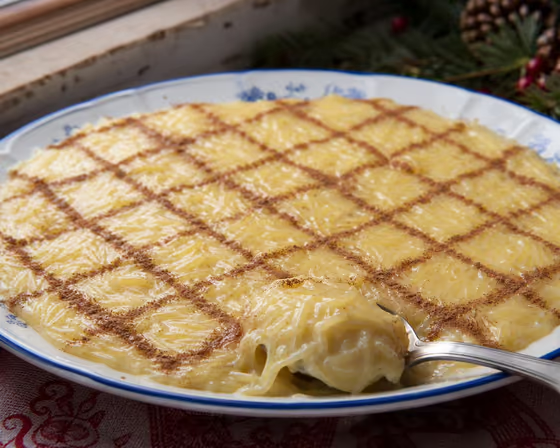 Catalogue image
 Sweet Vermicelli
Fine wheat threads simmered in milk and yolk, scored with cinnamon.
The North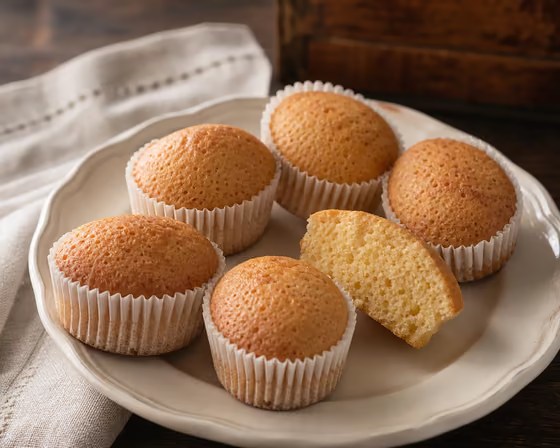 Catalogue image
 Amarantinos
Small egg, lemon and cinnamon cakes whose historical identity is not told consistently by the sources.
The North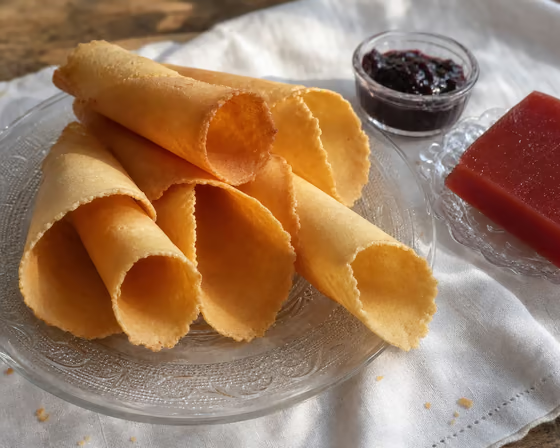 Catalogue image
 Vieira do Minho Cone Wafers
Paper-thin crisp wafers, iron-baked and rolled by hand while still hot.
The North