Poiares Easter Folar
Also known as: Poiares Easter Folar · Vila Nova de Poiares Easter Bread
An oval sweet folar rich in eggs and perfumed with lemon and aguardente.
- Origin
- Vila Nova de Poiares, Coimbra Region · Easter tradition
- Place
- Vila Nova de Poiares
- Region
- The Centre
- Category
- Festive & Seasonal
- Season
- Easter
- Evidence
- Well documented
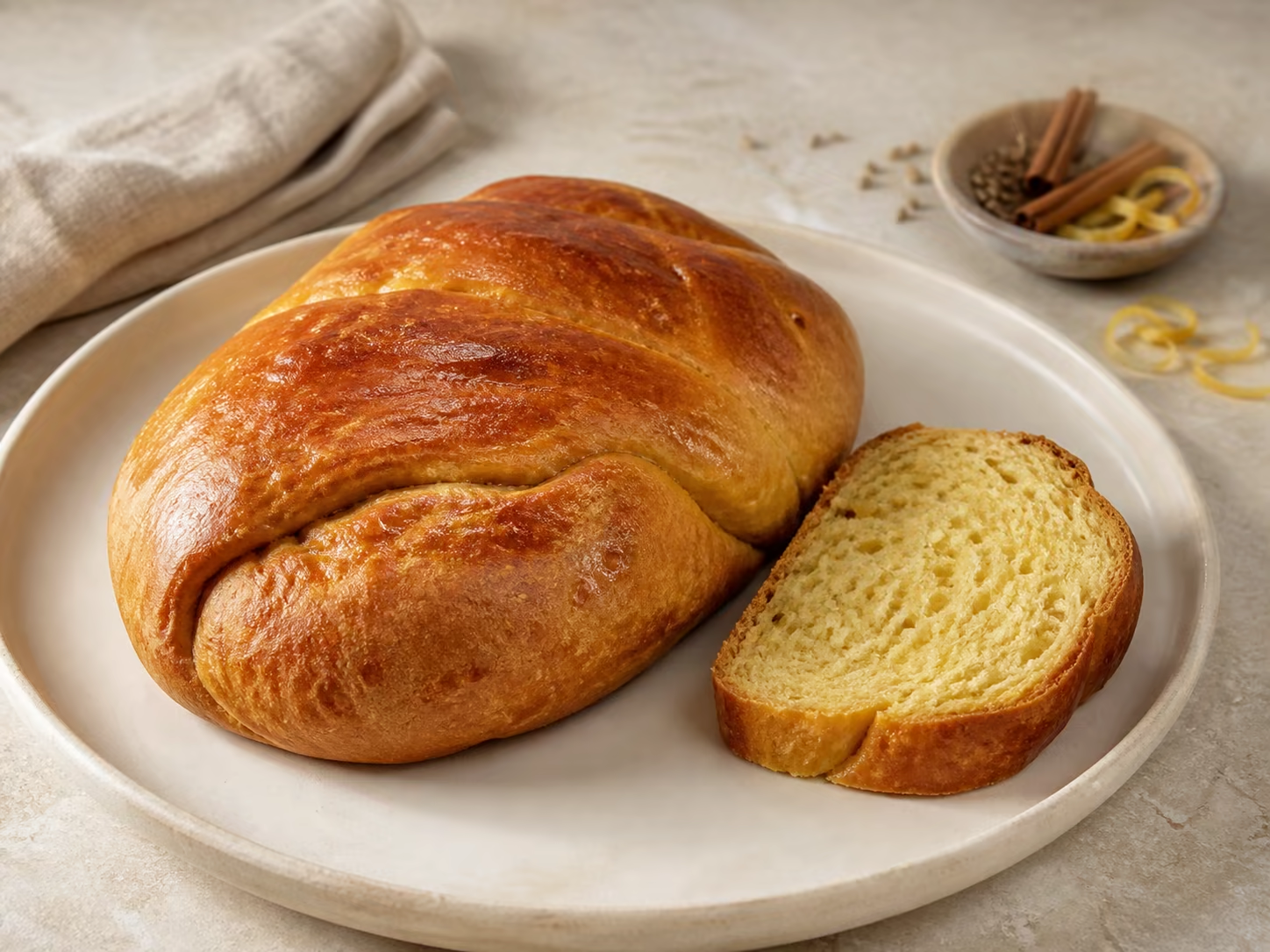
Folar da Páscoa de Poiares is a leavened sweet bread from Vila Nova de Poiares made with wheat flour, eggs, milk, sugar, aguardente, lemon, olive oil, butter, yeast and salt. The dough receives a long rise, is shaped into an oval, brushed with egg yolk and baked, traditionally in a wood-fired oven.
The result is a golden folar with a glossy surface and a rich, soft and aromatic crumb. Unlike many Portuguese Easter breads, the present-day form does not carry boiled eggs on top, although coloured boiled eggs were part of the local tradition in the past.
It is a seasonal speciality bound to Easter and the ritual gift from godparents to godchildren. It is served in slices at breakfast or teatime, plain or with coffee, tea or regional cheese.
- Wheat flour
- Eggs and egg yolk for brushing
- Milk
- Sugar
- Aguardente
- Lemon zest
- Olive oil
- Butter
- Baker's yeast
- Salt
Sweet and rich without being heavy, with lemon and aguardente aromas. The brushed crust is golden and thin; the leavened crumb is soft and fragrant.
The contemporary form is presented without boiled eggs. Earlier versions could carry coloured boiled eggs, an Easter element that has since disappeared from the local folar.
Look for it at Easter in bakeries, pastry shops, markets and food events in Vila Nova de Poiares, in the Coimbra Region. Availability may be limited outside the Easter season.
Coffee, black tea or a soft buttery cheese balances the sweetness and lemon aroma.
In Vila Nova de Poiares, folar belongs to the old Easter custom in which godparents give bread or folar to their godchildren. The local practice known as “tirar o folar” remains alive in the municipality's villages and links the cake to seasonal family visits and gatherings.
The formula published in the Coimbra Region Gastronomic Charter preserves a generous ratio of eggs and sugar — seven eggs and 350 grams of sugar for each kilogram of flour — and a rise lasting several hours. The same source records the speciality's visual evolution: the coloured boiled eggs used in the past have disappeared from the contemporary form. The folar received a gold medal in a national competition devoted to traditional bread, broa and folar.
Well documented
Identity supported by institutional, specialist or corroborating sources.
- turismodocentro.pt/artigo/pascoa-receitas-centro-de-portugal/ (opens in a new tab)
- noticiasdecoimbra.pt/ha-leiloes-nas-aldeias-folar-e-cabrito-assim-se-vive-a-pascoa-em-vila-nova-de-poiares/ (opens in a new tab)
Pastries from here — The Centre
 Catalogue image
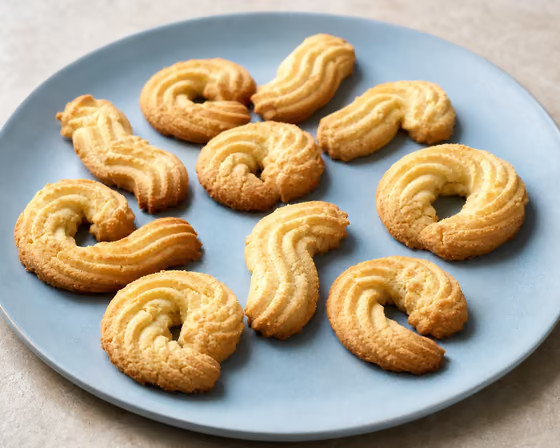
 Ílhavo Piped Butter Biscuits
Regional buttery biscuits piped into deeply ridged rings and curves.
The Centre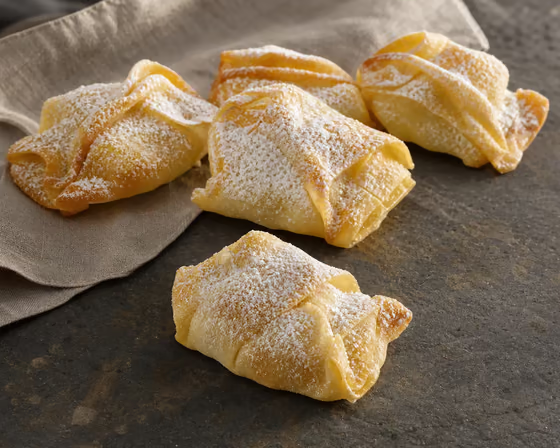 Catalogue image
 Saint Friar Gil’s Saddlebags
The small saddlebag-shaped pastry created at Vouzela’s vocational school and recognised as an innovative sweet.
The Centre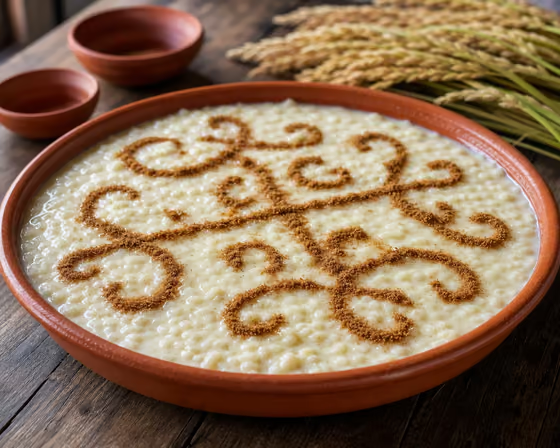 Catalogue image
 Baixo Mondego Rice Pudding
Mondego Carolino rice and Gândara milk, traced with cinnamon.
The Centre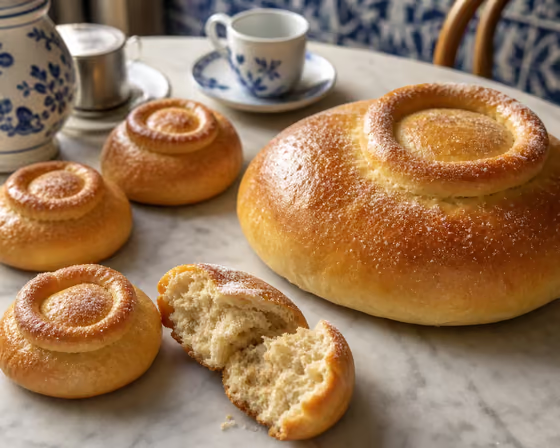 Catalogue image
 Arrufada de Coimbra
Coimbra's light, fragrant sweet bread, given by godparents at Easter.
The Centre