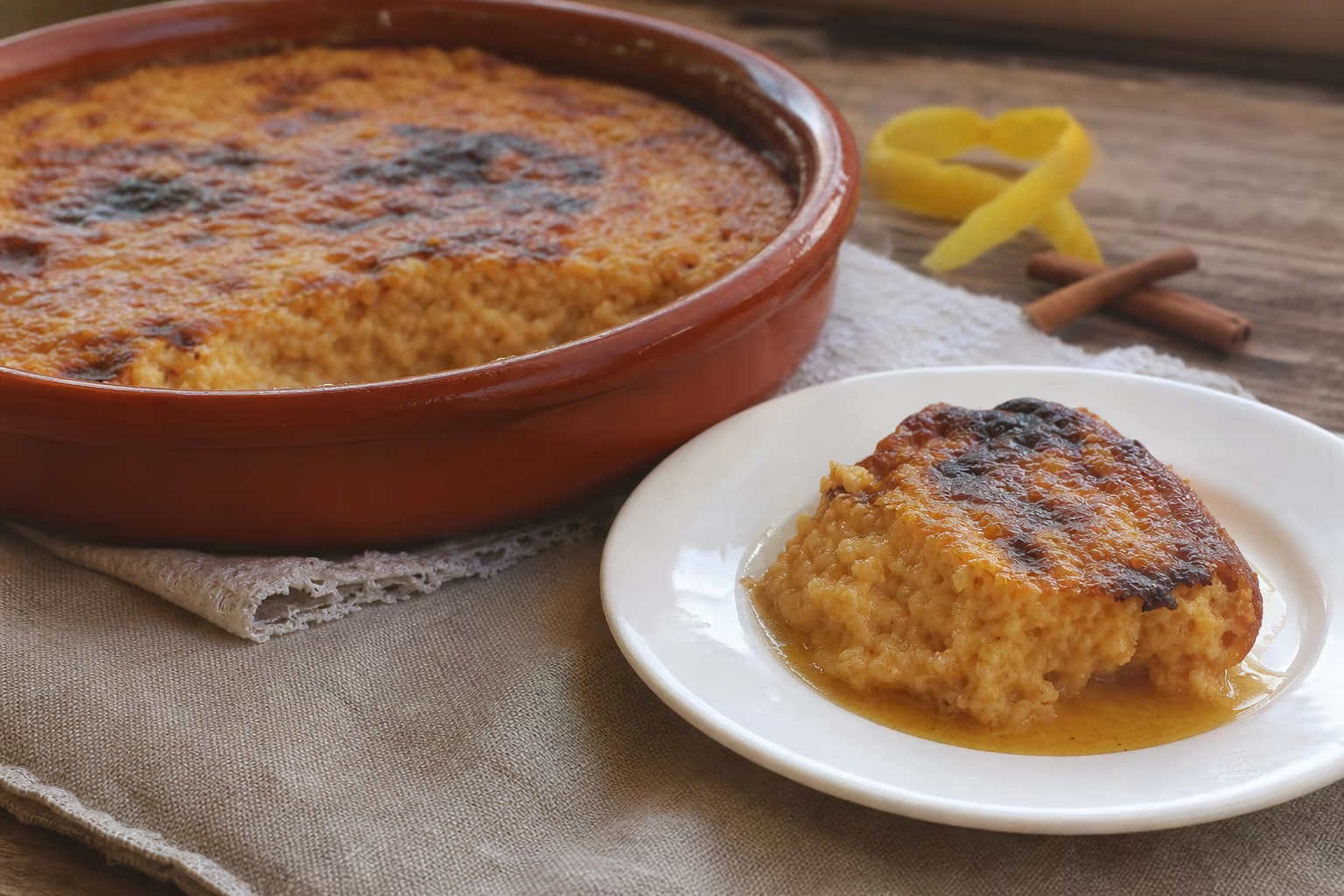
Lousã Tigelada
Also known as: Lousã Tigelada
A flour-thickened Beira tigelada with lemon and cinnamon, browned in earthenware.
- Origin
- Lousã · Serra da Lousã
- Place
- Lousã · Coimbra
- Region
- The Centre
- Category
- Puddings & Spoon Sweets
- Season
- Year-round · Easter · Christmas · festivals
- Evidence
- Well documented
Tigelada Lousanense beats eggs, sugar and a small amount of flour before milk, lemon peel and cinnamon are added. It bakes for about an hour in glazed earthenware, forming a dark caramelised top over a golden, softly grainy body that may retain some syrup.
Flour distinguishes it from purely milk-and-egg tigeladas and gives enough body to serve by spoon or as an irregular slice.
- eggs
- sugar
- milk
- wheat flour
- lemon peel
- cinnamon
- optional honey
Sweet and milky, with oven caramel, lemon-cinnamon fragrance and a texture thicker than flan.
Historically it could use muscovado or yellow sugar, honey, and goat's, sheep's or cow's milk.
At traditional Lousã restaurants and village festivals in the mountains.
Coffee, mountain-herb tea or honey liqueur.
The regional gastronomic charter describes tigelada as celebration food in Beira Serra's agro-pastoral communities, appearing at Easter, Christmas, local feasts, weddings and baptisms. It baked in residual wood-oven heat after bread, broa, chanfana or kid, in red or black earthenware according to local practice. Lousã municipality reproduces the local recipe and confirms that the sweet remains available in the municipality's restaurants.
Well documented
Identity supported by institutional, specialist or corroborating sources.
- visitarganil.pt/wp-content/uploads/2023/12/carta_gastrono_mica_jan2022_compacto.pdf (opens in a new tab)
- cm-lousa.pt/wp-content/uploads/2022/10/Newsletter-setembro-2022.cleaned.pdf (opens in a new tab)
- cm-lousa.pt/turismo/onde-comer/ (opens in a new tab)
Pastries from here — The Centre
 Catalogue image
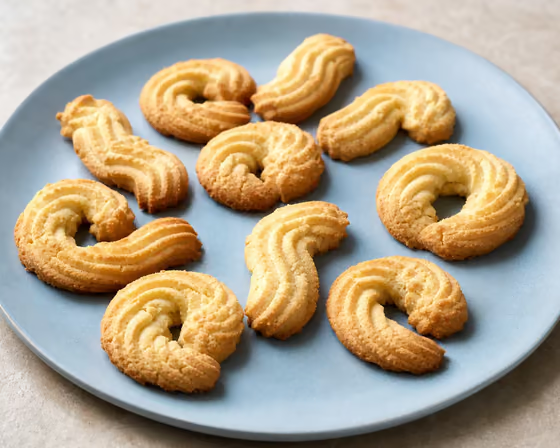
 Ílhavo Piped Butter Biscuits
Regional buttery biscuits piped into deeply ridged rings and curves.
The Centre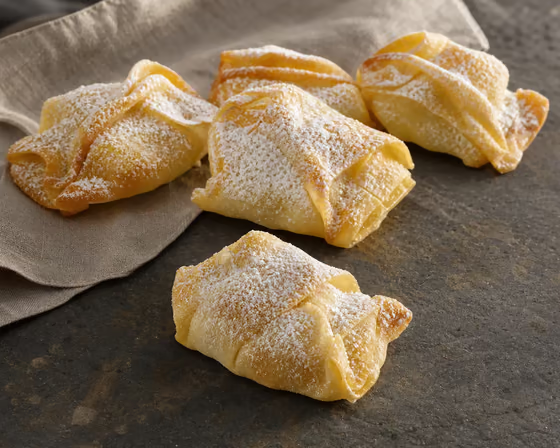 Catalogue image
 Saint Friar Gil’s Saddlebags
The small saddlebag-shaped pastry created at Vouzela’s vocational school and recognised as an innovative sweet.
The Centre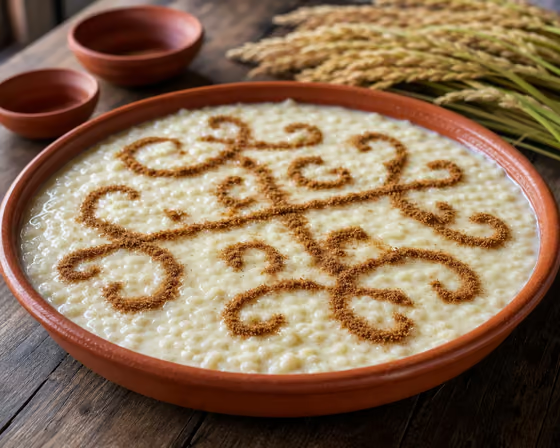 Catalogue image
 Baixo Mondego Rice Pudding
Mondego Carolino rice and Gândara milk, traced with cinnamon.
The Centre Catalogue image
 Arrufada de Coimbra
Coimbra's light, fragrant sweet bread, given by godparents at Easter.
The Centre