Covilhã Organ Pipes
Also known as: Órgão · Covilhã organ pipes
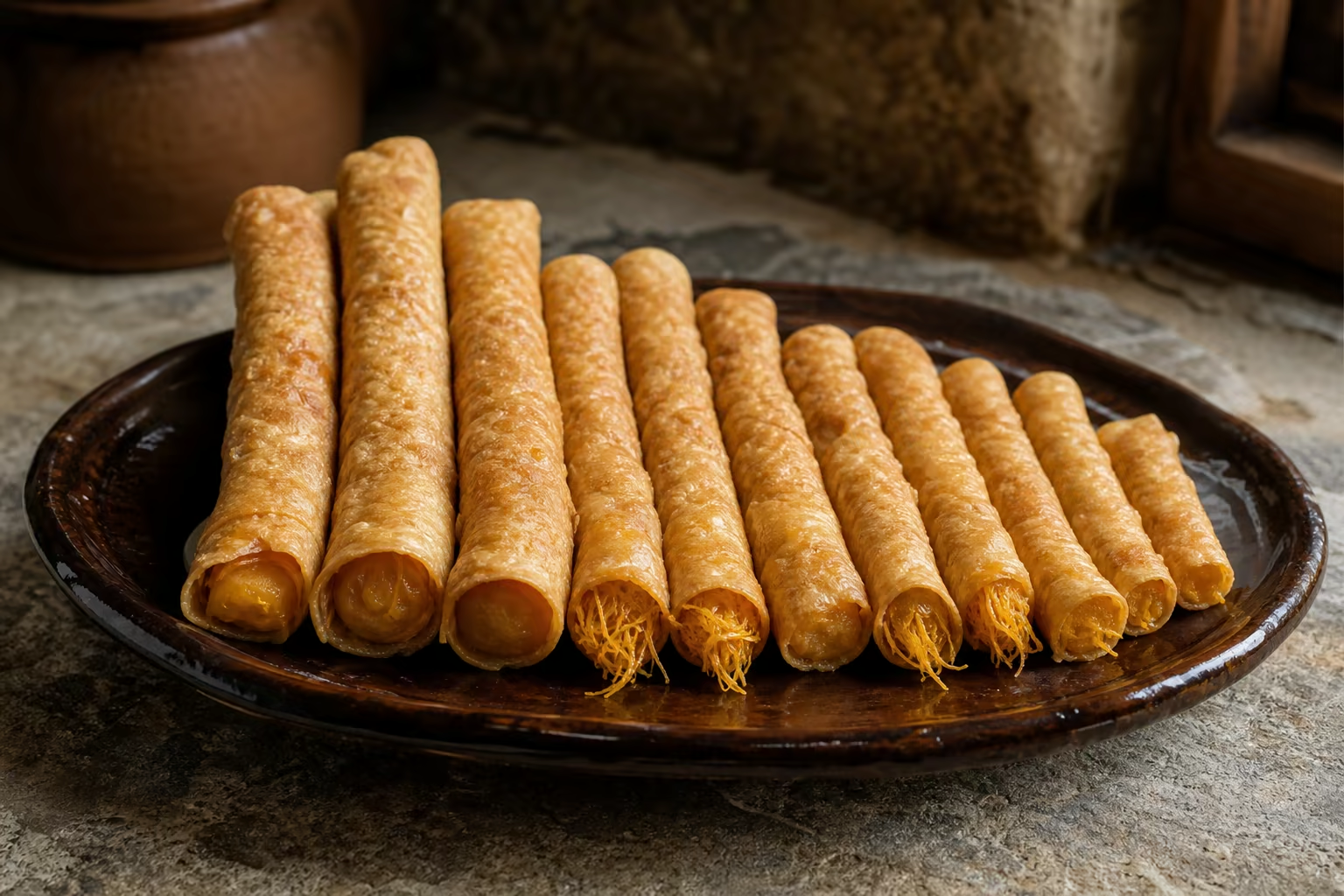
Fried tubes filled with egg yolk and almond, assembled like organ pipes.
- Origin
- Covilhã · Beira Interior
- Place
- Covilhã
- Region
- The Centre
- Category
- Fried Sweets
- Season
- Year-round
- Evidence
- Limited documentation
Órgão da Covilhã is a regional sweet whose form explains its name. Fried pastry tubes made in several lengths are filled with an egg-yolk-and-almond sweet and finished with fios de ovos. In the traditional presentation, the largest tube stands in the centre and the others are arranged in descending order, forming the silhouette of church-organ pipes.
One published recipe kneads flour, eggs, sugar, butter and aguardente. The dough is cut into strips, wound spirally around cylindrical moulds and fried in olive oil. The filling combines sugar syrup, ground almond and egg yolks. Those quantities belong to that published formula; no documentation was found that would establish it as the sole authentic recipe.
The consulted sources confirm the Covilhã identity, fried pastry, yolk-and-almond filling, fios de ovos and graduated arrangement. They do not, however, support the previous attribution to a convent or a dated origin.
- Wheat flour
- Eggs and egg yolks
- Sugar
- Almonds
- Butter
- Aguardente (grape spirit)
- Fios de ovos (egg threads)
- Olive oil for frying
- Water
The documented composition combines a fried pastry shell with a rich filling of egg yolks, sugar and almond and a delicate fios de ovos finish. The consulted sources do not publish a detailed tasting note.
One listing allows for traditional cane moulds or moulds made from sheet material. No independent sources were found documenting regional variations in filling or presentation.
The sources identify the sweet with Covilhã but do not document a specific current producer. Confirm directly with local pastry shops before travelling.
Not documented in the sources consulted.
The secure historical record is limited. A gastronomic survey of the Beira Interior identifies Órgão as a distinctive sweet made in Covilhã and describes its composition and assembly in detail. A dedicated listing presents it as a traditional regional sweet of the city.
The consulted sources provide no documentary evidence of convent authorship, creation date, identified creator or transmission by a religious institution. Its resemblance to a church organ documents the reason for the name but does not prove a convent origin. The consulted recipe listing states that it is made year-round.
Limited documentation
The identity is documented, but its origin, composition or availability has limited sourcing.
- lifecooler.com/artigos/sobremesas/7042 (opens in a new tab)
- lifecooler.com/artigo/comer/rgo-da-covilh/329102 (opens in a new tab)
- allaboutportugal.pt/en/covilha/saberes-e-sabores/orgao-da-covilha (opens in a new tab)
Pastries from here — The Centre
 Catalogue image
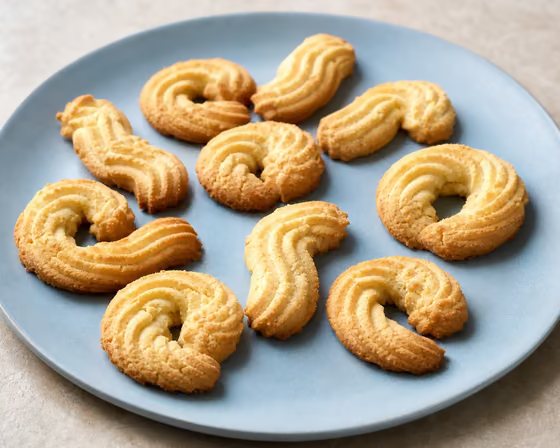
 Ílhavo Piped Butter Biscuits
Regional buttery biscuits piped into deeply ridged rings and curves.
The Centre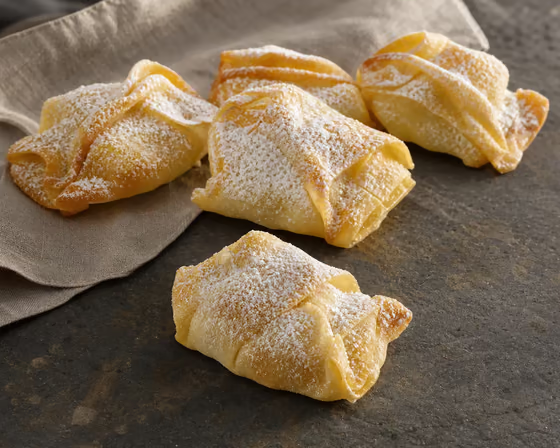 Catalogue image
 Saint Friar Gil’s Saddlebags
The small saddlebag-shaped pastry created at Vouzela’s vocational school and recognised as an innovative sweet.
The Centre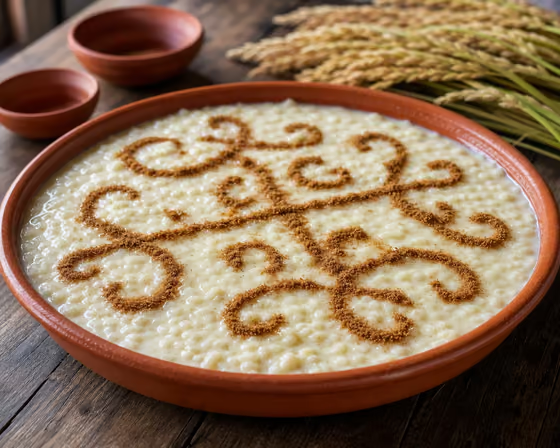 Catalogue image
 Baixo Mondego Rice Pudding
Mondego Carolino rice and Gândara milk, traced with cinnamon.
The Centre Catalogue image
 Arrufada de Coimbra
Coimbra's light, fragrant sweet bread, given by godparents at Easter.
The Centre