Porto de Mós Fried Cakes
Also known as: Porto de Mós Fried Cakes · Olive-harvest Fried Cakes
Enriched bread dough fried in olive oil and rolled in sugar.
- Origin
- Porto de Mós · olive-harvest adiafa tradition
- Place
- Porto de Mós
- Region
- The Centre
- Category
- Fried Sweets
- Season
- Olive harvest · autumn and winter
- Evidence
- Well documented
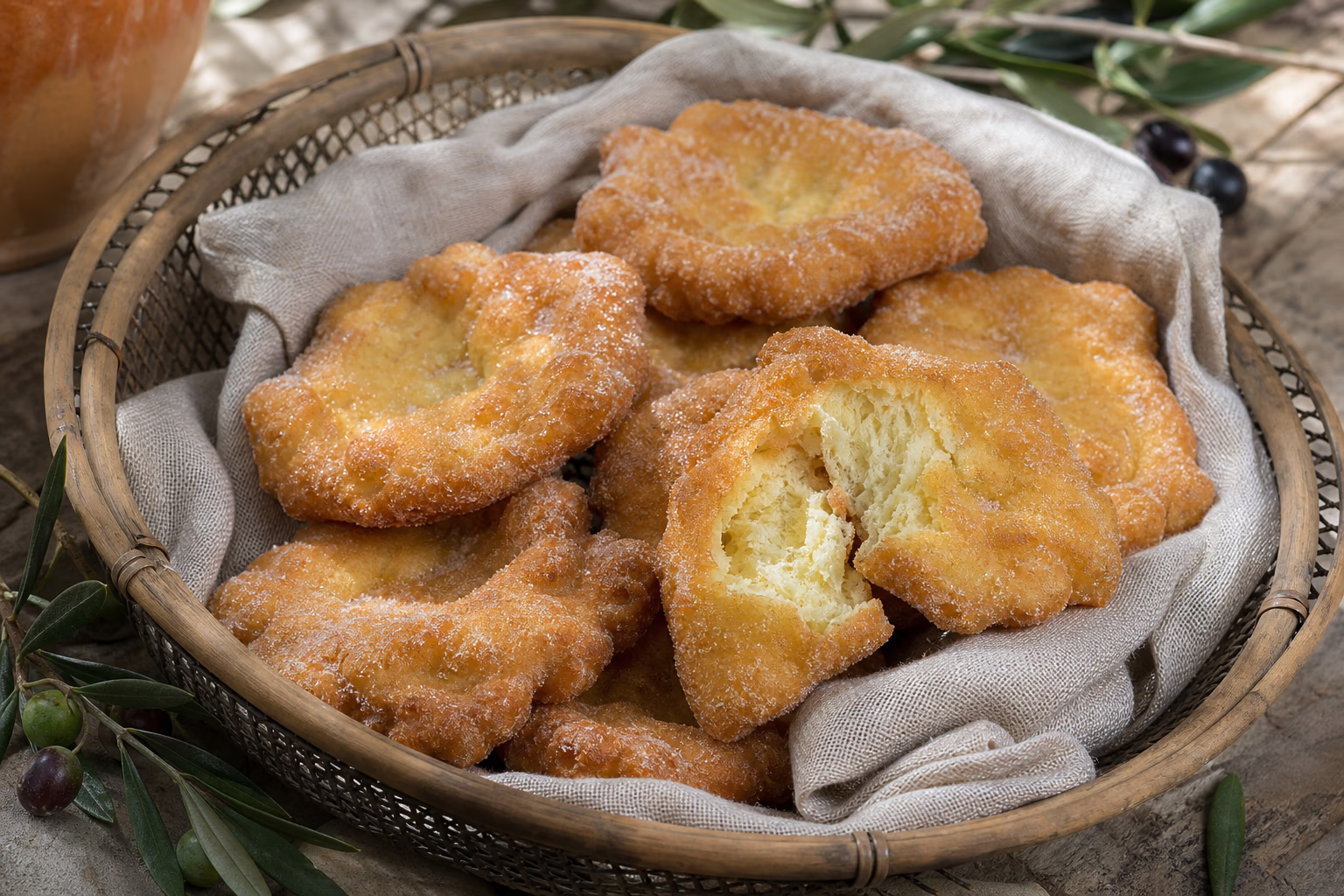
Bolos Fritos de Porto de Mós are irregular rounds of bread dough enriched with eggs, olive oil and milk. The dough is raised, hand-flattened into low thick pieces and fried until golden and covered in small blisters.
The cakes are sugared while still warm. Their crust is fried and slightly craggy, while the interior retains a soft, springy sweet-bread crumb.
- Bread starter or dough
- Flour
- Water
- Salt
- Yeast
- Eggs
- Olive oil
- Milk
- Sugar for coating
Sugared fried crust, soft bread-like centre, moderate sweetness and a characteristic olive-oil note.
Size, shape and sugar coating vary by household. Some pieces are thicker and softer, others lower and more deeply browned.
They appear at rural events, adiafa re-creations and traditional-food initiatives around Porto de Mós, especially during olive-harvest season.
Coffee, black tea or a small glass of água-pé during harvest season.
The tradition is associated with the adiafa, the celebratory meal at the end of the olive harvest. Porto de Mós tourism also records Bolos Fritos when a family's youngest child married.
The recipe used the bread starter or dough already at home and the olive oil connected to the harvest itself. Ingredient, farming calendar and family celebration therefore meet in the same sweet.
Well documented
Identity supported by institutional, specialist or corroborating sources.
- visite.portodemos.pt/visitar/made-in-porto-de-mos/docaria (opens in a new tab)
- municipio-portodemos.pt/pages/1291 (opens in a new tab)
Pastries from here — The Centre
 Catalogue image
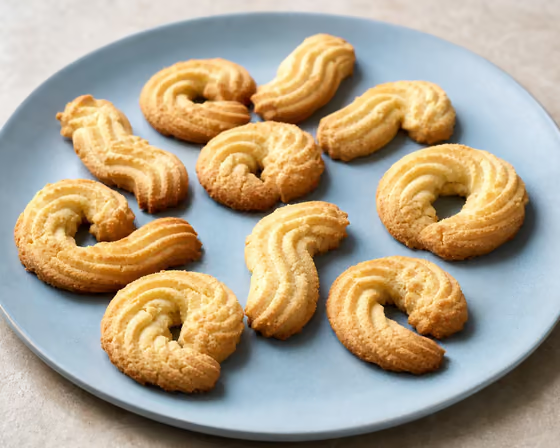
 Ílhavo Piped Butter Biscuits
Regional buttery biscuits piped into deeply ridged rings and curves.
The Centre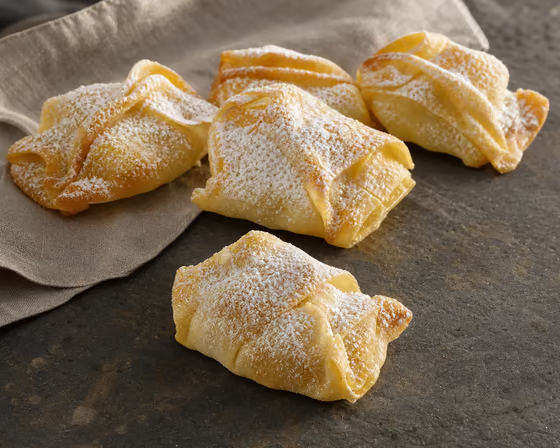 Catalogue image
 Saint Friar Gil’s Saddlebags
The small saddlebag-shaped pastry created at Vouzela’s vocational school and recognised as an innovative sweet.
The Centre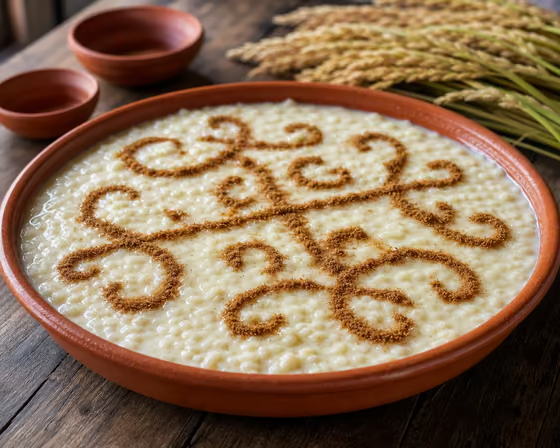 Catalogue image
 Baixo Mondego Rice Pudding
Mondego Carolino rice and Gândara milk, traced with cinnamon.
The Centre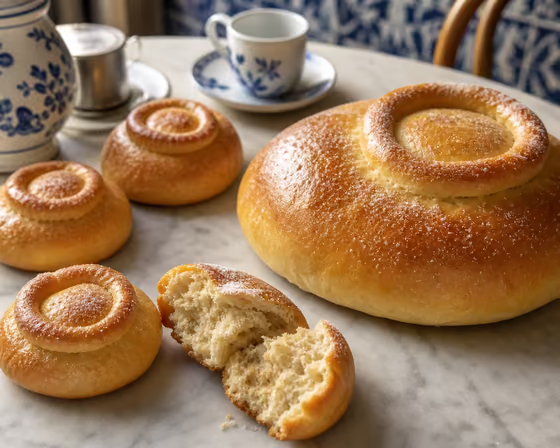 Catalogue image
 Arrufada de Coimbra
Coimbra's light, fragrant sweet bread, given by godparents at Easter.
The Centre