Pata de Veado — Tradições Doces' Modern Rolled Version
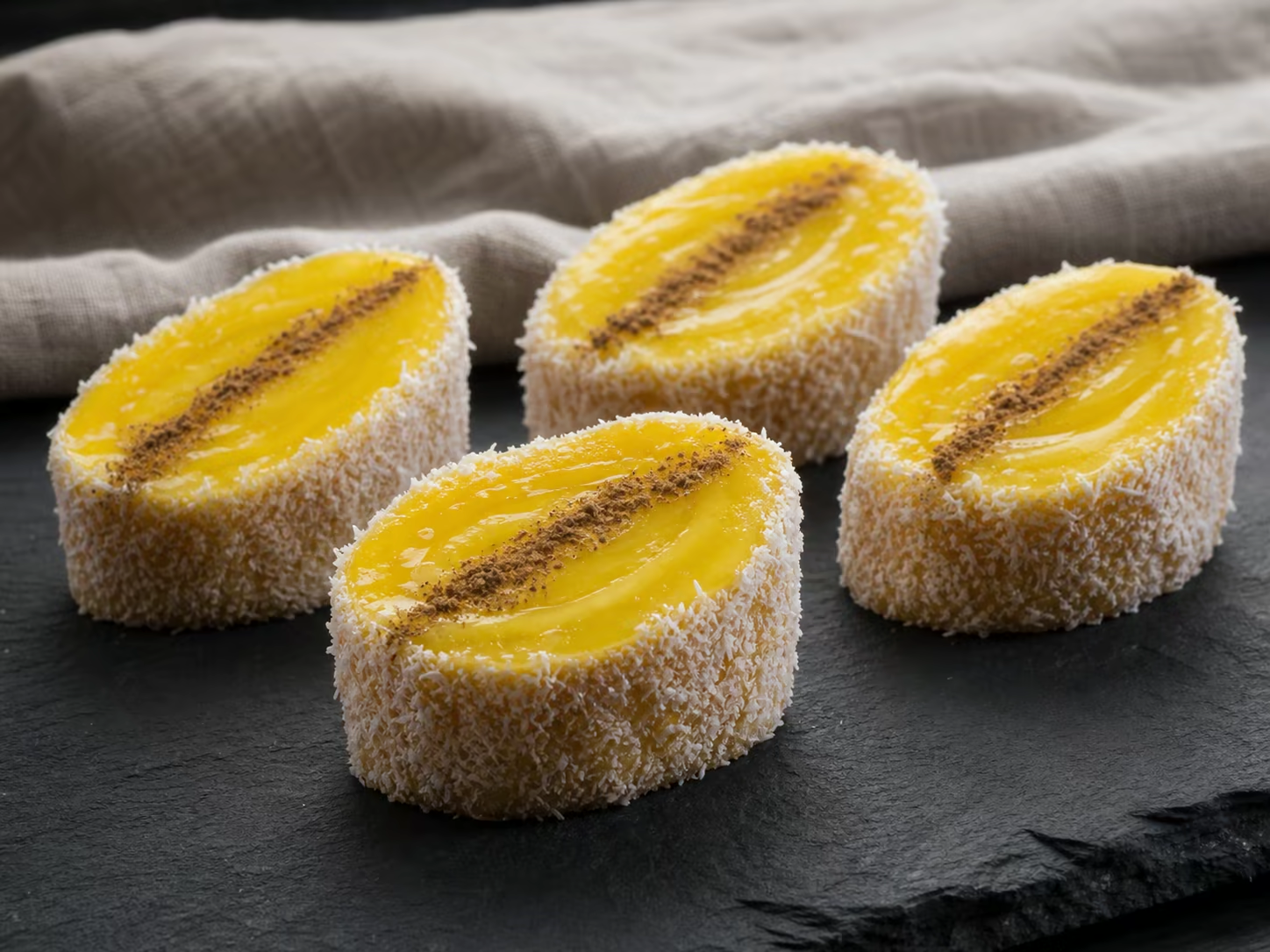
Tradições Doces distinguishes three generations of this pastry-counter cake: an older brioche form, a version made from thick sponge slices and the modern rolled version published here. The thin sponge roll is filled with sweet egg-yolk cream or pastry cream, soaked, coated with coconut and cut diagonally to suggest a hoof.
- Yields
- 4 pastries
- Prep
- 30 minutes
- Cook
- 5 minutes for the sponge; 2 minutes for the syrup
Ingredients
- 6 medium or 5 large Eggs for the sponge
- 100 g / 3.5 oz Sugar for the sponge
- 80 g / 2.8 oz T55 or all-purpose flour
- quantity not stated Vanilla flavouring, optional
- as needed Release spray or butter for the tray
- 100 g / 3.5 oz Sugar for the syrup
- 100 ml / 3.4 fl oz Water for the syrup
- 1 Cinnamon stick
- 300 g / 10.6 oz Sweet egg-yolk cream or traditional pastry cream
- 50 g / 1.8 oz Dried grated coconut
- as needed Neutral glaze
- as needed Ground cinnamon
Method
Heat the oven to 220°C / 425°F. Grease a 35 × 25 cm / 14 × 10 in tray with release spray or butter and line it with parchment.
Beat the eggs with the 100 g sugar until very voluminous. The source directs the baker to add vanilla flavouring at this point if used, but publishes no quantity.
Sift in the flour and fold gently. Spread the batter over the tray and bake for about 5 minutes. Turn out onto parchment and leave to cool.
For the syrup, heat the 100 g sugar, 100 ml water and cinnamon stick. Once boiling, cook for 2 minutes, remove from the heat and cool.
Spread a layer of sweet egg-yolk cream or pastry cream over the sponge, reserving some for the tops. Roll tightly from a short side.
Brush the outside with syrup and coat it in grated coconut. Cut the roll in half, then cut each half diagonally to make four pieces.
Stand each piece upright, cover the sloping top with the reserved filling, brush with neutral glaze and mark a stripe with ground cinnamon.
Sources for this recipe
The quantities and method were checked against the references below. Family recipes may vary; where no single official formula exists, we present a representative practical version and say so plainly.
Read the editorial policy →