Traditional Portuguese Biscuit Cake
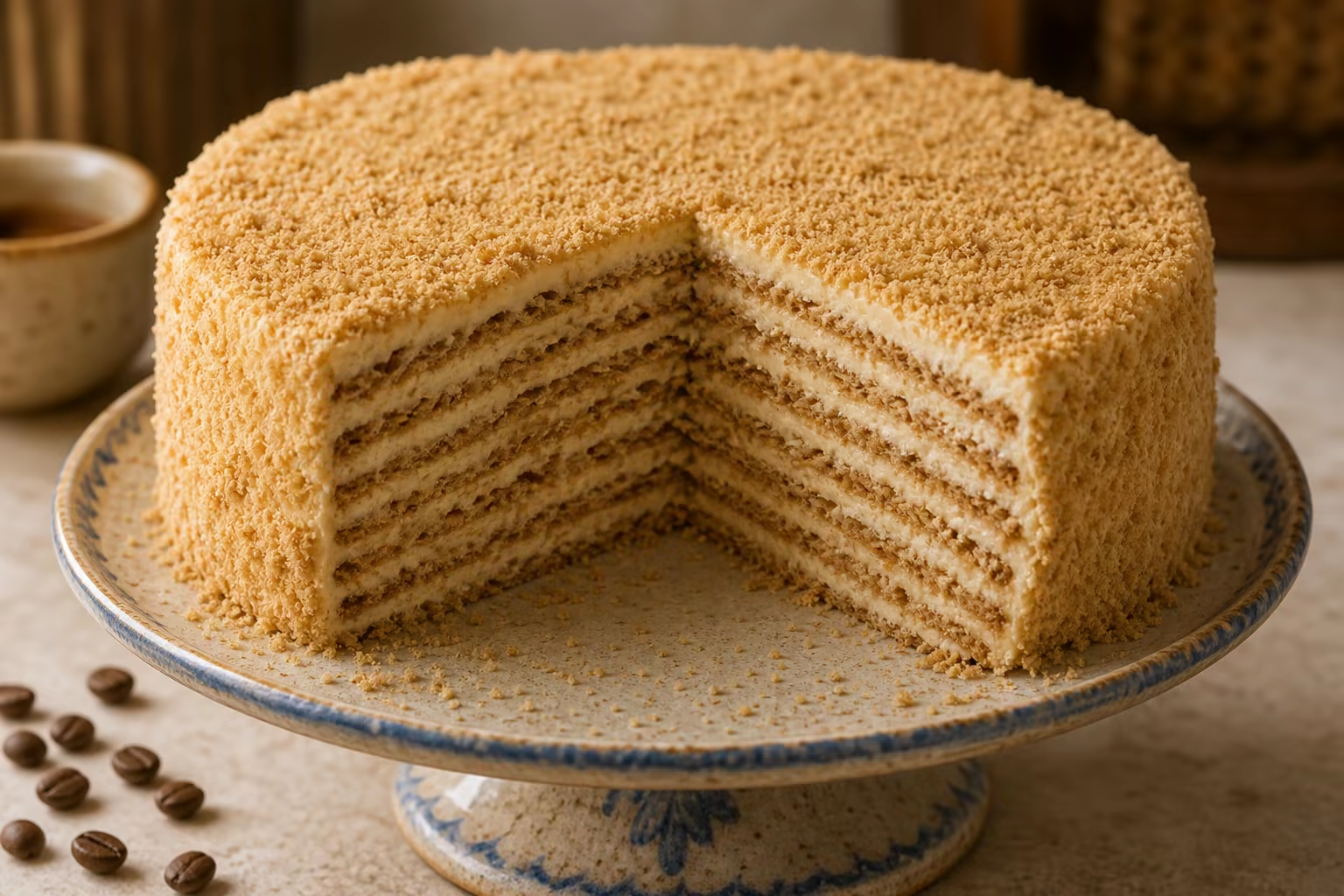
Layers of toasted biscuits briefly dipped in coffee alternate with a cream of butter, sugar, egg yolks and strong coffee. This formula follows the traditional version published by Teleculinária; Continente's documented cream-cheese construction is treated as a variation rather than blended into the main recipe.
- Yields
- 8 servings
- Prep
- 25 min (+ at least 6 hrs chilling)
- Cook
- No cooking
Ingredients
- 400 g Toasted biscuits
- 300 g Butter at room temperature
- 200 g Icing sugar
- 4 Pasteurized egg yolks
- 2 tbsp Very strong cold coffee, for the cream
- about 500 ml Cold, lightly sweetened coffee, for dipping
- as needed Crushed biscuit or coffee beans, to decorate
Method
Prepare the coffee for dipping, sweeten it lightly and allow it to cool completely. Reserve two biscuits for decoration if you prefer a crumb finish.
Beat the softened butter with the icing sugar until pale, smooth and increased in volume.
Beat in the pasteurized yolks one at a time, mixing thoroughly between additions. Add the two tablespoons of strong cold coffee and beat until the cream is uniform again.
Place a cake ring or springform tin on the serving plate. Spread a thin layer of cream over the base to anchor the first biscuits.
Dip each biscuit briefly in the cold coffee without letting it soften enough to break, then arrange a close layer. Cover with a thin, even layer of cream.
Repeat the layers until the biscuits are used, reserving enough cream to cover the top and sides. Smooth the surface.
Cover and refrigerate for at least 6 hours, ideally overnight. Carefully unmould, decorate with crushed biscuit or coffee beans, and serve chilled.
Sources for this recipe
The quantities and method were checked against the references below. Family recipes may vary; where no single official formula exists, we present a representative practical version and say so plainly.
Read the editorial policy →